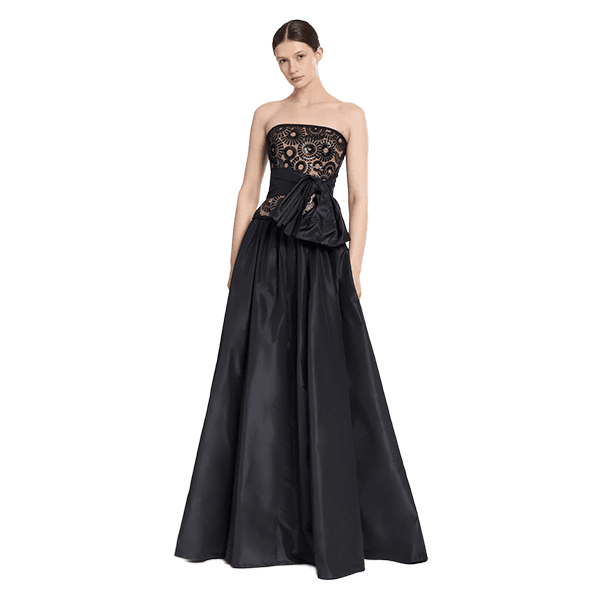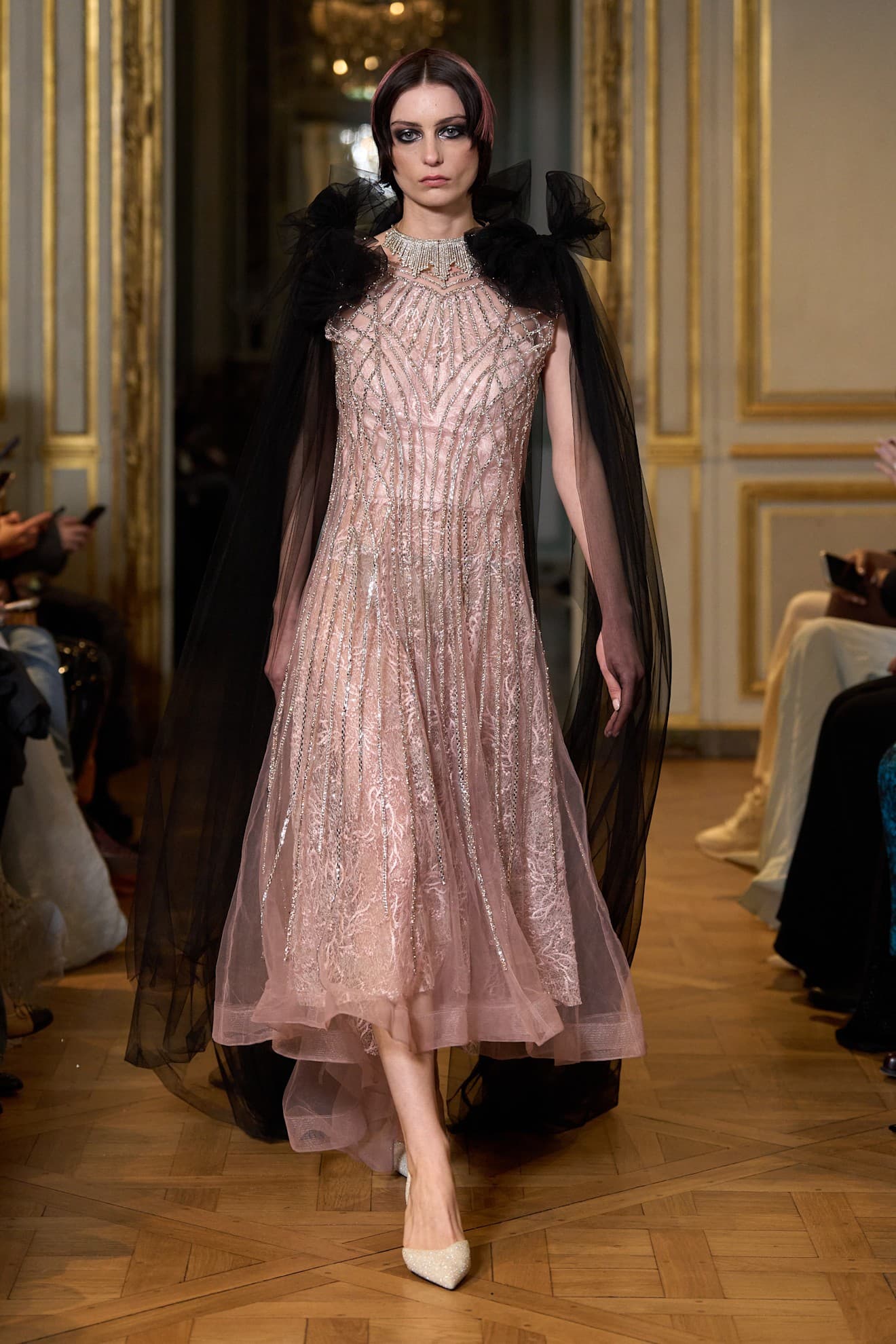
Pinterest seems to have been onto something with their predictions for this year. We've already gotten behind the brooch and poetcore trends and now, especially post-Haute Couture Week and post-Grammys, are fully onboard with the opera aesthetic. Here at Coveteur, we're fully cosigning this trend for this reason alone: it's all about the drama. It's all about capturing the theatrics that take place in the opera house and translating that to everyday life just for the sake of maximalism and doing the absolute most with fashion.
Opera, performance art in general, and fashion have a long history together. Throughout the 17th, 18th, and 19th centuries, the opera house served as a stage for the upper class to parade around in their most elaborate and decadent of clothes—it was essentially a hub for maximalism. Come the 20th century, performance art and fashion’s relationship was certified when designers (Coco Chanel, for example), collaborated with ballet companies and opera singers collaborated with stylists. From then on, the line between fashion designer and costume designer was blurred and style elements and details typically associated with opera and theatrics in general grew more mainstream. And, as our eyes were glued to our screens as our favorite stars ascended on the Grammys red carpet this Sunday, it became more than clear that these Opera-inspired details aren’t going anywhere—just take a look at Sabrina Carpenter in a custom blush pink Valentino gown with cap sleeves and pristine beading and embellishment, a key element of operacore.
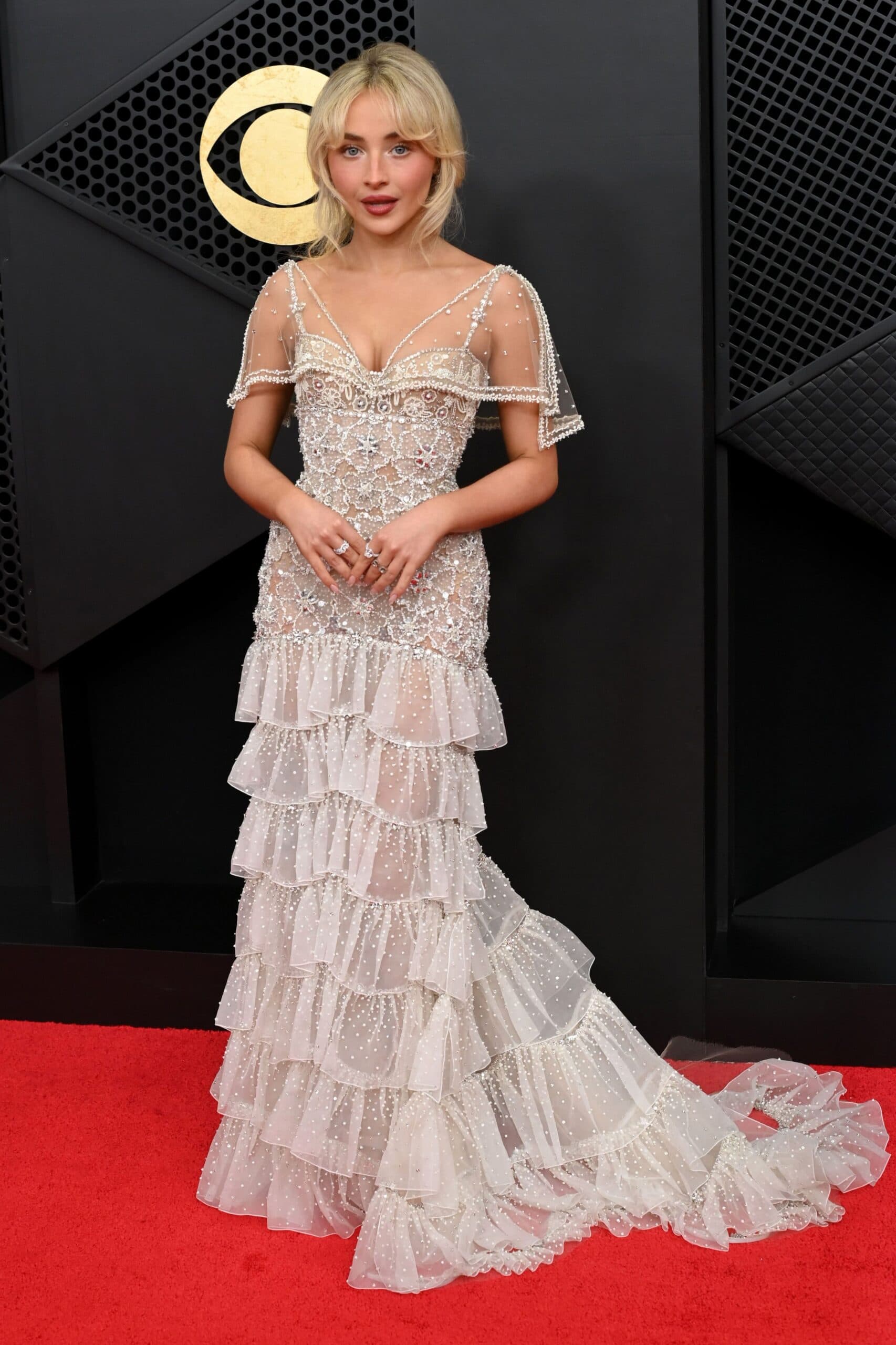 Sabrina Carpenter David Fisher/Shutterstock
Before diving into what we consider the most essential elements of operacore, let's acknowledge some honorary mentions: deep and rich jewel tones, velvet and silk as core materials, pearl accessories and, of course, opera gloves—the easiest way to elevate your look in one step.
Ahead, more of the core elements of the opera aesthetic taking over 2026.
Try An Opera Coat
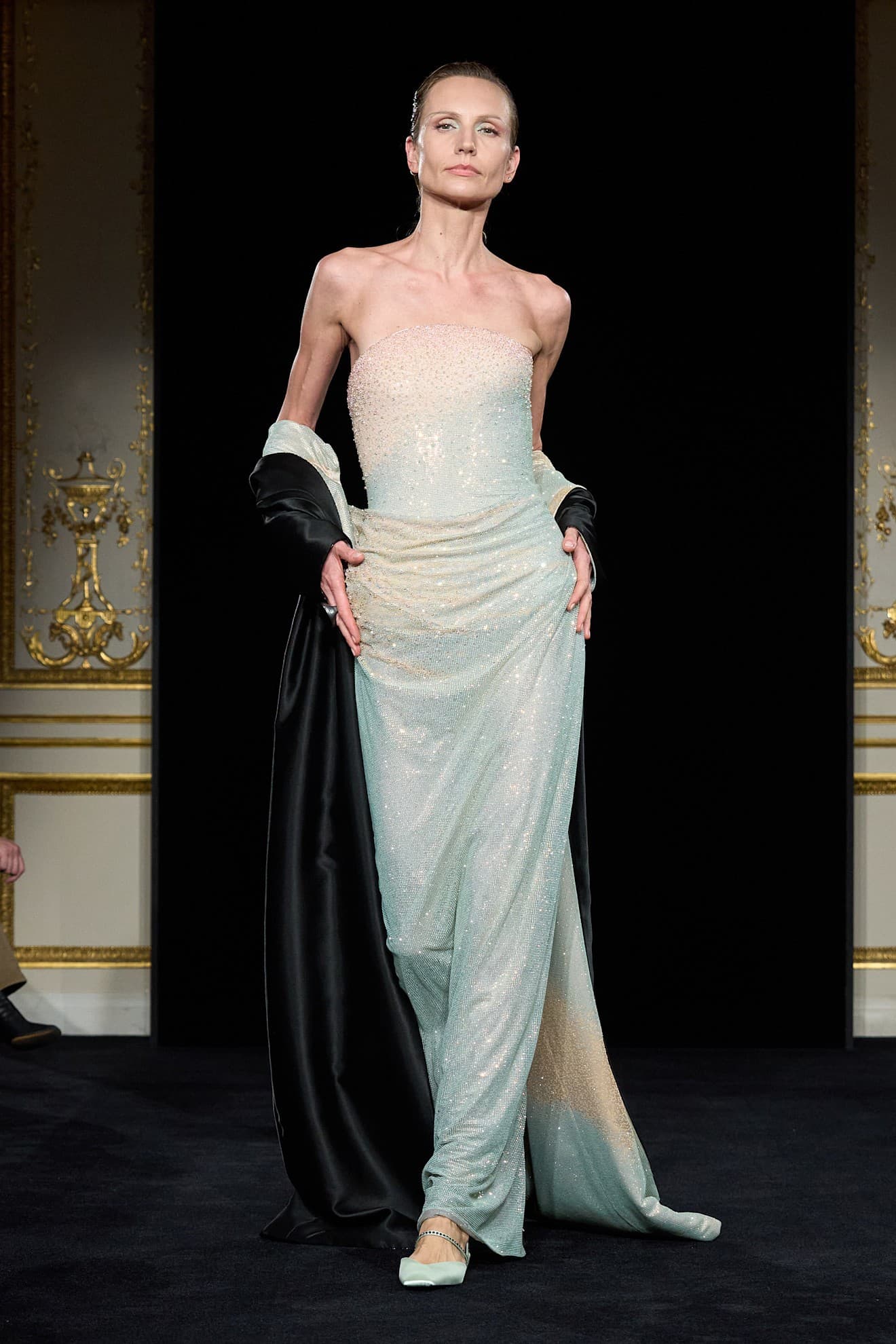 Armani Prive Haute Couture Spring 2026 Launchmetrics
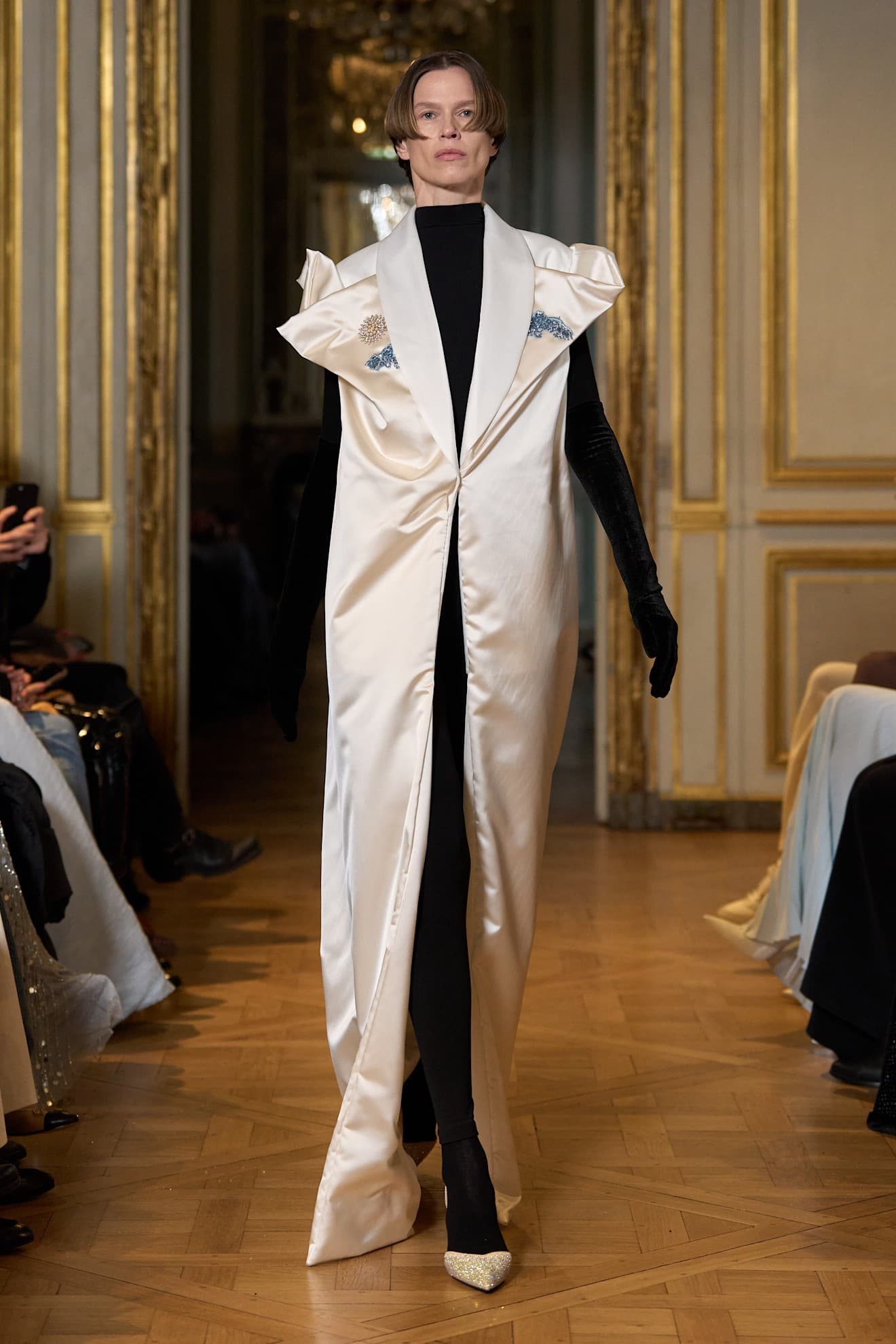 Peet Dullaert Haute Couture Spring 2026 Launchmetrics
Originating in the 19th century, the opera coat was essentially luxurious cloak designed to keep rich folks warm (and stylish) while at the theater. At first, they were designed out of predominantly heavy materials such as velvet but, overtime and as lighter and looser silhouettes became fashion-forward, this shifted. The coats became more draped and started being designed in varying lengths and in varying materials, such as silk, satin, and fur.
In Paris throughout Haute Couture Week, designers made a callback to the style and silhouette with so much history and so much future. In a heavily embroidered strapless gown in a precious sea foam green, a model walked the runway with a black satin opera coat with coordinating green lining slung from her shoulders. On Peet Dullaert's Haute Couture runway, a model walked in a sleeveless opera coat with voluminous shoulders paired with what appeared to be a catsuit that seamlessly transitioned into gloves. It's also important to note that Dullaert's show featured necklaces that appeared like upside down growns—ornate and regal details like this are go-to for this aesthetic.
Both shows turned looks that embodied the operacore aesthetic from head-to-toe.
Shop The Trend:
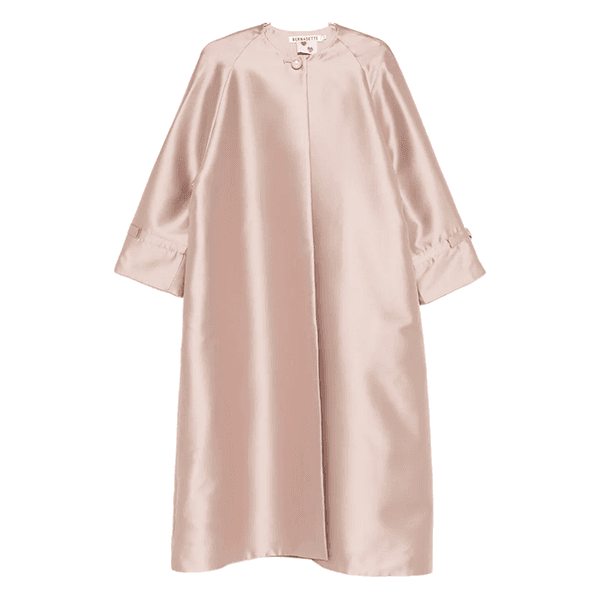
Bernadette David Midi Coat
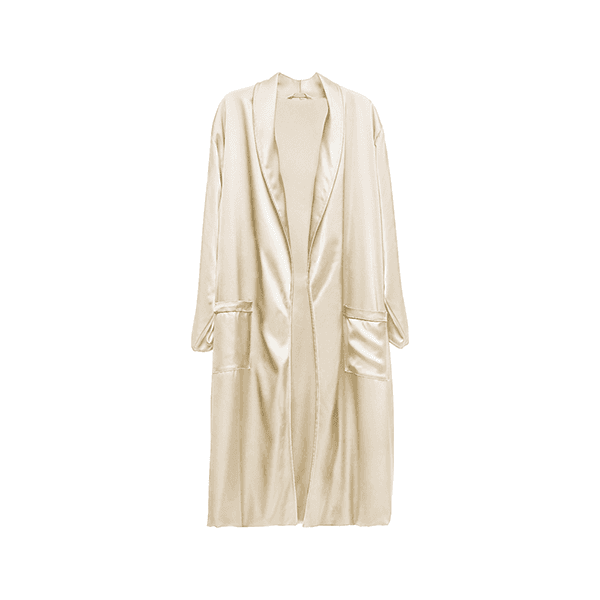
Maison Rogue Margaret Opera Coat
Experiment With Cape Details
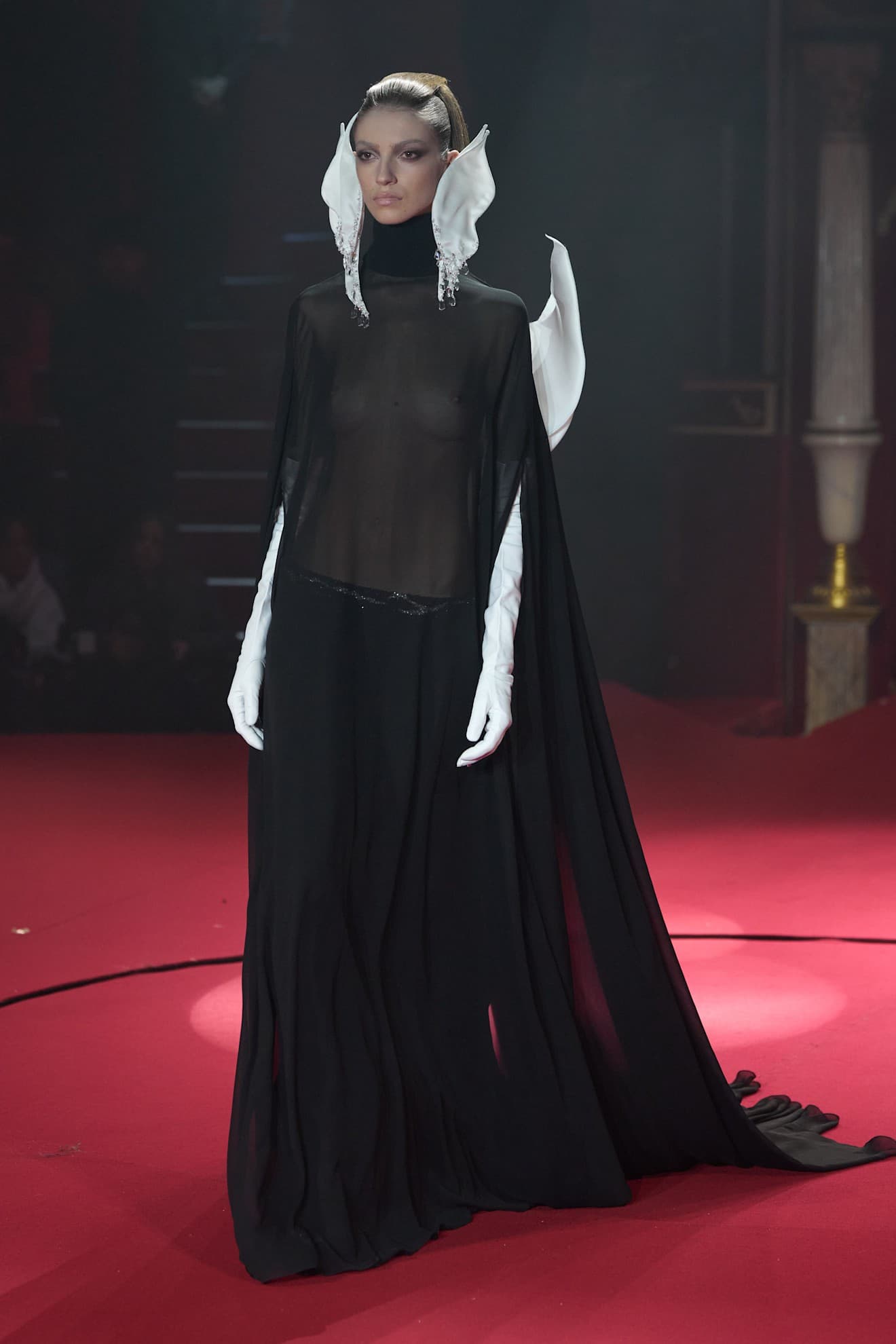 Stéphane Rolland Haute Couture Spring 2026 Launchmetrics
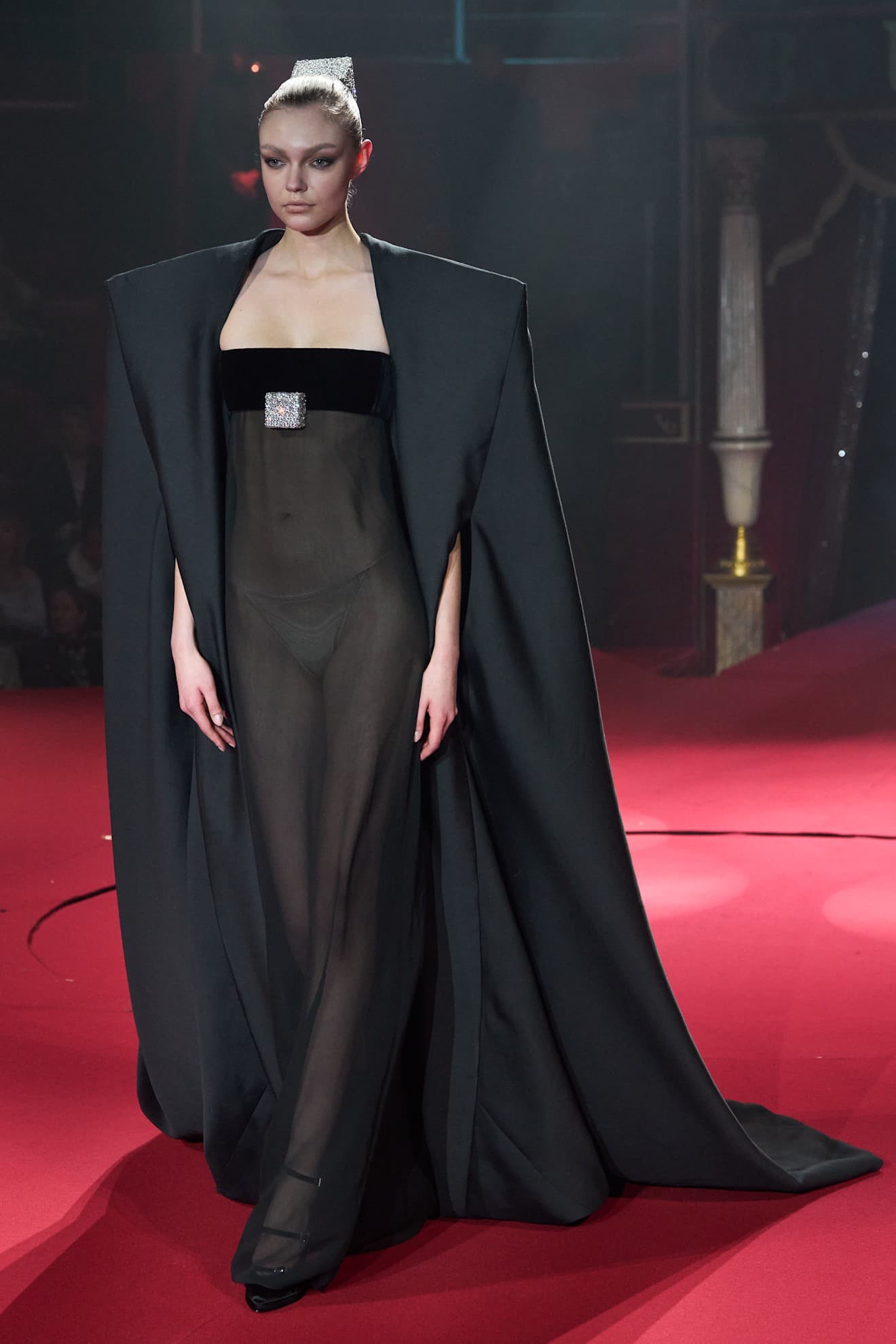 Stéphane Rolland Haute Couture Spring 2026 Launchmetrics
Amongst the upper class in a 19th century Europe, capes, often in luxury fabrics like velvet, silk, and animal furs, were worn to protect expensive evening wear. They, like so many fashion items were at the time and still are now, a symbol of status. As woman tended to wear dresses with dramatic voluminous sleeves, a standard coat just simply wouldn't do.
Today, the cape remains a go-to way of achieving drama through fashion and a staple of high fashion, haute couture in particular. We previously noted that cape details were prominent on Spring/Summer 2026 runways and they remained so throughout Haute Couture Week this year. Stéphane Rolland embraced capes and cape details through coats and dresses with ornate details added on to fully achieve the operacore aesthetic.
Shop The Trend:
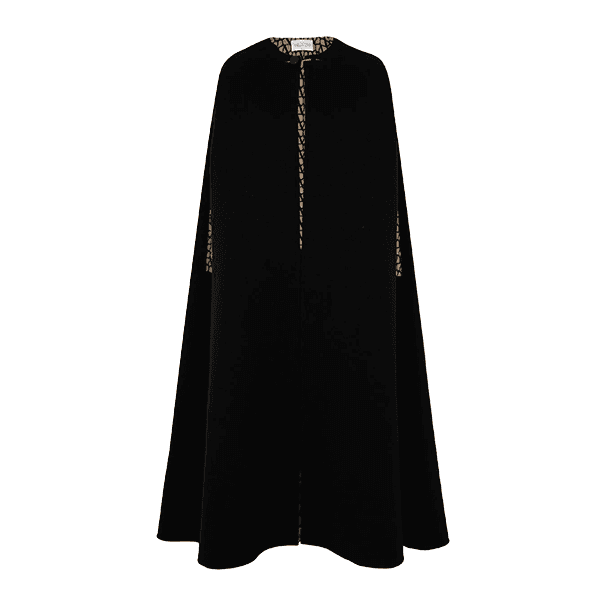
Valentino Garavani Wool & Silk-Blend Cape
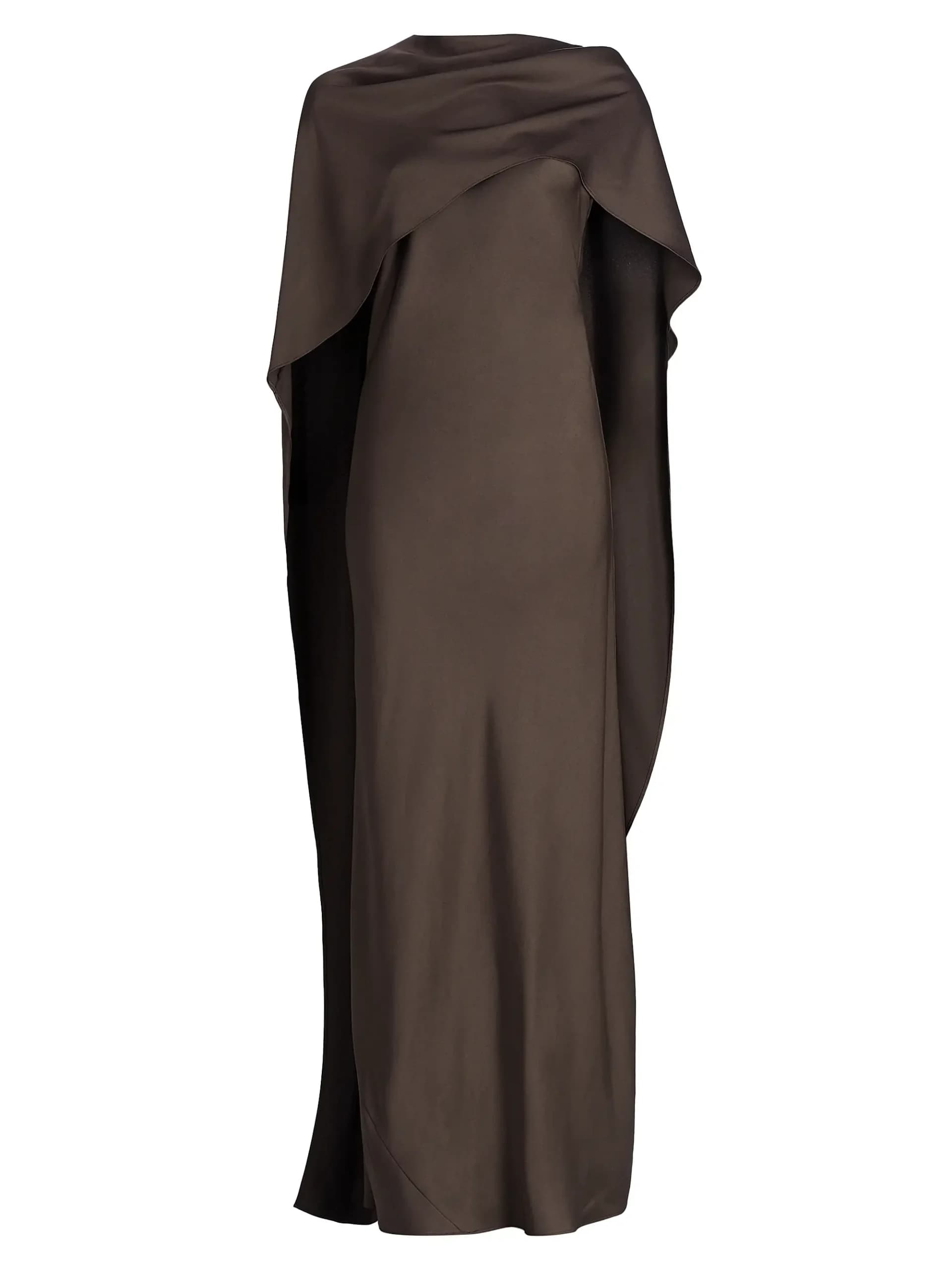
SIMKHAI Izel Cape Gown
Add Volume & Texture
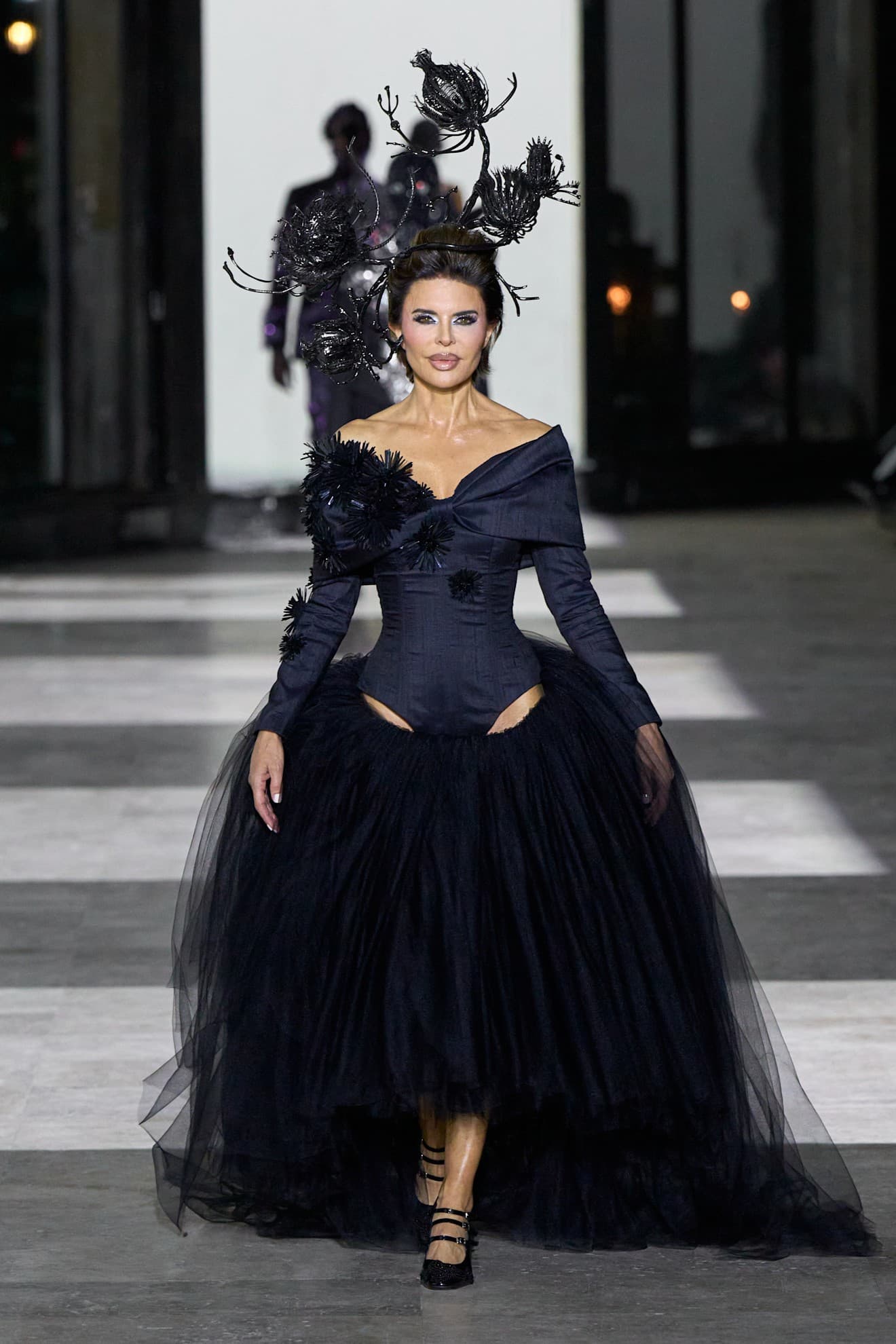 Germanier Haute Couture Spring 2026 Launchmetrics
 Juana Martin Haute Couture Spring 2026 Launchmetrics
 Peet Dullaert Haute Couture Spring 2026 Launchmetrics
As mentioned, operacore is all about the drama—think about the most theatrical way of approaching fashion, and turn it up a notch. With dramatic fashion comes volume, texture, and as many embellishments that you could possibly fit on a singular garment. Historically, the upper class was competing with the talent on stage for who could appear the most extra, so embroidery, shine, and how much space an outfit could physically take up was key. Ornate details and accessories were often added onto already elaborate looks to achieve peak maximalist silhouettes.
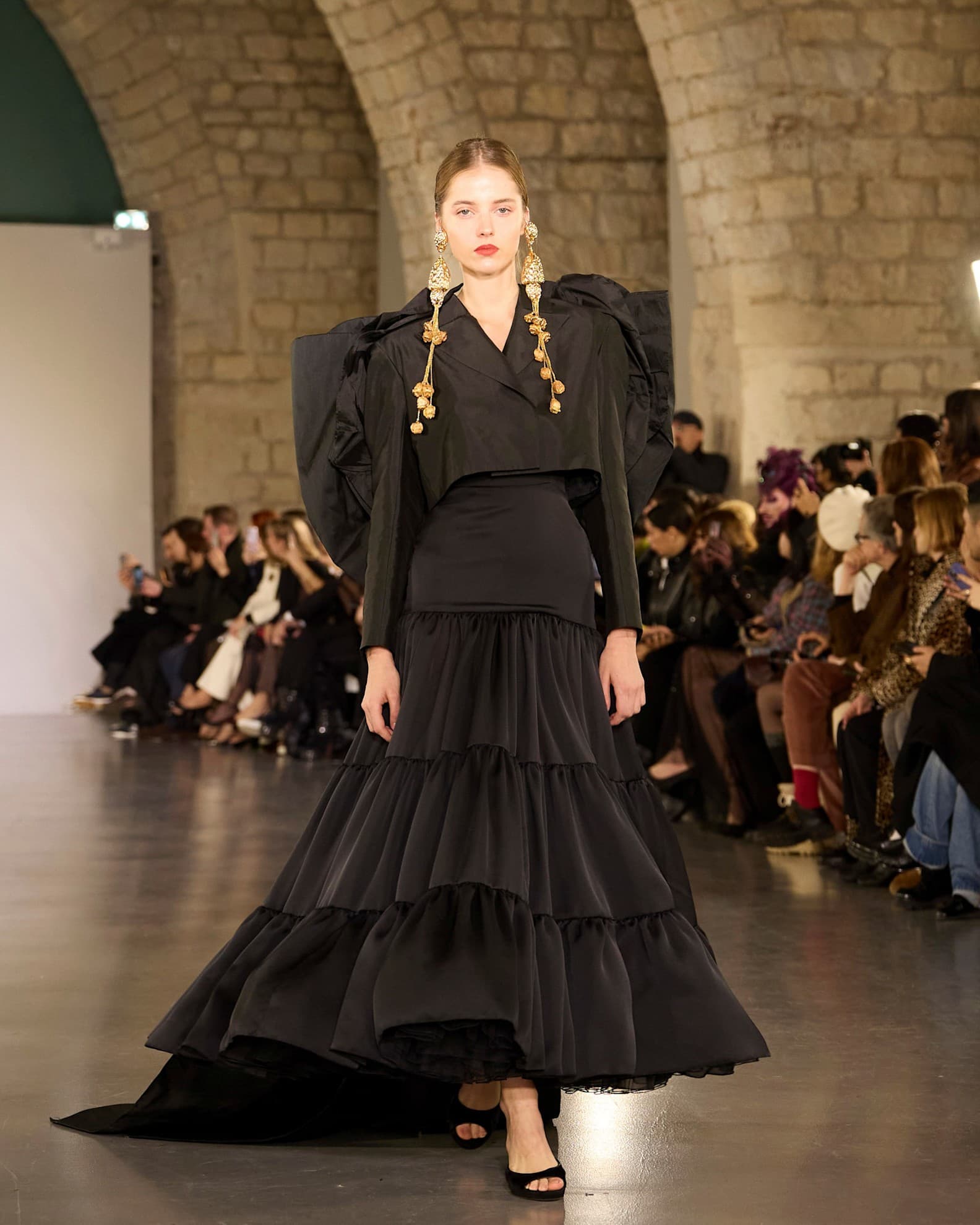
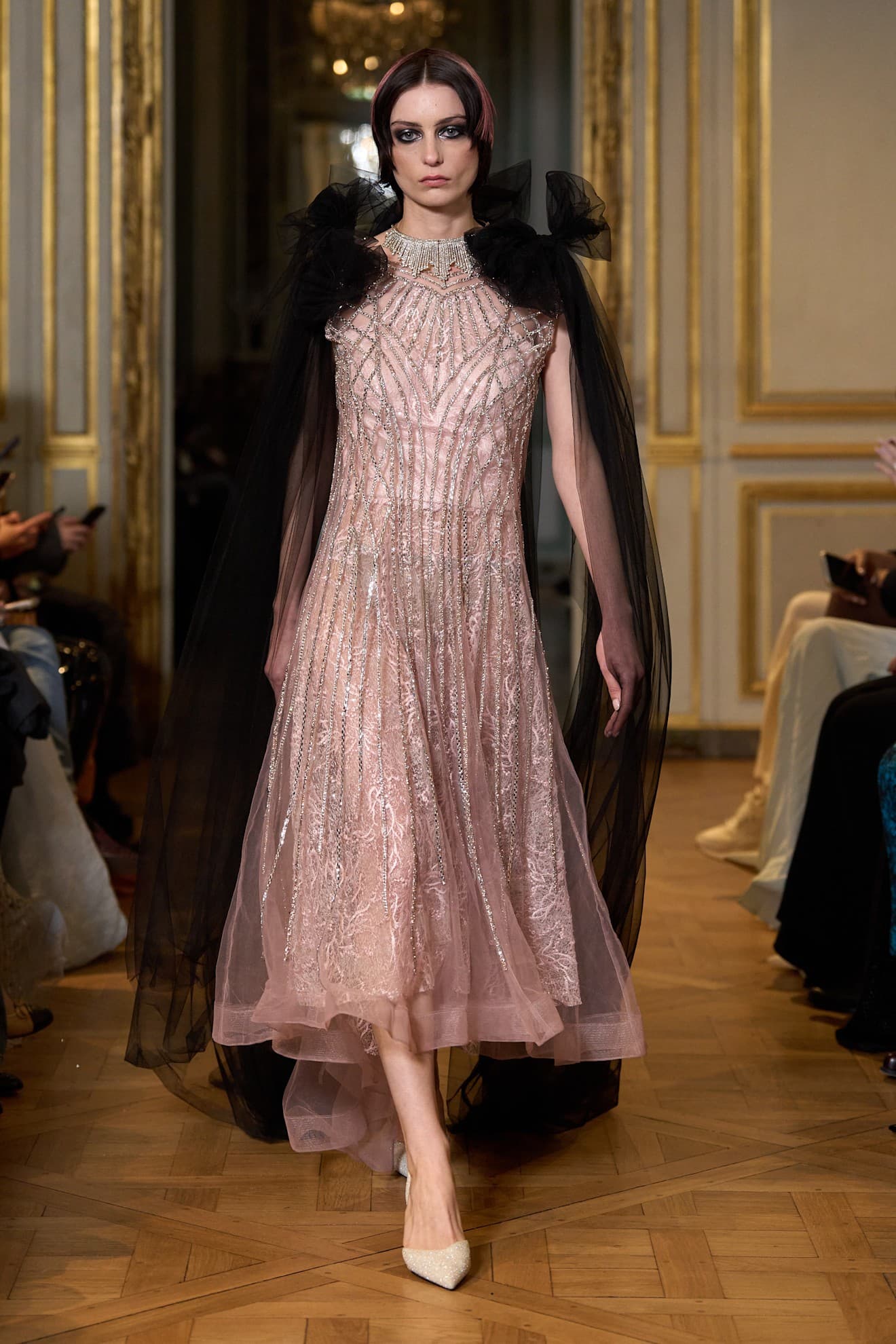
Throughout Haute Couture Week, runways embraced the drama through texture, size, embellishments, and accessories. For Germanier, we saw Lisa Rinna walk the runway in a long sleeved off the shoulder corset with detailed embellishments, and oversized tulle skirt, and a sculptural headpiece. Peet Dullaert continued on an operacore streak with an intricately embroidered gown with a sheer cape overtop. Over at Juana Martin, volume was played with in a more lowkey and approachable way with a tiered skirt and voluminous suit jacket. The look, however, was paired with extra long ornate earrings for that little extra element of drama.
Shop The Trend:
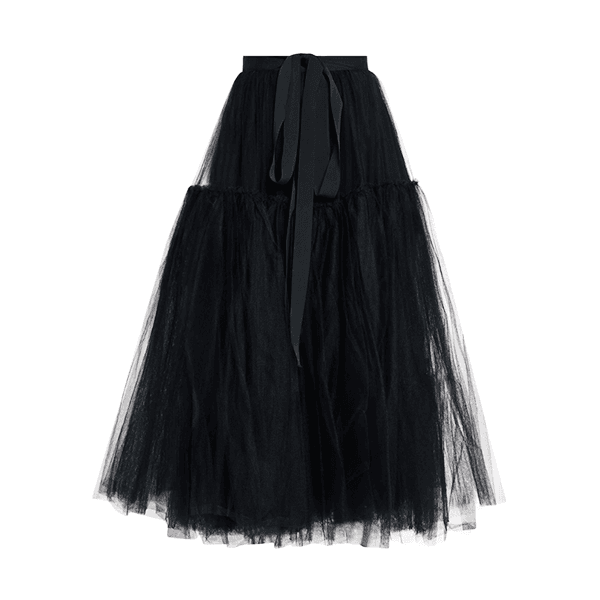
Erdem Tulle Tie-Waist Skirt