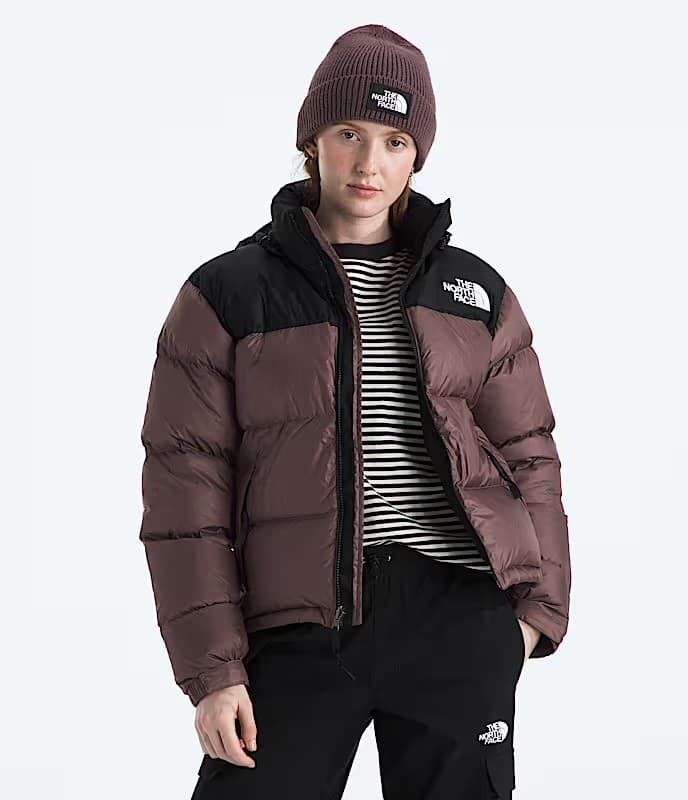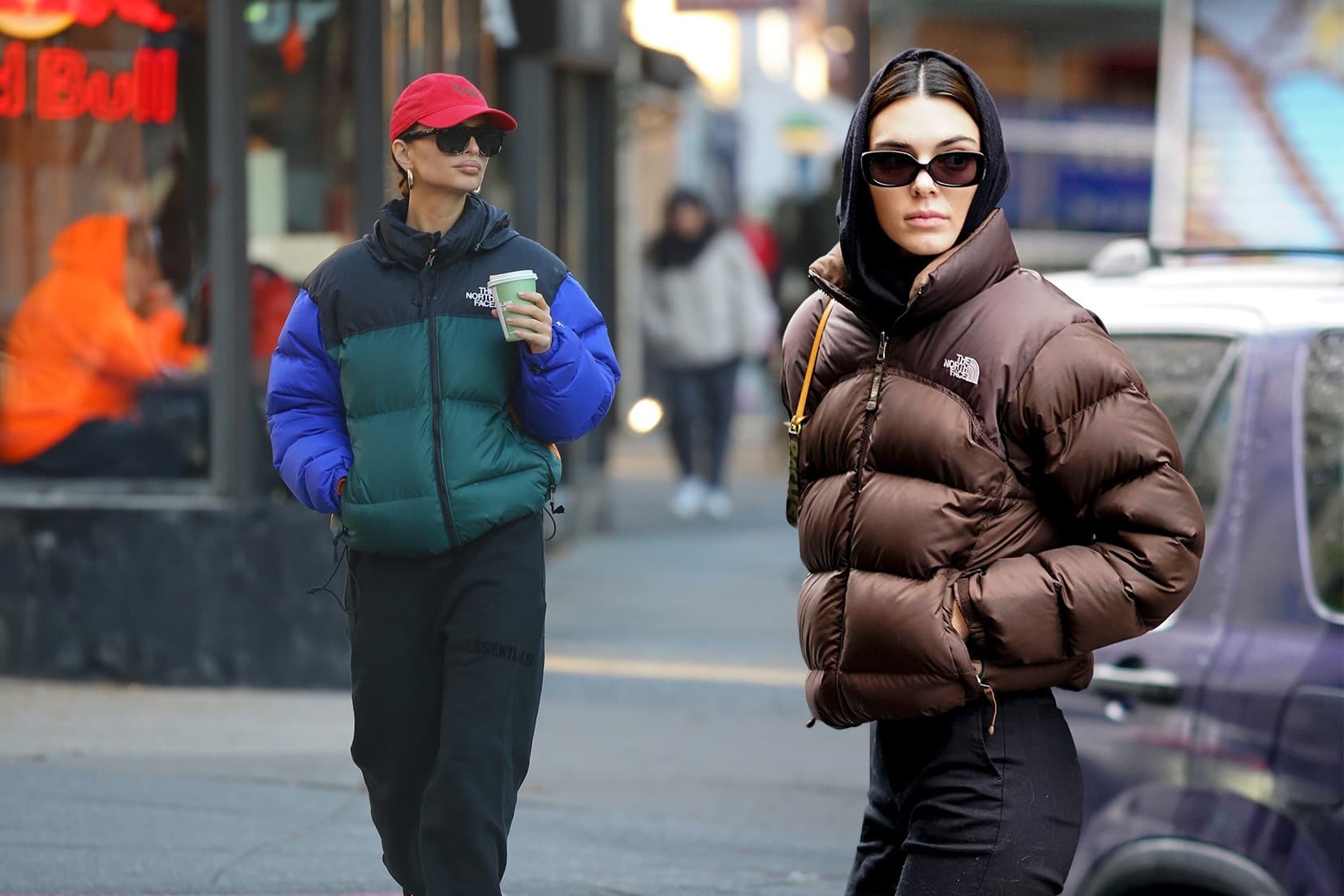
Founded by husband and wife duo Doug and Susie Tompkins in 1966, their shop in San Francisco's North Beach quickly became the go-to for climbers and outdoorsy folks, as well as a meeting hub for those embracing the counterculture movement. These origins were early signifiers of how the North Face brand would grow, both in terms of scale and communities that it reaches—from its humble beginnings, it was drawing in climbers, hippies, and beatniks alike and today, the brand in general but their iconic puffer jacket in particular, are an it-girl favorite. So, how exactly did we get here? What is this unexplored climber to it-girl pipeline?
We've reached a point in fashion where functionality is trendy—the North Face puffer is warm and suitable for the coldest temperatures. While sometimes we might want to go full on winter bimbo and bare our legs despite the frigid weather, there are days where a desperation for warmth trumps all and, partially thanks to the rise of the gorpcore aesthetic, this reality is fashionable. Gorpcore prioritizes functionality above everything and is characterized by outdoorsy, hiking, and camping inspired pieces—think windbreakers, cargo pants, and hiking shoes. Now think of all of those paired with a North Face Nupste puffer.
Purely Functional Origins
 Christopher Peterson/Shutterstock
The Nupste is named after the 23rd highest mountain peak on earth. Based off of that tidbit of information alone, it's fair to assume that the design was born out of a functional need—the jacket hit the market in 1992 and was targeted towards mountain climbers. It debuted in various vibrant colors with a darker top panel. The vibrant colors were intended to increase safety and visibility when climbers were against snowy backdrops, while the dark top panel was an extra durable tear-resistant material.
A Significant Role In Hip-Hop & New York City
 AbacaPress/Shutterstock
It wasn't long before the puffer was commonly worn by hip-hop stars and graffiti artists who were drawn to the bold color offerings and intricate patterns and designs. East Coast rappers adopted the style as a sort of uniform and certified the Nupste puffer as a New York City staple, akin to yellow taxis, hot dogs, and pigeons—it was something for New Yorkers to own, a sort of signifier of their beloved city. And, in a tale as old as time, pop culture influenced the masses and the puffer became one of the most highly coveted items for New York City youth. While the brand was targeted towards those who face the unpredictability and harshness of the outdoors, Black New Yorkers found a way to embrace the North Face puffer and style it for an urban climate. This is all to say that the North Face puffer was popularized by Black New Yorkers. And this makes my next point particularly interesting.
An It-Girl & It-Boy Staple
 DESI / BACKGRID
 Fernando Ramales / BACKGRID
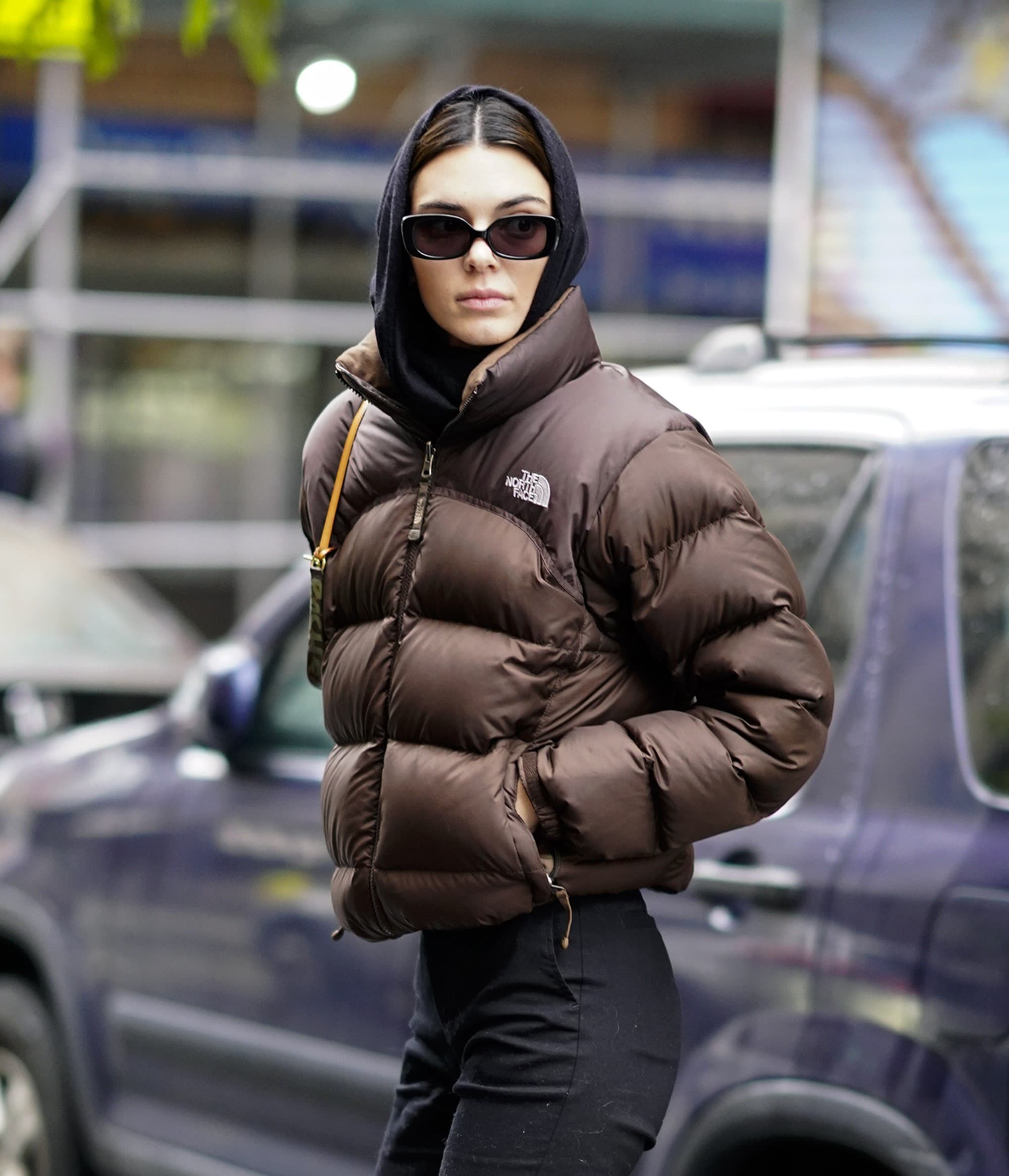
Let's face it: everything is inspired by Black culture. So it's not surprising that the Nupste puffer, a style popularized by Black New Yorkers, made its way into the wardrobes of Kendall Jenner, Hailey Bieber, Ariana Grande, Bella Hadid, Emily Ratajkowski, and Miley Cyrus—especially unsurprising considering the brand's collaborations with Gucci, Supreme, Dover Street Market, Cecile Bahnsen and more. These collabs rebranded North Face as a whole, which was once considered accessible, practical, and constructed for those with a sensibility for the outdoors, as high-end designer.
 TheCelebrityFinder/Shutterstock
 Jackson Lee/Shutterstock
The puffer is also beloved by who I like to refer to as New York City it-boys: Adam Sandler (without argument a fashion icon in his own right) and Ben Stiller (a NYC treasure), which makes sense considering both are known for their practical dressing—which is exactly the need that North Face sought to fill.
 BACKGRID
 Rick Davis/Shutterstock
Shop The Trend:
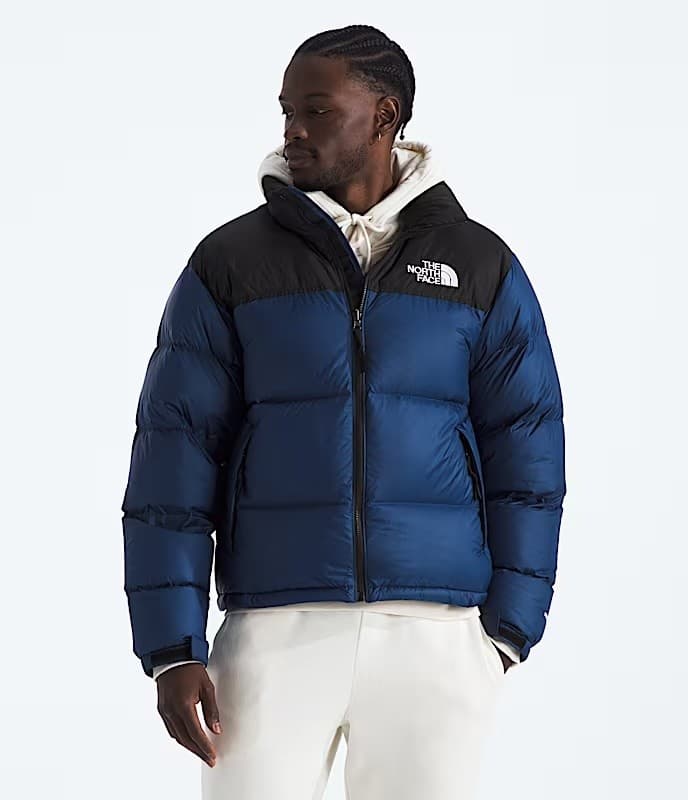
North Face Men's 1996 Retro Nupste Jacket