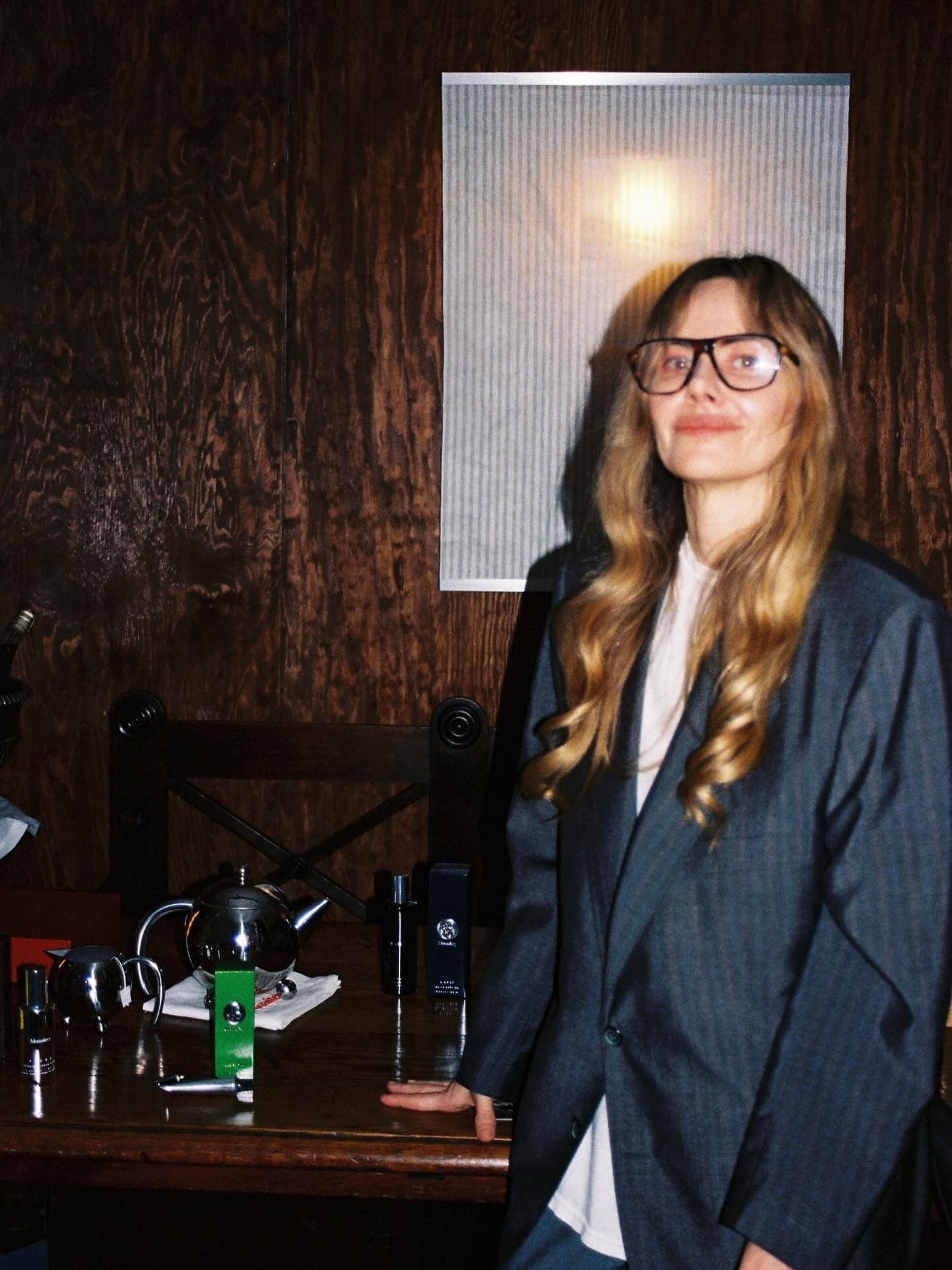
What do Sofia Coppola, Chloë Sevigny, Greta Lee, and Kirsten Dunst all have in common? Other than being incredibly successful women in the arts, they all call on master esthetician Athena Hewett when they want glowing skin. Hewett's brand, Monastery, is an all-natural skincare brand inspired by her "kitchen-witchy" childhood summers spent in Greece, full of fragrant toners and rich oils formulated and blended in-house. Hewett uses them in the treatment room of New York’s iconic The Hotel Chelsea, where she serves as the resident esthetician, and backstage during fashion month to prep models’ skin before they walk the runways of Khaite, Kallmeyer, and Victoria Beckham.
Despite this all, Hewett and her dreamy skincare brand have somehow managed to fly under the radar. That’s not an accident. Instead of relying on social media to self-promote, Hewett prefers to reach new clients through word of mouth; from one chic woman to another. Or more specifically, one chic, acne-prone woman to another.
After working nearly a decade in aesthetics, Hewett unexpectedly developed stage three acne and—despite having access to the highest quality skincare brands—couldn’t bring her skin back to equilibrium. Disillusioned with the beauty industry’s ingredients and products, she went cold turkey on all the skincare she was using and started formulating her own products. The result? Glassy, healthy, radiant skin. After spending years testing and refining her formulas, Hewett eventually launched Monastery and has quietly kept growing from there, from her residency at Hotel Chelsea to the Skin Sanctuary pop-up she just did in Paris in partnership with Semaine.
Ahead, we spoke with Hewett to learn more about her background, her skincare secrets, and how being authentic is the coolest thing you can do.
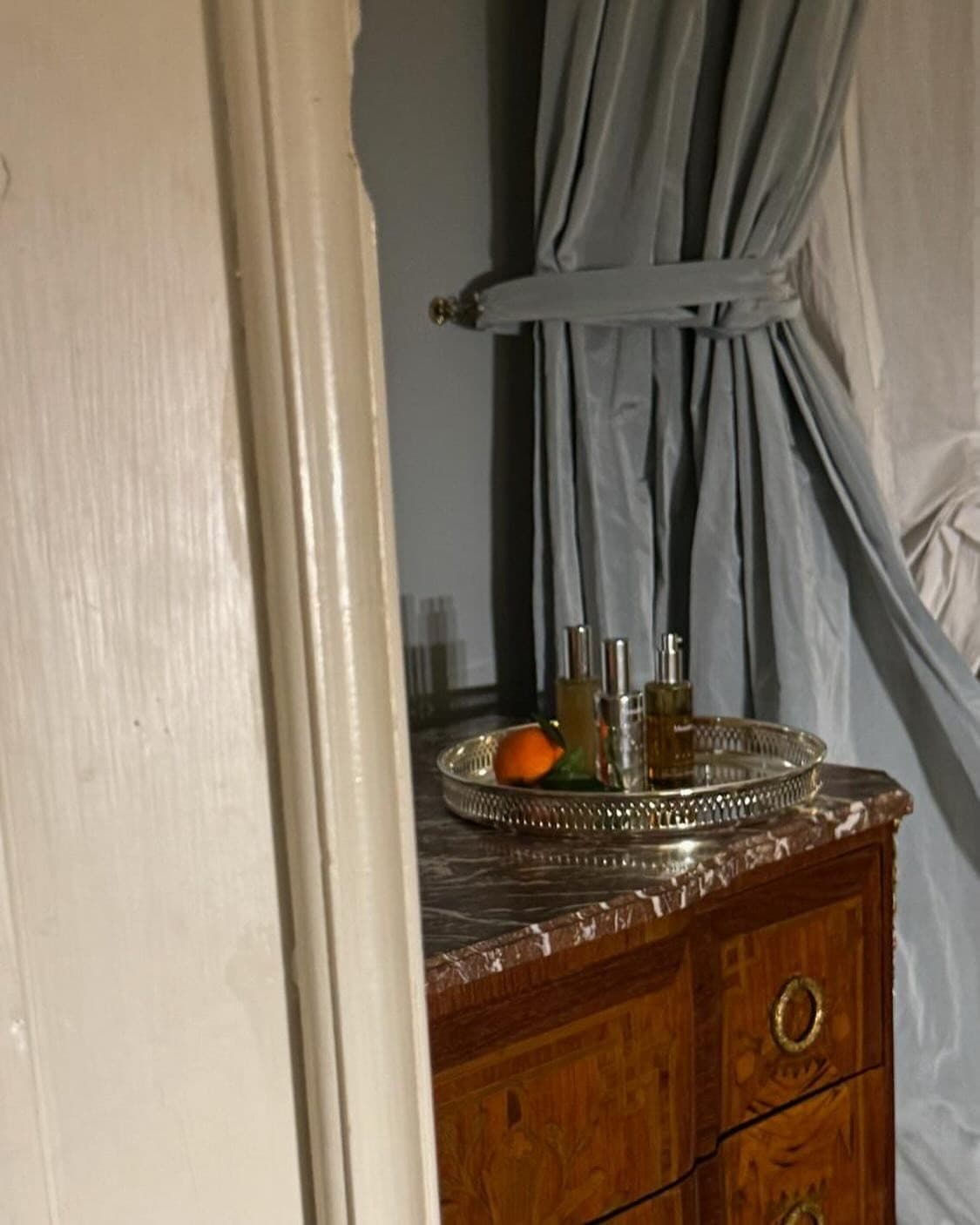
Tell me about your earliest skincare memory.
Athena Hewett: “My mom and I would go out nearly every summer back to Greece to see my Yiayia and Papou. My Yiayia and her six sisters were all very incredible chefs—especially my Yiayia. I feel like I learned a lot from them and I didn’t realize how much of an effect it would have on me until I got older. I kept the bottles we used to bring to monasteries to collect holy water; I think I still have a box of them sitting in my house somewhere. I was just so into the witchy, craftiness of it all and the little weird bottles."
How did you turn that into a career in skin?
AH: "I went into esthetics not really thinking about becoming an esthetician, but still wanting to be a part of that witchy world [I grew up with]. I ended up doing a CIDESCO program, which requires students to write a thesis to move on from the course. I wrote about essential oils, and the effects they have on the skin and the mind. I dug into that part a lot and wrote about all the different terpenes and how much limonene different essential oils contain; mostly did that so I could just lengthen my thesis.
After that, I took the first job I could out of the course, which was a medspa. I worked there for nearly 10 years. I was the lead esthetician, the spa director, and I really learned a lot. We were using the pharmaceutical brands of the early aughts. I don’t want to name drop any brands, but they were the highest quality brands you could expect to see in a medical space.
Then, I started to develop stage three, stage four acne. It made me look at ingredients again, like when I was writing my CIDESCO thesis. I started to really compare the ingredients between the brands in our space, and I noticed that they nearly all looked exactly the same. Like, across six brands, maybe one ingredient would be different? It made me wonder why our medspa was even selling all these different products if they’re all basically the same.
I also found that so many of the surfactants and preservatives in my skincare were also ingredients that I was finding in my household products. I couldn’t imagine putting household products on my skin, and yet here I was doing it, and telling my clients to do it too. So, I became pretty nervous and I went on a full cleanse. I didn’t use any products; not even the water that came out of my showerhead. Literally no water touched my face.
What happened next?
AH: "In about six weeks, my face went from stage three, borderline stage four acne, to no active acne. The whole thing just made me feel jaded about the skincare industry, and it was the first time that I had thought about leaving it completely. I wasn’t sure what my next move was going to be and I was trying to find inspiration when I decided to go through some of my old stuff, and came across my thesis again. It made me remember that this was really my first, true love that got me into aesthetics. I started to think maybe I should try formulating again.”
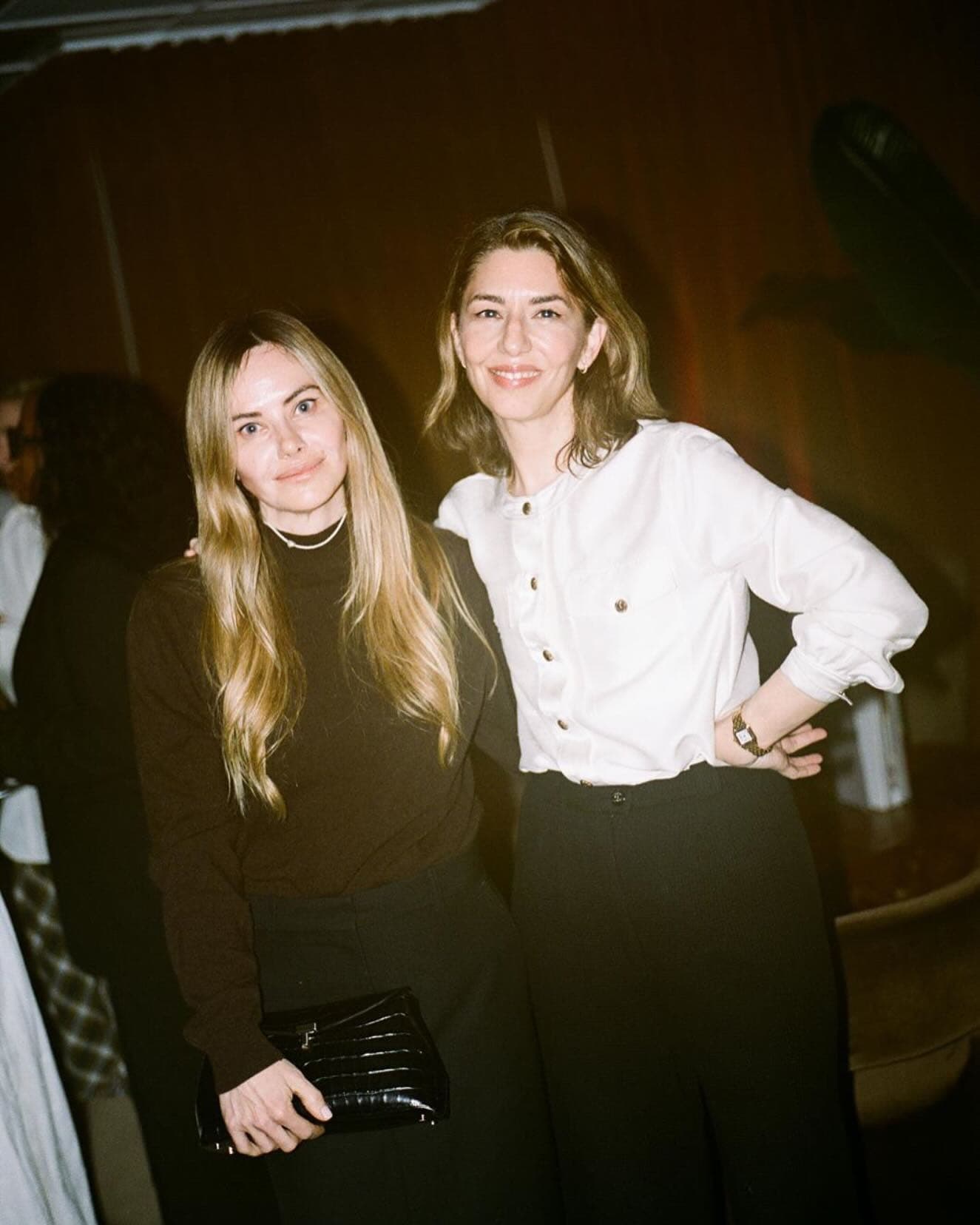
What was the first Monastery product you ever made?
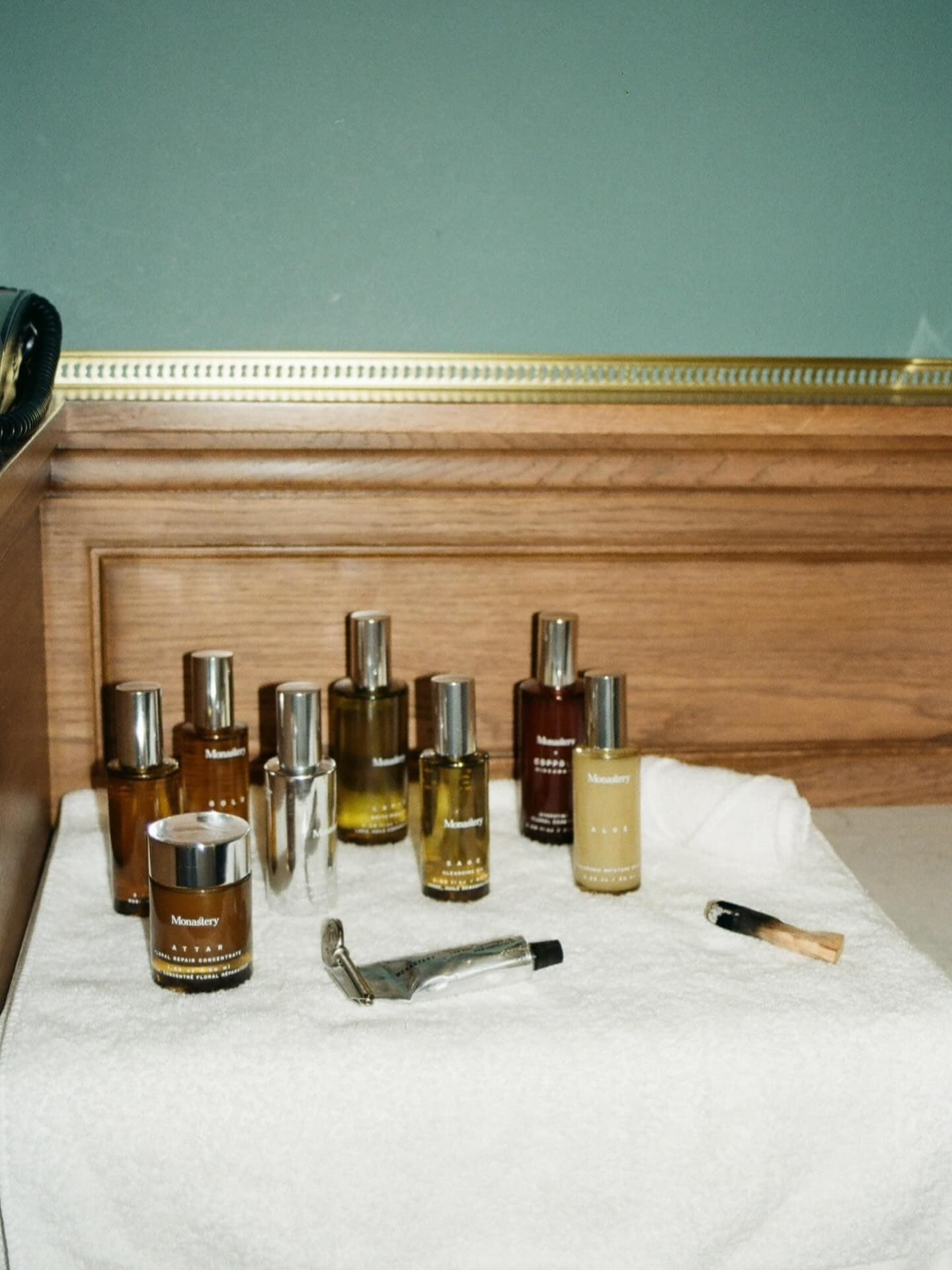
AH: “The first product I made was on a day where I specifically had to put sunblock on my face. It was one of those rare, 95-degree days in San Francisco. I remember using the SkinCeuticals UV Physical Defense, thinking, ‘This might be clean enough, but how do I remove it?’ I didn’t trust any of the cleansers I had. I was worried they were going to tamper with the good bacteria of my microbiome. So I made a large molecule cleansing oil; that first product was an iteration of what is now the Rose Cleansing Oil. Then, I ended up making the [Monastery] Gold, to treat the pigmentation and scarring that I had from the acne. Those were my first two products.
Around the same time, I also ended up getting a perfume certification. I was feverishly studying formulation and perfumery. I think a lot of people usually go towards herbalism, but I found that herbalism doesn’t really get you very far in creating a beautiful product; you have to know how to make an accord. As an esthetician who gives a luxury-type facial with a medical component, I was always concerned about creating a beautiful experience for myself and my clients, while making sure there wasn’t much limonene or linalool.
About a year after making Monastery Rose and Gold, the owner of the medspa I worked for gave me their blessing to open up a small space down the street.
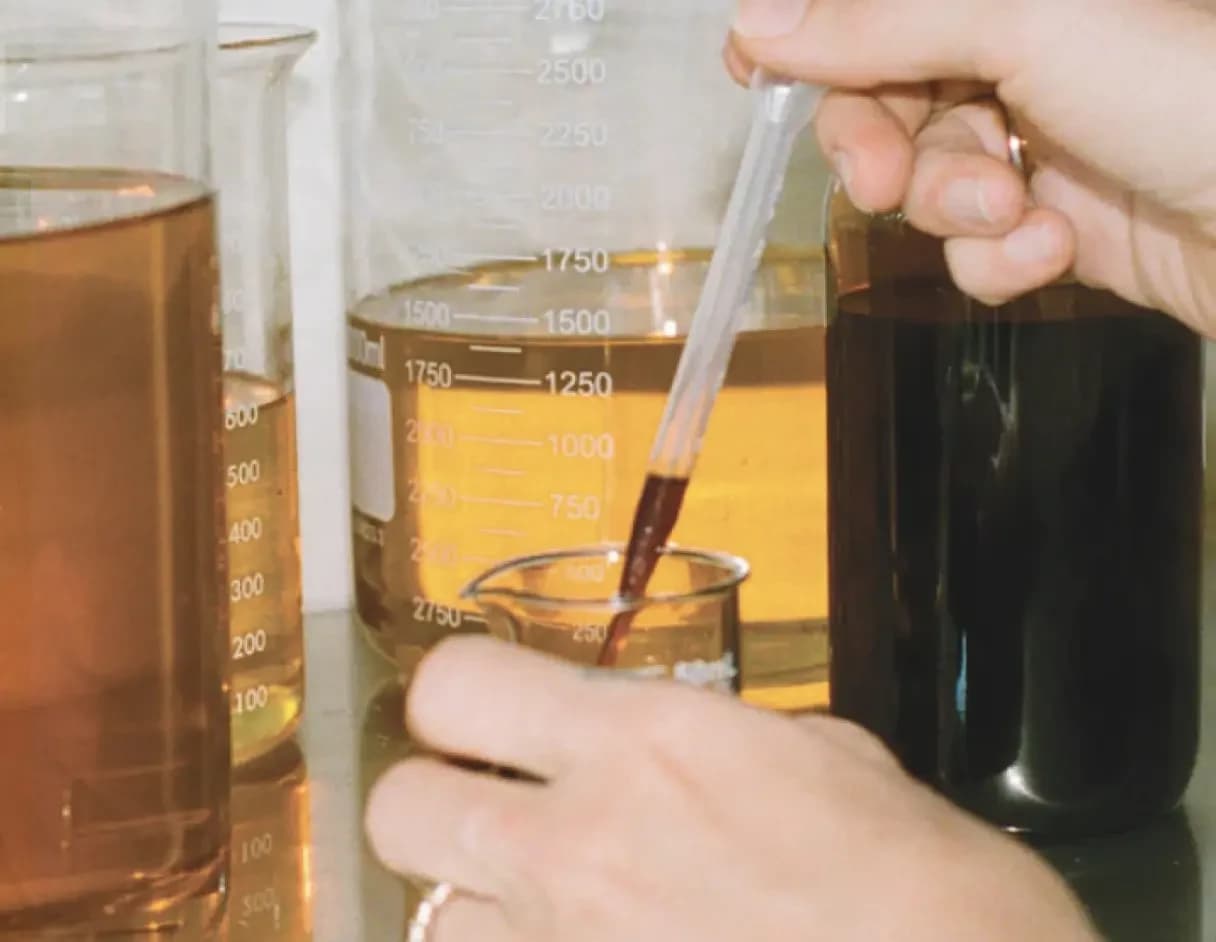
I took my clients and my potions; I didn’t tell anyone I was making my own products. I realized that was helpful because I was getting tons of unsolicited feedback on what the real winners were. I was making hundreds of variations of products, pouring maybe two or three test batches per night, and I ended up launching the six winners based off the feedback I was getting from clients. I had a solid five to six years of refining my products in a spa setting before launching Monastery.
Acne seems like a pretty central aspect of Monastery's origin. What would your advice be for acne-prone people who don't want to cut out their entire routine?
AH: “This might sound a bit wild or counterintuitive but adding a little bit of oil into their routine. That can easily be done by adding the Rose Cleansing Oil in as either the first cleanse, a solo cleanse, or even literally mixing it into their current cleanser. I have found that nearly 100% of the time if someone is having an issue with acne, their skin is overdried and overactivated. The neutrality with added nourishment and support helps everyone.”
What Monastery product would you recommend everyone try?
AH: “The Rose Cleansing Oil. This is the first product that I ever formulated and it single-handedly cured my stage three acne. It’s my desert island product. Remember to use equal amounts of the cleansing oil to the weight of what is sitting upon your face. Our cleansing oil removes physically, rather than chemically.”
Which product is Monastery's sleeper hit?
AH: “Our retinol, Rei, is one that I think doesn’t get enough credit. There are a lot of retinols on the market but ours is exceptional. Not only is it potent but it’s extremely hydrating. Whenever I fall out of my normal routine and get back to using Rei consistently, I'm surprised by how effective it is. My skin looks brighter and hydrated immediately.”
 Monastery
Monastery’s vibe is very cool and luxe, but also lowkey and under the radar. How did you strike that balance?
AH: “The whole team at Monastery is made up of fashion girls; we’re all very design-oriented. Our ideas were based off what we were noticing in the world around us and how we could channel that into making our brand distinguishable. It’s why we chose brightly colored box packaging, as opposed to the white product boxes we saw everywhere. I’ve noticed a recent shift with brands embracing more color in their packaging, and I think we were definitely ahead of the curve. Before, there was the green Bottega box, but most brands were sticking with just white.”
I’m hearing scrappy, but I’m also hearing that you were influenced by things that feel aligned with you and your team’s aesthetic sense. Was it scary to try something different and go against the crowd?
AH: “I was nervous about doing the boxes in colors, to be completely honest. I knew it looked cool, but there were many spa accounts that we couldn’t get because our colorful boxes didn’t fit into the spa’s neutral aesthetic. But my dear friend, who is an amazing designer and long-time Monastery collaborator, is someone who I think has better taste than I do and she believed in it. I think it’s important to surround yourself with people ahead of the curve and smarter than you.”
It sounds like you’ve got a really great team.
AH: “That is definitely a big part of Monastery’s success. We have superstars. There are people who I would never have been able to afford who did things pro bono for us, I think because they were rooting for the…handcrafted girl? Seriously! They would tell me they were tired of everything being so manufactured.”
I saw that you did the Khaite show and that you’re also the Chelsea Hotel’s resident esthetician. Can you talk a little bit about navigating that path towards those places and how it feels to work in those spaces?
AH: “I think it goes back to what I was saying about not having the capital for a traditional marketing strategy. Positioning ourselves with indie-cool, out-of-reach brands is really the way for us to stay exclusive. And all those things just happened really organically for us. It just seemed like a great fit.”
 @heleneskytte
How do you tell when something feels right for you or not?
AH: “A girl I knew got a position at The Hotel Chelsea and said, ‘I just heard a rumor that the wife of the owner of the Chelsea is a huge Monastery fan.’ So, I went to this woman and asked if we could please bring Monastery. And then I met the Chelsea’s spa director, Alexis, to train with. She’s always on the pulse. I think maybe three minutes into meeting her, she asked me, point blank, ‘Would you ever consider doing a residency with us?’ She’s so bold and I respect that so much, and there’s something she can just see right away.
With Khaite, the founder was already interested in our brand when they approached us. It felt very, like, ‘whoa, that’s a big brand!’ We still felt so indie, while Khaite had taken their indie brand and turned it into a major fashion house that still had an indie edge to it. We loved the brand; we loved the clothing and a lot of our customers did. It felt very aligned there.”
It seems like there’s a lot of artistic resonance happening with these projects. The vibes feel right.
AH: “Oh, yeah. I’m sure there’s data strategists or analysts out there who wouldn’t like the way I make decisions, but my core team and I are making decisions based on whether we like it or not. I think we have pretty high-level tastes, so if it’s something that we feel like we want to do, there’s a good chance it’ll keep us exclusive and aspirational.”
 @monasterymade
What is your favorite part of your job?
AH: “I love creating beautiful things. And I get to do it with the best people.”
What is your current AM and PM skincare routine?
AH: “For AM, I start with our serum launching this year. After that, press Monastery Gold into my face. I let that set for a little while before a veil of Attar to finish. SPF—sometimes I like to mix my SPF with Attar at the end. I’ve been loving Light Saver from Dr. Kim. On a very ambitious day or when my skin looks its best, I will make sure to start with our LED mask for 10 minutes on my clean skin.
For PM, I use Rose to cleanse off my makeup, SPF, and grime from the day. I follow-up with our retinol, Rei. The last step is sealing it all in with Attar. These three products ensure I wake up with hydrated and bright skin in the morning.”
What are some dream brand collaborations?
AH: “We’ve only done one collaboration so far and it’s been with The Coppola Hotels in Belize. The product turned out beautiful.”