My mother had my ears pierced when I was three months old. With age, I have begun to think more about what this means. For the entirety of my infancy and childhood, my mother put me in studs—never, ever hoops. To this day she tries to sway my hoop earrings or bust mindset, but I won't budge. For reasons that I've never fully known the extent of or understood, hoops make me feel connected to my Blackness.
My mother grew up in West Africa as a person who, for the most part, appears white. This is to say that her sense of belonging is different from mine. She has never existed as a Black person in America—half English and half Ghanaian, she was even rejected as a Black person in Africa. From an outside perspective, it seems like she arrived in the United States and felt a comfort in blending in that can't really be argued with or judged. The thing, though, is that this experience inevitably comes with an internalized racism that I believe naturally occurs in some shape or form in those not presenting as Black in a racist world. And yes, this even relates and manifests itself in a rejection of something seemingly as simple as hoop earrings.
 HA/Cinema Publishers/The Hollywood/Shutterstock
The true, singular origins of hoop earrings is slightly ambiguous, and extends across many cultures and timeframes.Sumerians created hoops in Mesopotamia in 2600-2500 BCE and Ancient Egyptians, Ancient Romans, and the Minoans in Ancient Greece created and wore the style as well. Representations of Hindu deities and many Indigenous cultures in South America wearing hoop-like styles makes it clear that the style belongs to no one group of people. "Hoops can be made using the relatively simple forging techniques—shaping metals with a hammer and heat—so it is not surprising that they appeared more or less simultaneously in all corners of the world," Dr. Lauren Beltrán-Rubio, senior researches and managing editor of The Fashion and Race Database, says.
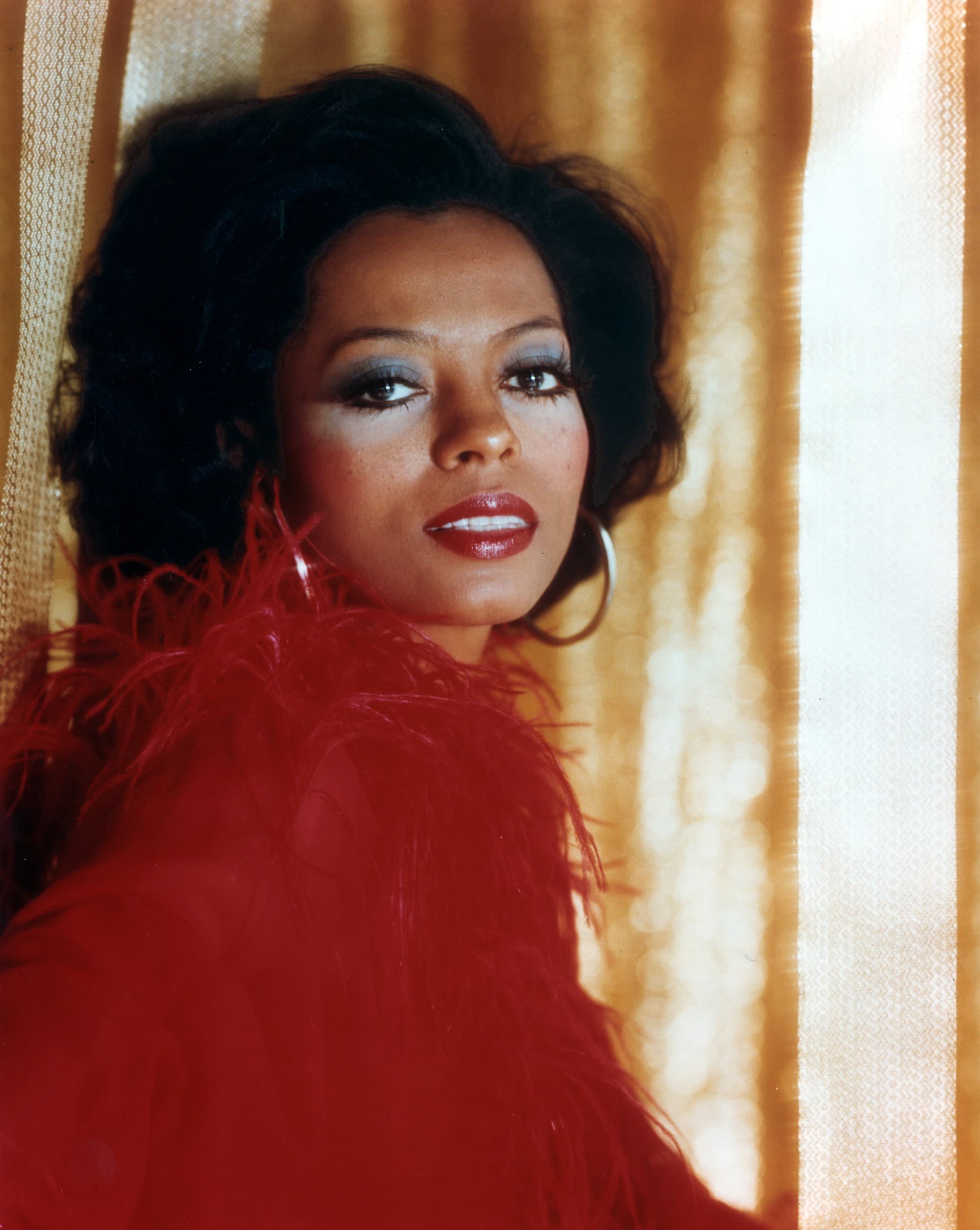
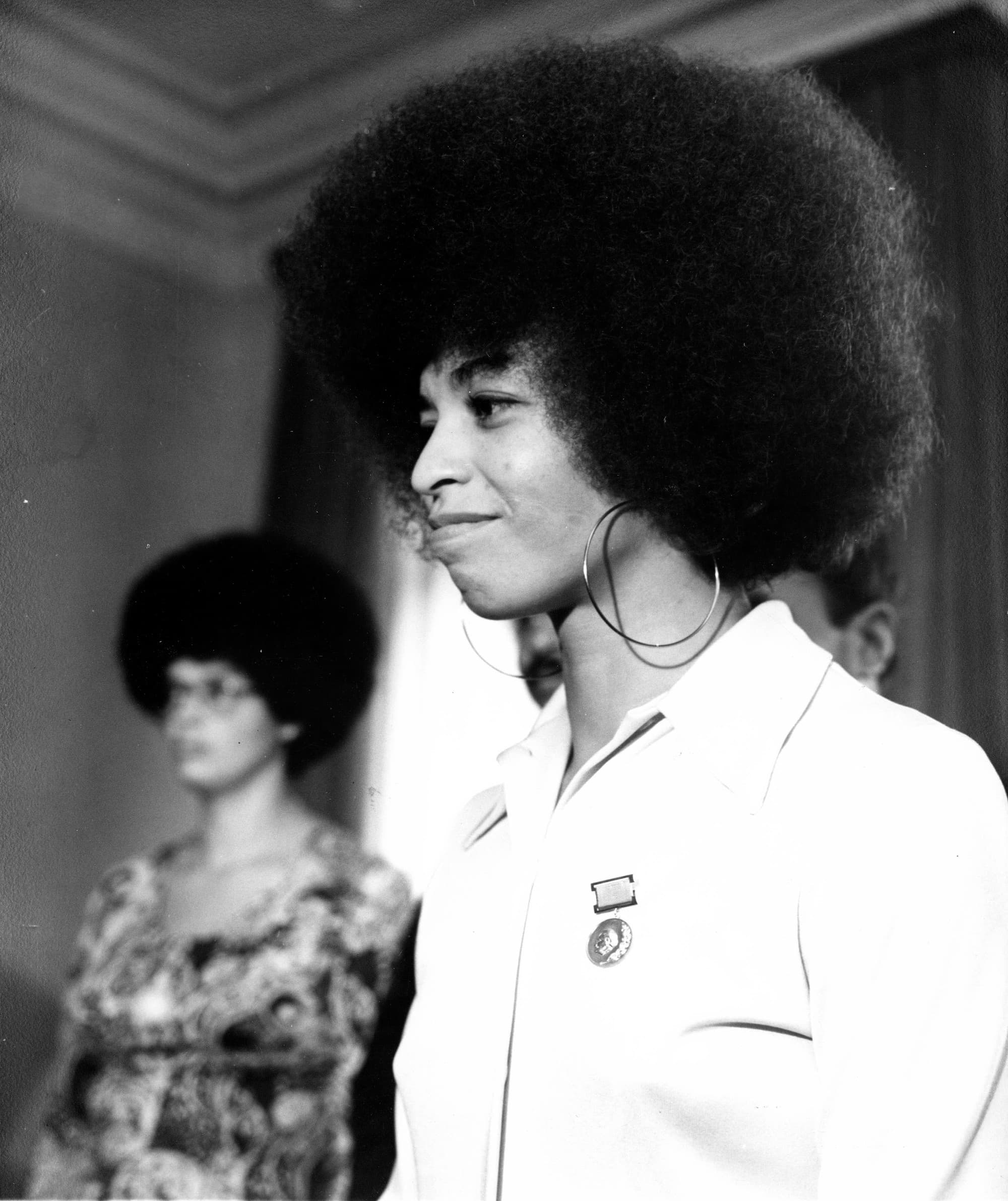
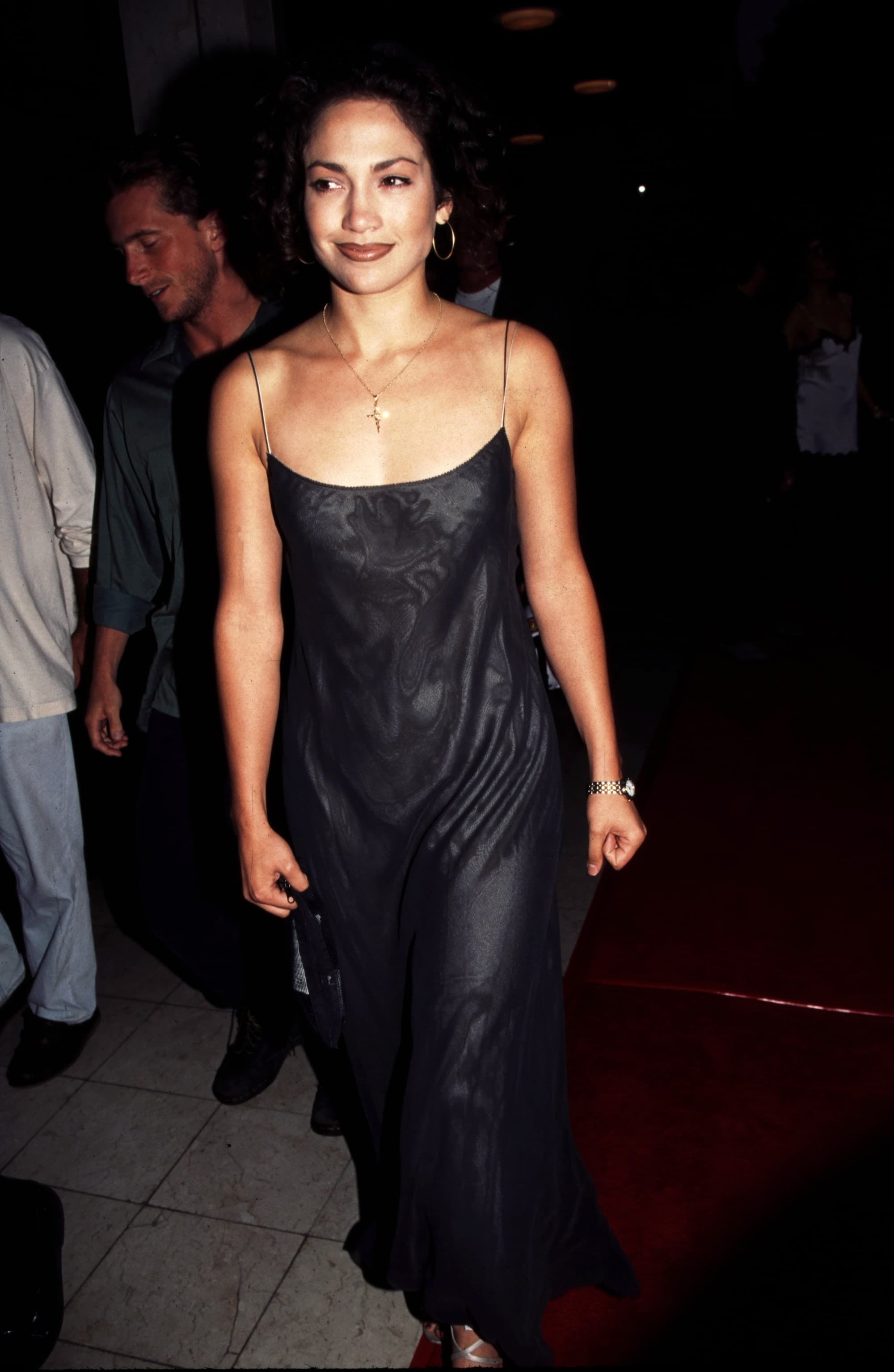
In the United States, hoop earrings surged as a staple in Black and Brown communities in the 1960s ,and just kept on surging and maintaining their presence in the trend cycle. "Public figures and celebrities used hoops to create their images: actress and singer Diana Ross frequently appeared with them, activist Angela Davis famously wore hoop earrings for the cover of Time in 1971, musician Selena Quintanilla's signature look combined hoop earrings with red lipstick, and singer Jennifer Lopez also adopted them," Beltrán-Rubio says. "The use of hoop earrings among such visible women helped both consolidate the association in the public mind and expand the trend among Black and Latinx people."
Since having your African and Native American people piercing their ears to wear earrings was deemed a "barbaric act" by white European colonists, it’s fair to describe hoop earrings as a symbol of resistance in this context. Historically, those with heavily Christian viewpoints saw piercings and body modifications as completely unacceptable—an invasion of the temple that is the human body, if you will. When things that could be deemed “anti-Christian” are done by Black and Brown folks, the backlash and negative response is heightened because standards are higher for us. Today, hoop earrings remain as a tool for self preservation—a way to reclaim the agency that society consistently tries to strip us of. This is representative of the lengths Black and Brown people still have to go to for white people to consider us as appearing put together and, therefore, be taken seriously. Proximity to luxury is, unfortunately, key for this.
 ZUMA Press Wire/Shutterstock
"Golden hoops [in particular] may also signal access to luxury—and the economic means to participate in luxury markets—which is also a way of reclaiming and exerting agency among communities who have been constantly marginalized and systematically removed from privilege," Beltrán-Rubio says.
However, due to pre-determined stereotypes and deeply engrained racism, fashion staples associated with Black and Brown communities are historically quickly labeled as “ghetto”. While hoops were empowering to the Black and Brown people wearing the styles, the white community began associating the trend with the working class. The intentional stigmatization of anything and everything related to Black and Brown people runs deep, and this is where my mother's anti-hoop earring mindset stems from. This isn't entirely from a place of racism, but also from the instinctual maternal instinct to protect—to white-wash me as much as possible to protect me from harm, verbal, physical, and mental, from an anti-Black world. The only issue is that I don’t want to assimilate.
"Wearing them thus becomes a way of contesting racist narratives that stereotype Black and Brown people," Beltrán-Rubio says. "When worn strategically by public figures such as Congresswoman Alexandria Ocasio-Cortez or Supreme Court Justice Sonia Sotomayor, hoops signal their belonging to a historically marginalized community and their access to spaces that have been often reserved to the white elites—in short: social mobility against systemic racism."
 Bei/Shutterstock
I didn't start wearing hoop earrings until my sophomore year of college, when I was far away enough from my mother's influence and felt grown enough to make decisions for myself that I knew she wouldn't necessarily approve of. While they don't totally make me feel connected to a specific part of my heritage, they make me feel connected to a collective as someone who, as the child of immigrants, didn't really grow up immersed in Black American culture. Still to this day, though, I question if being drawn to small dainty hoops rather than big, bold ones is a reflection of my own internalized racism and a fear of how I'm perceived. I’ve convinced myself that large hoop earrings simply don’t suit me but I am conscious of the fact that there is more to my avoidance of the style than that. While actively trying to connect to Black culture, I often find myself trying to appear quiet and small.
For Dr. Lauren Beltrán-Rubio, the connection is more obvious. "For me as a Latina, for example, hoops have always been part of my cultural history and cultural heritage. I remember wearing hoops since I was a little girl and hoops were some of the most precious gifts I received on the most special occasions of my life: my first communion, my 15th birthday, even graduating from my PhD," she says. "With more than a decade living abroad, my hoops have also become a strong connection to my home country and relatives, especially as I now own some family heirlooms that I can proudly wear for special occasions."
 MediaPunch/Shutterstock
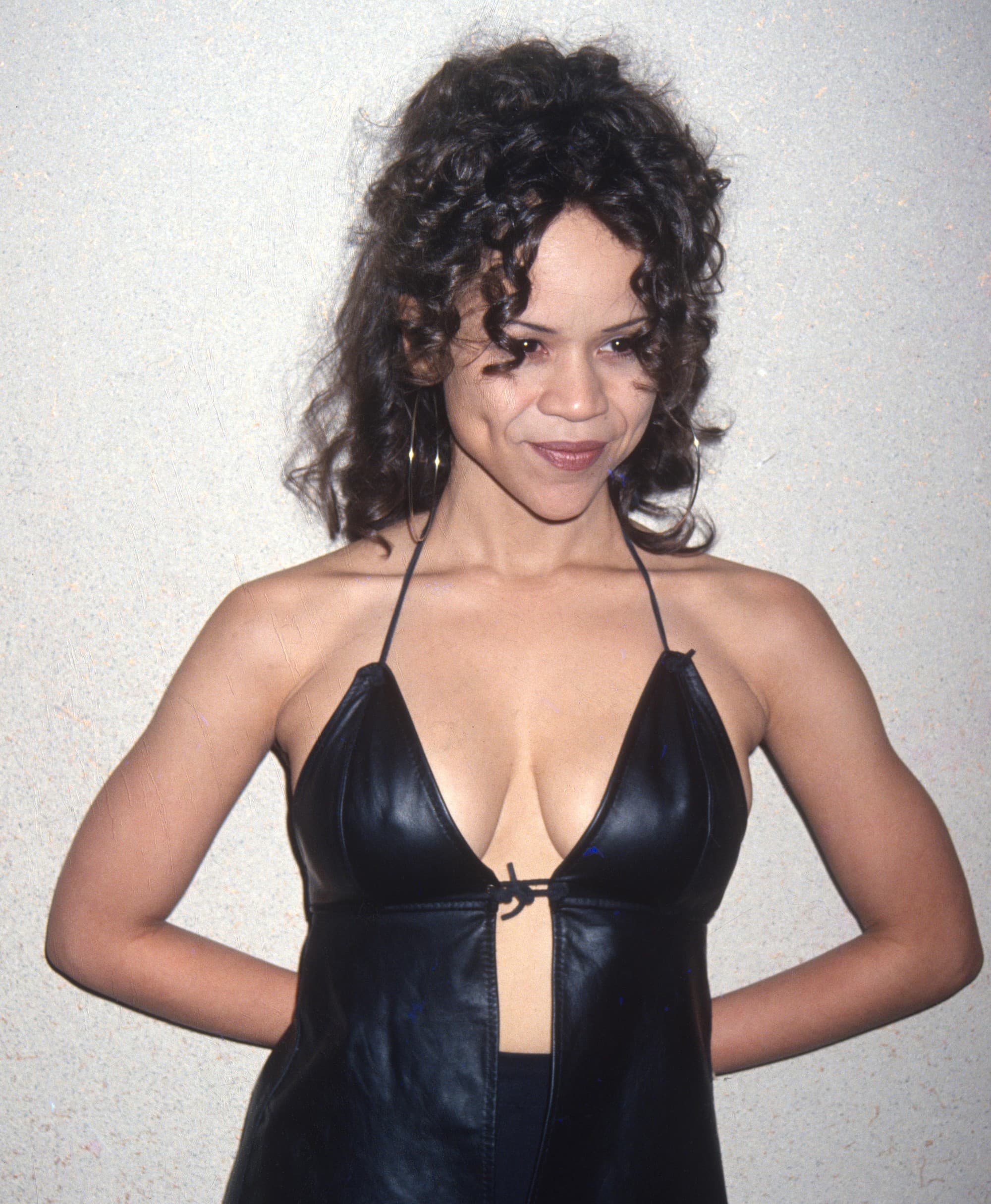
In the 1980s and 90s, the idiom “the bigger the hoop, the bigger the hoe” was popularized in what represents the misogynoir that Black and Brown women so often face. Women of color are intensely sexualized and objectified. On the other hand, we are also more consistently slut shamed if there is even the slight perception that we are embracing our sexuality—it’s the epitome of a lose lose situation. Because of this, it’s not surprising that something as unrelated to sex as earrings would be used as a tool to further scrutinize women of color. On the other hand, white women in hoop earrings within the same time period were praised and considered classy. When Madonna, for example, began wearing hoop earrings in the ‘80s, they began a part of her image and were deemed a confident fashion statement with young white girls following suit. This, in and of itself, is proof that it’s not about the actual hoop earrings at all.
As hoop earrings remain a consistent, universal trend that will always and forever be in fashion in various sizes and densities, it remains important for Black and Brown people to continue turning to the style and lean on it as a source of identity. The style has never belonged to anyone and still doesn't, but what it means to certain groups of people is relevant—and, for every wearer of hoops who doesn't face criticism or isn't subjected to stereotypes, it should be acknowledged. The more I feel my mom’s aversion to hoops, the more important I feel it is for me to continue wearing them—because for all of us, Black and Brown, the resistance continues.