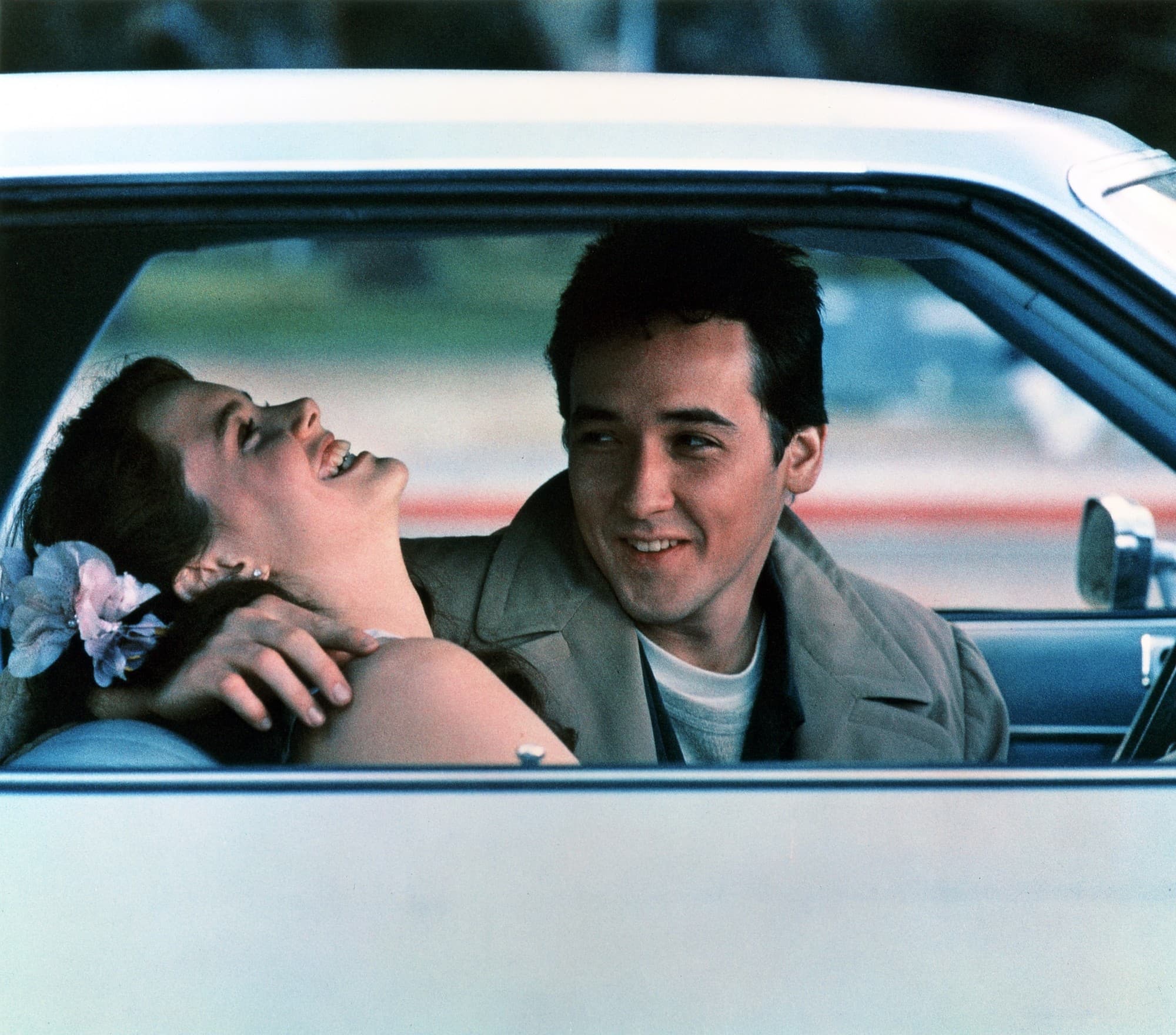
I was recently warned that love bombing would occur before I even went on the first date. I asked him what he was looking for and he said, "I love casual dates with people I'll never see again and if we make it to a fourth date I'll probably wanna get married." He followed up with: "Alternative answer: find me a hot cute sweetie to fall in love with for a couple months."
So, I knew, to an extent, what I was getting myself into. (He did, after all, also say "there are a lot of crazies in the dating world and I'm one of them.") Regardless of the warning signs, part of me wanted to keep talking to him. The truth is, being love bombed—even if you're know it's not real love and are aware of what is taking place—can still feel good. But why exactly does it feel so good, and, once you're on the emotionally heightened roller coaster cycle, why does it feel almost impossible to remove yourself from the situation?
Ahead, I decided to find out to save both myself and others from the intoxicating effects of this coercive tactic.
Meet The Expert:
 IMDB
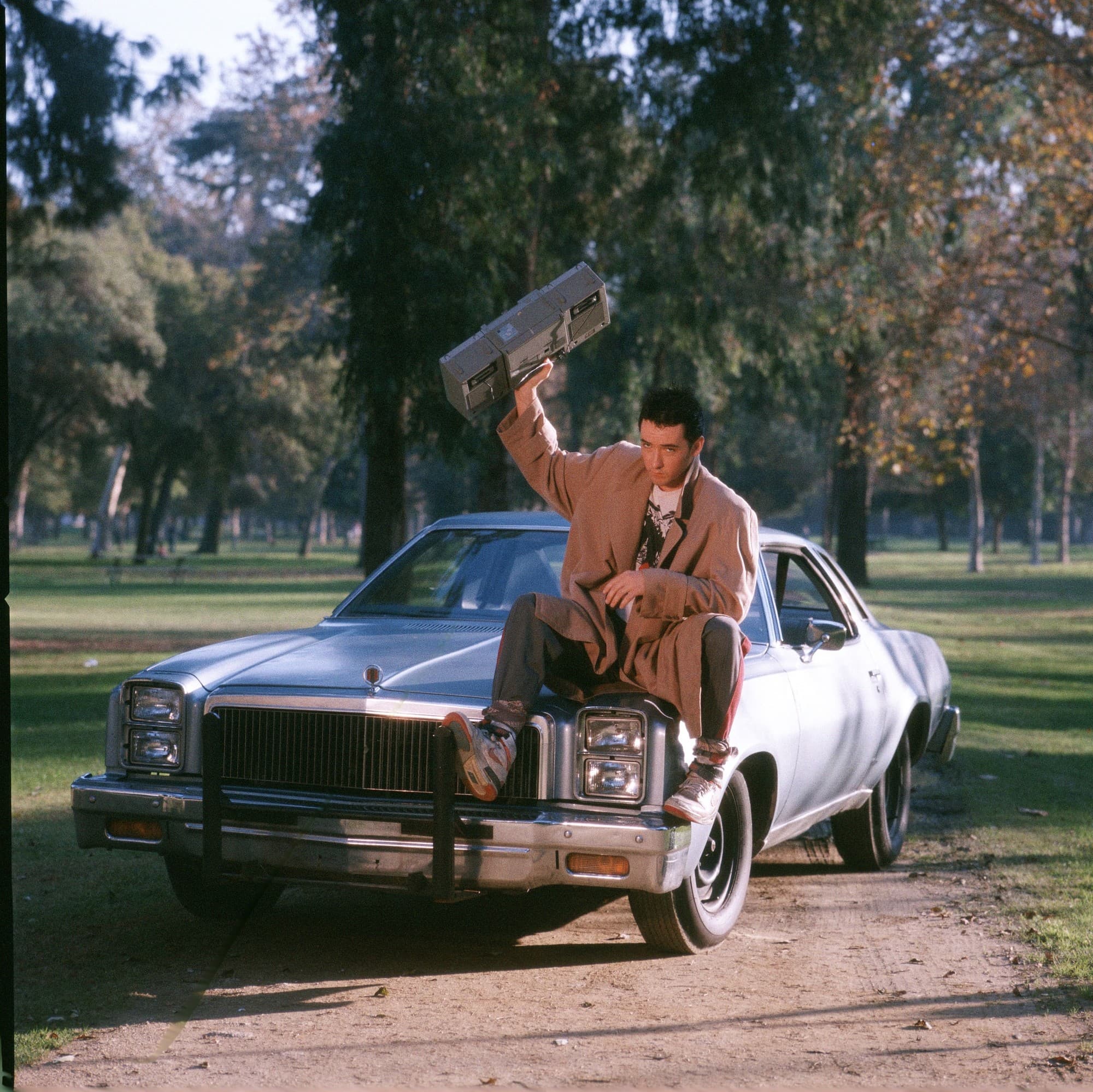
IMDBIf you don't get a clear cut love bombing is about to occur warning ahead of time like I did, there are things to look out for: the pace feeling uncomfortably fast, "soulmate mythology" (claiming you're unlike anyone they've ever met), consistent and suffocating contact with no room for processing, performative disingenuous grand gestures (John Cusack's character in Say Anything, standing outside of his love interest's bedroom window with a boom box, sadly), early pressure regarding commitment, and, of course, a simple gut instinct warning.
"Love bombing is the relentless, overwhelming pursuit that pathological lovers use to fast-track emotional bonding. It's like being swept into a whirlwind romance where your new partner showers you with excessive attention, over-the-top gifts, constant communication, and seemingly utter devotion," Nae explains. "They pursue you with an intensity that feels like you are the center of someone's entire universe—but this intensity serves to bypass your natural caution and accelerate artificial intimacy before you can properly assess who this person really is."
People love bomb for many reasons: control and emotional dominance, narcissistic supply, bypassing defenses, creating dependency within the other person, sadistic gratification for themselves and, perhaps, lack of a real capacity for intimacy. In some cases, it can even signal early stages of abuse in a relationship, according to Solace, an organization dedicated to ending gender-based violence.
 IMDB
IMDBAccording to Nae, there's a simple scientific reason why love bombing can feel so good in the early stages. "Love bombing creates the trauma bond's foundation—the 'bliss' in those toxic cycles of 'bliss followed by despair.' Once you're hooked on that initial high, the pathological lover begins revealing their true self," Nae says. "The intensity becomes possession and control, the attention becomes surveillance and isolation, the devotion transforms into entitlement to violate you, they use your emotional dependency (created during love bombing) as leverage, the 'soulmate' narrative becomes a prison—'no one else will love you like I do'—and they weaponize the good memories from love bombing to gaslight you during abuse."
Despite knowing logically that it wasn't not going to end well, I found my experience with a love bomber to feel truly intoxicating. It was like feeding myself everything that my inner child wants all at once: gluttonous, yes, but also extremely satisfying in the moment. It was like receiving everything that my adult self wanted without having to dedicate the time or energy needed for true intimacy; like just showing up as myself was enough—until it's wasn't, that is. "Love bombing hijacks our neurobiological reward system. It triggers a dopamine rush similar to addiction. Being chosen so intensely validates our desire to be special and loved," Nae says. "It creates what you call the 'fairy tale'—fulfilling that Cinderella story many of us internalized. The intensity mimics true intimacy, making us feel seen, understood, and cherished in ways we've always craved." The problem is, true intimacy develops over time. It requires patience, trust, emotionally vulnerability—all things that love bombing can conveniently skip over.
As it intensely as it begins, it can come to a crashing down intensely, too. A love bomber might, after achieving what they wanted, completely discard the other person. In other circumstances, a cycle will continue: idealization, devaluation, idealization, devaluation, over and over again. Temporary ghosting is also a common occurrence: disappearing for just enough time to cause anxiety and distress, reappearing, apologizing and love bombing all over again.
While the chaos might feel good and normal to some, the gut instinct rarely lies: if it feels too good to be true, it probably is. And despite the rollercoaster feeling fun at times, or at least thrilling, the only way out of a love bombing situation is through establishing firm boundaries. Wholeheartedly maintaining your independence and separate personal life, and relying on friends and family (especially for an outside perspective) are key—because it's so easy, in the thick of it, to focus on the good and what gets dopamine rushing, and ignore what's likely actually making us miserable.
It's easy to warn people to not fall for love bombers. Simply recognize the warning signs, and run away as fast as you can, right? But we need to acknowledge that people fall for love bombing due to the fact that the idea of being 'loved' so intensely feels good; I can attest to it firsthand. It might be easy to attribute those who fall for love bombers as desperate for love and attention, or to blame them for "going along" with it despite the red but the truth is that love bombing is something that even the most logical and self-aware can fall for. If someone is showering you with compliments, it's difficult in the moment to connect that with manipulation. And once you're in the love bombing trance, you're not thinking about tactics because you've already been swept up. The love bomber has already succeeded. It works because it taps into something universal: the human desire to be wanted.
The more we understand its appeal, the more clearly we can place the blame where it belongs—not on the people who get swept up, but on the ones who exploit vulnerability and disguise coercive control as "love."
If you or a loved one are a victim of abuse, you can contact the National Domestic Violence Hotline at 1-800-799-SAFE (7233), text "START" to 88788, or visit their website for support.