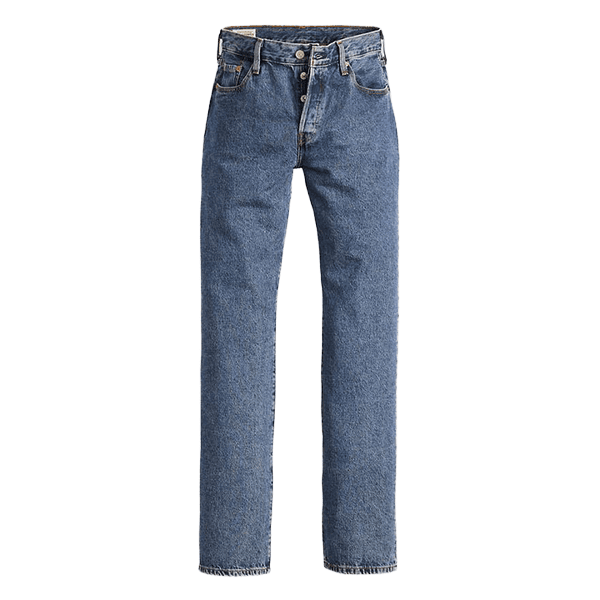
Denim trends might come and go, but the Levi's 501 jean is forever. When a garment maintains a spot in the fashion zeitgeist through world wars, multiples centuries, and endless cultural shifts, we notice—and we have to give credit where credit is due. The 501, after all, just might be the most perfect and ideal denim silhouette: a classic straight leg, mid to high rise, slightly relaxed but not overly baggy. They're definitely not skinny, but they're also not wide. It strikes the perfect balance of literally everything and this, in term, makes them timeless.
Founded in an 1853 San Francisco, California by Levi Strauss, a Bavarian immigrant, it took some time for his namesake brand to reach the iconic status that it holds now. Like with most brands, it went through its iterations: different specialities, different focuses, and different target audiences. Like with most trends, functional origins met their fashion fate through film appearances and endorsements by notable movie stars and musicians. Now, it-girls, vintage enthusiasts, and general fashion lovers alike stock up on the 501 jeans—both vintage and brand new—and through them on to achieve what appears to be effortless style.
Ahead, we breakdown how the jean, originally designed for harsh work conditions, transformed into a wardrobe staple.
Overall Origins
 SplashNews.com/Shutterstock
There would be no Levi's 501 jeans without the brand patenting copper rivets on work pants in 1873—and from there, the most iconic denim silhouette was born. This was a necessary step in reinforcing the denim to ensure that they could stand the test of time in the harshest of work conditions. What we know now as the 501 jeans were originally called "waist overalls" and were designed for miners, cowboys, and railroad workers primarily in the American west.
20th Century Adjustments & World War II Compliances
 MediaPunch/Shutterstock
The 20th Century saw Levi Strauss add some notable additions to the 501 jean—a second back pocket, belt loops and the signature, iconic, and highly recognizable red tab. Slowly, the jean evolved from a workwear essential to fashion staple representative of everything that casual style was and aspired to be: laidback, cool, and effortless. Come World War II and in order to align with rationing requirements imposed by the U.S. War Production Board, the back cinch, crotch rivet, and watch pocket rivets were removed. Branded buttons were also notably added.
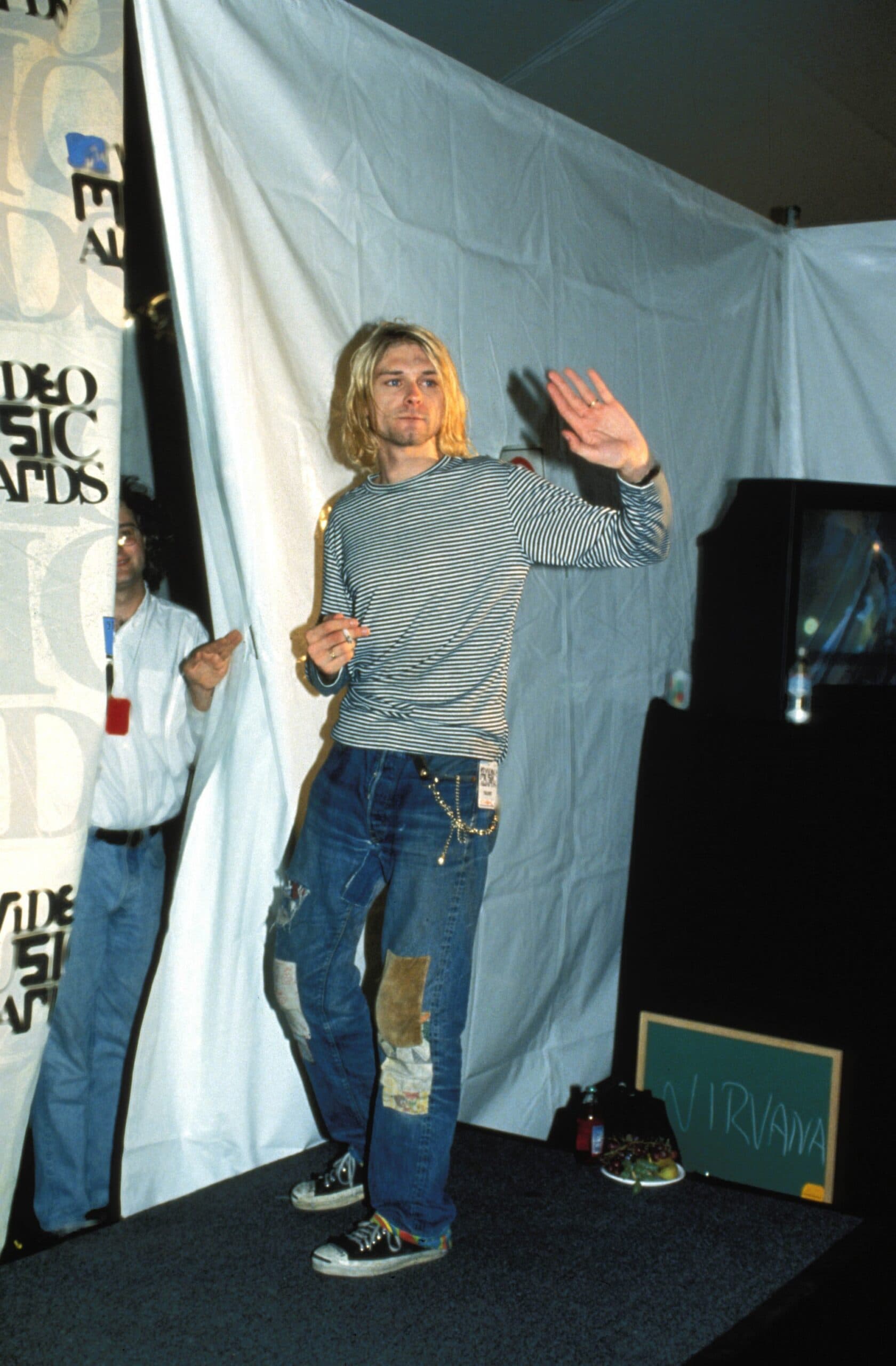
The 1950s arrived, denim generally became a fashion trend, and the 501 silhouette was cosigned by Marlon Brando and James Dean, marking the permanent transition from workwear to everyday wear—and perhaps also marking a cultural shift in which pop culture began making a real noticeable impact on the lives of average people. In the 1960s and 1970s, the 501 made a mark in rock and roll history with Bruce Springsteen, Bob Dylan, Debbie Harry, Neil Young, Freddie Mercury, The Ramones, Patti Smith, and so many more wearing the silhouette, often with customizations both intentional and naturally occurring—rips, tears, fading, and a generally worn-in aesthetic. In the 80s, the brand began capitalizing on the silhouettes role in pop culture by producing iconic TV commercials and, finally, introducing a pair designed and actually intended for women.
A Permanent Fixture In Culture
In the 21st century, the range of 501 silhouettes available grew to reflect fashion trends and, alongside the classic straight-leg, included skinny, tapered, and stretchy. The popularity of 1970s, 1980s, and 1990s fashion, and vintage and secondhand shopping in general, has sort of given the 501 jean a brand new life—they tend to do very well and are very sought after on resale platforms.
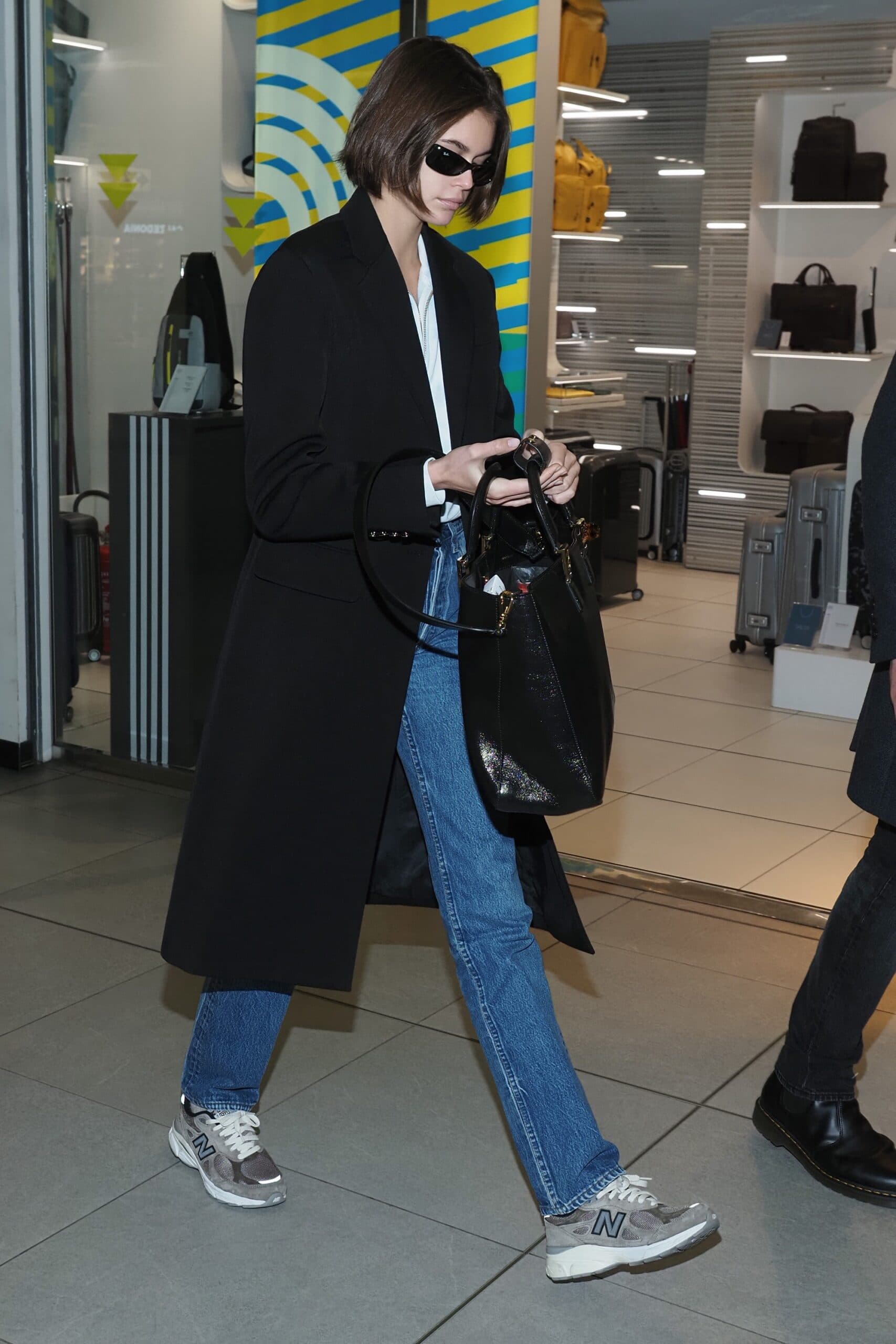
Now, the Levi's 501 is co-signed by it-girls like Kendall Jenner, Hailey Bieber, Kaia Gerber (very consistently, I might add), and Olivia Rodrigo, with looks both completely dressed up for a night out and completely pared down for a day of errands that they still want to be photo-ready for. This is a testament to the versatility of the silhouette and a representation of why we're still talking about them—and spending more time than we'd like to admit searching for vintage pairs on eBay.
Shop The Trend:
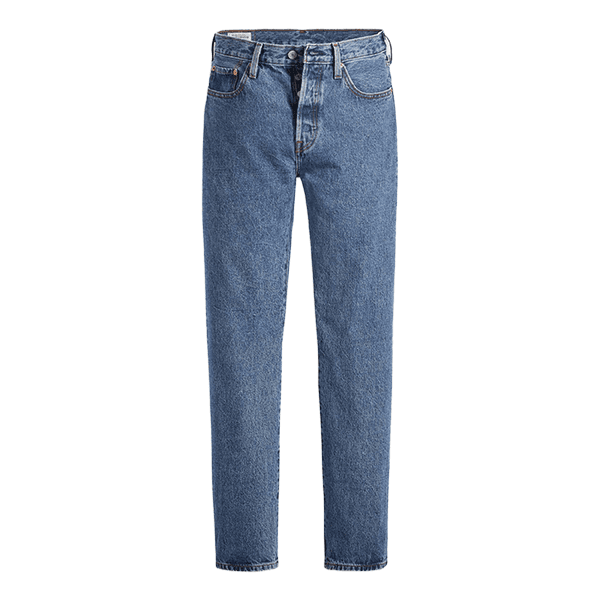
Levi's 501® Original Fit