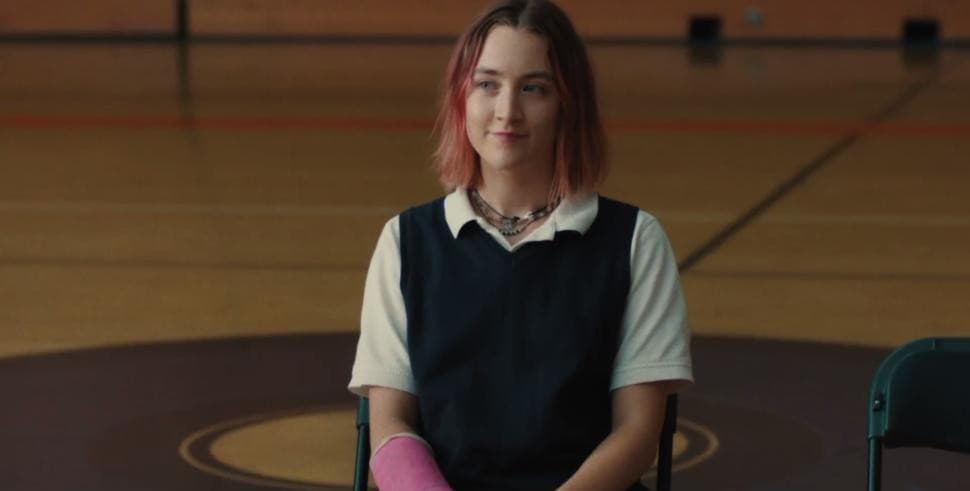
We are all, of course, familiar with the weird girl aesthetic that has taken over our timelines in recent years. Characterized by maximalism, mismatched colors and patterns, and doing the absolute most in a single outfit, the aesthetic celebrates authenticity and individuality while reclaiming the word 'weird.' At some point in our lives, we all have likely felt a certain hesitancy to partake in fashion trends despite genuinely liking certain waves—we don't want to be like everybody else, and that's okay. But what happens when not wanting to be like everyone else gets in the way of us being who we actually are?
Perhaps the desire to be "weird" is a chronically online thing or perhaps, in a world of constantly evolving trends both fashion and otherwise, we feel a desperation to own something—to have something that feels completely unique to us. But, on ones quest to embrace their weirdness, where is the line drawn between authenticity and performance? Between truly weird and weird for the sake of being weird?
"An individuality complex is what happens when our pursuit of authenticity becomes tangled with performance. Instead of asking who we are, we start asking how we appear," existential psychotherapist Sara Kuburic, aka The Millennial Therapist, shares. "It’s an identity built from the outside in."
America in general has a major hyper-individualism issue: everyone is out for themselves, personal success and autonomy are at the forefront of everyones consciousness and intentions, but the declining economy, inflation, and general economic crisis make it almost impossible to not be this way. We've been conditioned to believe, partially from the "American Dream" and what that promises, that hyper-individuality results in freedom—which it does sometimes, but can other times lead to division and lack of community and, in more extreme ways regarding healthcare and gun control, for example, gets in the way of us moving towards general welfare and safety.
In terms of fashion, hyper-individualism is a rejection of mass trends. There's a big problem with that, though: the modern trend cycle is rapid and seemingly only speeding up more and it feels inevitable that almost everything will at some point be a trend. So what happens when a detail or element that felt personal to us gets co-opted by the trend cycle, and what does that do to our sense of individuality and personhood? That is, perhaps, where it begins to get performative. The natural next step for the sake of maintaining originality would be to adopt a new and different detail or element, something that is not necessarily truly loved or even liked.
"Online spaces reward novelty. Being “different” has become a kind of social currency. But this version of uniqueness is often surface-level: an aesthetic, a label, a vibe. It’s less about genuine oddities or quirks and more about belonging to a category that feels exclusive," Dr. Kuburic says. "Ironically, the more we chase uniqueness, the more we start to look like everyone else doing the same thing."
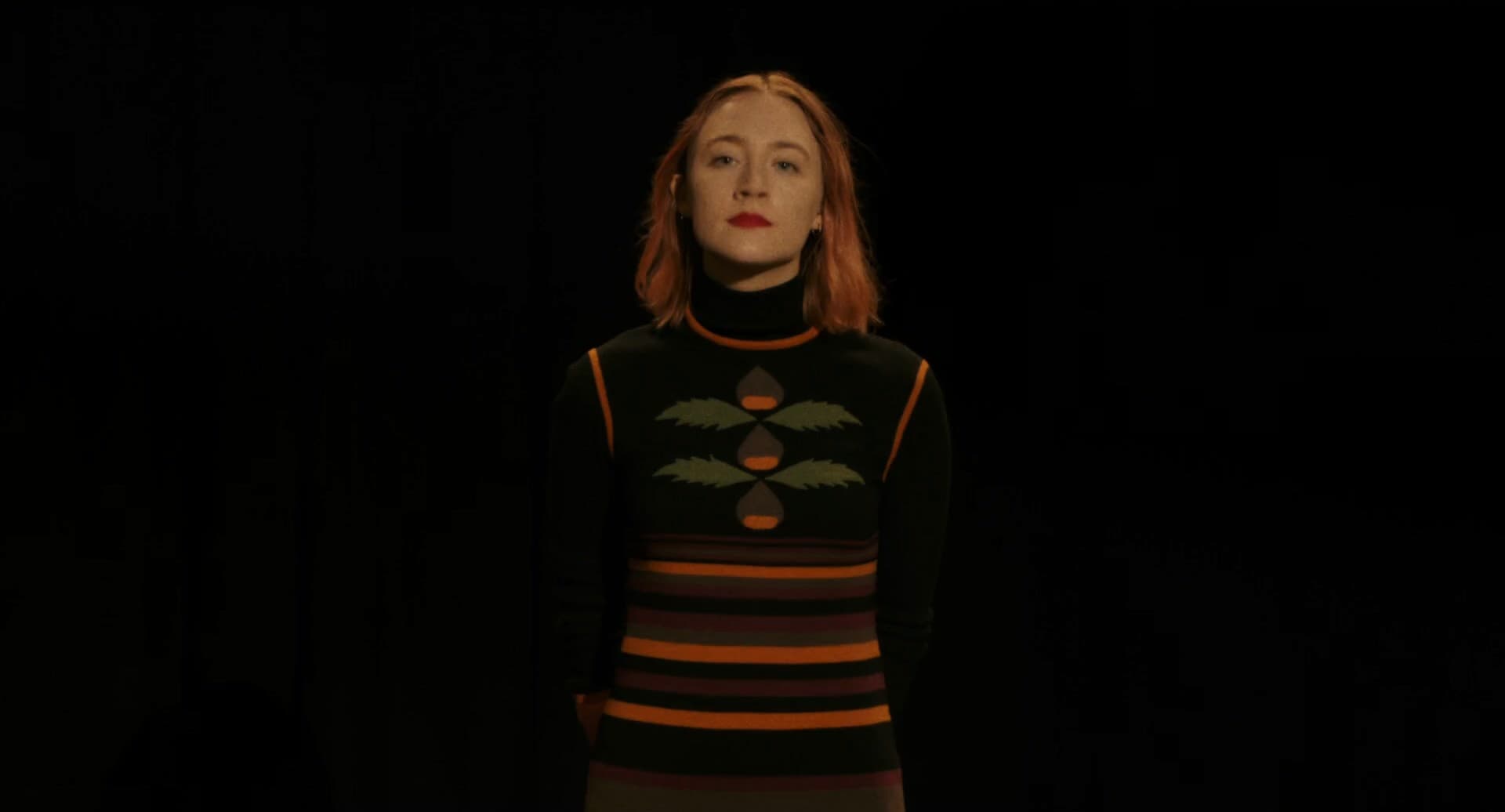 "Lady Bird" IMDB
This isn't just a fashion thing, though. In general, the internet rewards weirdness and individuality, whether that be in terms of a buzzy hot-take, TMI oversharing moment, or rage bait—while not always positive, these things are rewarded with views, attention, comments, and general interaction. With this in mind, individuality complexes feel as though they connect directly to the lack of community, and the desire for community runs so deep, that some of us are willing to seek it in any way possible. "A lot of spaces make belonging feel conditional: you’re accepted as long as you subscribe to the aesthetic, the language, the unwritten rules. It creates a loop where belonging depends on performance, and the fear of losing that belonging fuels even more performance," Dr. Kuburic says. And the problem is that this is all instead of just being satisfied being who we actually are.
Truly being ourselves is, perhaps, the most vulnerable thing we can do in a society that doesn't reward being "ordinary". Eccentricity is our armour, weird quirks are our shields, and these things being stripped from us by the trend cycle leave us feeling unsafe. The truth is that we are all naturally weird and the key to our collective feeling of safety is a commitment to authenticity over individuality.