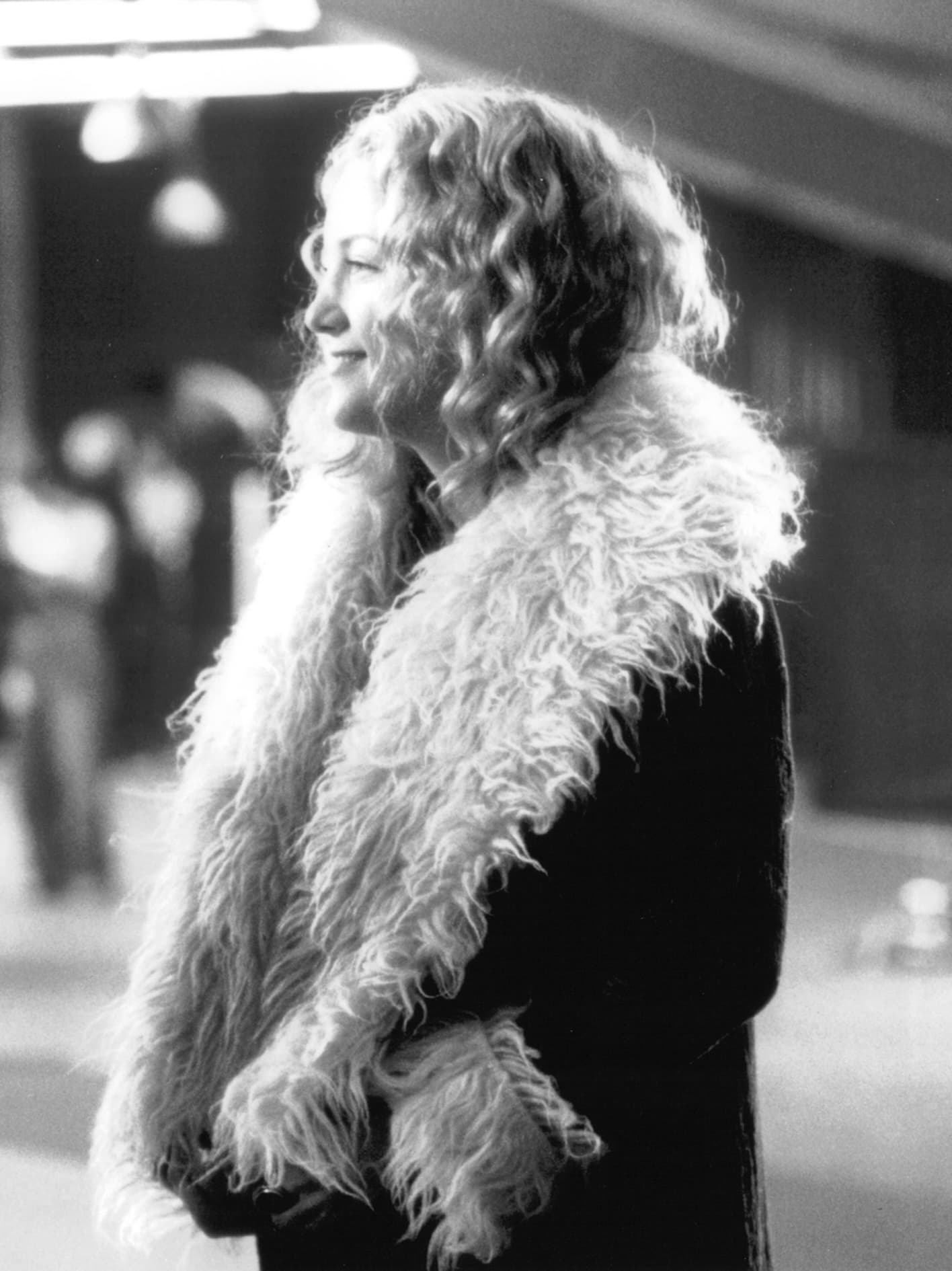
It's a tale as old as time: something deeply rooted in culture, typically non-white culture, becomes a trend, and its history gets erased—crochet caps, nameplate jewelry, and hoop earrings, for example. Today, we're focusing on the Afghan coat, which is often called the Penny Lane coat, crediting a fictional character from Cameron Crowe's Almost Famous instead of the culture with a rich artisanal history that made these coats by hand, with love.
While there is nothing inherently wrong with adopting a trend or style from a culture that you don't identify with, it's important to acknowledge its roots and give proper credit for the sake of appreciating versus appropriating. Ahead, we break down the history of the Afghan coat and show appreciation for the trend we plan to embrace all winter long.
Traditional Roots:
Dating back to 20th-century Ghazni province in Afghanistan, artisans designed coats from suede, sheepskin, goatskin, or leather, with fur lining and fur cuffs to combat the cold mountain weather, according to @eurfashionheritage. Beyond serving a practical and entirely necessary function, it served as an opportunity for these artisans to show off their skills through intricate hand embroidery. These coats weren't mass-produced—instead, extensive time and effort were put into each coat and, in turn, each coat was entirely unique. Notably, Ghazni embroideries featured floral motifs and geometric shapes, designs with cultural significance and passed down through generations.
The Hippie Era:
Travelers on the hippie trail brought the style back to Europe from South Asia and, just like that, music icons like John Lennon, Janis Joplin, Jimi Hendrix, and The Kinks—and the faces of the counterculture movement—wore them, inspiring fans to do the same.
The style captures much about hippie culture and fashion. To reject mass-produced clothing and corporations, hippies embraced handmade pieces—and even took on the task of making things themselves. They embraced sustainability before it was a buzzword.
A Pop Culture Revival:
In 1999, Angelina Jolie wore an Afghan coat in her Oscar-winning role in Girl, Interrupted. Then, in Cameron Crowe's 2000 film Almost Famous, set in 1973, Kate Hudson's character, Penny Lane, is known for her distinct, quintessentially '70s style—including an Afghan coat. Since then, people have used the terms Afghan coat and Penny Lane coat interchangeably, and over time the style's rich cultural history has become less known and less recognized.
 Photo: IMDB
Now, with designers like Charlotte Simone and Susanna Chow creating their own high-end interpretations of Afghan coats, Bella Hadid wearing vintage Afghan coats likely purchased through her once-anonymous Depop account, and Kendall Jenner recently spotted in the Connor Ives Demi Coutured Fur & Silk Maxi Robe, which features hints of Afghan coat inspiration, what was once a representation of culture and identity is now very much a 2026 trend.
 Photo: @kendalljenner
 Connor Ives SS27 // Spotlight Launchmetrics