Mash Note is a monthly style column from Yaminah Mayo spotlighting overlooked brands and people shaping fashion.
At least twice a week, there is someone (platonic or professional) waving a new novel or treatise in my face, telling me, “You have to read this. It’s soooo good.” Though it’s hard to keep all the recommendations in order, I hesitate to admit that I enjoy being apprised. I appreciate it because I love books. As I write this missive, there is a stack of ten books on the floor beside my reading chair, designated "Winter Season Reads." My Notes app has a page devoted to the retention of my 80-plus-book TBR (To Be Read) list for the occasions when I inevitably find myself killing time in a bookstore or a library. ThriftBooks has replaced social media doomscrolling. Libraries fill me with the same exhilaration that a trip to the mall with friends conjured when I was a teenager in the 2000s.
There’s something enchanting about coming home with a new book, curling up in your favorite chair and getting lost in another world for hours, days, and weeks at a time. On the surface, the sentiment appears to be contagious. If you take a gander, or a swipe, through social media, you are bound to swipe past at least one new book being anointed a best-seller, a celebrity book club announcement, a bookstore hosting an author talk, or someone’s impromptu book review. However, in August, CNN reported that for the past 20 years, “daily reading for pleasure has plummeted 40%,” despite genres like roman-tasy being on the rise and dominating social media subcultures like BookTok. The National Endowment for the Arts disclosed in 2023 that, according to its Survey of Public Participation in the Arts (SPPA) conducted in 2022, only 37.6% of adults reported reading a fictional novel, the lowest average since the survey began in 1982.These numbers are not created in a vacuum, however. They coincide with national literacy rates declining, public education being devalued and gutted, and book bans being at the forefront of conservative political organizations’ agendas.
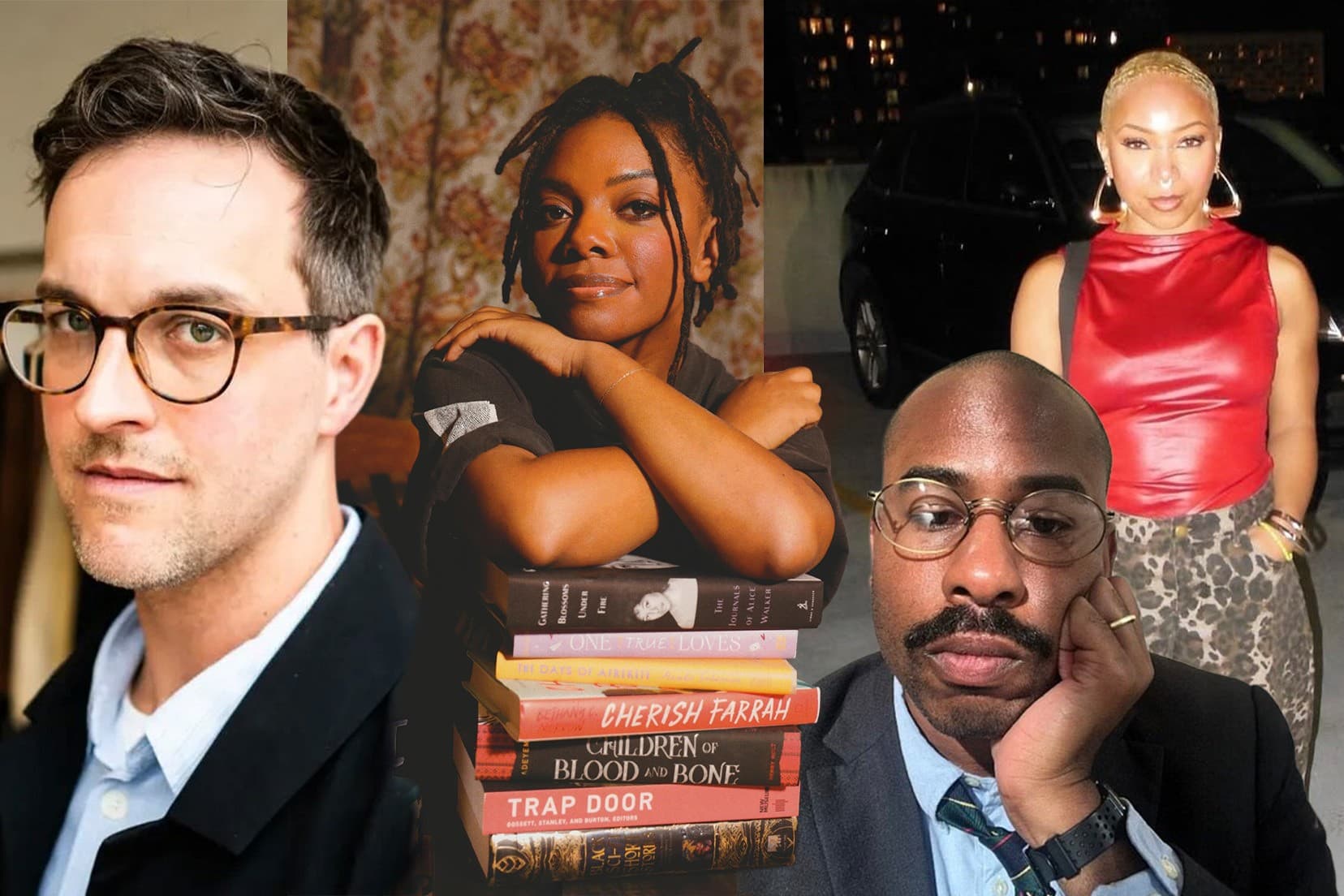
These numbers made me, as a book lover, curious to understand what the guardians of the stacks are seeing daily. The statistics made me want to know whether the social media trends hold true or whether they are smoke and mirrors. This led me down a rabbithole of wanting a general understanding of what the book industry entails, so I reached out to a few booksellers–Jazzi McGilbert, Geoff Snack, and Robyn Richardson–and a couple of librarians–Etana Laing, Melvin Backman–to get grasp on what it’s like to work with books. We delve into their career journeys, what inspired their vocation, and the unexpected aspects of the job.
Great librarians and bookkeepers have placed transformative novels in my hands and introduced me to literary figures that guide my work to this day. The following interviews were no different. I acquired a bevy of knowledge and scored a slew of book and style suggestions along the way. My TBR list thanks you!
Melvin Backman, Writer/Journalist/Librarian-in-Training
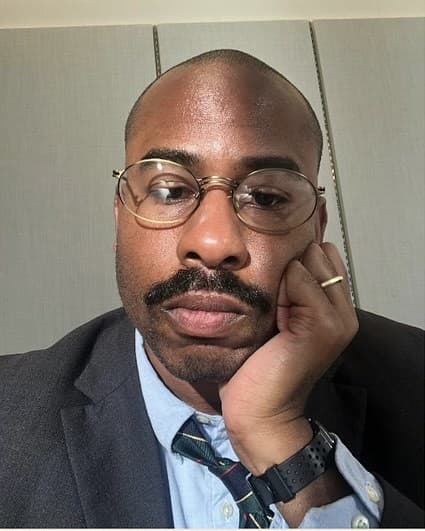 melvin-backman
What was your journey or trajectory to becoming a librarian?
"I used to be in journalism, but I had to pivot because the media industry has increasingly devalued the type of work I wanted to do. After literally seeking refuge in libraries while I did remote work at a job I wasn’t enjoying, I stumbled across the Brooklyn Public Library’s Browse the Branches program: Visit every branch, get a sticker at each one for a little passport book, and get a tote bag when you get all the stickers. By the time I got the tote bag, it was apparent that a lot of the things that drew me to journalism—helping people make sense of the world around them, creating an architecture for acquiring knowledge and self-improvement, earnest obsession with documentation—are also things that libraries do for people, especially public libraries."
How did you come to believe this career path was possible?
"I took my daughter to storytime at the Seward Park branch of The New York Public Library, and while I was taking in the joy of the moment, the urge to go into librarianship just washed over me. For the next few months, I started going to libraries whenever I could and asking the staff what the job was like and how they got there. I applied to library school at Queens College because you need [a Master’s] degree to be a librarian, got in, and while I was looking really, really hard for a job, I came across my current role as an editor in the Communications department at NYPL. Basically, I did not know that this specific slice of a career path was possible until the moment I ended up in it. Keep your head on a swivel!"
Do you have a mission?
"The core beauty of libraries, in my eyes, is their capacity to facilitate connection for connection’s sake. The so-called GLAM professions (galleries, libraries, archives, and museums) all do that to some extent, but public libraries, especially, create many more opportunities for connection because they’re such active, integral parts of the communities they serve. I’m always telling people about resources and programs that they can find at the library, and I live for the little signals that you’ve helped someone find something they were looking for, 'Oh, cool!' or, 'I didn’t know about that,' with a little eyebrow raise, or even the literal words, 'That’s what I was looking for!'"
What are some unexpected aspects of the job that the public rarely sees?
"I spend a lot more time working on flyers than I thought I would at the outset. Balancing the need to convey information in a digestible, broadly legible, and aesthetically pleasing way is much harder than it sounds—and I’m usually just working on the words!—but really rewarding to get right. Do not underestimate the thrill of a correctly delivered direction. There’s a great fly-on-the-wall Frederick Wiseman documentary about The New York Public Library, Ex Libris, that shines a light on all the different parts of library work beyond checking out books and signing people up for library cards."
What are some ways the average person can help combat illiteracy?
"If you want other people to be good readers, find people who are teaching others to read—an organization dedicated to literacy education, a book club that emphasizes popular texts, a conversation group for English language learners—and join them."
What is one piece of advice you would give to future booksellers or librarians?
"Channel your inner Kirby: hoard, regurgitate, repeat."
What are five books you would recommend to anyone?Books: Toni Cade Bambara’s Deep Sightings and Rescue Missions. (Though The Seabirds Are Still Alive is the one that cracked a lot of things open for me), June Jordan’s Some of Us Did Not Die, Ghassan Kanafani’s Men in the Sun, Paola Colaiacomo’s Natasha’s Dress, Brittnay L. Proctor’s Minnie Ripperton’s Come to My Garden (33 ⅓)."
Etana Laing, Academic Librarian
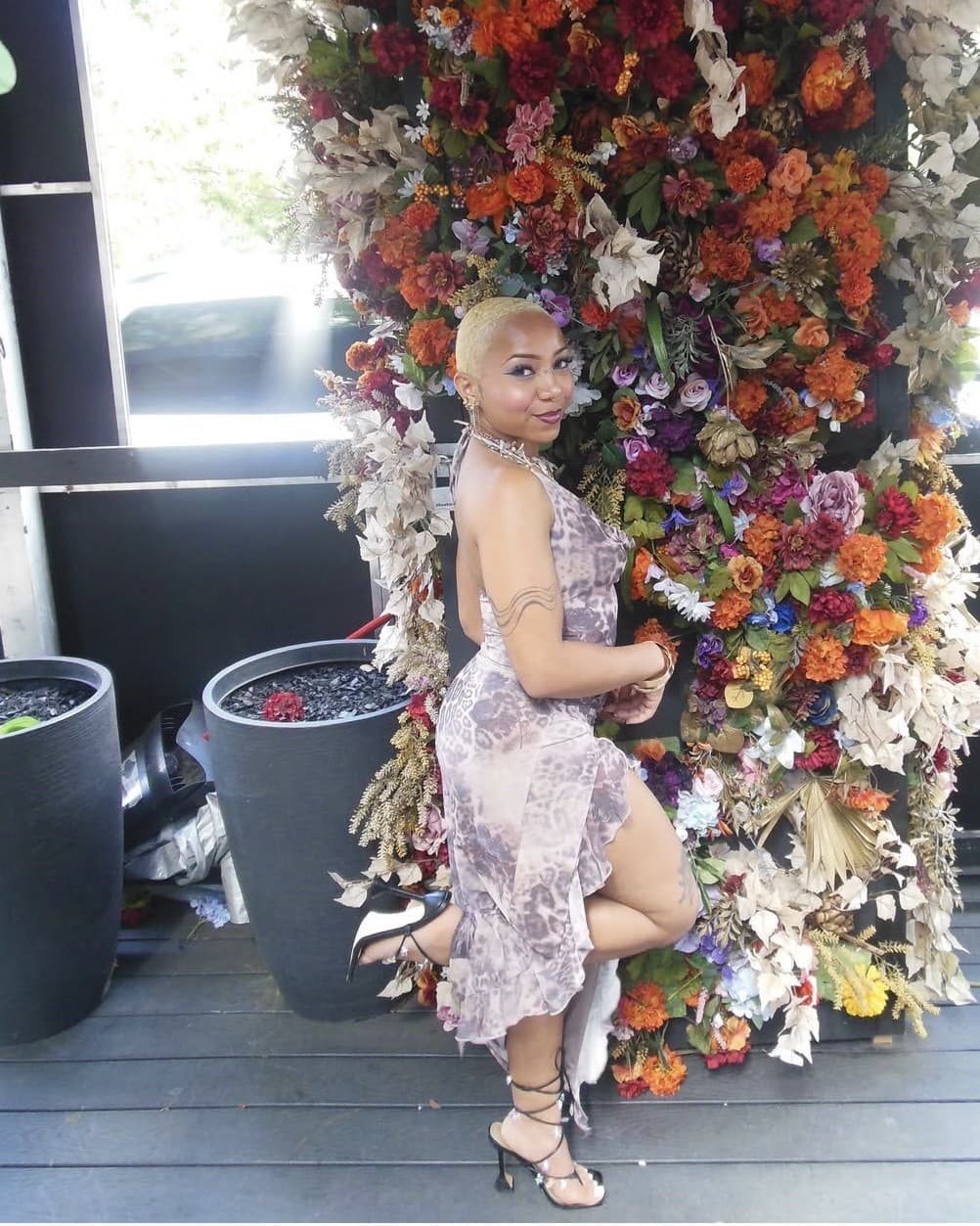 Etana Laing
What was your journey or trajectory to becoming a librarian?
"Even though I grew up as a library kid, I never thought about becoming a librarian. I first became interested in librarianship as a career after attending a program for HBCU students at Princeton called the Archives, Research, and Collaborative History program. That program introduced me to not just librarianship but also archives, museums, and galleries, known as GLAM institutions. I learned about white supremacy being undergirded in the foundation of these information institutions, and we learned about strategies to resist this in our work.
My library school journey was long, hard, and lonely, but ultimately the best choice I could have made for myself."
Do you have a mission?
"I have the ingredients for my new mission: a deep love for Black people, a burning desire for change, and the knowledge that consciousness is everything. As I’m [conceptualizing] my new mission, I see glimpses of it in my social media presence. I want to continue to share information about libraries, especially as a young Black queer person."
What are some unexpected aspects of the job that the public rarely sees?
"The answer to this question is why I almost didn’t do this interview: Burnout. Working in libraries, especially when you care about the patrons in your space, can quickly become overwhelming. There are so many needs that we cannot meet. I found myself overcompensating where I could to fill that gap. I love my job. I love the folks who come into the space every day. I love to teach. I love to purchase books. However, the schooling that goes into librarianship does not match the pay most of us get. It does not match the passion and dedication librarians put into their work. And it’s hard to go home, [exhausted] knowing you can never do enough."
What's your work uniform?
"I love this question, and it’s one of my favorite things to talk about. I work at an academic library at an HBCU (Historically Black College and University). When I first started working there, I had different ideas of what professionalism looked like as opposed to now. I wore slacks and dress pants, but quickly noticed that students were wary of approaching me. It was not reflective of my personality. So I started changing the way I dressed to fit more of how I felt inside, and that naturally led to more vibrant and quirky outfits. It is incredibly important to me to dress in ways that show I am here for students, because I know that they struggle with asking for help. I feel like the source of my inspiration really comes from a vested interest in looking my best and using clothing to tell people who I am."
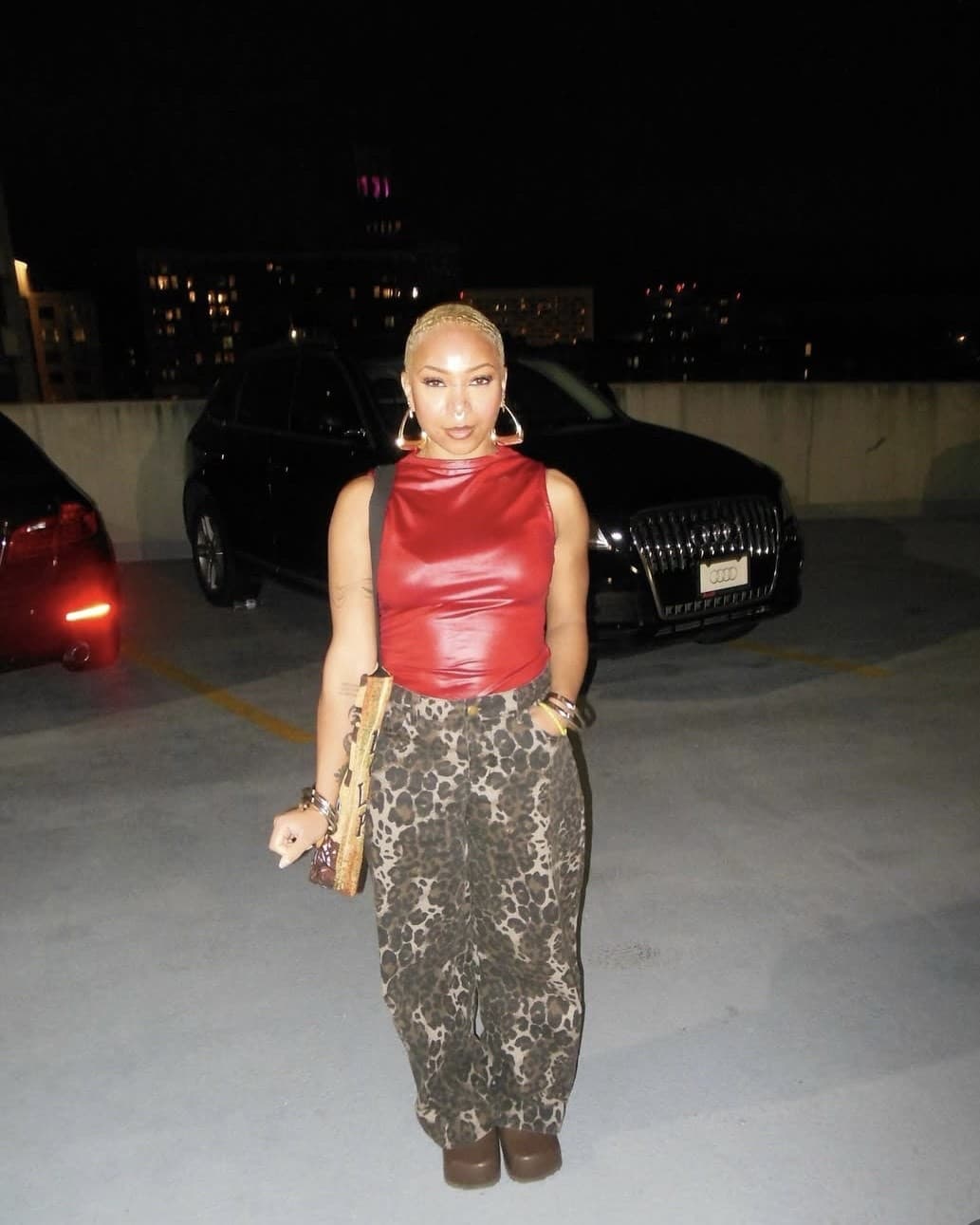 Etana Laing
What are some ways the average person can help combat illiteracy?
"What anyone can do to increase literacy rates is to become more curious and to read more, especially people who have children in their lives. They need to see you reading, so it becomes normalized. I buy the young people in my life books, and we talk about what they’re reading and learning in school. For adults interested in becoming stronger readers, I suggest getting a library card and booking an appointment with the library. There are often reading consultants available at the library as well as reading materials for folks looking to strengthen their literacy skills. The best advice I’ve gotten is to read 10 pages a day."
What is one piece of advice you would give to future booksellers or librarians?
"Take care of yourself. Familiarize yourself with vocational awe. Check out Vocational Awe and Librarianship: The Lies We Tell Ourselves by Fobazi Ettarh, who coined the term. Libraries are not everything and should not become your whole life. You need to have outlets to deal with the stress incurred from this profession. I think, especially in the current climate, folks see libraries as beacons of hope where things are still free, people are a priority, and knowledge is valued. All of these things are true, but it ignores the fact that we are often underpaid, understaffed, and the institutions are underfunded, [resulting] in a lot of stress and strain. With that said, this is a career where you will see real impact for the work that you do. Your work, if done well, changes people’s lives, and you, too, will change."
What are five books you would recommend?
"Assata: An Autobiography by Assata Shakur, Butter Honey Pig Bread by Francesca Ekwuyasi, Sister Outsider by Audre Lorde, The Secret Lives of Church Ladies by Deesha Philyaw, Stay with Me by Ayobami Adebayo."
Robyn Richardson, Senior Director Of Product Development at The Studio Museum in Harlem
Tell me about your job.
"I’ve always loved books, spaces, and art, so this is at the intersection of those passions. I started out as a designer, and since then, I have worn a few different retail hats while always staying close to art and design. Becoming the Associate Director of Product Development at the Studio Museum in Harlem is really a dream come true; having the opportunity to focus on Black artists is the most rewarding work."
How did you come to believe this career path was possible?
"I grew up outside Chicago, and the Museum of Contemporary Art Chicago has a wonderful store, which I was often drawn to in my teens. When I was at the High Line, it became clear that there were opportunities for product development in museum stores. I was the assistant manager at the time, and in my first year, they had an amazing art program and featured some of my personal favorite artists, Simone Leigh and Jordan Casteel. It was there that I saw so much potential in product development. It was serendipitous that my next role was at the Studio Museum. When I joined, they had just worked with Jordan Casteel on a number of items around her painting, Kevin the Kiteman (2016)."
Do you have a mission?
"My mission is to be part of something bigger than myself and work to amplify the greatness of Black people. This reminds me of a beautiful moment in the new documentary, Black is Beautiful, when Kwame Braithwaite Jr. reiterated his father’s legacy: that he had loved and advocated for his people."
What are some unexpected aspects of the job that the public rarely sees?
"That’s easy! Color corrections, legal contracts, approvals, and negotiations are behind all artist products, rightfully so. There is also so much joy that comes from working with an estate or a gallery to honor and amplify an artist and a work that you believe should exist for people to love. As it relates to book selling, there’s the reality that we don’t know how long titles will be available, so there’s a certain amount of educating among colleagues that needs to be done as well."
What is one piece of advice you would give to future booksellers or librarians?
"The work is worth it. Books are so powerful, and people are so excited by them. The joy in our work is being a conduit and providing outlets for people to find what they’re looking for, and sometimes what they’re not looking for."
Rapid fire: What are five books you recommend?
"Books: Meaning Matter Memory (Phaidon), Black Art Notes (Tom Lloyd), The Harlem Book of the Dead, Barkley Kendricks: Piles of Inspiration Everywhere."
Geoff Snack, Founder of Wrong Answer
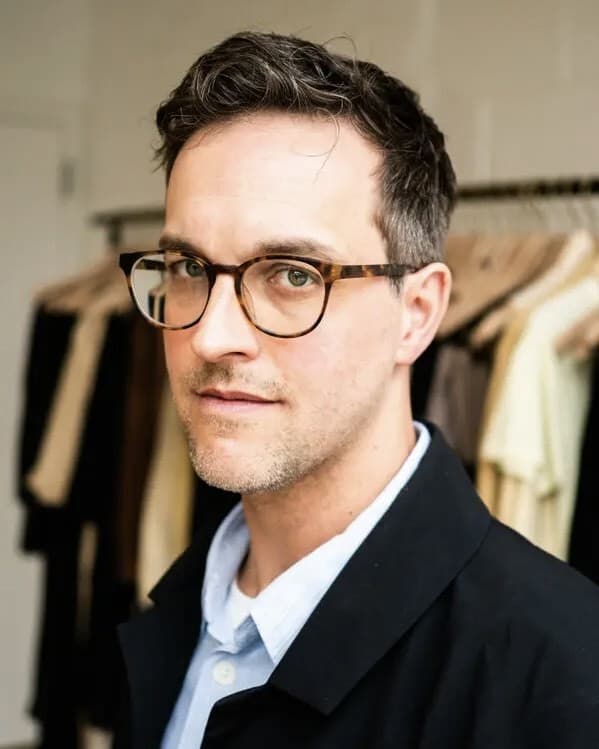 Geoff Snack
What was your journey or trajectory to becoming a bookseller?
"I grew up in a small town in Canada, pre-Internet, in a very blue-collar family. As a result, finding and connecting with art or culture was rare. I found that books were a great way to connect with art and culture, and started seeking out vintage books. This continued through high school. As I got better jobs, working in agencies, I was able to afford to purchase more expensive and rare books. As my collection grew, I decided to set up my loft like a bookstore and have people over to shop. This turned into a temporary pop-up shop in Toronto, and then partnerships with retail shops and my online shop, Wrong Answer."
How did you come to believe this career path was possible?
"I’m still not convinced that it is."
Do you have a mission?
"I want to share my perspective on art, design, and culture, and hopefully influence others’ taste, help them discover new work, and build their own collections."
What are some unexpected aspects of the job that the public rarely sees?
"To consistently source fresh, high-quality material over time requires a significant amount of research and work. I continually get asked where I find things, and the boring answer is that there is no secret resource for bookdealers where we find amazing, undervalued material (at least that I’m aware of). It’s more about knowing what to seek out and what is important. That said, I have managed to build fruitful relationships with several dealers and collectors who do not readily deal to the public."
What is one piece of advice you would give to future booksellers or librarians?
"Actively seek out information and learn from others, but maintain a critical perspective. Just like in any other profession, some people are full of sh*t, and some rules should be broken."
What are five books you would recommend?
Books: International Book of Lofts by Suzanne Slesin, From Afar it is an Island by Bruno Munari, A signed or first edition by your favorite author or artist, Fast Forward by Lauren Greenfield, The Ballad of Sexual Dependency by Nan Goldin."
Jazzi McGillbert, Founder of Reparations Club
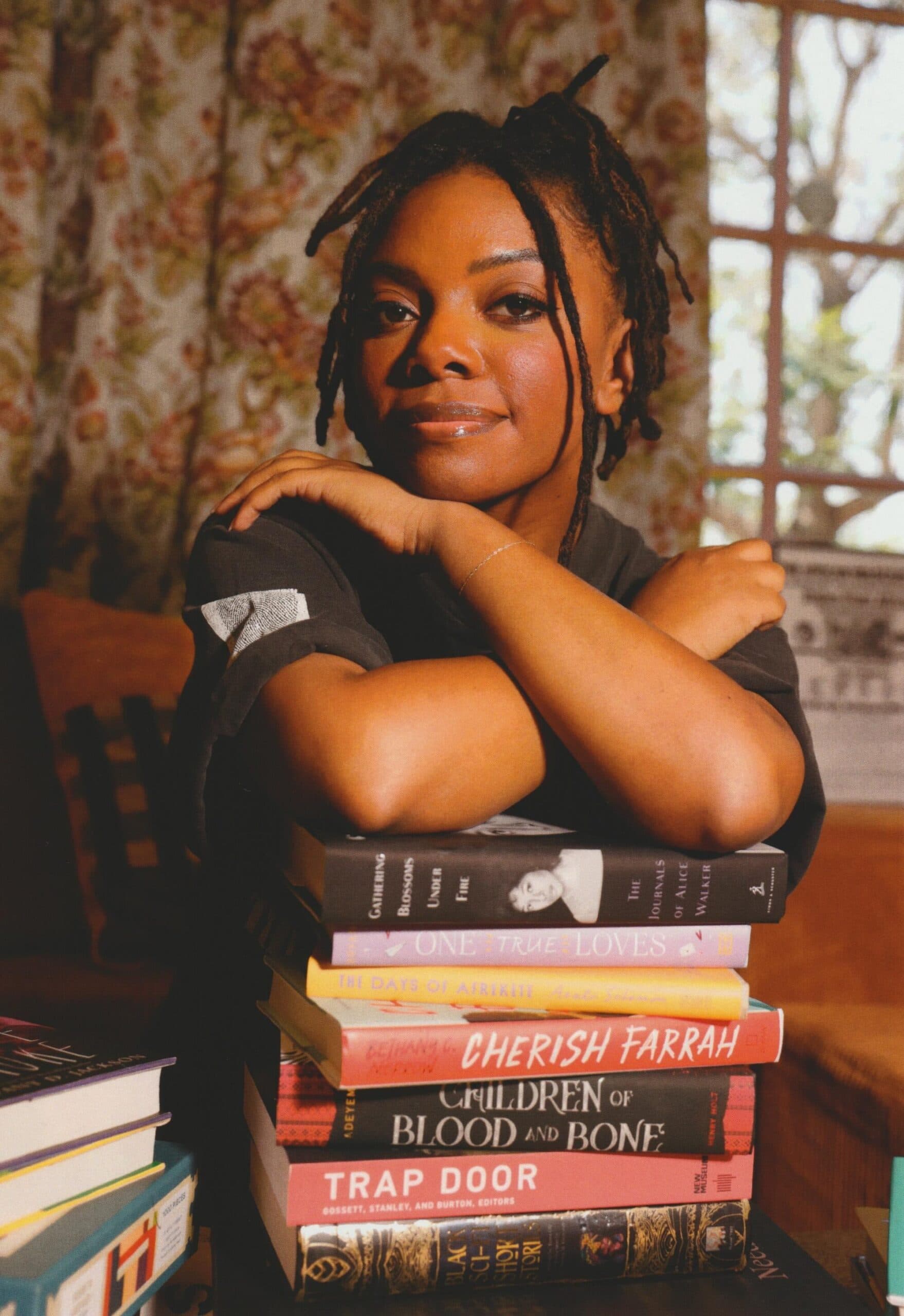 Jazzi McGilbert
What was your journey or trajectory to becoming a bookseller?
"Oddly enough, fashion, death, and burnout. Kinda dark, sorry. I spent a decade in the fashion industry working at Vogue, Teen Vogue, and NYLON, before I completely burned out, and moved back home to LA before my mom died from cancer. I was a very bookish kid, and in my own weird grief fog, I kind of blacked out and opened a Black bookstore, Reparations Club. It makes sense in hindsight. I’m glad I followed the call."
How did you come to believe this career path was possible?
"I’m a Black, queer, neurodivergent, creative weirdo from South Central LA—the path was not clear! Force of will, sheer creativity, and undoubtedly some ancestral guidance led me here. I don't think I'd ever met a Black bookseller before I became one. I was a very bookish kid. I'm still a pretty bookish adult, but all I knew was that I wanted to create a space I could have been myself in growing up. I was a Barnes & Noble kid. The two-story location on the 3rd Street Promenade was my babysitter while my mom worked overtime nearby. I would sit and read until someone told me I couldn't. Something in there fed my curiosity, but I recognized those spaces weren't really built for me. What [would it look like] if they were? The quest for that answer became Rep Club."
Do you have a mission?
"Conversation, community, curiosity. Sometimes I wish Black businesses had the luxury of thriving without being explicitly mission-centered–I’m working through that one still. That's not to say we don't have a mission, or that Rep Club would be better without one. I don't think about the mission so much as I think about the intention: who we're here to serve, why we exist, and doing what I can to maintain that space for Black people in Los Angeles and beyond. We try to serve as a possibility model with the intention to create space for curiosity about Black stories and the diversity within Blackness. We prioritize introverts and artists because those are identities that I hold. There are very few spaces in a major city like Los Angeles designed for introverts. When you design a space introverts actually want to be in, that’s a win for us all."
What are some unexpected aspects of the job that the public rarely sees?
"A bookstore friend said they blame the Hallmark channel for everyone's misconceptions of the bookstore owner’s life! People seem to think it’s slow; we read all day, with our cup of coffee and bookstore cat. First off, I’m allergic to cats! And the publishing industry is an industry like any other. Politics, infighting, drama, comedy–I'm shocked no one has created the Real Housewives of Bookselling yet. It is more fast-paced and more physical than most people realize. Books are heavy, we host a lot of events, sift through thousands of titles, and meet a lot of personalities. It’s more hospitality than retail, even. If you think about the stress of inviting just a few friends over for dinner at your house, imagine hosting hundreds—sometimes thousands—per week. There is a misconception that every author is sweet and kind, and many are, but even authors can be divas. They’re rock stars in this world.
Most don't consider the depth of conversation that's happening in bookstores. I learn a lot about the world just sitting at Rep Club and listening all day. I learn so much from customers and authors alike. I've had some of the most interesting conversations casually at the bookstore."
Book bans have always existed, but over the past decade, there has been an impassioned resurgence. How do these policies impact and inform your work?
"My friends in the South have been hit hardest with litigation, threats, and loss of business. Book bans emphasize the importance of truly, fiercely independent bookstores and spaces that can curate with a certain amount of freedom. No one really decides what's on Rep Club shelves except us. I think book bans suck, and the people who are trying to ban books are very misguided, but you can't keep a good book down. Keep trying, and you’ll keep seeing that Streisand Effect at work."
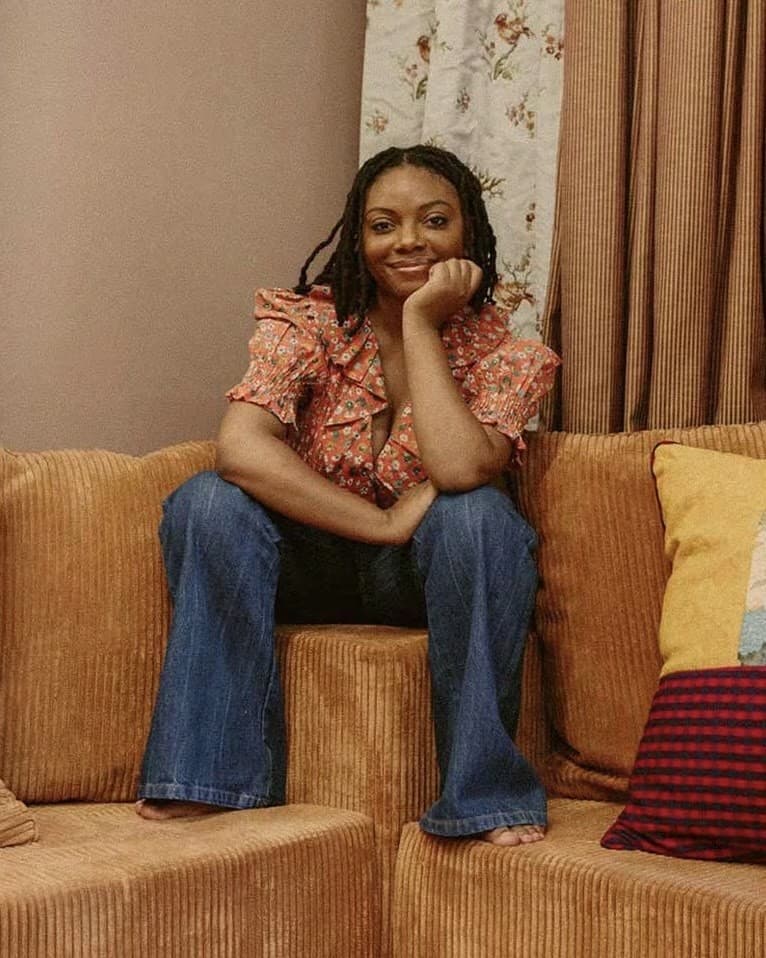 Jazzi McGilbert
What are some ways the average person can help combat illiteracy?
"At the end of the day, if someone bought a book just to take a picture of it and didn't read it at all, I actually don't think that's the worst thing in the world. Performative, sure, but if the performance inspires better literacy rates? Let’s fucking go! Be like your favorite pop girly and start that book club! Better that than getting a DUI on your way to Kitson, or whatever we were doing in the 2000s. Books 'trending' is a net positive; a negative outcome is publishers using popularity as the sole metric to decide whose words get published."
What is one piece of advice you would give to future booksellers or librarians?
"Read outside your comfort zone. I think as a bookseller, your job is not only to put a book you love in someone's hands, but to help them find that one book that’s going to impact their lives. I know a little about a lot of the books on our shelves, and like a great matchmaker, I don’t have to date them personally to help you find the one."
What are five books you would recommend?
"The Secret Lives of Church Ladies by Deesha Philyaw, Absolutely anything by Hanif Abdurraqib, Sister Love: The Letters of Audre Lorde and Pat Parker 1974-1989, Toni Morrison’s Playing in the Dark: Whiteness and the Literary Imagination, Reflections in Black by Deborah Willis."