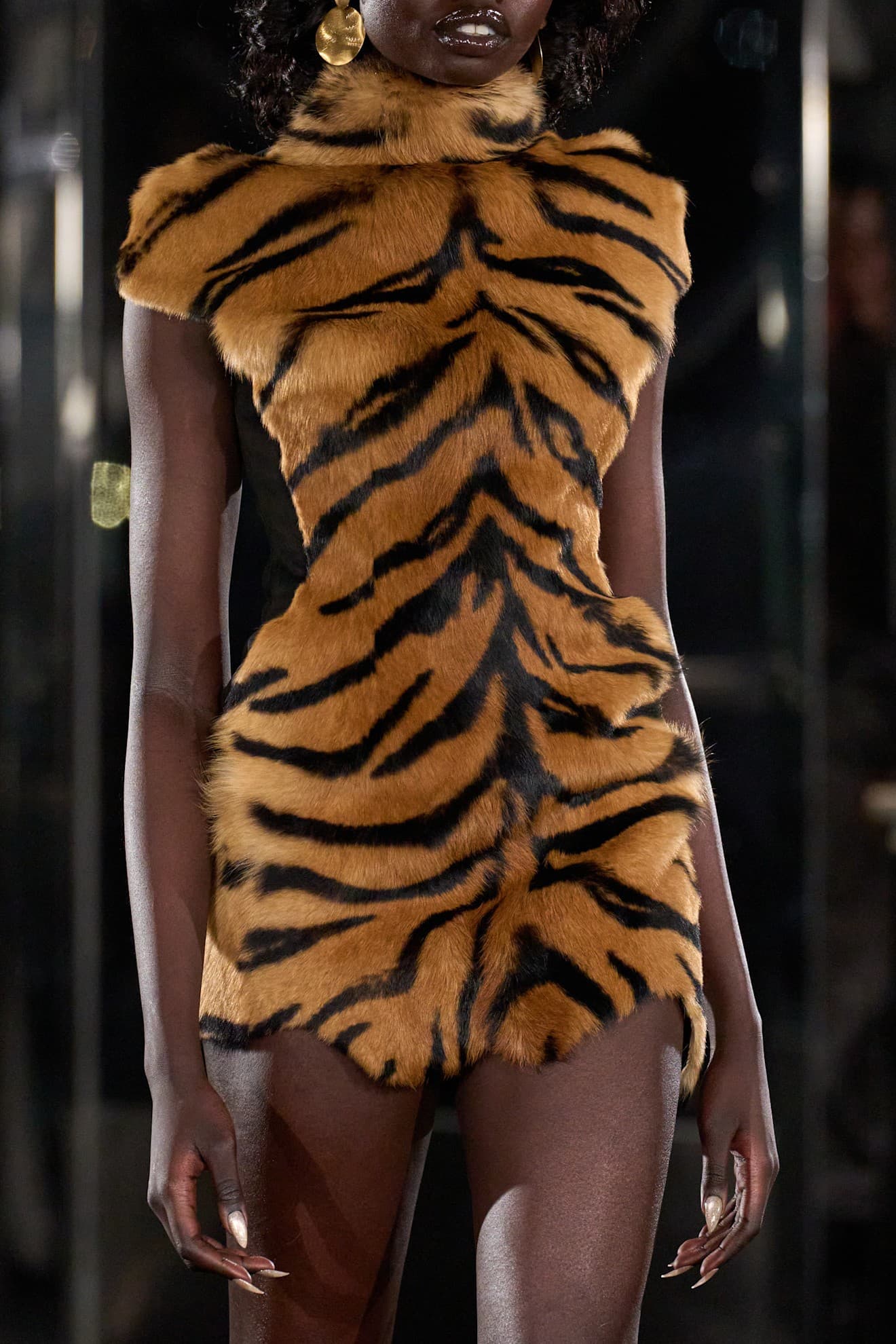
If this fashion month has taught us anything at all, it's that animal print is the trend that keeps on giving—and perhaps the one trend that can reinvent itself over and over again without feeling tired or repetitive. Animal prints and furs clashed, complemented, and fully made outfits—all while adding a combined element of bold sex appeal, glamour, and fun, all while paying homage to fashion history. Animal furs were all over Kim Shui's boat runway show: tiger trimmed coats, leopard pencil skirts, and tiger mini dresses, to name just a few examples. The show was maximalism central in the best way possible and it felt like confidence and sexual liberation were in the air—and the prints being sent down the runway contributed to that.
Shui is only one of many designers to send animal print down their Fall/Winter 2026 winter runways. Animal print has been so prominent this fashion month that we’re comfortable deeming this moment in fashion history ‘the great animal print resurgence.’
 Animal Print Is The Trend That Accumulates Meaning Launchmetrics
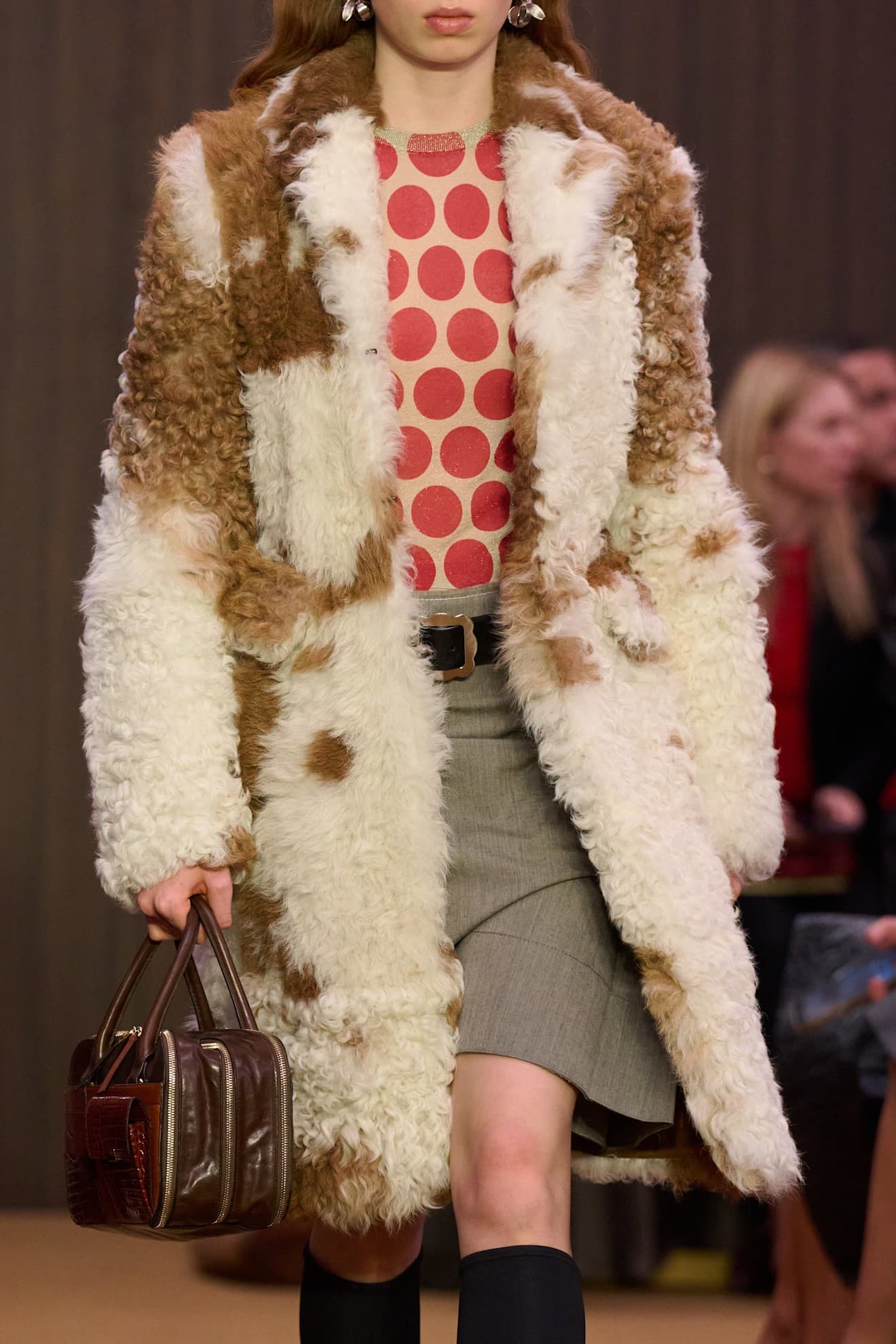
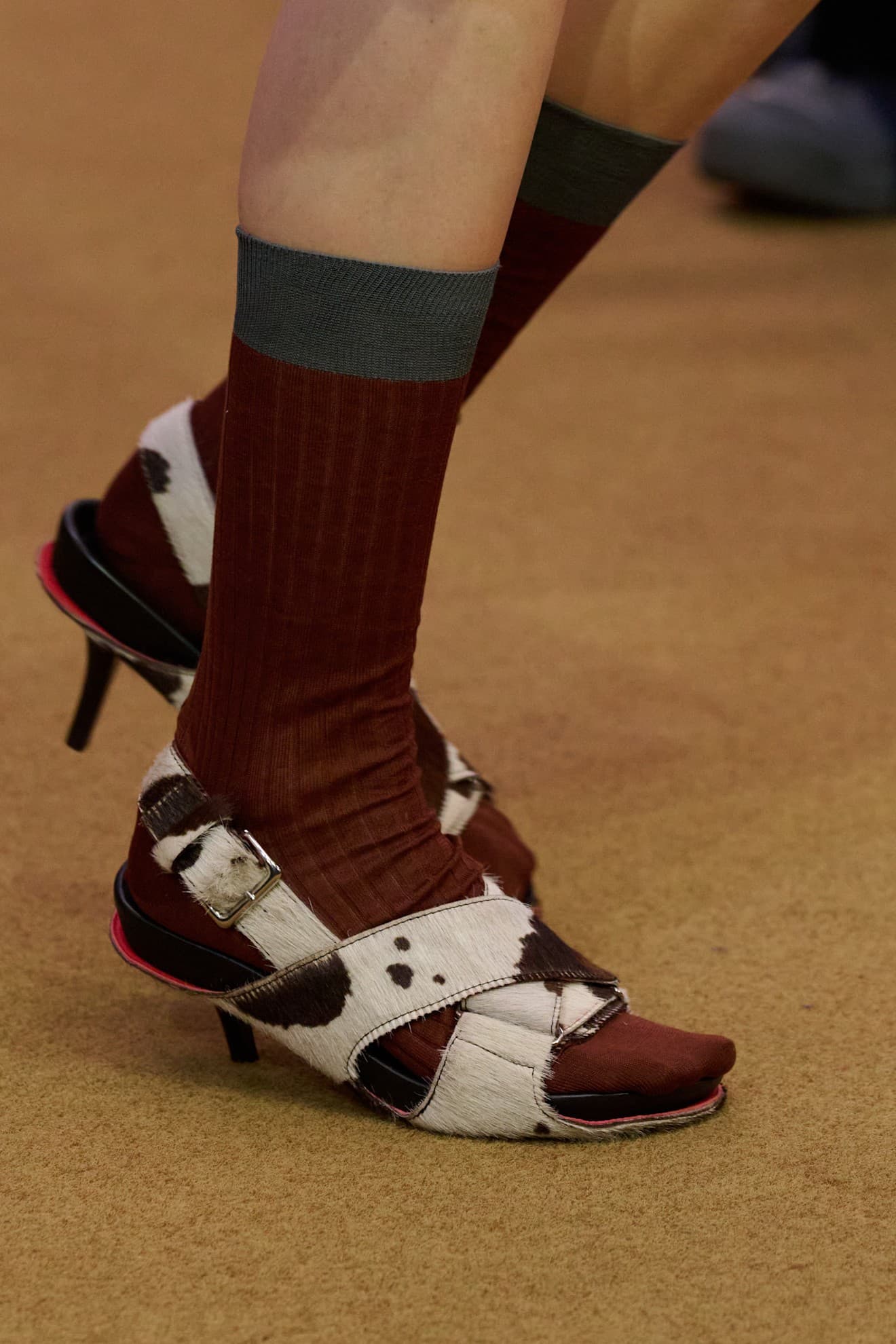
In Milan, Meryll Rogge's Marni collection featured cowhide coats, as well as bags and shoes which offered animal print in small yet mighty doses. At Marni, these prints often contrasted with other patterns and were paired with unexpected colors—the animal printed items weren't the entire outfit, but rather an extra statement.
 Marni Fall/Winter 2026 Launchmetrics
 Marni Fall/Winter 2026 Launchmetrics
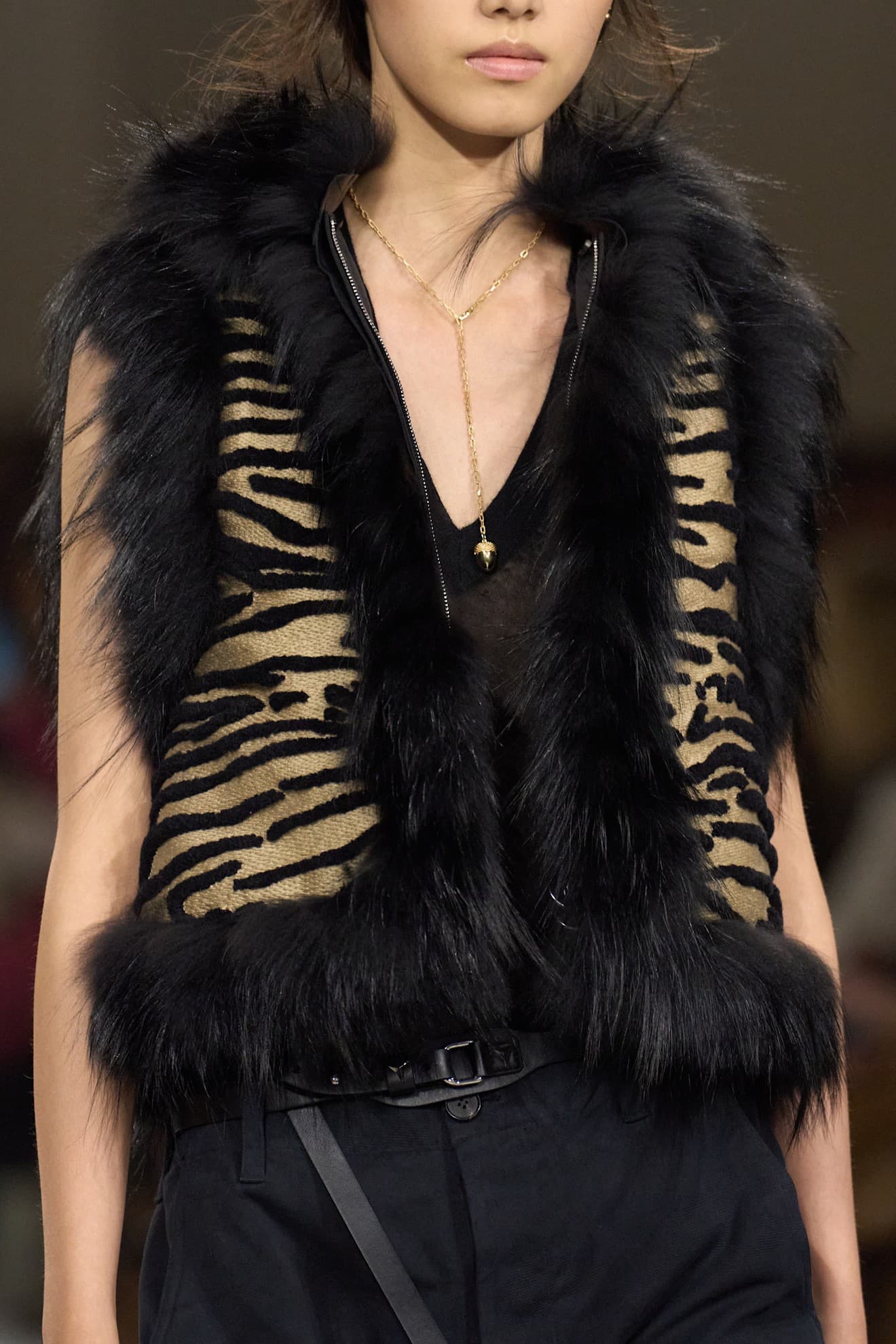
Prada's Fall/Winter 2026 collection embraced animal print through subtle touches, too: a cheetah trimmed parka and snakeskin bags, for example. Over at Fendi, tiger coats and vests made loud statements, while tiger-printed baguette bags (some sequined) worked as quieter complementers.
 Fendi Fall/Winter 2026 Launchmetrics
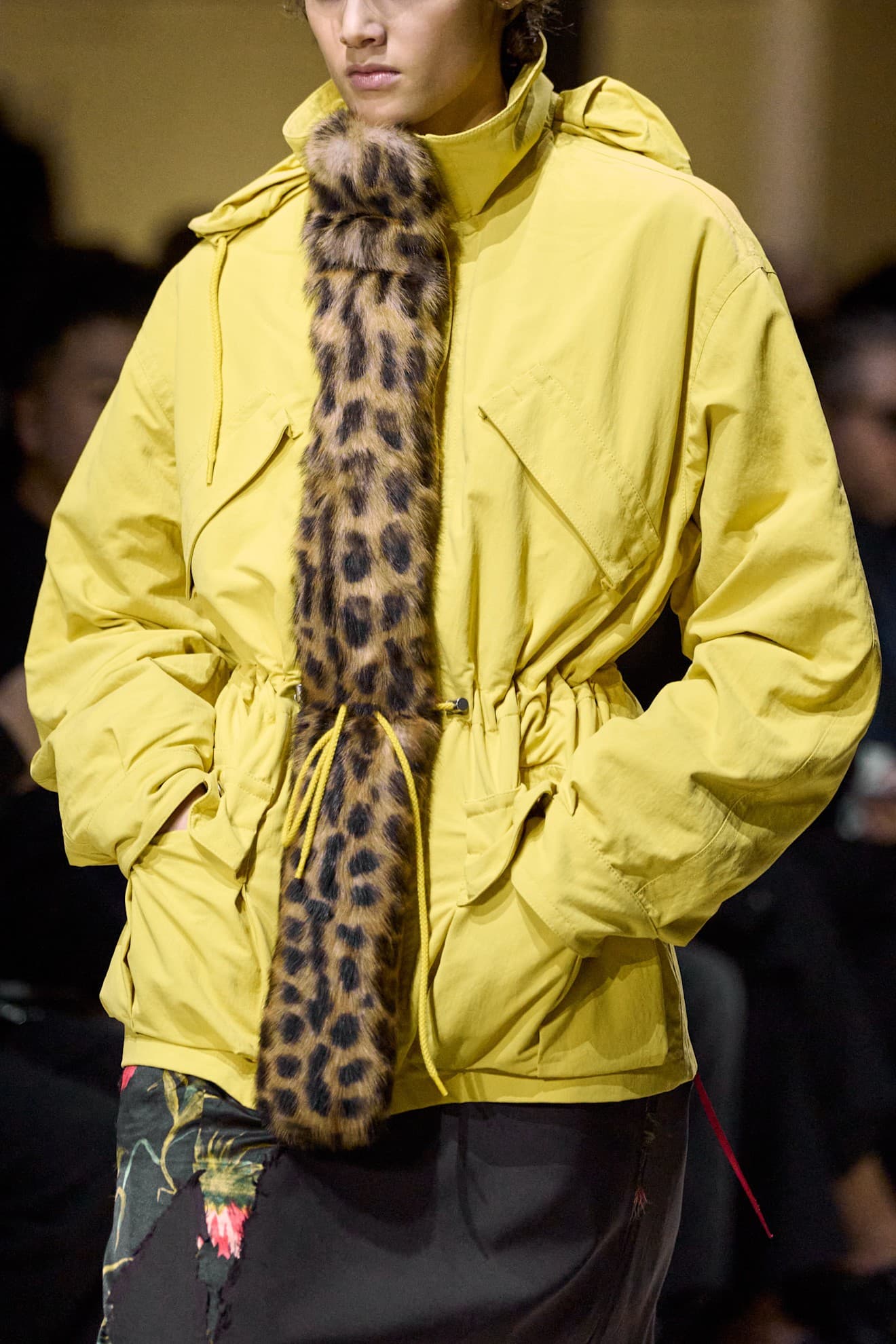 Prada Fall/Winter 2026 Launchmetrics
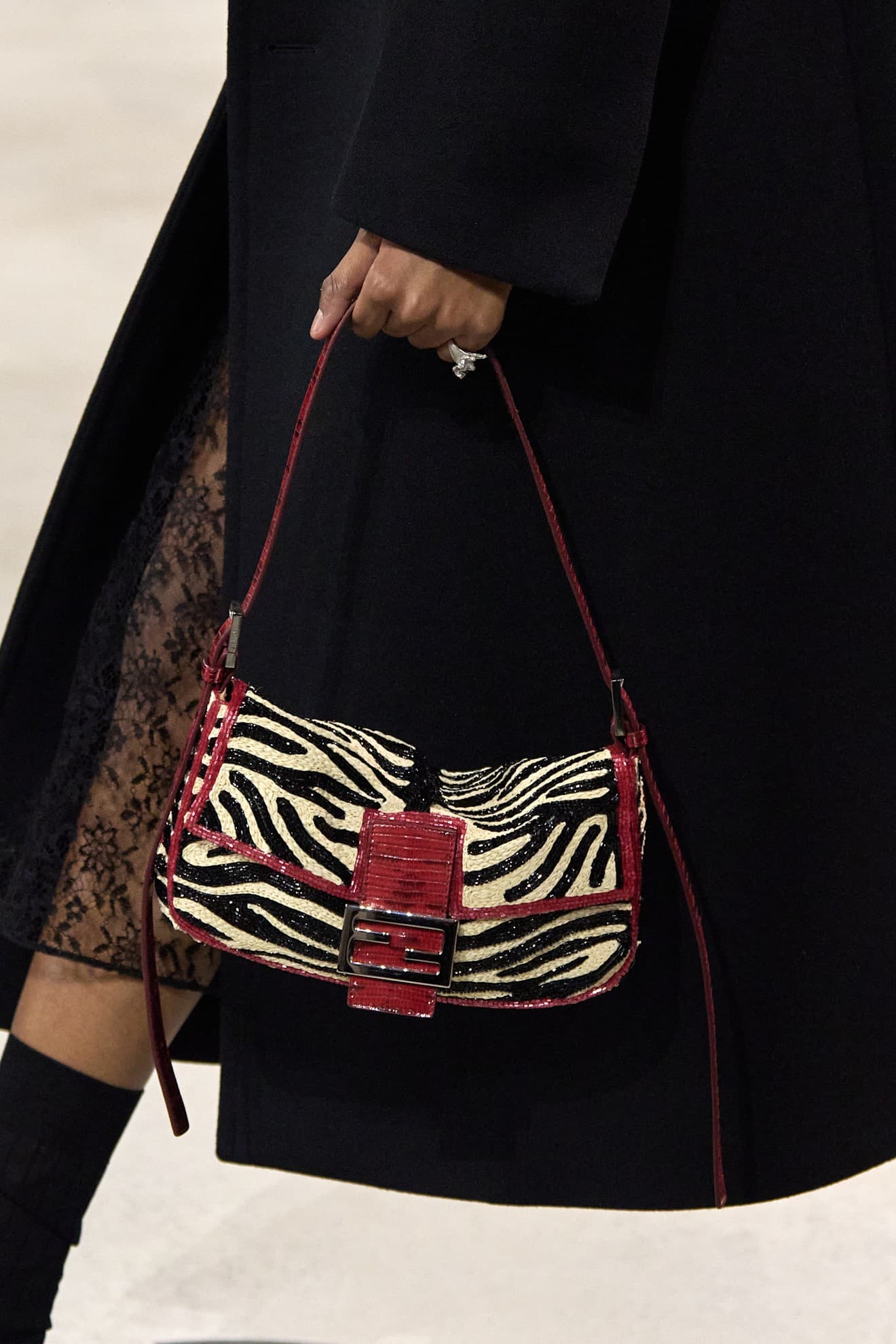 Fendi Fall/Winter 2026 Launchmetrics
From ancient royal beginnings to Jazz Age icons to a symbol of resilience in Black culture, animal print in fashion has lived many lives cloaked in varying connotations, both positive and negative. "Animal fur has been popular everywhere that big cats and other animals with distinct patterns have existed, " author of "Fierce: The History of Leopard Print" Jo Weldon says. "[It was often] a sign of masculinity, the idea of conquering a cat." First worn in ancient Egypt as a declaration of high status, a form of spiritual protection, and a symbol of divinity, animal prints and fur imitations were further popularized throughout the court of Marie Antoinette, who was arguably the style icon and trendsetter of the 18th century and, long story short, had influence.
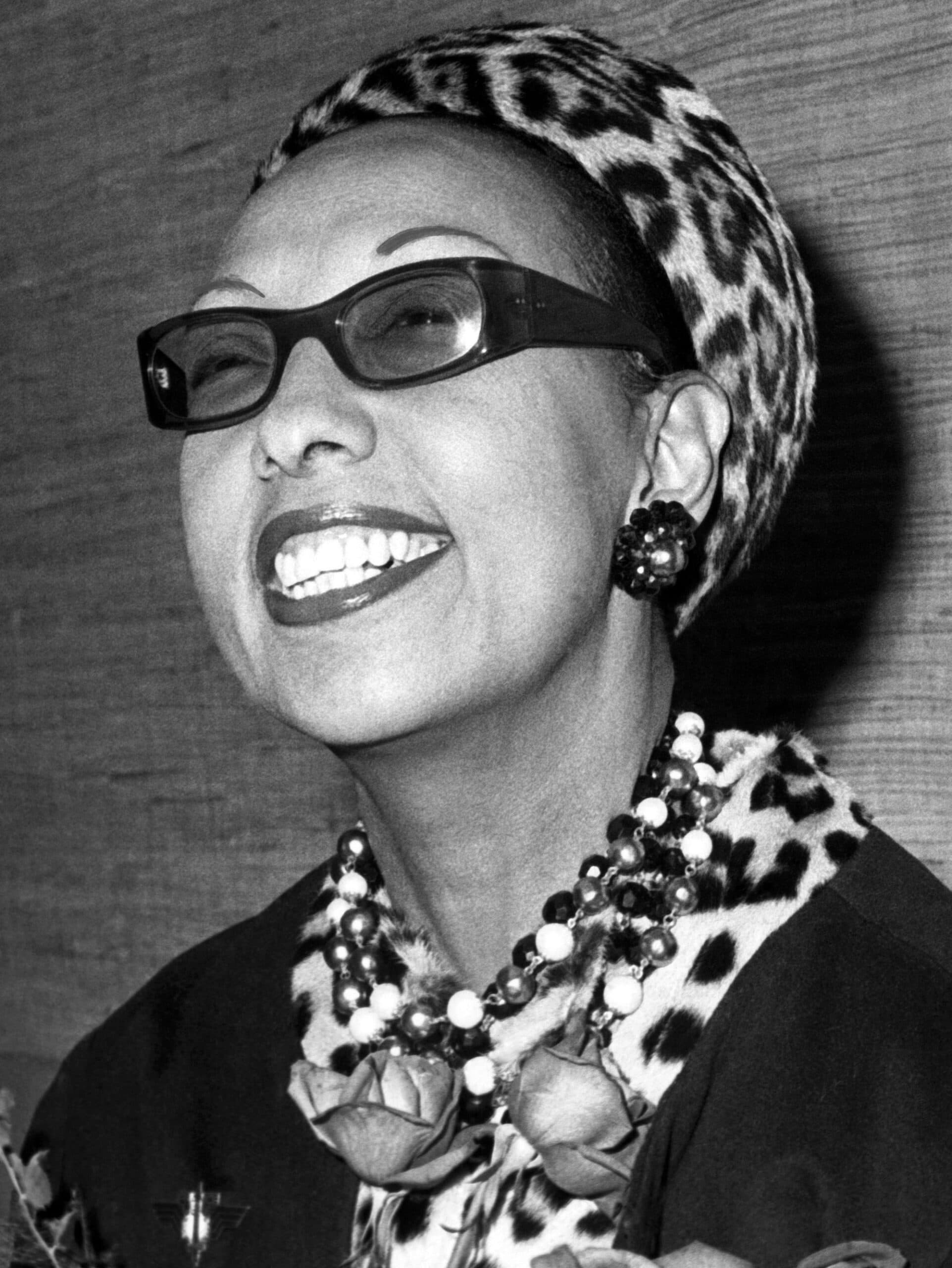 VTT/Shutterstock
Then, throughout the Jazz Age, sexual liberation was top of mind, there was a newfound fascination with Egyptian and African style, and Josephine Baker co-signed the animal print trend. "In the West, animal prints as a concept we see emerged quite rapidly during the 1920s and 1930s, or the great Jazz Age, when fashion was heading toward a more surrealist vision,' Darnell-Jamal Lisby, Associate Curator of Fashion at the Cleveland Museum of Art, says. At this same time, more affordable clothes became available and, in turn, emulating trends co-signed by celebrities became more accessible—then all of a sudden, the trend was considered “trashy.” "People will literally think of whatever that becomes accessible and popular as tacky just because it's no longer elite," Weldon says.
Then, the high fashion endorsements came along: Elsa Schiaparelli embraced surrealist interpretations of animal motifs in her designs in the 1930s, Christian Dior's first line, the "New Look Collection," featured a leopard-printed silk chiffon dress in 1947 and, come the 1950s, animal print received perhaps the most important fashion endorsement of the time: Jackie Kennedy, who frequently wore a leopard-print coat. Then, in the 1970s designer Roberto Cavalli entered the scene and further revolutionized the trend. "In every era, when people would've overdosed on animal print or thought it was tacky, it was still in high fashion," Weldon says. "So it managed to maintain both of those meanings, depending on whether it was worn by a rich person or a not so rich person."
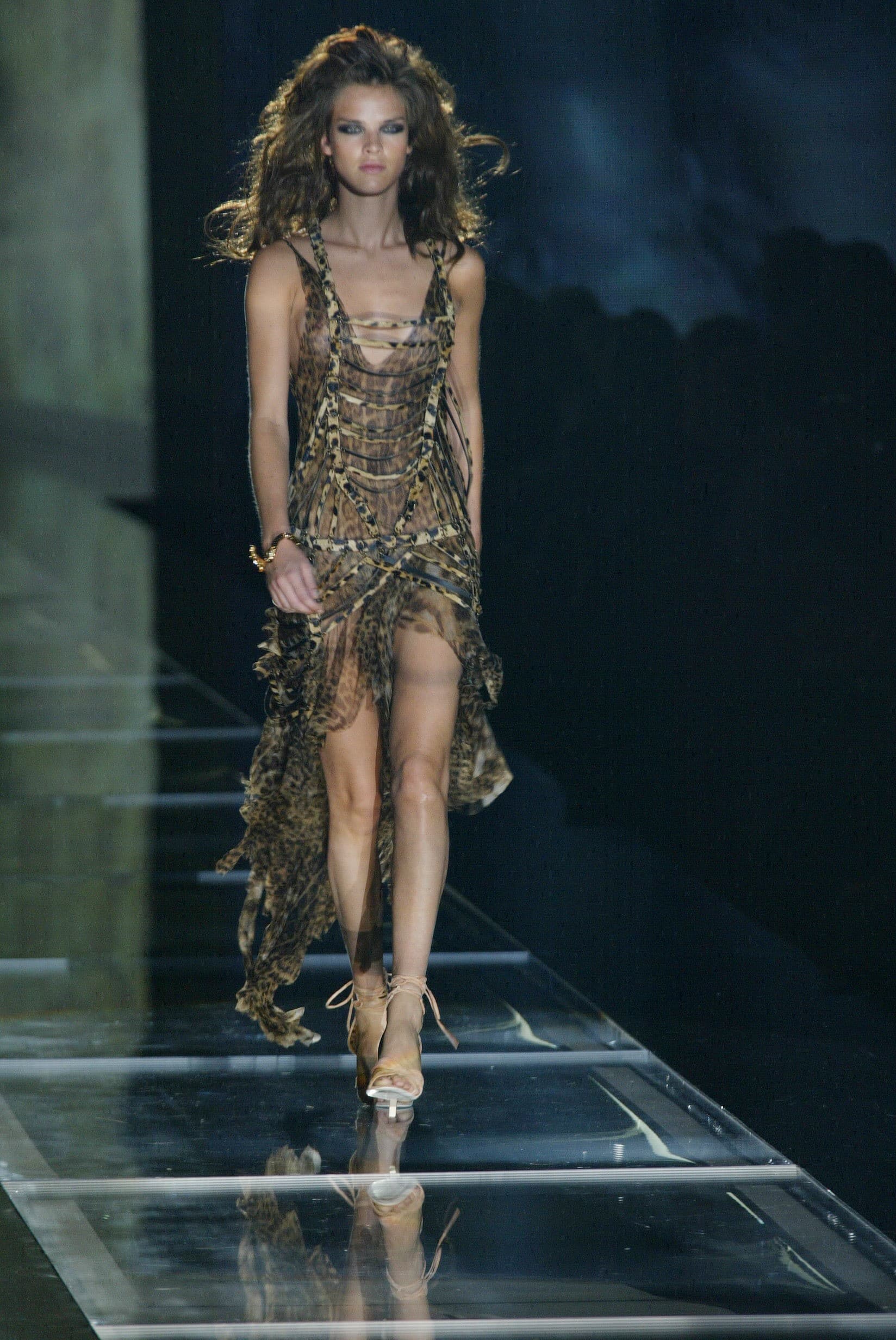 Roberto Cavalli Spring/Summer 2005 ZUMA Press Wire/Karl Polverino/Shutterstock
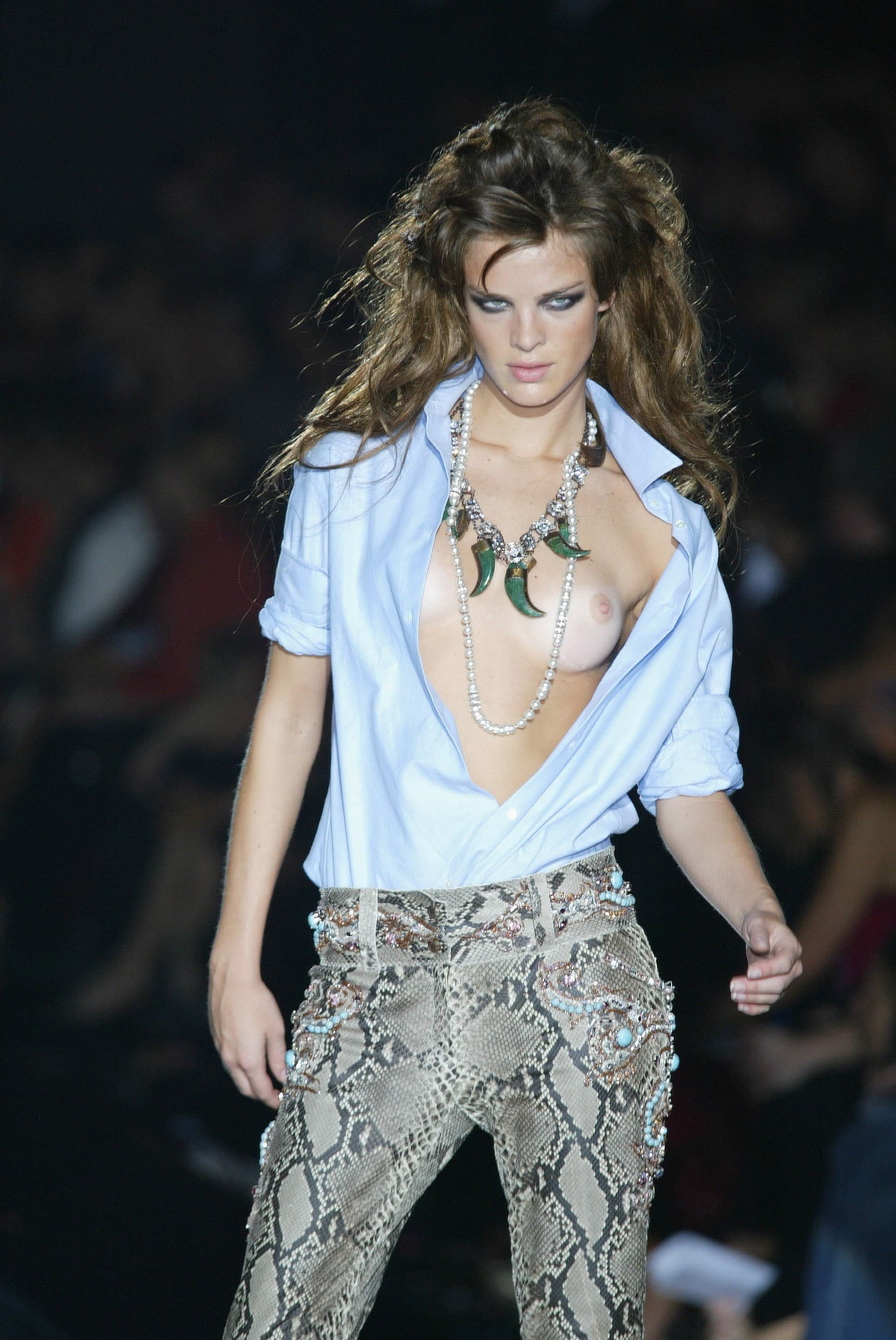 Roberto Cavalli Spring/Summer 2004 ZUMA Press Wire/Karl Polverino/Shutterstock
With endorsements from rock stars like Debbie Harry, Pat Benatar, and David Bowie, and the help of the punk rock scene and drag queens, the '60s, '70s, and '80s offered a subversive edge to the trend. "It could have negative connotations of tackiness, which I think is why glam rockers and punk rockers were attracted to it specifically, as well as drag queens because they had that subversive, 'we're not afraid to wear this thing that you are saying is unpresentable' attitude," Weldon says.
Soon, the trend began to hold a special place in Black culture, as seen through the "Blaxploitation" of films in the '70s in which a genre of films created by Black artists and for Black audiences emerged—and, of course, featured a cast of well dressed Black characters in animal prints and other styles which would emerge as trends in the future. The animal prints symbolized Black confidence, strength, and resilience. This connection to Black culture of course leads to further negative connotations surrounding the trend, often ones surrounding the idea of Black people and overt sexuality. This is all to say that the animal print trend is forever evolving and, as demonstrated throughout this fashion month, is showing no signs of stopping.
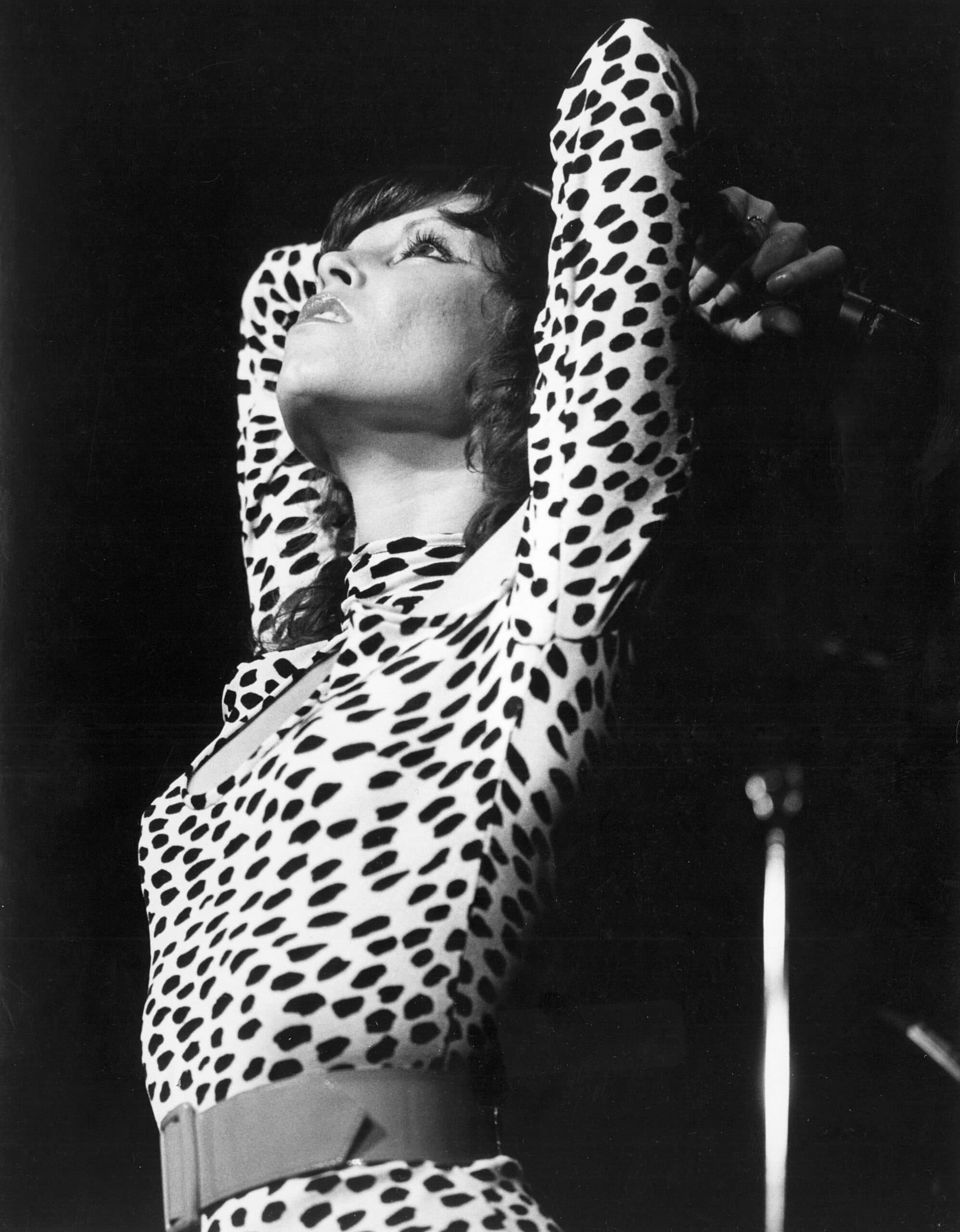
So what is it, in this particular moment, that has called for an animal print resurgence? Arguably, it's a collective need to feel strong paired with a collective desire to express ourselves to the fullest through fashion—because troubling times call for fun fashion. "We want to connect to something that gives us fantasies of being strong," Weldon says. "I think it's also about playfulness in difficult times and beauty reminds us what we're fighting for."