In Eye Diet, Sydney Gore observes the latest design and lifestyle trends worth obsessing over.
A media literacy crisis is allegedly upon us, but if the soft pink cover of the new Architectural Digest book is any indication, another vibe shift is underway. At this phase of the Literary It Girl or “lit girl” era, books are the most powerful weapon against forces beyond our control. If naming an album The Tortured Poets Department wasn’t performative enough, Taylor Swift did not curb her enthusiasm for the subject when she identified as an English teacher in her engagement announcement. Meanwhile, the actor Callum Turner recently shared how the book Trust by Hernán Díaz helped him seal the deal with his fiancée Dua Lipa when they first met. (The British-Albanian singer founded her own book club in 2023.) This is what I like to call “Dua’s prayer.”
When all hope seemed lost, “Reading Rainbow” returned with TikTok star Mychal the Librarian as its new host. All eyes were on Hodakova’s dress made out of actual books at Paris Fashion Week. Some people are even embarking on reading retreats to escape from their surroundings—over the summer, I received a pitch from a publicist for a hotel with the following proposition: “Could book club getaways and romantasy-inspired trips be the newest travel trend?” Since then, I’ve received numerous invitations for book events, from special performances at Surrogate’s Court for research journal releases to intimate talks at The Twenty Two.
Getting Buzzed Off Books
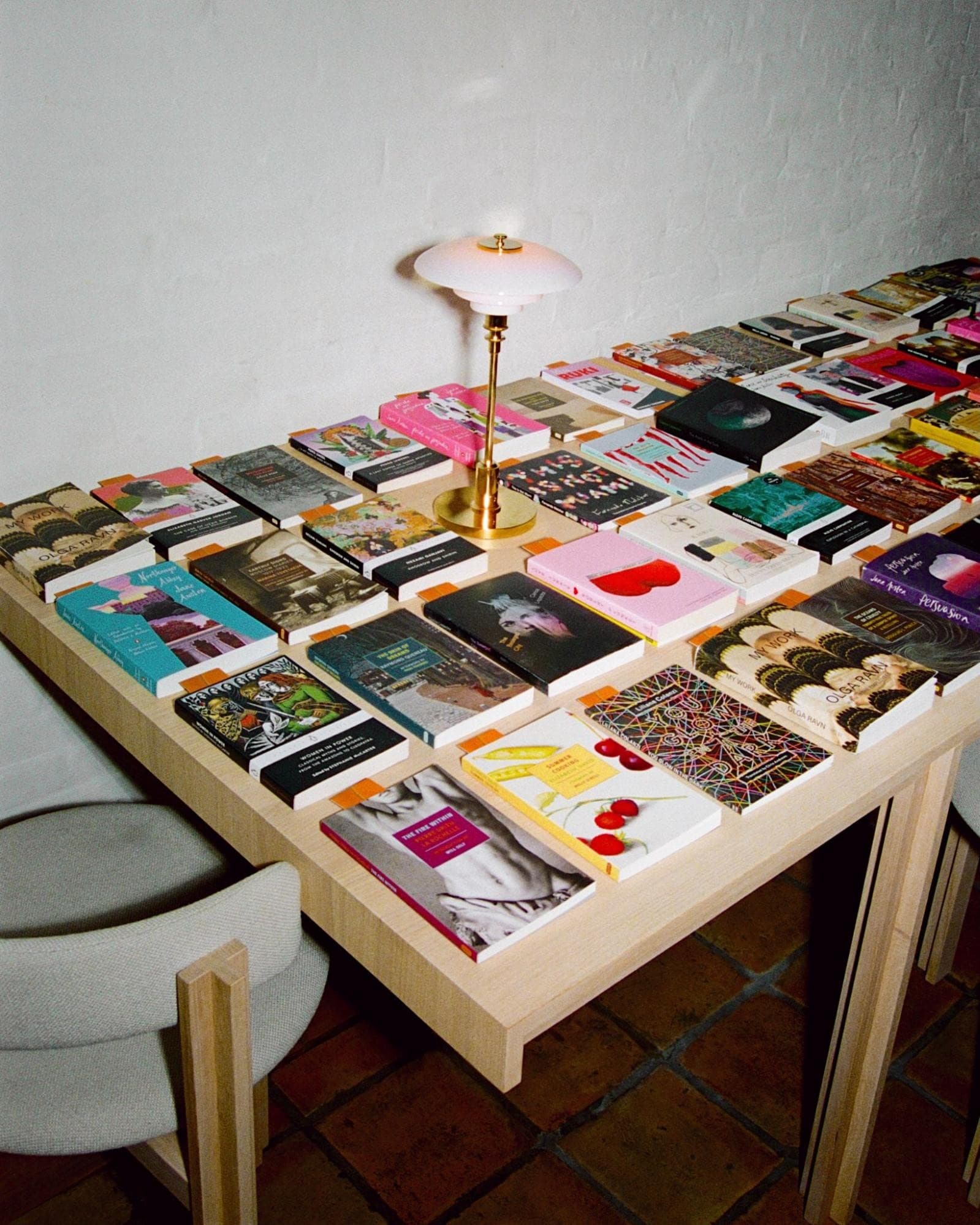 “Maybe you're not in the market for buying a $300 lamp right now, but you’ll have that book that will be a little memento of the evening, which is a nice association," says Austin Durling, Director of PR & Marketing, North America at Louis Poulsen. (PH 2/1 Table Lamp by Louis Poulsen, $1,320) Jenn Roberts
Last month, I attended a cocktail party for Louis Poulsen hosted by Lizzy Hadfield, founder of the book club Buffy’s. The Danish lighting brand took over a two-story house in Brooklyn Heights, encouraging attendees to mingle in moody lit rooms and take books off every shelf to read at their leisure in the privacy of their own homes.
The concept for the event came to Austin Durling, director of PR & marketing, North America at Louis Poulsen, back in February, but he thought it would be best to save for the fall, which is arguably the coziest time of year. “I went into my boss’s office and I said, ‘Reading is in,’” he recalls. “I was like, ‘We could do something like this with Louis Poulsen and really show it off as the lamp that you want to be nearby when you’re enjoying a good book and having a cozy night in.’”
According to Durling, setting the event inside a private residence was key so people could really immerse themselves in the bigger picture experience of living with the lighting. “I think it was successful in showing how to live with Louis Poulsen rather than just going to a showroom event where it’s on display; it feels a little more lived in,” he says. “It’s a cool way to be in the same room as people you would never meet in New York otherwise.”
These types of activations also set the stage for a meeting of the minds where deeper conversations can take place at a slower pace. “I’m always looking to try to do things that are not the same exact audience that we always go to,” Durling says. “Obviously, there’s value in talking to people that are paying attention to you already, but at some point you need to branch out, see what else is out there, and get some new eyes on what you’re doing.”
Seeking Third Spaces For Critical Thinking
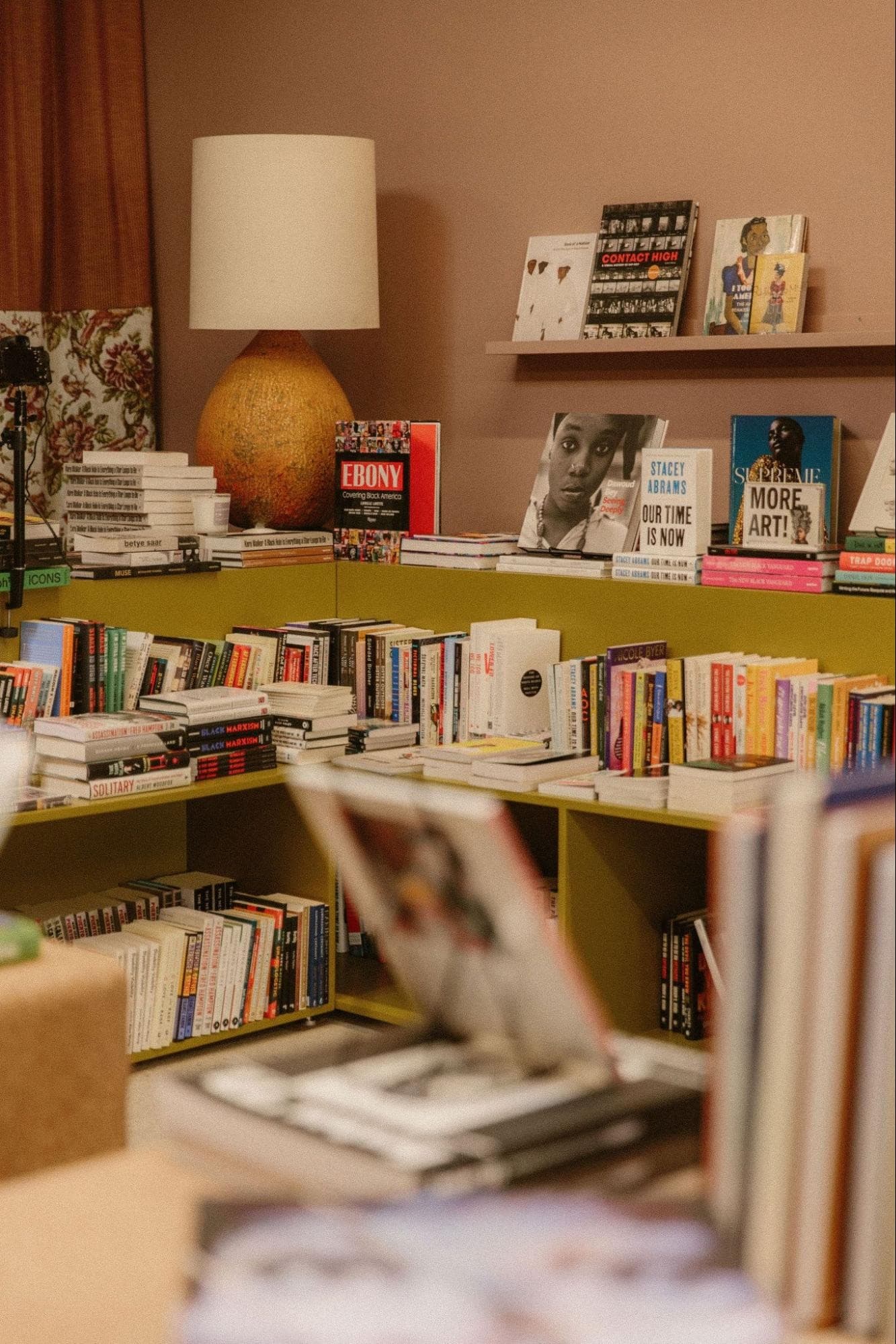
 "I built a space with pure intention and the people really took to it. Reciprocity is important to be in all relationships, and that includes in community,” Jazzi McGilbert says about starting Reparations Club. Nicki Sebastian
Nowadays, people are seeking out casual ways to connect on a deeper level. When Jazzi McGillbert opened Reparations Club in 2019, she wanted to create a space for bookish introverts like her in Los Angeles. Since the doors first opened, she’s never called it a bookstore, preferring to use “concept shop” and “community space” as descriptors for her business. Her favorite aspect of being a bookseller is helping customers figure out what they want to read without being told outright, a sacred duty she compares to taking on the role of a personal stylist.
“There aren’t a lot of spaces that cater to critical thought that are not academic in nature," McGilbert says. "That was a big part of it; wanting a space that could hold a lot of different conversations, hold my own curiosity, and not be alcohol and extrovert-centered. I’ve always been an introvert in big cities. We’re a special breed and needed our own kind of party. New York has the reputation as the critical thinking, literary city. LA just doesn’t have the same infrastructure built up, but those people still exist—I know because I’m one of them."
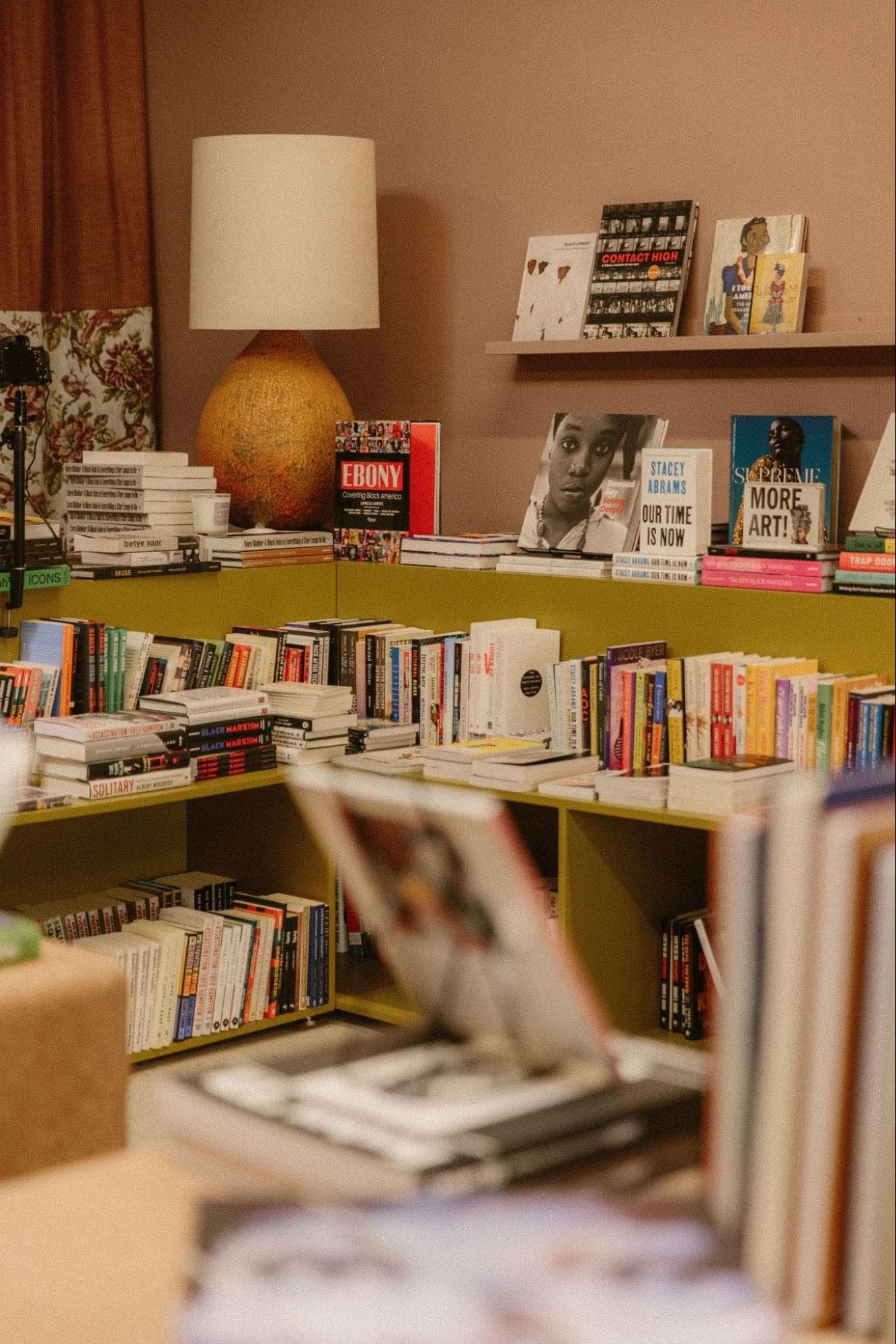 Nicki Sebastian
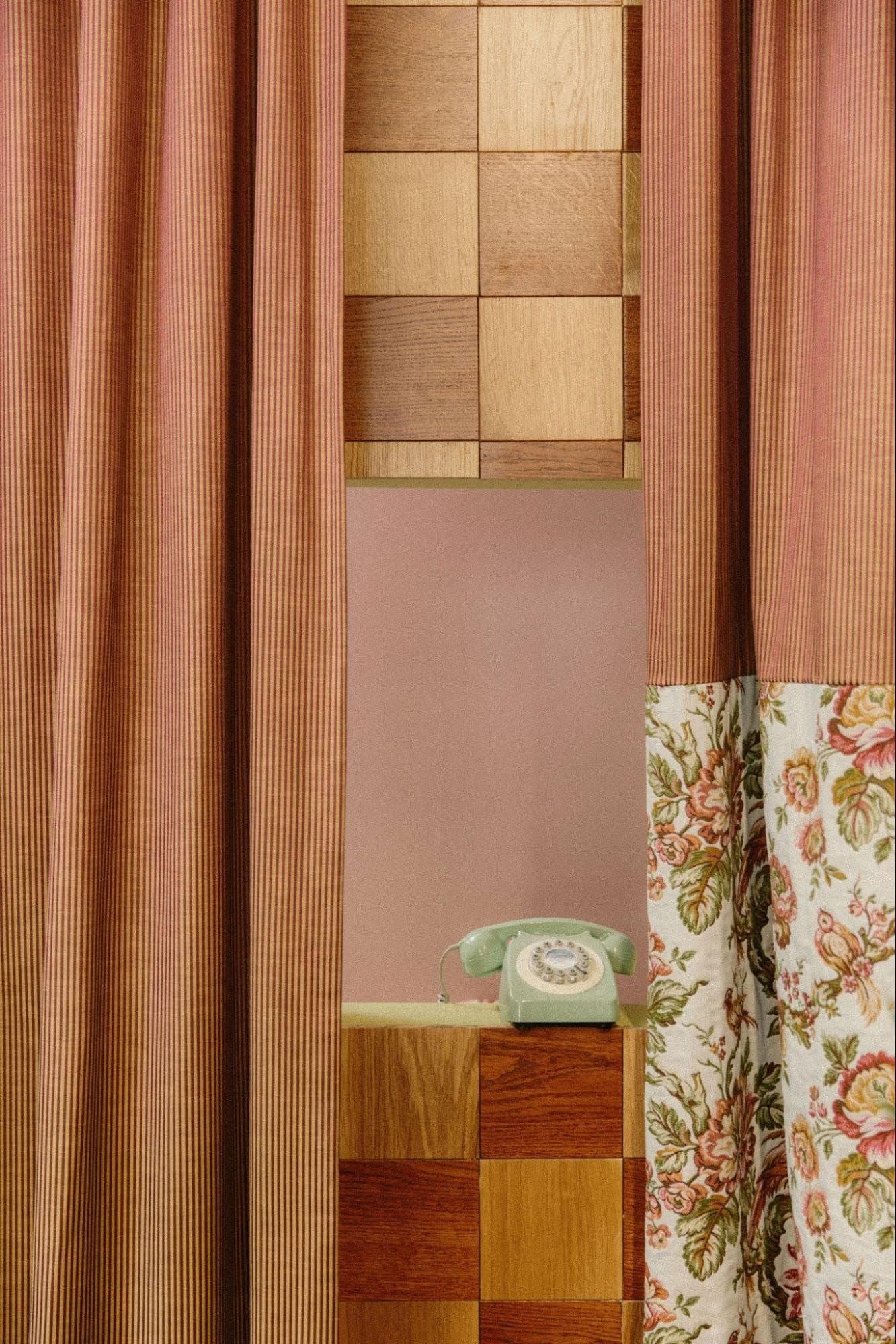
"A Black bookstore interior was probably an unexpected project," says McGilbert. "It started with my DNA and groundwork from our initial concept space, a collaboration with set designer Lauren Machen. When we moved, Wall for Apricots brought their unmatched eye and expertise in retail spaces to push that vision even further."
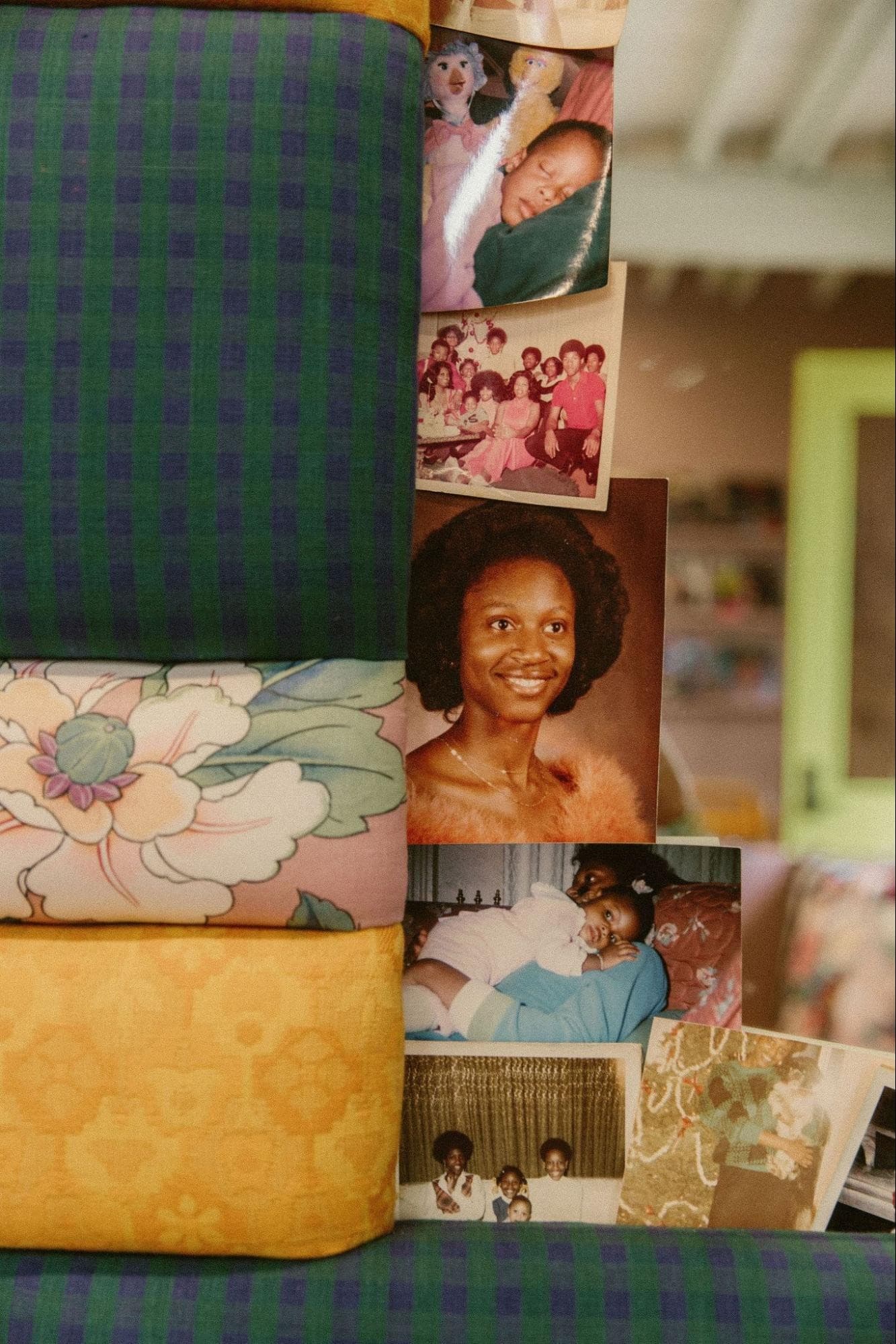
For example, the founder craved the comfort of warm and familiar colors and textures from her childhood that would ground the space; the mossy green shelving displays nod to her dad’s shag carpet while an orange corduroy couch pays homage to her
grandmother’s sweet potato pie. Real family photographs are tucked underneath the plushy border that frames a mirror in the sitting area. Patchwork elements also appear in the background, a nod to the late multimedia artist
whose prolific narrative quilts are deeply embedded within the childhoods of so many Black millennials.
As McGilbert constructed the branding of Reparations Club, she liked the idea of reverse engineering the meaning behind a fluorescent, neon yellow. "Our brand color is inspired by highlighter in a book, the ways Black people can be simultaneously invisible and hyper-visible," she says. "I thought about Glossier pink and what Rep Club’s answer to that could be.”
Reading At The Club
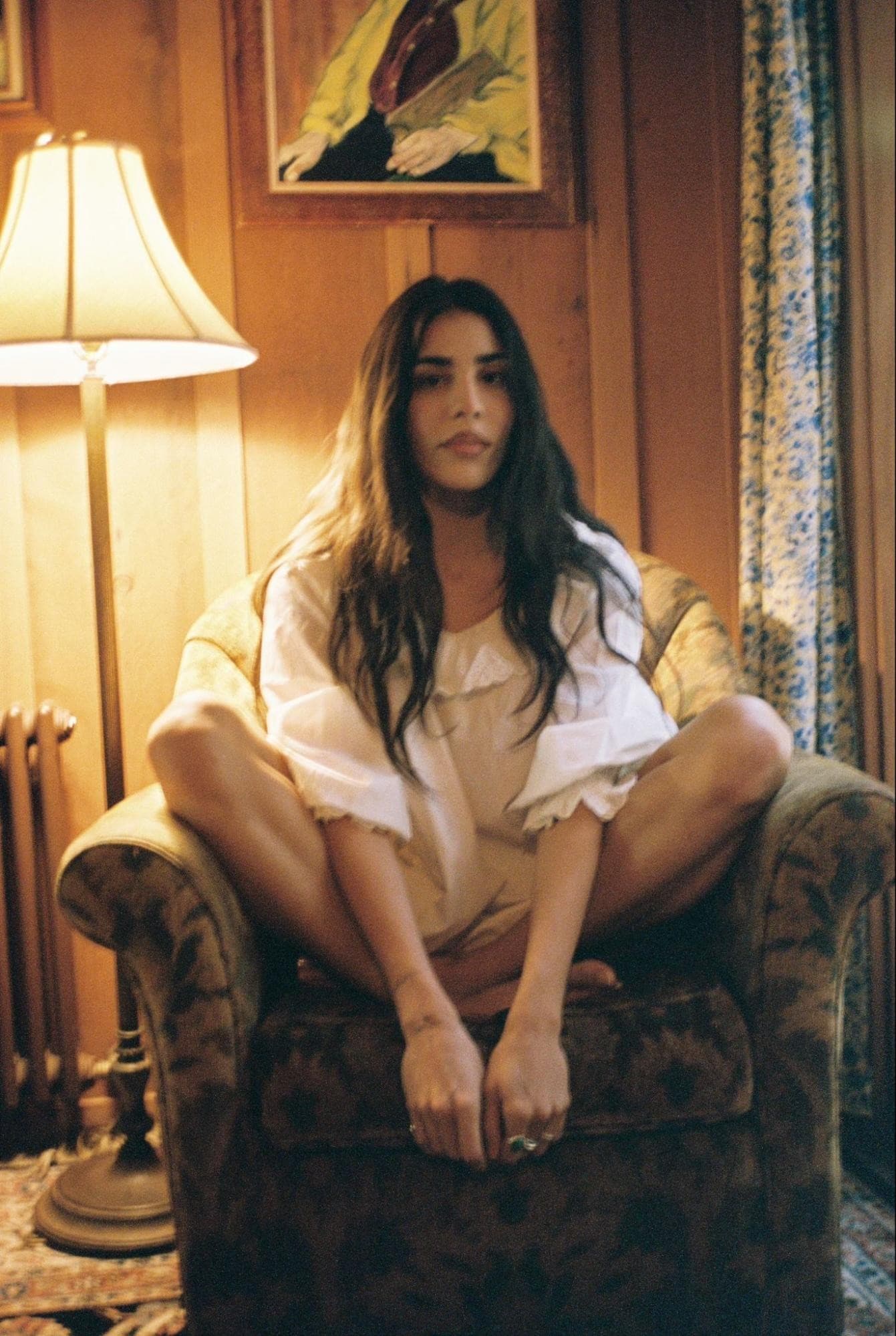 Carloto launched Bible Study earlier this year. “I found something in my Notes app that I wrote in 2020 and it was ‘bible study book club,’” she recalls. “I thought that was a genius name for a book club, I was like ‘Somebody has to use this at some point.’” Orion Carloto
Everyone has their own reason for starting a book club. Fatimah Warner started the Noname Book Club in 2019 to connect community members both inside and outside carceral facilities with radical books. Since then, it has evolved into the Radical Hood Library which hosts teach-ins, movie screenings, prison program packing, book drives, and more. After establishing a physical book borrowing system in 2021, Solange Knowles recently expanded the operations of Saint Heron Library into a digital archive library of rare, out of print, and first edition titles by Black and brown authors, poets, and artists this year. (This month, Saint Heron Press released its debut research journal about the multi-faceted life and career of Amaza Lee Meredith, a Black and queer architect, artist and educator.)
Back in February, Orion Carloto launched a book club called Bible Study as a platform project. “I never thought I would be somebody who would have a book club only because the nature of it isn’t something I’m particularly drawn to,” she confesses. “It works for some people, it just doesn’t work for me.” Instead of organizing meetups to dissect the book of the month, the Los Angeles-based creative sends out a recommendation along with a curated playlist to the inboxes of her devoted members when she sees fit. (Bible Study is currently on a mini sabbatical.) Carloto is wary of how willingly people adopt other’s opinions as their own. “There’s very little space for silence to challenge yourself and come up with your own—they don’t have to be the correct thought, but it's your thought," she says. "I think that nurtures critical thinking, your own desires, and your own interests outside of trends and parasocial relationships with other people.”
 “[Bible Study] started as a platform project and I think it will kind of always remain that way,” Carloto says. “It can just be what it is and that is enough.”" Orion Carloto
Despite starting her own book club a few months ago, Rachel Saunders admits that she has never identified as a bookworm. “I am not literary in any way, but I’m an audio learner so I gobble up audio books,” she says. The Canadian artist is fully invested in personal development—she regularly hosts artist residencies and retreats—and was profoundly impacted by the group she became a part of through The Artist’s Way a few years ago. “That accountability piece that I experienced as an ADHD gal, it was the only way I could actually make it through a book,” she adds.
After reading the boo,
Existential Kink
, she felt inspired to form a group rooted in accountability. Her intent with
is to offer a welcoming space for readers at all levels to share resources and support each other through the medium of reading. “I thought ‘I could recommend this book and maybe three people would read it,’ or we could all hold hands and meet and share and go through it together,” Saunders explains. “I really believe in the outcome and the tools and methods, but I’m probably never going to be hosting a book club where it’s fantasy fiction. Maybe that is what I need in my life, but my Virgo rising is like ‘Let’s be better, let’s grow and evolve together.’”
Don't Judge A Cover...
Reading nooks have recently risen in popularity, coinciding with trends like covecore. For those that weren’t on board with “bookshelf wealth,” there’s been an influx of book-themed decor on the market: Miu Miu has Literary Club, Chanel has Literary Rendezvous, and Dior has Jonathan Anderson’s reimagined Book Totes with the covers of literary classics. One of the bestsellers from Carloto’s sock collaboration with Doublesoul is a pair with “well read” printed on the toes, a cheeky play on what it means to be a well-read girl. “I love that it can be read as ‘well read’ depending on how you want to take it,” she adds.
While indulging in some retail therapy, I came across Brigitte Tanaka’s organza book pouches. I was recently delighted by the theme for Diptyque’s holiday collection which is inspired by fairy tales and the tradition of literary cafes in Saint-Germain-des-Prés. “The story follows Archibald, the bookstore’s mischievous cat, whose adventure begins when the streets of Paris transform at the stroke of midnight,” says Jessie Dawes, CMO of Diptyque. “Through this collection, we invite you to take a moment for yourself, let your mind wander, and experience an enchanting sensorial journey.”
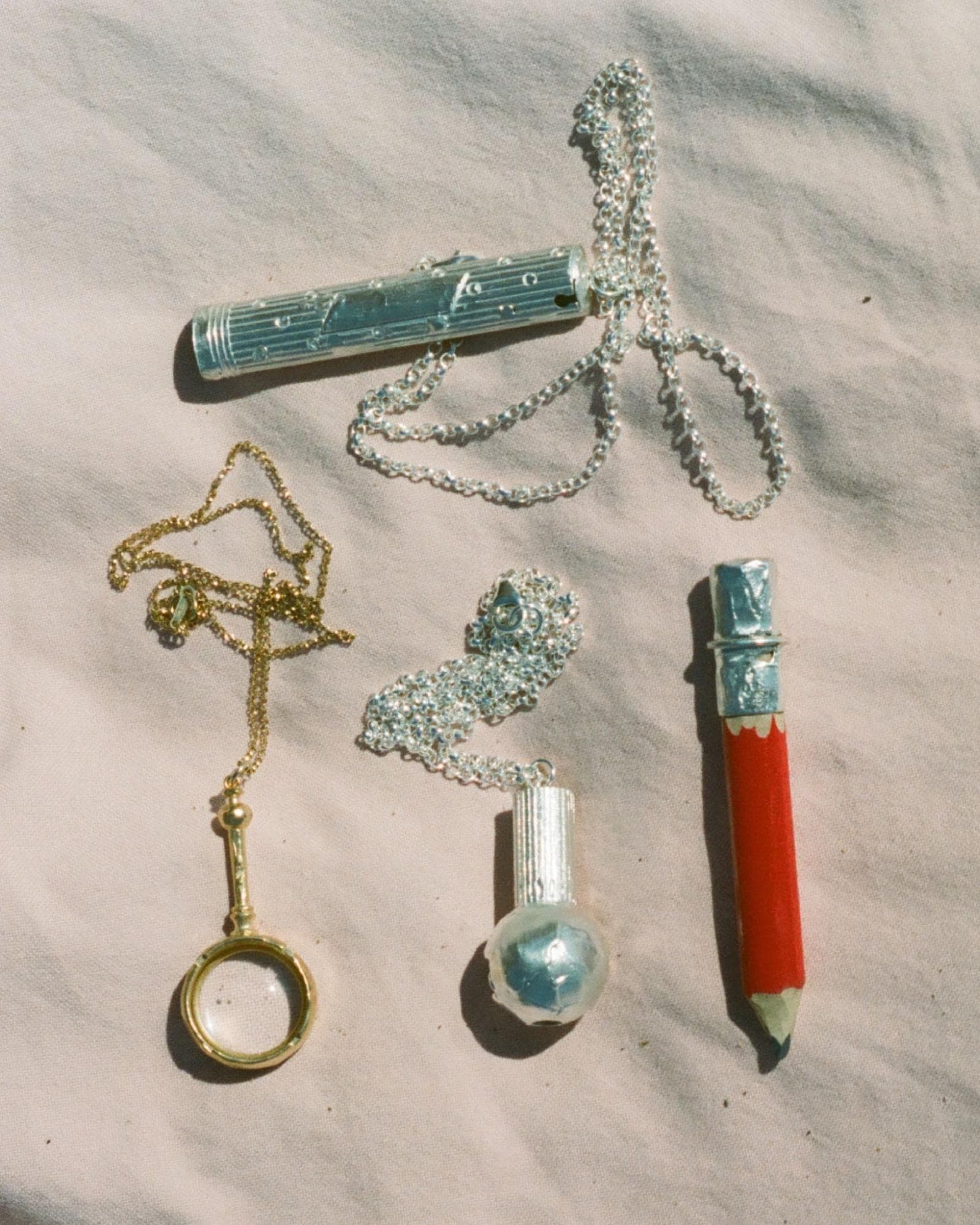 I was like, ‘Who doesn't want a mini pencil?’ It makes you feel like a kid again, we all need that,” Rosh Mahtani, founder of Alighieri, says about the Bookworm collection.
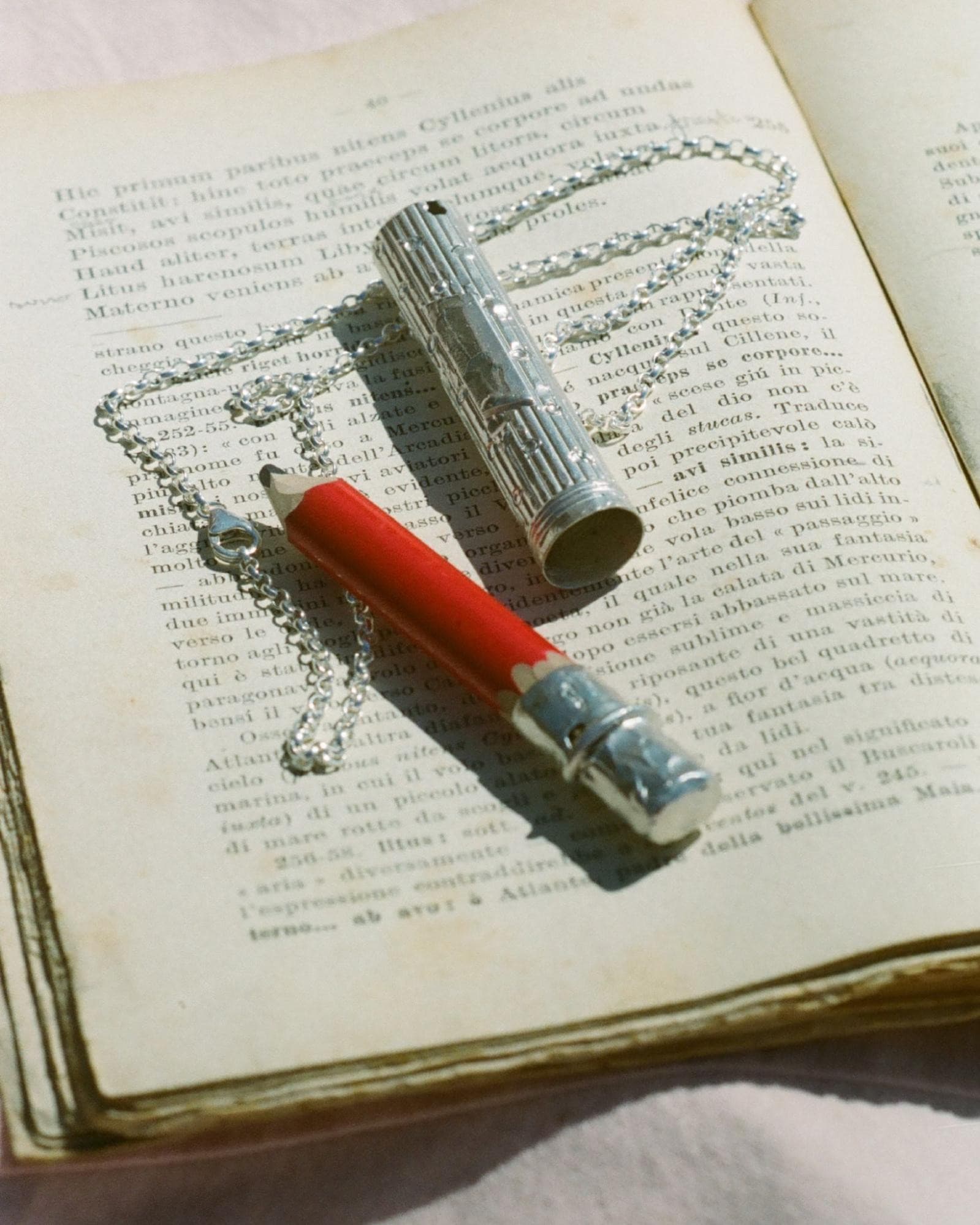 Alighieri
The press preview for the collection was held at The Library, a members-only workspace at The Ned Nomad. According to Dawes, “no detail was spared in crafting this year’s beautiful interpretation of a holiday tale.” Diptyque collaborated with writer Victor Pouchet and illustrator Vincent Puente to create an immersive story that the collection is based on. (The storybook advent calendar is at the top of my Christmast list, all eyes on Santa.)
Last year, Alighieri devoted an entire jewelry collection to bookworms: a 24k molten gold necklace with a magnifying lens and a red carpenter’s pencil dangling from a sterling silver chain are some of the charms that beckon simpler pleasures. Rosh Mahtani, founder and creative director of Alighieri, has always been deeply inspired by poetry and literature; the brand name comes from the epic Divine Comedy by Dante Alighieri.
When Mahtani was envisioning the collection, she was reminded of reading rituals and other fond memories from her childhood. In celebration of the launch, Alighieri partnered with Peter Harrington and paired each piece with a rare book. “People were really excited about it and enjoyed that playful element to it,” she says. “It made people smile, which I hope all our collections do, but I think this one had something particularly special.”
For Mahtani and so many others, nothing compares to the feeling of being fully absorbed in a good book. “People are losing the ability to live a tactile life, and live in the now, and have a real conversation that’s meaningful,” she explains. “I’m a very analog human and there’s a reason why reading a book and turning a page or having a physical conversation with someone is so magical. We’re more and more lost than we’ve ever been and so in those moments we look back to a tangible thing; stories are just what keep us alive.”
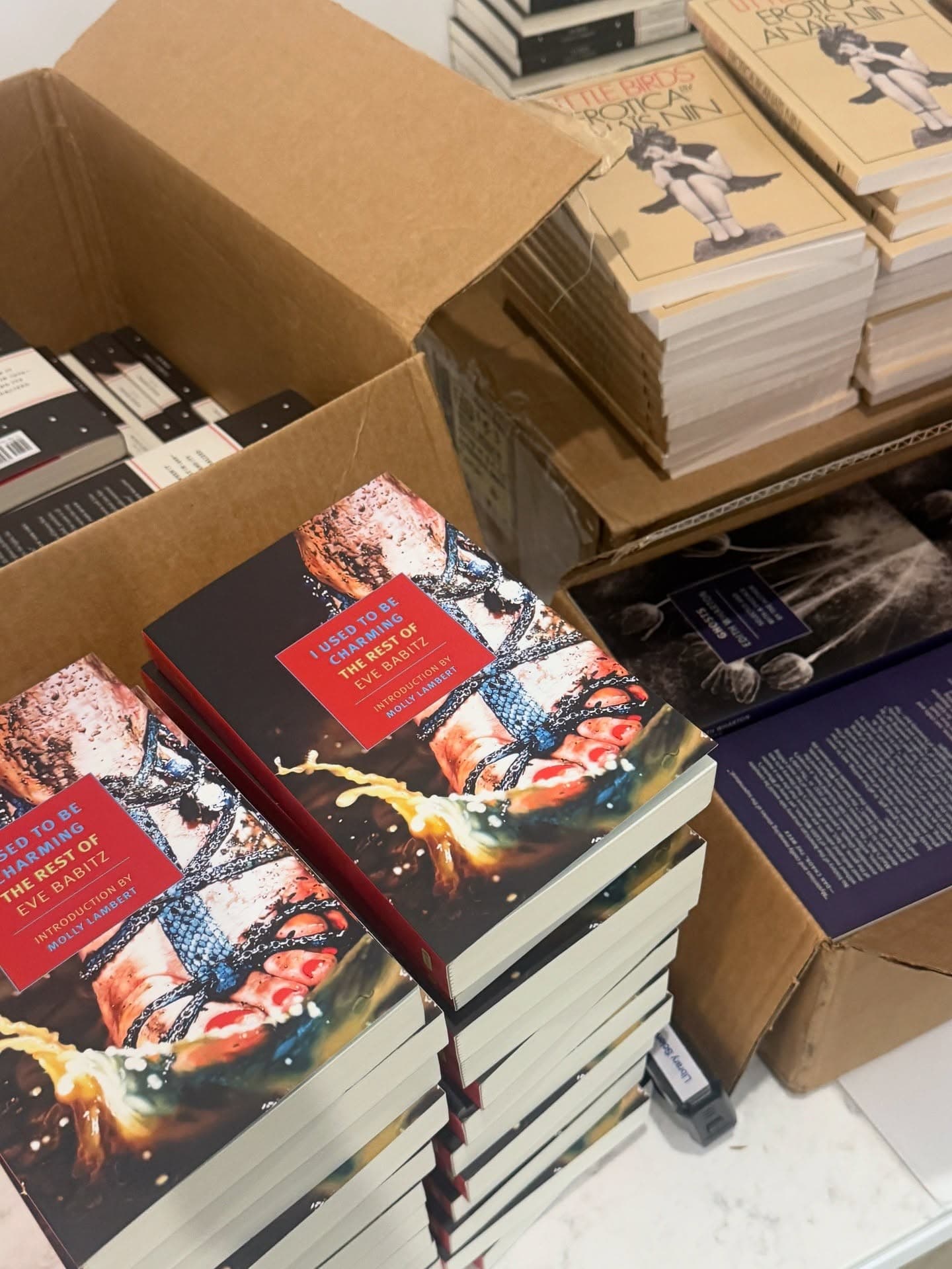 @libraryscience
 @libraryscience
As for the design of books themselves, today’s publishers expect everyone to judge the covers. Marketing departments are working overtime on the branding—the latest book cover trend consists of a neon sans-serif font on top of a classical painting, as seen on Ottessa Moshfegh’s My Year of Rest and Relaxation (2019), Jessi Jezewska Stevens’s The Exhibition of Persephone Q (2020), Torrey Peters’s Stag Dance (2025), and Nicola Dinan’s Disappoint Me (2025).
I’d personally love to see a Danielle Joy Mckinney painting on a cover, but will gladly settle on her newly released book Beyond the Brushstroke. Similar to the blobs that surfaced in furniture, perhaps the ship for bright blobby book covers has also sailed? “I do think a book cover can sell anyone on the idea of it being good without actually reading the story,” Carloto adds. As creatures of habit, we desperately crave curation no matter the surface; this is exactly why Soho House tapped Library Science to select the books on the nightstands in their hotel rooms. After being exposed to FRAMA’s meticulously designed shelf library system, I couldn’t bring myself to settle for an ordinary bookshelf. (As stacks and stacks of books piled up on the floor, I realized this was the no turning back point.)
As more of us choose the peaceful path of being less active online, there is great comfort to be found in the silence. “I love being quiet, I’m really appreciating this time to be with myself and be present,” says Carloto. Spending less time staring at a black mirror has opened new portals for Saunders as well; she points out how there’s something “really nourishing” about how a book feels in your hands on a somatic level, a sensation she never got from using TikTok on her phone. “I miss it, but I’m reading now and that’s amazing,” she adds.
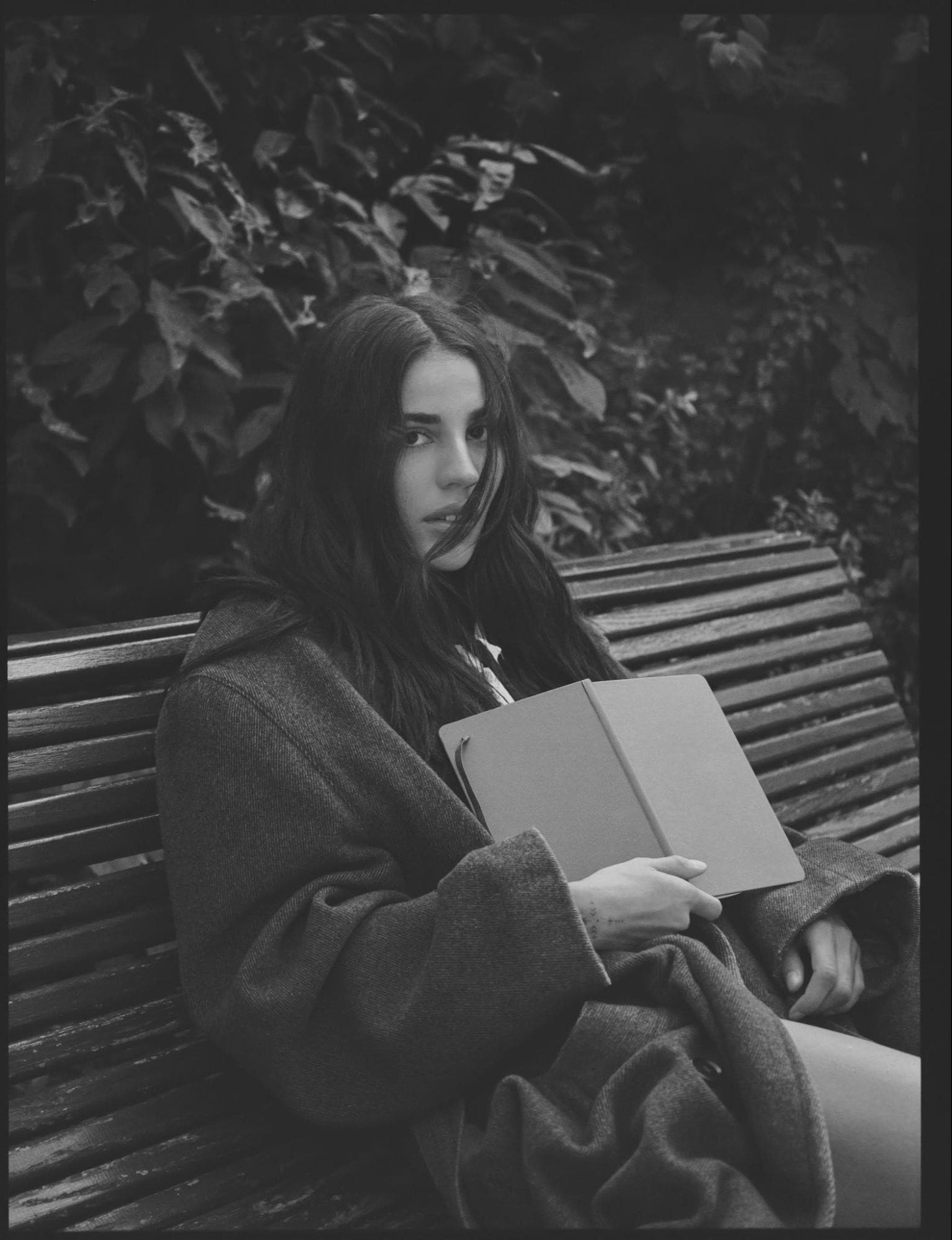 “Reading has always been this world in which I can indulge in these sensitivities that very few people I know can share with me,” says Orion Carloto. “Throughout the years, what I've read has changed a lot, so it’s also been this secret competition and challenge with myself and my brain.” Orion Carloto
In regards to performative reading, Carloto considers it as the least of our problems. “Whether somebody’s actually ingesting the work or performatively posting about it, I would hope there’s at least one or two people who are like ‘Maybe I should pick up a book’” she says. “If that’s what we’re promoting, even if it’s performative through people’s lens, then I love it.”
McGilbert views books as an accessible luxury, suggesting that it might be one of the few democratized trends in this moment of perpetual dysfunction. “If you’re sitting and you reach for a book that’s been sitting on your aesthetic bookshelf, that might change your world,” she concludes. “I think that’s probably got some more long term value than, I don’t know, a Labubu. As far as trends go, I don’t think books are a bad one if people are actually reading them, which is my hope.”