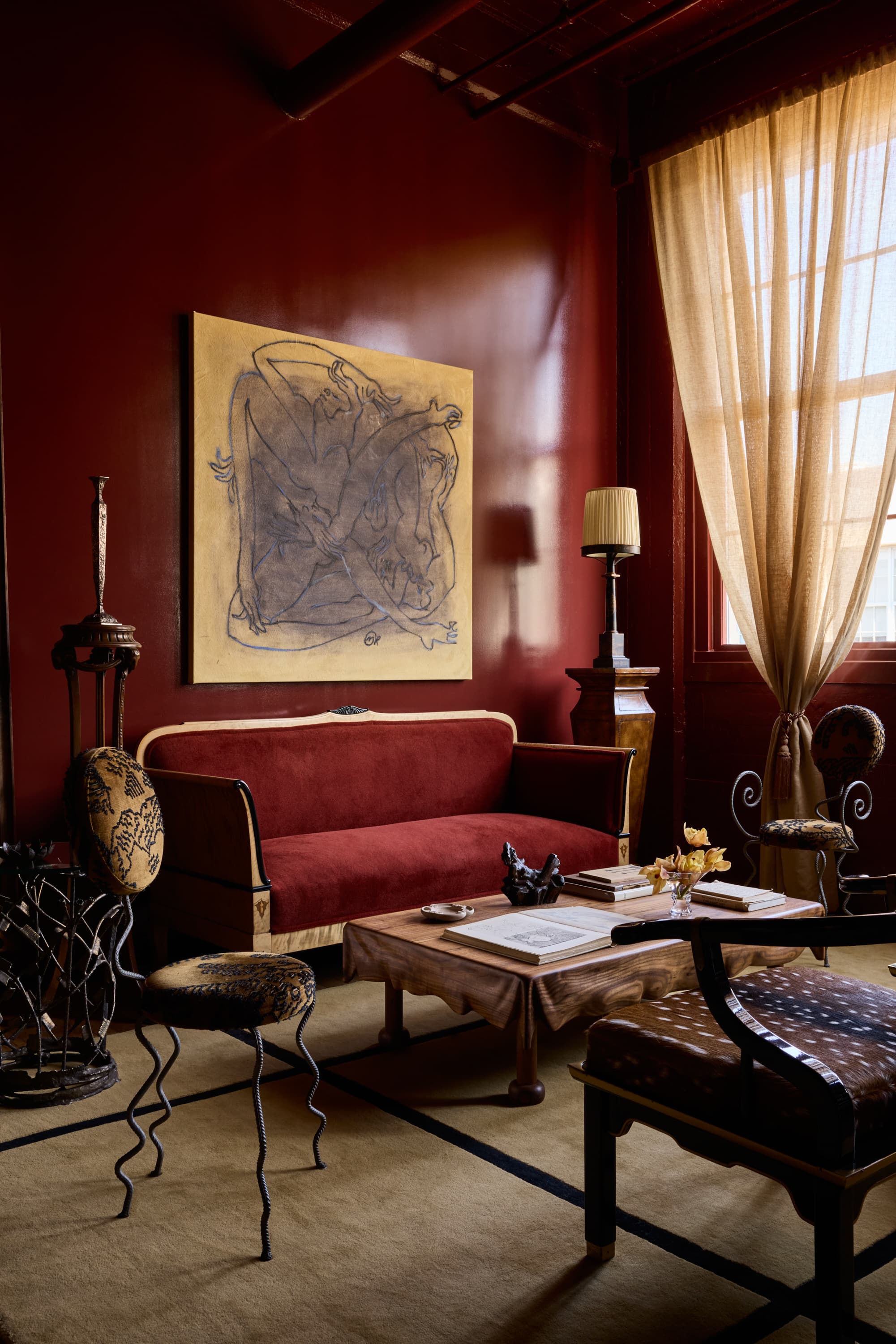
When we look back and reflect on 2026, the aesthetic used to define it will probably be “whimsical.” This fate was signed, sealed, and delivered when The New York Times published an article about how “whimsy” became the next big trend amongst zillennials. Following a summer of “whimsy-maxxing,” it made sense to see interest in “whimsigoth” resurface around the Practical Magic 2 release in September. The entry level of whimsy-maxxing involves covering every surface with rhinestones, tchotchkes, trinkets, or granny chic patterns if it sparks even an ounce of joy. For those who want to go all out, they're designing their homes into whimsical spaces, which are often infantilized and associated with a generation that doesn’t want to grow up.
Jessie Mesa, a Los Angeles-based model, refuses to let anyone kill her whimsy. Six months ago, the 28-year-old moved into a French storybook-style compound. Built in 1922 by renowned architect Arthur Cass Munson, Mesa says she pulled design inspiration directly from the “unusual architectural details” of the house. The budget-friendly DIY projects that she shares online include hand-painted floral stair decals, wrought-iron-style film on the kitchen windows, and a marionette stage in the fireplace.
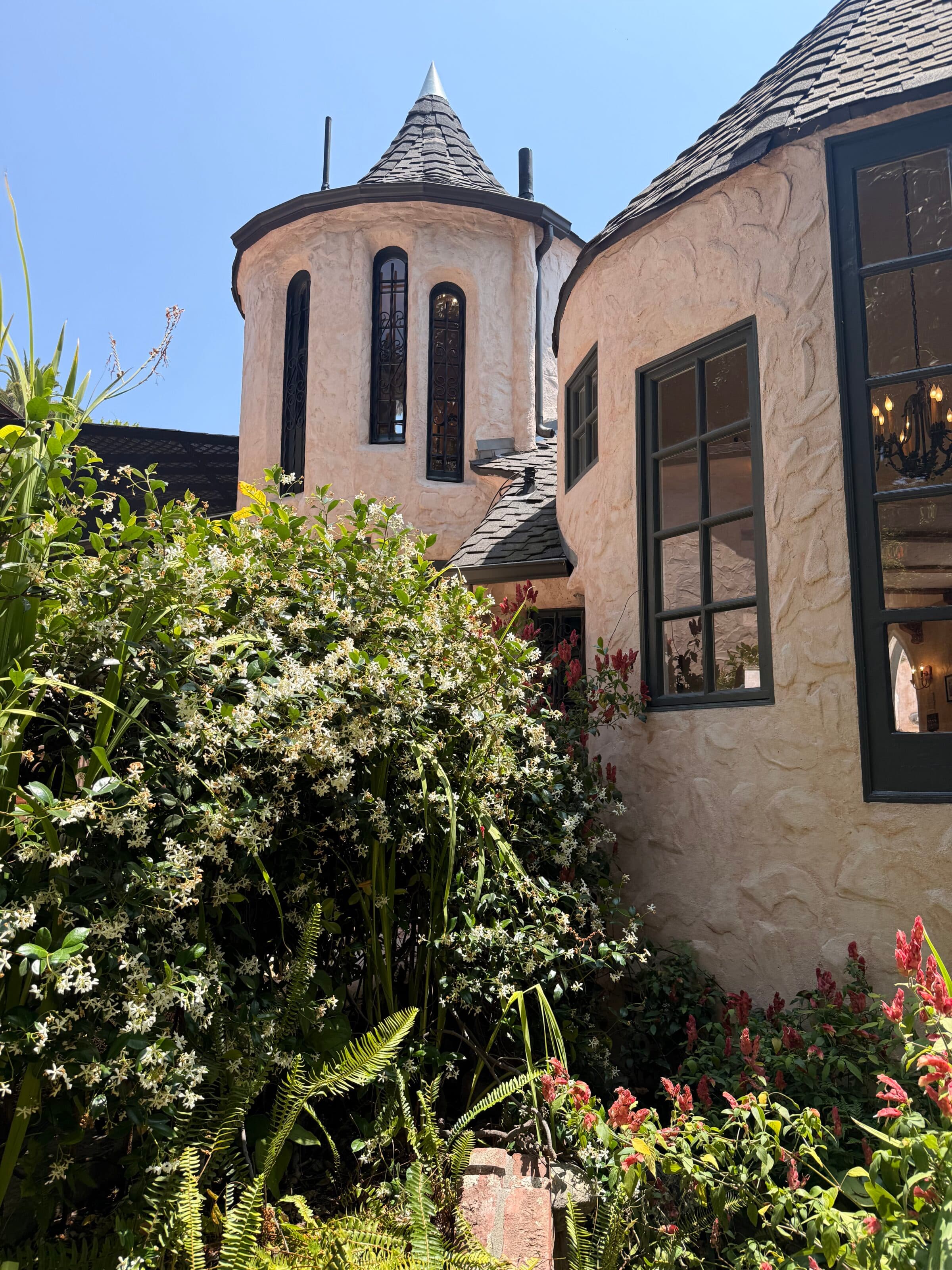 "The house already has so much personality, and I feel like I’m just helping it become more of what it was always meant to be,” Mesa says. Photo: Jessie Mesa
 Photo: Jessie Mesa
From a young age, Mesa was obsessed with the idea of escaping to fantasy worlds. Embracing her whimsical side is another way to hold on to this childlike sense of wonder, which is why she’s so adamant about “making a room feel like it belongs in a fairytale rather than a furniture catalog,” she explains. The model insists that “the best homes feel like a physical representation of the person living in them, not a showroom.”
“I don’t think I’ve ever wanted my home to feel like a normal house,” she adds. “I want it to feel like you’ve stepped into a storybook, or maybe a slightly haunted castle, depending on the room. I’ve always been drawn to things that feel a little strange or unusual. There’s so much beauty in the weird!”
In an effort to make her garden feel like an overgrown enchanted forest, Mesa added fairy yard signs along the winding pathways with trailing vines. “To me, whimsical design is almost like bringing the outside world in, or creating a world within a world,” she continues. “I think it’s also about being theatrical with your space. Playing with colors, textures, patterns, and unexpected objects.”
 It’s allowing yourself to be curious, imaginative, and a little ridiculous,” Jessie Mesa says about what makes a space whimsical. “It’s creating your own fantasy of what the world could look like rather than just accepting what it is." Photo: Jamiel Betancourt
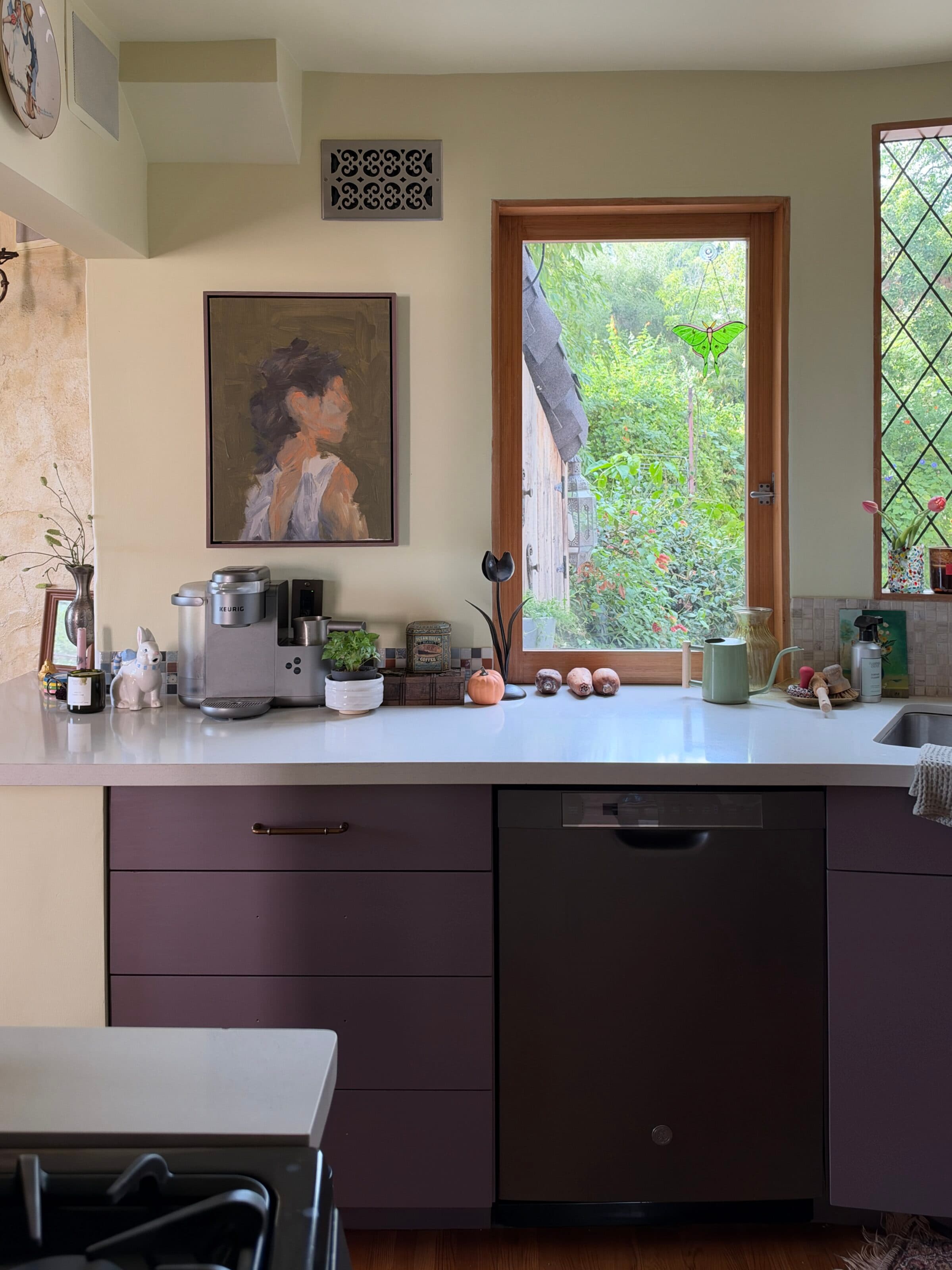 Jessie’s moodboards are a combination of enchanted forests, Victorian cemeteries, circus tents, and children’s storybooks. “Somehow it all makes sense in my head!” Window film from Etsy adds charm to the kitchen. Photo: Jessie Mesa
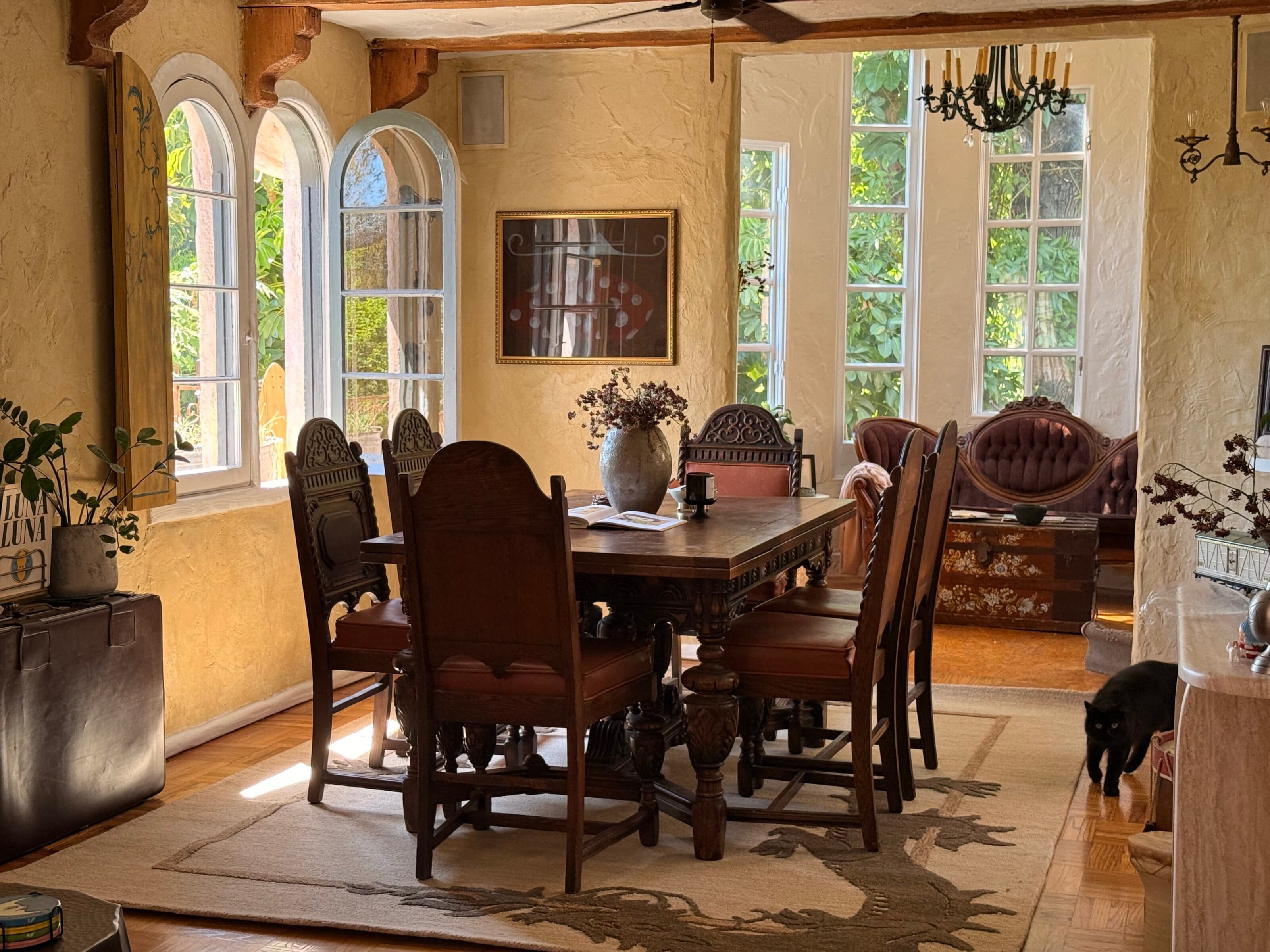 “I don’t think whimsy always has to be pastel and cute,” Jessie says. “Sometimes whimsy is a little spooky!” The dining room features a dragon rug from Loloi. Photo: Jessie Mesa
Is Whimsy the New Millennial Optimism?
Given how the Instagramification of interiors has younger generations under the influence of basing design decisions on Pinterest boards, this new wave of appreciation for whimsical aesthetics warrants closer examination. Not only does this mark an exciting departure for creative exploration, but it feels like a pivotal moment in terms of taste development as more people dare to break out of their sad beige comfort zones.
“Everything has become so minimal, mass-produced, and optimized for convenience or profit,” Mesa says. “Buildings are gray boxes, interiors all look the same, and so many things that once had personality have been stripped down to the cheapest, easiest version of themselves. It’s like we’re slowly watching the world lose its color and imagination. Creativity is such a huge part of what makes us human, and I think whimsy-maxxing is our way of taking some of that back. We might not have control over what the world outside our doors looks like, but we can control the little worlds we create for ourselves.”
Sydney Stanback, Global Head of Trends and Insights of Pinterest, has noticed more users gravitating toward unconventional ideas that feel more personal and as she calls it, “delightfully unexpected” on the platform. She points out that “it’s less about achieving a perfectly curated look and more about creating something that feels expressive and full of personality.”
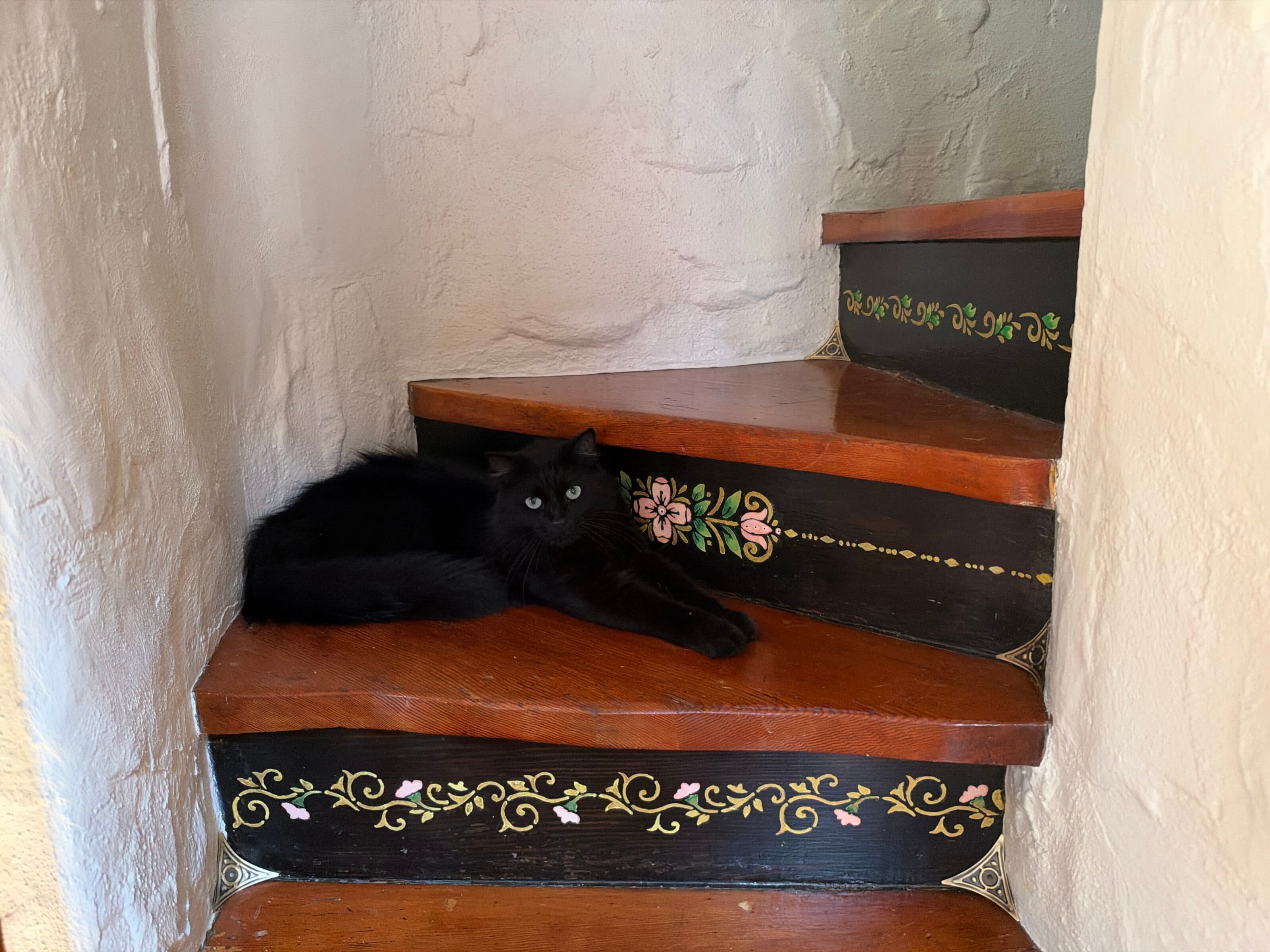 Photo: Jessie Mesa
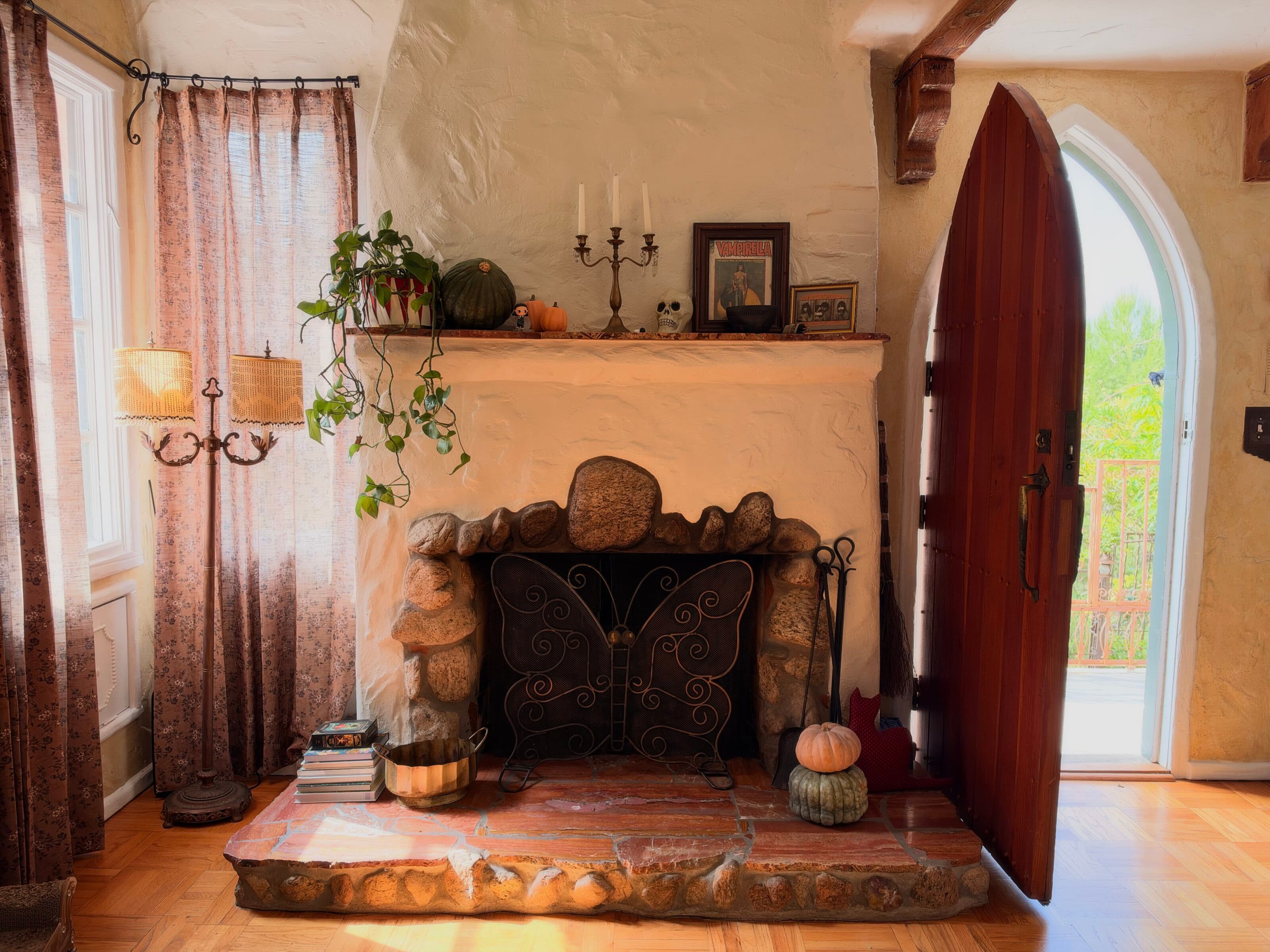 “I love incorporating elements of nature, whether that’s real plants, flowers, natural wood, or patterns and shapes inspired by things you would find in a forest,” Jessie says. Photo: Jessie Mesa
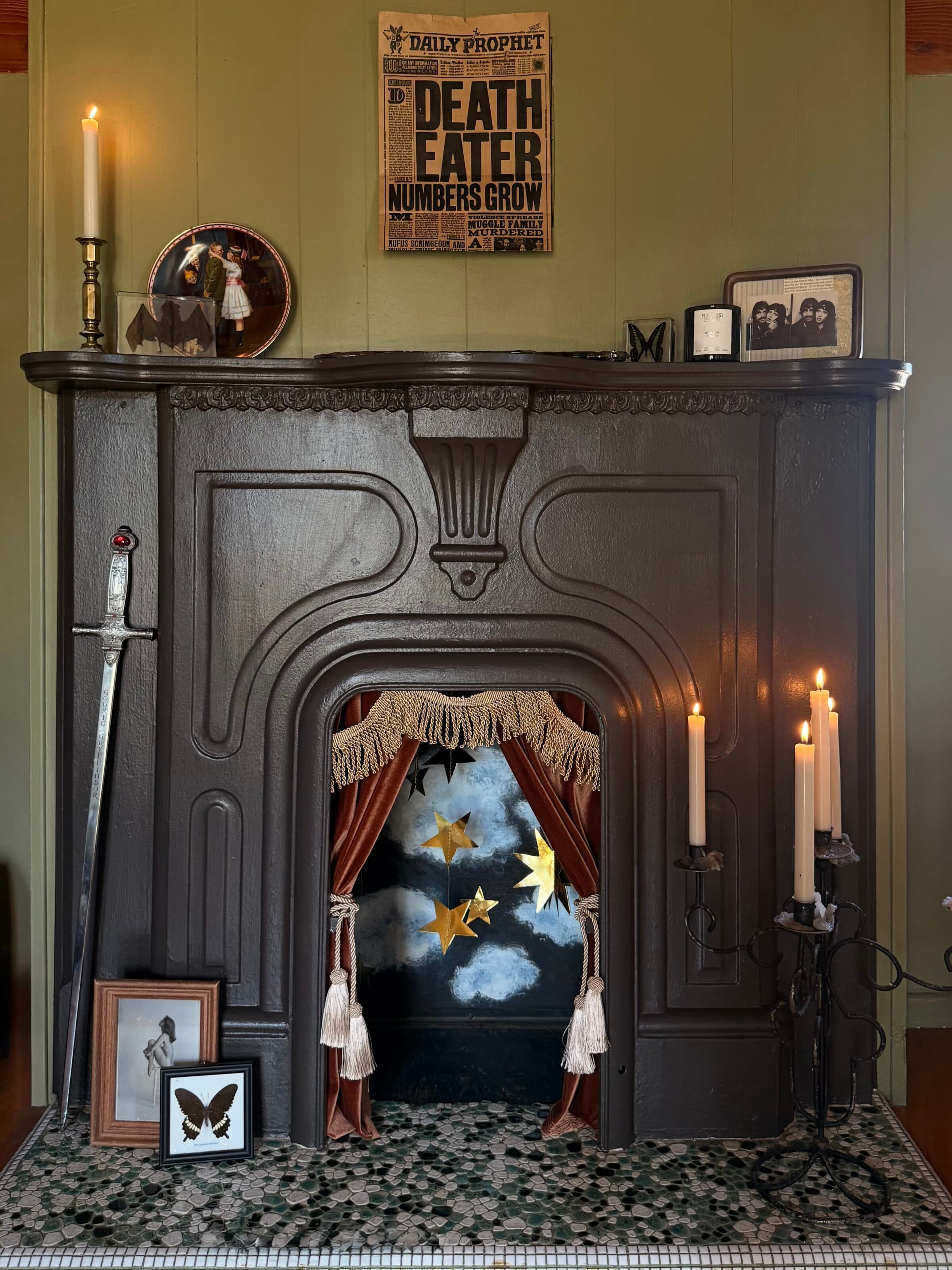 Jessie made a marionette stage in one of the fireplaces. Photo: Jessie Mesa
The Business Of Whimsy
If you want an immersive experience of whimsy in its purest form, go visit the MacKenzie-Childs farmhouse in Aurora, New York. When I toured the 3,300-square-foot property with my family last fall, I was overwhelmed in the best way. Rebecca Proctor, creative director and chief brand officer of MacKenzie-Childs, is an expert in “the art of taking joy very seriously” and “turning everyday moments into extraordinary, fun things.” Her definition of whimsical is “the courage to break rules, to mix the unexpected maybe, and to create things that don’t just make people around you smile, but that make you feel good.”
Before MacKenzie-Childs gave enamel a new lease on life back in 1983, the material was considered lowbrow with its lightweight, powder-coated steel, and general lack of product integrity. Founders Victoria and Richard MacKenzie-Childs had the bright idea to increase the weight and then hand paint each piece of enamelware with unexpected patterns, colors, and adornments. The same logic was applied to the company’s signature tea kettles, an everyday object Proctor describes as “a workhorse in the kitchen” that draws your eye whether it appears in the home of Gloria Steinem, Kendall Jenner, Nara Smith, or your next-door neighbor. “Mackenzie-Childs as a brand is a firm believer that the world doesn’t need more white plates, go get that somewhere else,” she adds.
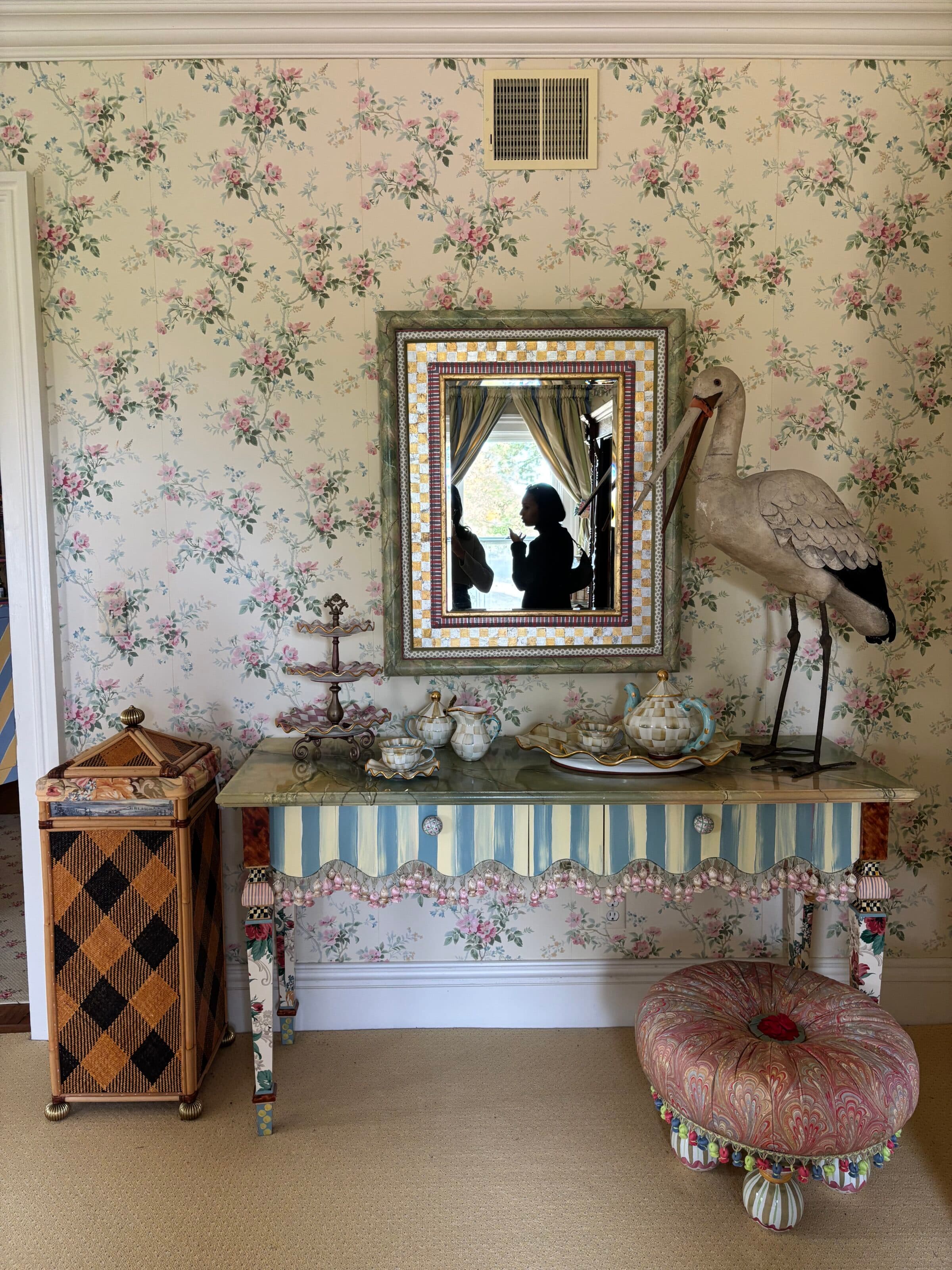 “We’ve always designed to add that happy spark,” Rebecca Proctor says. “It’s wonderful to see it appreciated through so many generations of people, I can’t tell you how happy that makes me.”
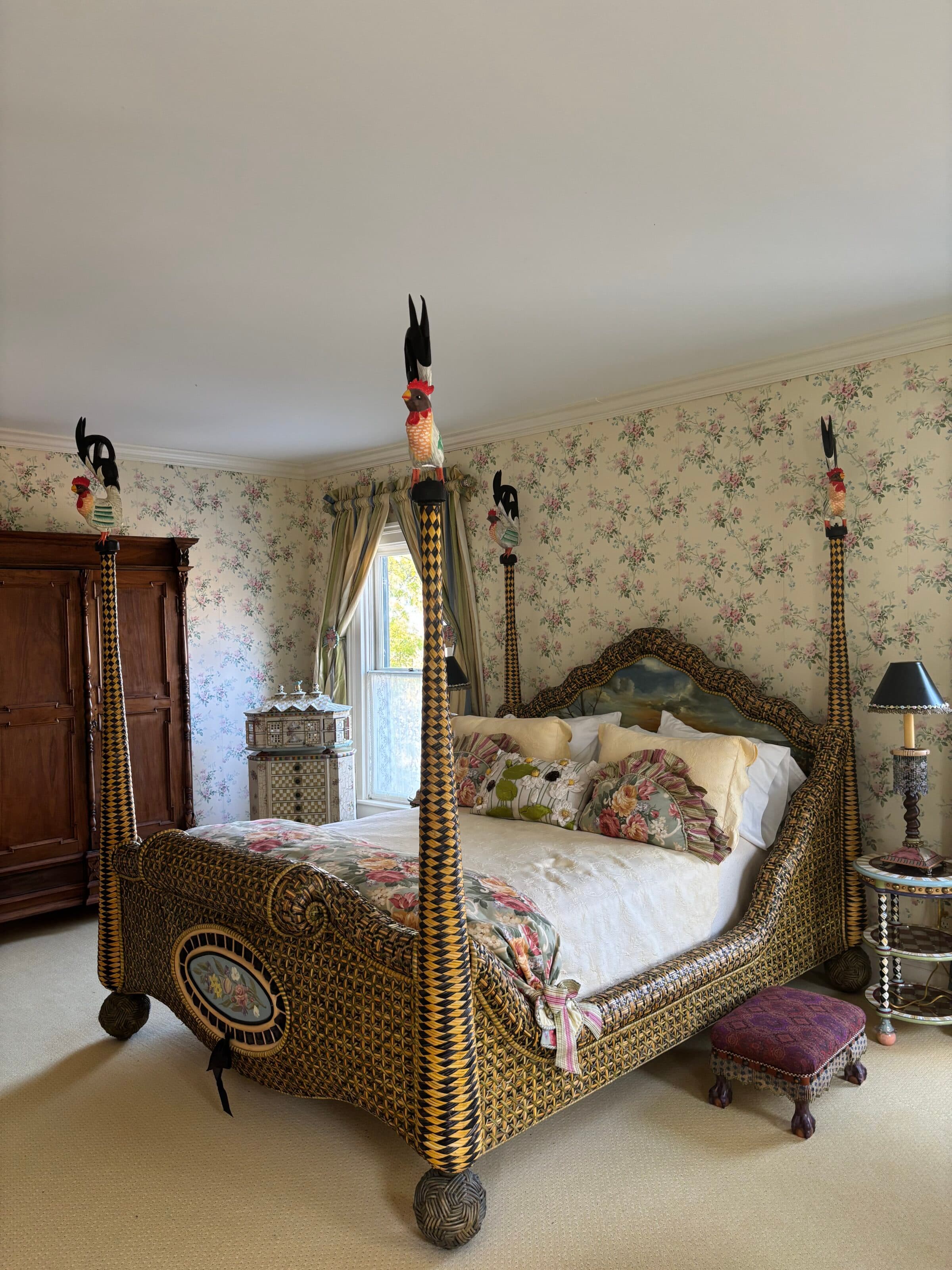 Photo: Sydney Gore
One of my all-time favorite vintage pieces that I own from the MacKenzie-Childs archive is the Warren Floor Lamp, a ‘90s masterpiece constructed out of wood and bamboo columns with glazed ceramic rabbits made from red maiolica on the base. The lamp shade is woven out of Ajiro fabric with a beaded fringe trim attached that casts the most enchanting glow in the evening. “Everything about that lamp is whimsy-maxxing,” Proctor says. “It’s one of the most glorious pieces we ever made.”
More than anything, she believes that whimsy is not just about finding joy in the everyday, but a call to awaken your playful sensibilities. “I think the world needs it right now,” Proctor adds. “It’s great medicine for your soul.” Naturally, she’s thrilled to see all the “clever conversation” around whimsy design, but alleges that it’s not just another trend passing through.
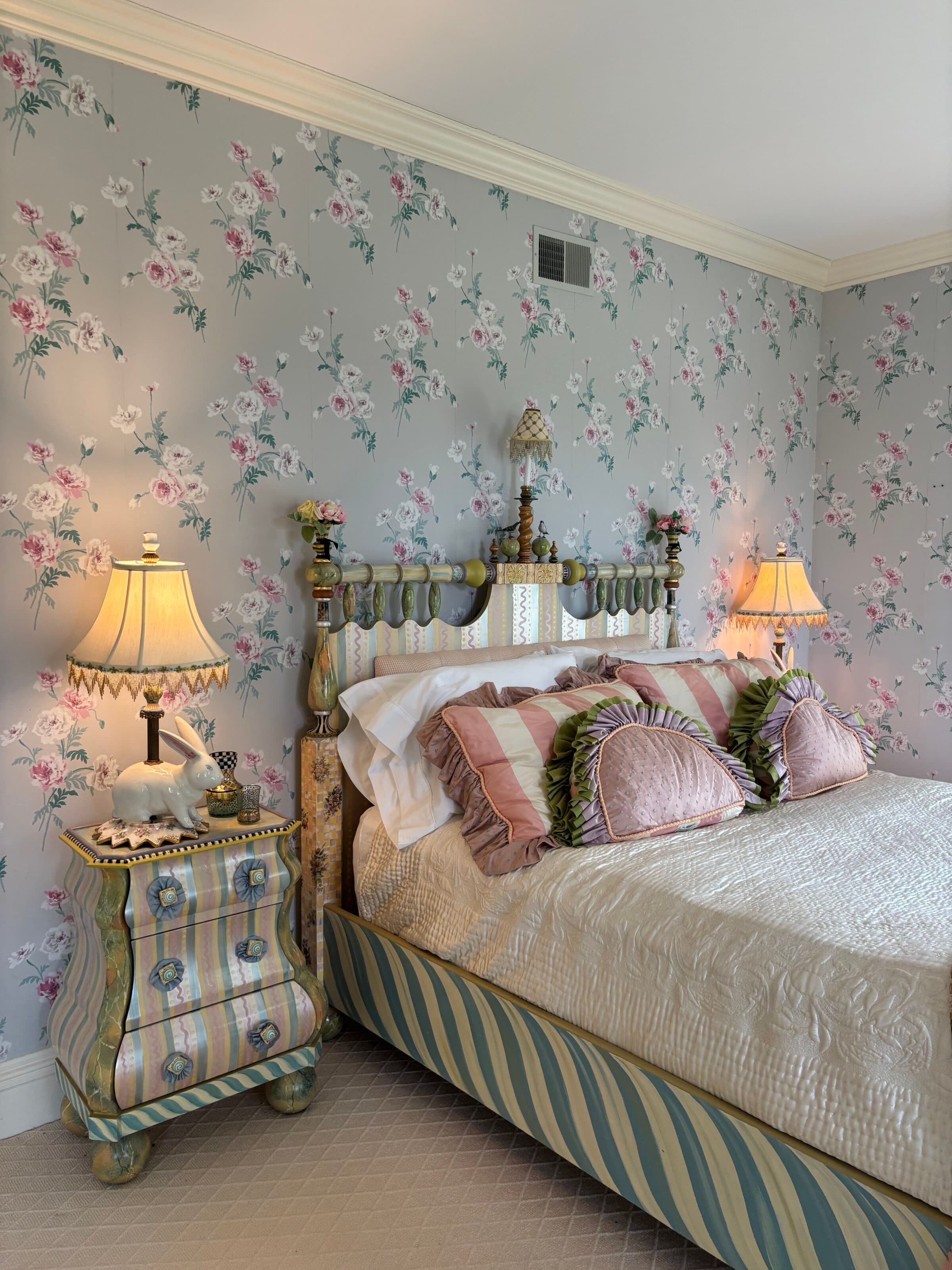 “It’s in the ethos of who we are, finding the unexpected, elevating that into something that’s appreciated in a whole new light,” Rebecca says. Photo: Sydney Gore
“Whimsy-maxxing is lovely for now, and I’m glad people are recognizing it and relaxing their lives to make their homes more playful and interesting, but it’s always been part of how [MacKenzie-Childs] operated,” Rebecca continues. “We’re going to create something that’s playful and memorable that you can tuck into every facet of your life. That is really part of our heartbeat, we take it so seriously.”
As the company continues to expand, Rebecca’s goal is to “reach new audiences through a broader understanding of what whimsy actually looks like.” Because the style exists on a spectrum, the aesthetics is harder to define with so many different interpretations in the ether. No whimsical spaceever looks the same because there isn’t a copy-paste way to get the look; it should feel personal with sentimental mementos that you treasure. “It can be perfectly imperfect,” she adds.
Follow Your Whims
 Sands says “anything that follows the creative urge or practice can be whimsical.” A charming corner in the LES showroom. Photo: Nicole Franzen
Whimsy isn’t just rainbows and sparkles, it can be dark and dare I say a little spooky like Winona Ryder’s house in Beverly Hills from the ‘90s. “I don’t think whimsy always has to be pastel and cute,” Jessie says while asserting her preference for medieval and gothic elements. Lauren Sands, founder and CEO of LES Collection, is practically running case studies on whimsy at its most sophisticated between the brand’s Brooklyn showroom and her family’s estate in the Finger Lakes. “Whimsy is not an aesthetic, but it does have a look,” she says.
Sands writes extensively about the subjectin her newsletter A Whimsical World. “To me, what whimsical means is a discursive act of the imagination,” she explains. “In a creative practice, following a whim is one of the most important acts that you can take. Following your whims from one thing to another, going down a rabbit hole, getting really deep into detail on one thing or another, that is how a creative practice is built… Following whims has this sort of capricious connotation, but in reality it means taking your creativity seriously, and taking where your imagination is leading you seriously, which is so important.”
So why whimsy now? Sands suspects that it’s having a moment because “people are looking for art, writing, and experiences that mirror the chaos of actual life,” especially in the AI slop era. (Not to mention that five planets are in retrograde right now…) Similarly, Sydney views whimsy as a playful response to a difficult world that feels “increasingly serious, uncertain, or overwhelming.” For Gen Z in particular, whimsy is a new methodfor pushing back against the pressure of having everything figured out. “We’re seeing a broader desire for experiences and personal spaces that feel more individual and emotionally fulfilling,” Sydney elaborates. “In that sense, whimsy is more than an aesthetic; it’s a way of reclaiming playfulness and finding moments of delight in an otherwise demanding world.”
At the end of the day, channeling a whimsical point of view is all about embracing your individuality instead of trying to fit into a singular style. Sands emphasizes that “everybody has to define it for themselves and it has to fit within an aesthetic that’s authentic to you.” Rebecca claims “there are no rules in design,” so treat your home like a canvas. But if you’re not ready to fully adopt this mentality (or paint characters from tarot cards on your ceiling), Jessie reminds us that the smallest everyday objects can be your whimsical portal. “I love the idea of making ordinary routines feel a little more magical,” she adds. “Why use a boring spoon when you could use one with a little star on it?”