In Behind The Seams, writer Marie Lodi explores the intersection of fashion and film, spotlighting the iconic style moments that shaped cinema and the never-before-heard stories behind them.
Tell Me Lies, now in its third season, follows Lucy Albright (Grace Van Patten) and Stephen DeMarco (Jackson White) through a relationship defined by obsession, control, and emotional manipulation, unfolding through flashbacks to their college years beginning in 2007 and the consequences that surface in 2015. It can feel like an uncomfortable time capsule of one's college years, especially if you had the misfortune of dating a Stephen. But while the show’s claustrophobic intimacy and slow-burn cruelty are jarringly familiar, the visceral reaction many of us have while watching isn’t tethered solely to toxic relationships or twenty-something self-destruction. It’s coming from the clothes, too.
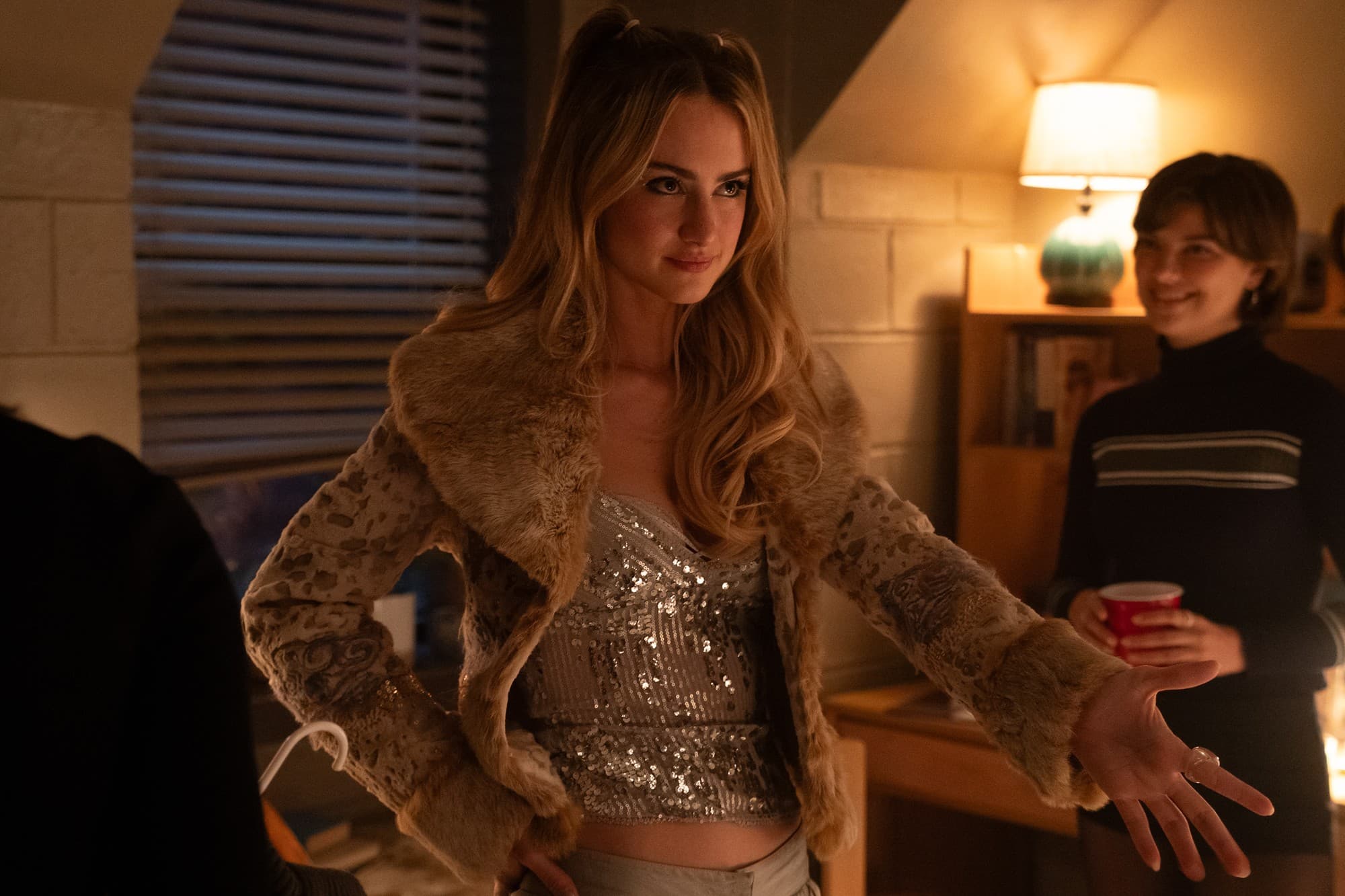
From low-rise jeans and Ugg boots to fur-trim jackets and going-out tops, Tell Me Lies recreates the trends of the late-aughts while also resurrecting the emotional logic of how people dressed during one of the most formative periods of their lives. It's no wonder these looks can send millennial viewers into a nostalgia-induced spiral. Behind these polarizing looks is costume designer Charlotte Svenson, who has been on the show since its first season and can be lovingly blamed for our collective flashback.
 Ian Watson/Courtesy of Hulu
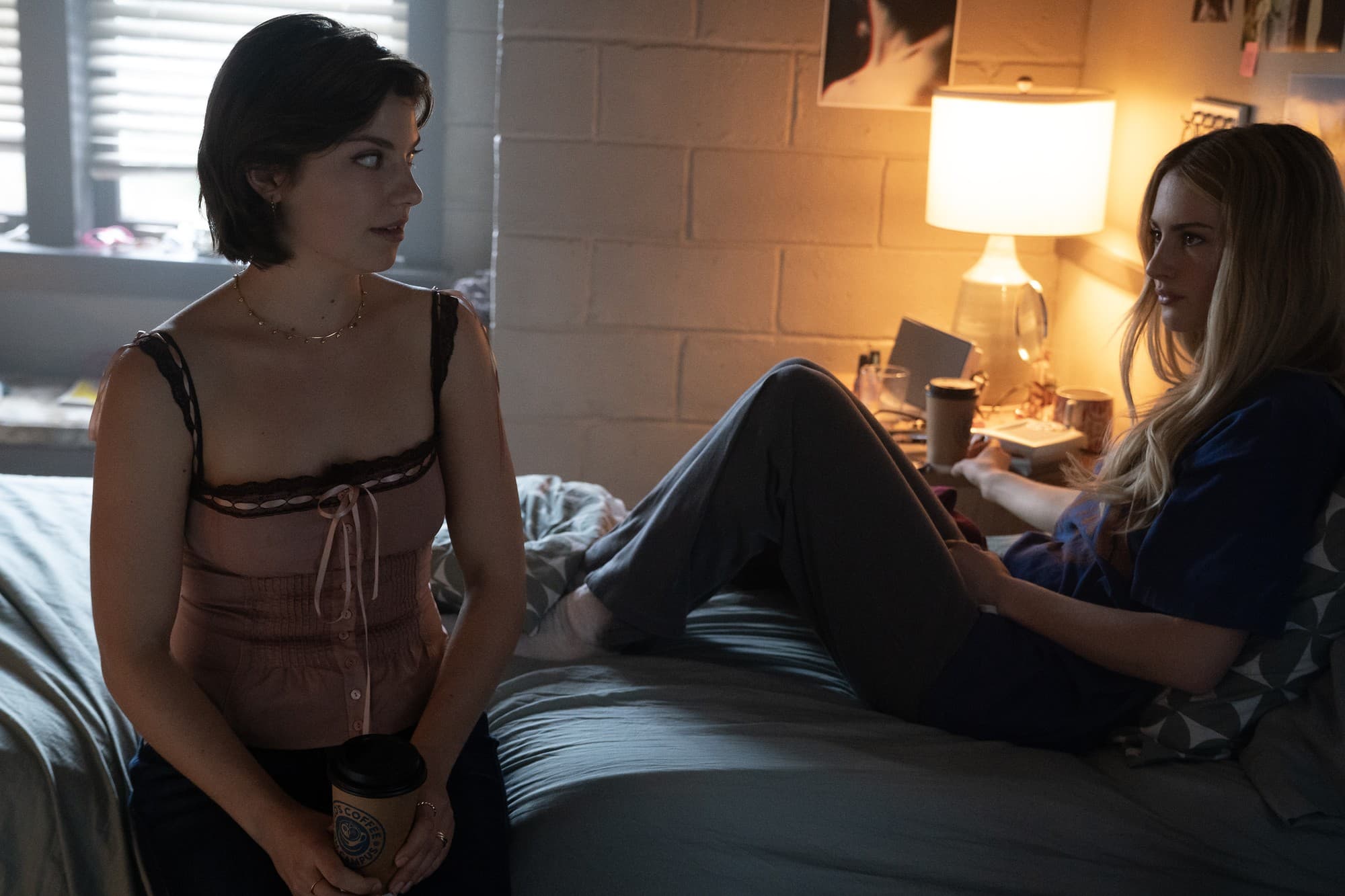
"Everyone had their version of a Lucy, a Stephen, a Bree. We know these characters so well," says Svenson. Going into the show, she and showrunner Meaghan Oppenheimer aligned early on those archetypes: Van Patten's Lucy as a version of the era’s "cool girl," à la Brooke Davis in One Tree Hill, Michelle Trachtenberg, and the Laguna Beach girls; Catherine Missal's Bree as more thrifty with a Dawson’s Creek sensibility, and Sonia Mena's Pippa dressing edgy and wearing trends "like armor." Figuring out who these characters were, Svenson says, was a deeply collaborative process from the start.
That helped inform the wardrobe choices in Season 1, where Svenson "heavily invested in mall brands" of the time—XOXO, Cache, Bebe, Miss Sixty, Abercrombie & Fitch, Hollister—with the idea that these characters would still be wearing what they’d brought with them from high school into their freshman year of college. "It was fun seeing those tags come up and being nostalgic for it," she says.
 Ian Watson/Courtesy of Hulu
By Season 3, the characters are older, slightly more self-assured, and more conscious of how they present themselves. "We kind of have our footing now," says Svenson. "They have a little bit more money, their style is more succinct, and they’re investing in how they look." The wardrobe reflects that shift by blending those same mall-brand staples with early-2000s designer pieces like Dolce & Gabbana and Roberto Cavalli. We have Lucy trading in her Uggs for ballet flats and knee-high boots.
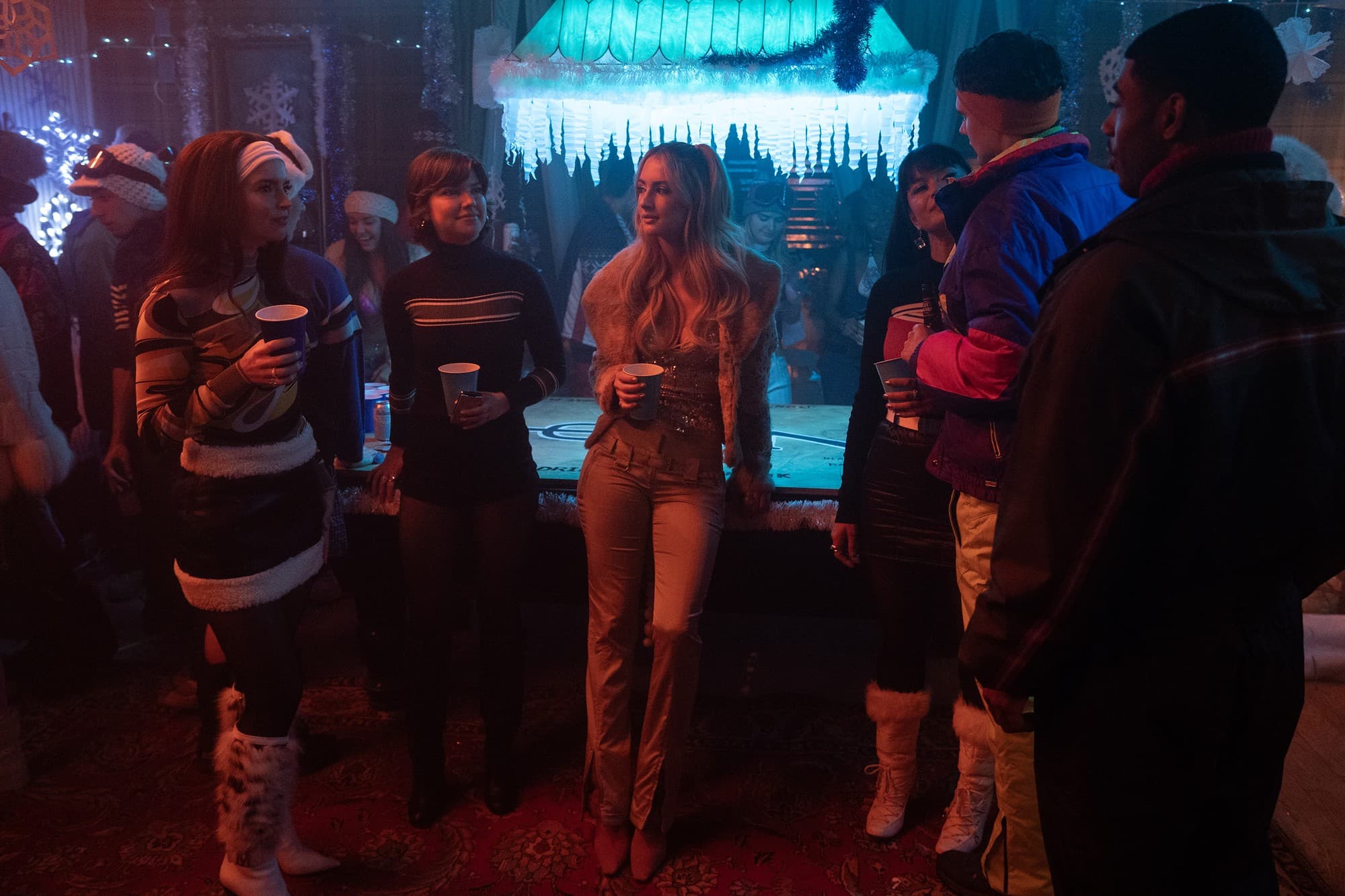
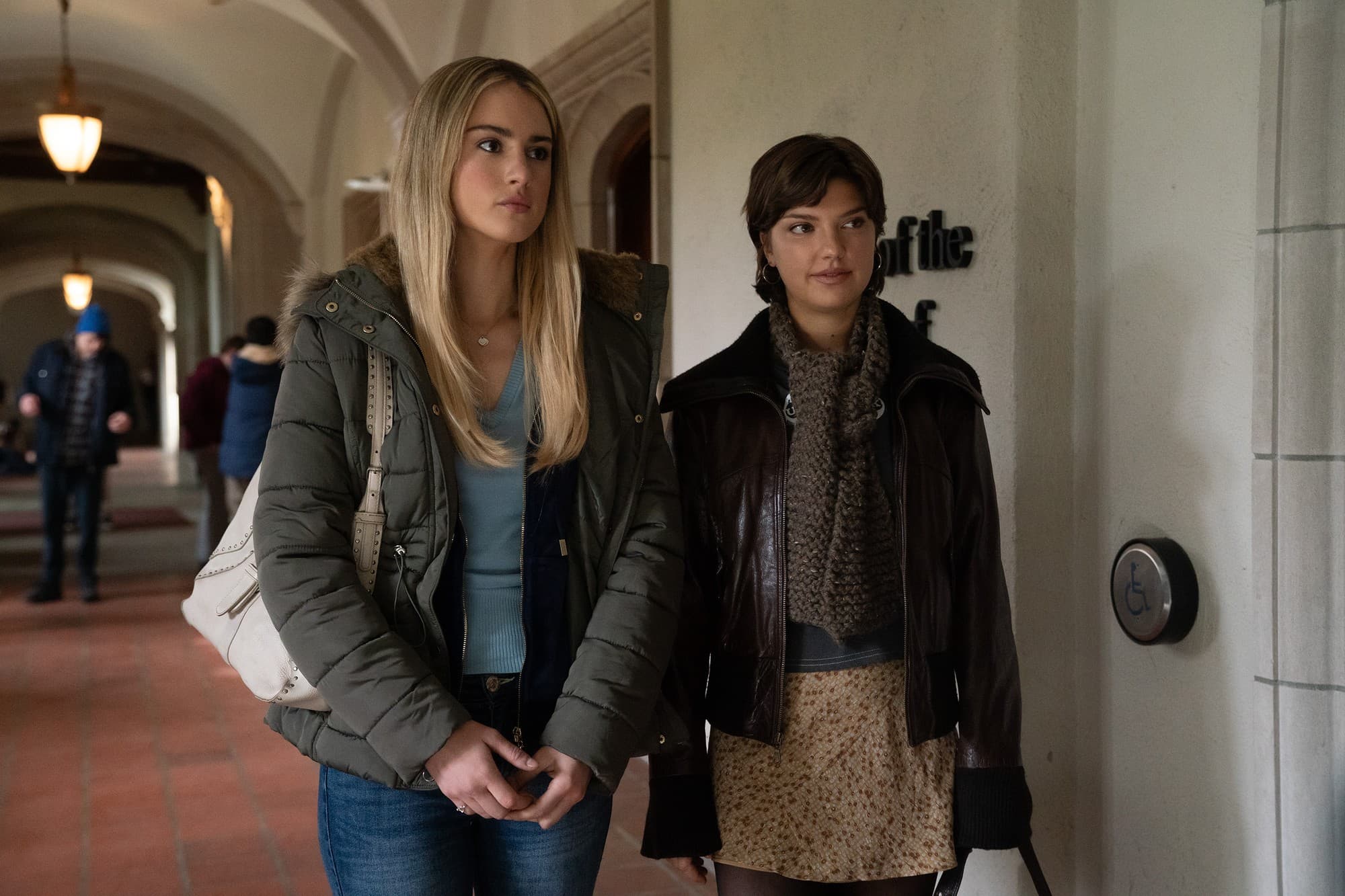
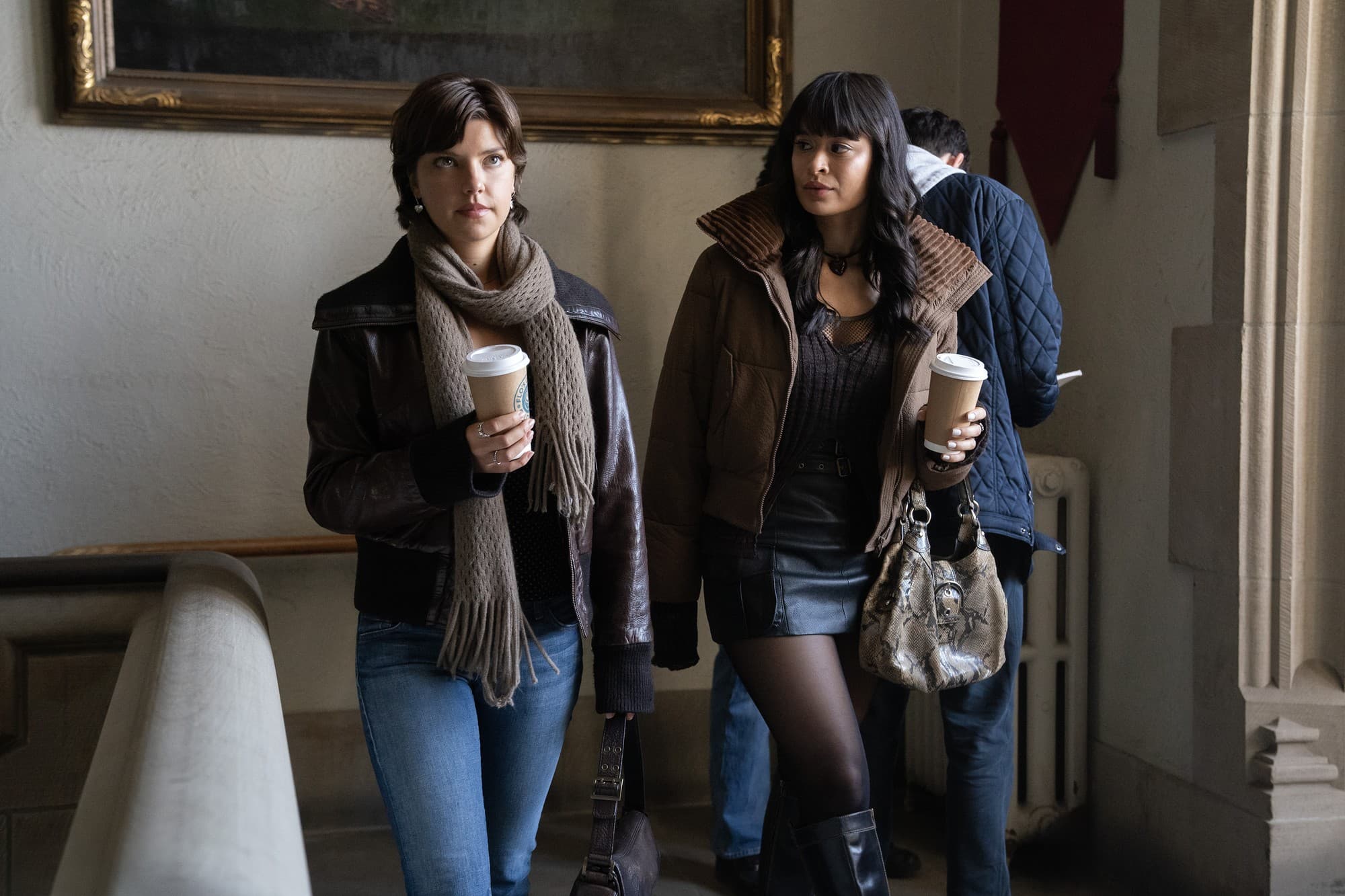
The girls' wardrobes also start to converge. "I think one thing that I kind of became obsessed with this season," says Svenson, "and it really helps our story, is that once one girl is wearing something, you kind of see all the girls wear it." That fixation took the form of fur-trim jackets. The coats appear again and again, underscoring the fact that these women are still figuring themselves out, "kind of carbon copying each other," as she puts it.
 Ian Watson/Courtesy of Hulu
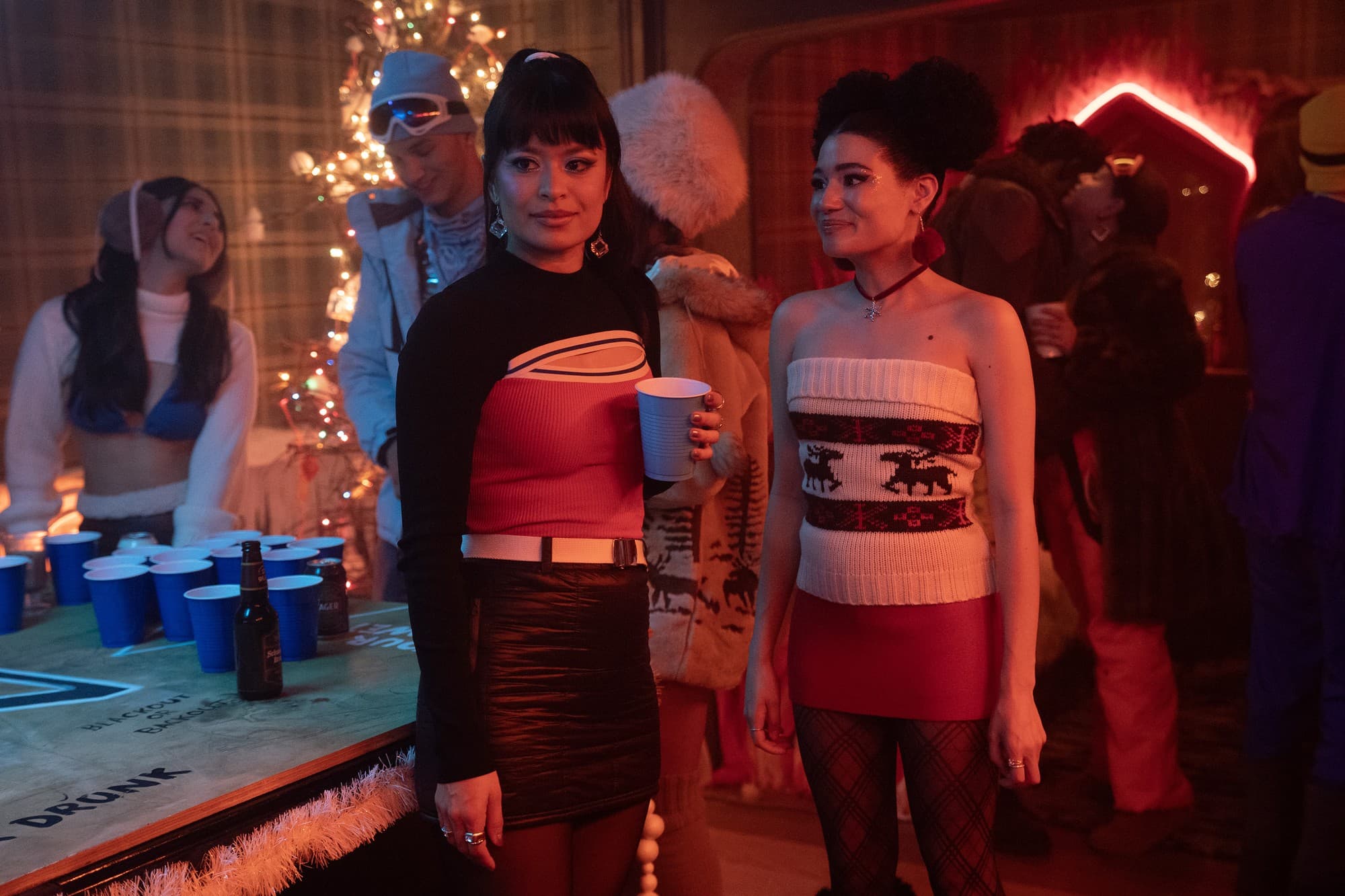
The show’s theme parties are where Svenson gets to briefly break free from late-aughts realism. Over the seasons, that’s meant everything from an ABC (Anything But Clothes) party to Decades and après-ski themes. Her favorite this season, though, was a goth party. "Something I would have loved to do — maybe if we get another season, fingers crossed — is the emo indie sleaze thing," she says. "We don’t really have a character doing that, and it was such a big thing for me growing up in New Orleans. That’s why this goth party was so fun for us."
Away from those moments of fantasy, the everyday wardrobe tells a slower, more revealing story, especially when it comes to Bree. While Lucy is often read as the show’s fashion focal point, Svenson insists Bree changes the most, style-wise. In Season 1, she's dressed almost deliberately innocently in headbands and Converse; in Season 2, she's showing skin and dressing overly for the male gaze; and by Season 3, she's pared back and "a lot more subdued and quiet." It's less about being seen and more about staying intact after everything she went through with Oliver, the professor she had an affair with.
 Ian Watson/Courtesy of Hulu
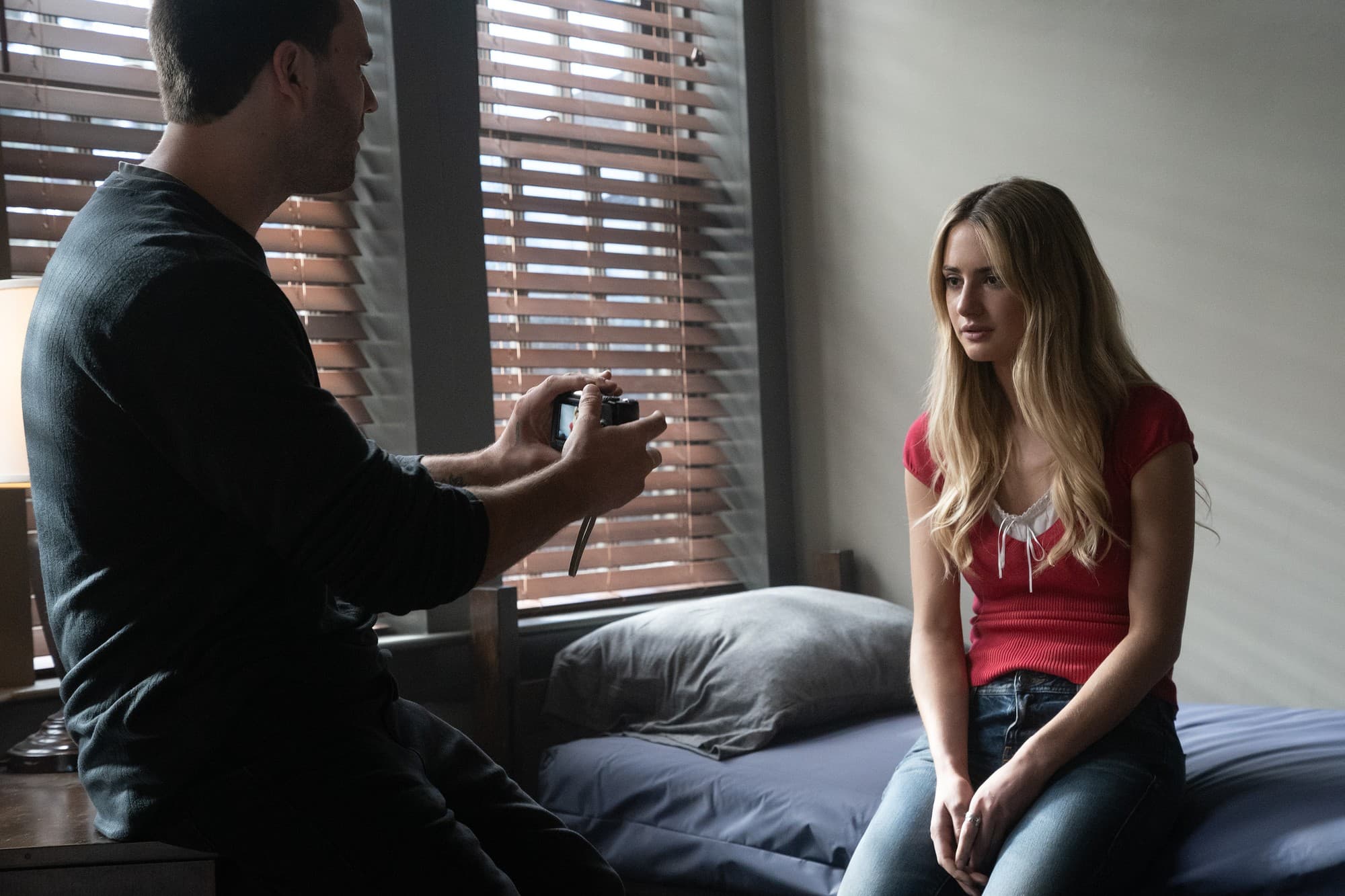
One of the clearest examples of wardrobe functioning as psychological storytelling comes in Lucy’s confessional tape scene, when she appears in a bright cherry-red top during one of the show’s most devastating moments. The choice was anything but obvious. Early conversations leaned toward draining the scene of color entirely, but both Svenson and Van Patten pushed for contrast. "I wanted a juxtaposition between what’s happening and what she’s wearing," Svenson explains. The sweetness of the top, worn at a moment of emotional collapse, makes the scene even harder to watch — a visual reminder that Lucy often looks most put-together when she’s unraveling completely.
If Lucy’s wardrobe sharpens as she spirals, Stephen’s does the opposite. By Season 3, his style has narrowed into something resembling a uniform: indie sleaze-meets-utilitarian. "He’s really only wearing four colors," Svenson notes. His consistency almost reads as another form of control. "We all kind of have a Stephen," Svenson says, and the wardrobe makes sure we clock him immediately.
 Ian Watson/Courtesy of Hulu
The evolution of the costumes didn’t just come from character decisions; it was also shaped by geography. While the first two seasons were shot in Atlanta, giving Svenson easy access to American mall brands, Season 3’s move to Canada forced her to switch gears. Tariffs made shopping for those labels unpredictable and expensive, pushing the costume team to source locally. However, the shift was a silver lining that led Svenson to discover Canadian labels of the era, including Parasuco, which quickly became her favorite. "The pieces are insane if you can get your hands on them," she says.
If you’ve ever wondered whether Tell Me Lies hides any costume-design Easter eggs, the answer is yes. Throughout the series, certain clothes and accessories reappear, carrying meaning as they move between characters and timelines. In Season 3, Pippa wears a top previously seen on Diana (Alicia Crowder) in Season 2—it's not an accident, but a subtle nod to their new romance. Jewelry follows a similar logic. In 2015, Stephen appears at Bree and Evan’s wedding wearing a Tiffany rose brooch, echoing the rose drawing he gives Lucy (and Macy) back in Season 1, as well as the Tiffany pieces Lucy wears across timelines. The reference is easy to miss, but once you notice it, it adds another layer of unease.
 Ian Watson/Courtesy of Hulu
While the mid-2000s are now fertile ground for revival, Svenson was careful not to let the show tip into costume caricature. "There are definitely micro-trends from that period that literally make my skin crawl," she admits, rattling off owl necklaces, wide elastic belts, bib necklaces, and leggings layered under denim minis (all things I wore). Those looks, she says, were largely reserved for background actors, allowing the core characters to exist in a more considered middle ground. And that instinct—knowing what to leave out— ay be what ultimately makes Tell Me Lies feel so current, even as it looks back. The show doesn’t just revive late-aughts fashion; it edits it, distilling an era into something wearable, recognizable, and just uncomfortable enough to feel real.