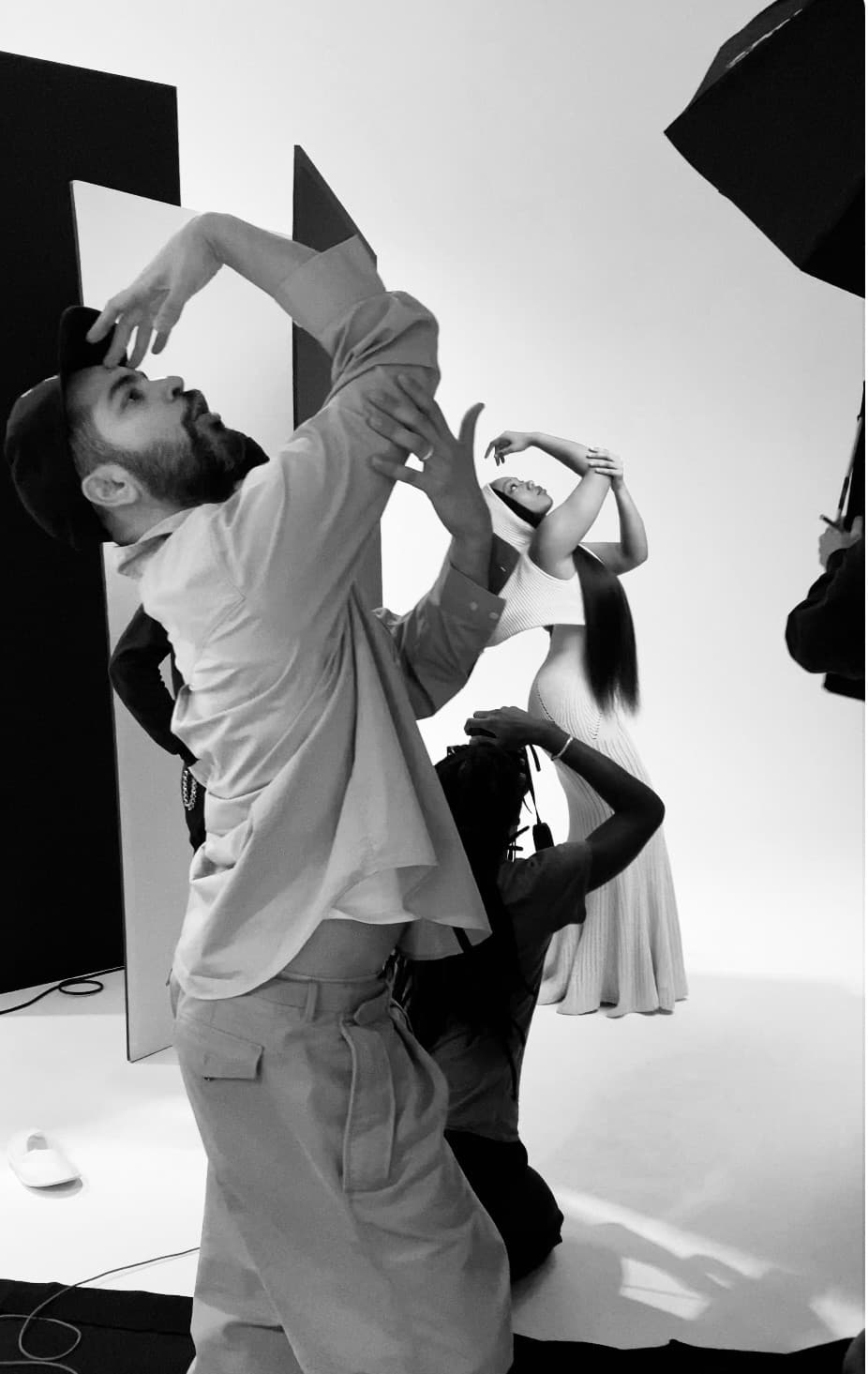
There's always a time for hyper-polished fashion imagery, but lately, more fashion brands have been embracing the rawness of movement—and that's where creative movement director Jorge Dorsinville comes in. If you’ve ever stopped mid-scroll because a pose felt unexpectedly alive, vulnerable, or electric, there’s a good chance a creative movement director was behind it. Dorsinville’s role is simple but powerful: helping talent express emotion through their bodies. "My goal is to teach people how to allow their body to speak in a very original and honest way," Dorsinville says. "We have to unlock the parts of ourselves we've been taught to keep locked and hidden."
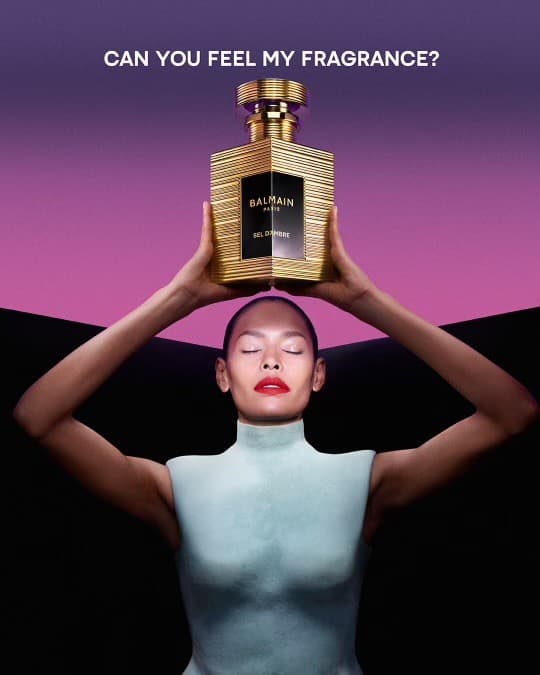
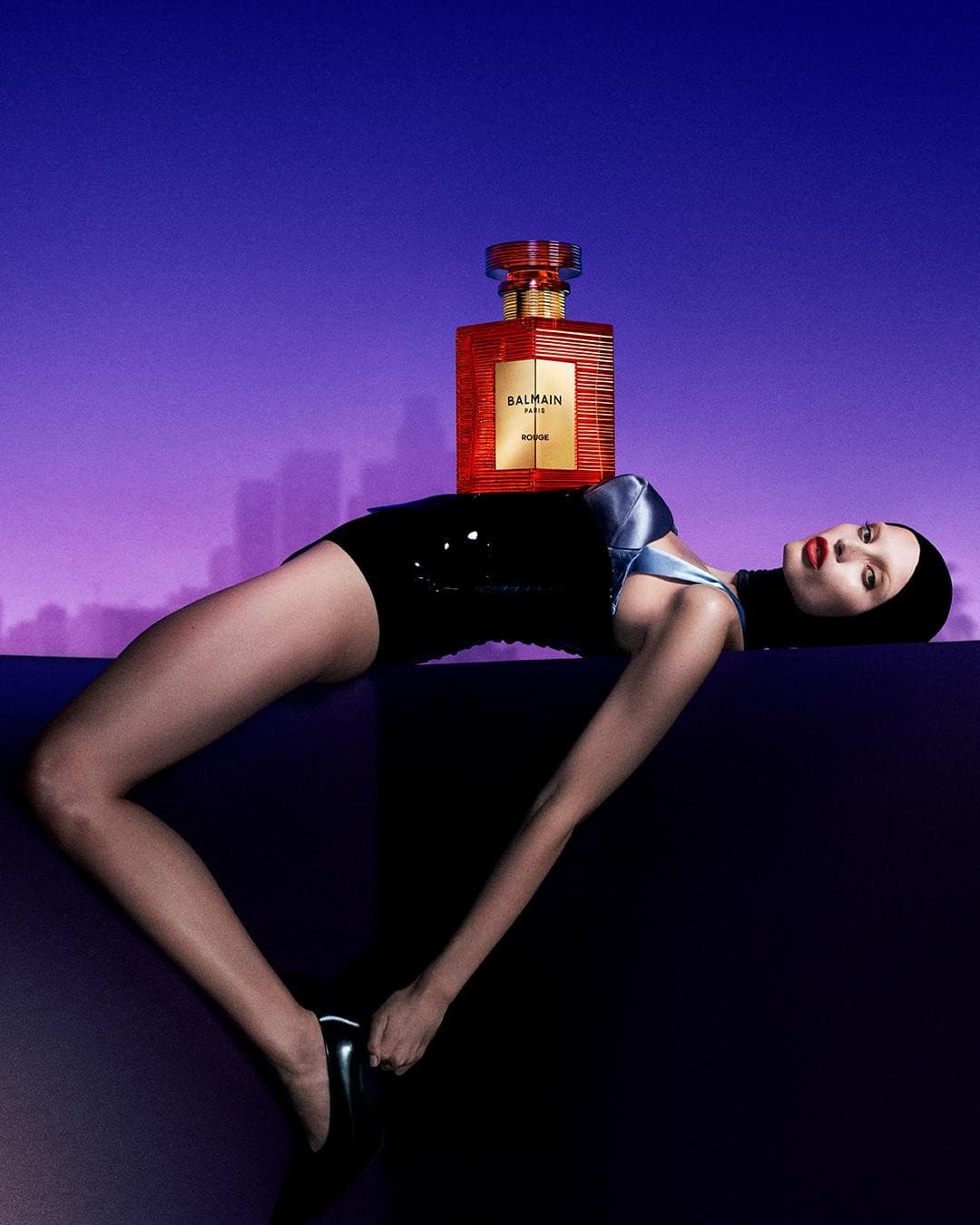
Unlike a traditional movement director, who arrives on set and receives a brief to follow, a creative movement director is involved in the creative process from conception to execution. The creative movement director community is still relatively small, largely made up of former dancers and choreographers who understand the power of embodied expression—especially on fashion sets, where models and celebrities aren’t always comfortable moving freely or expressing emotion in front of the camera. Dorsinville didn't know that this job existed himself until he stumbled into it upon moving to New York City 15 years ago. Growing up in northeast Brazil with little access to art, Dorsinville was known throughout his town for the way he moved and often told it was "too much" by peers. That criticism has become his greatest strength. Today, he's worked with the likes of Vogue, Jean Paul Gaultier, and Balmain, and more recently, was just announced as the creative movement coordinator for the 2026 FIFA World Cup campaign.
Ahead, Dorsinville shares how he entered the world of fashion, how he guides talent to being their most raw and real selves, his feelings surrounding Robyn's viral "Sexistential" performance (for which he was her personal coach, movement director, and choreographer!), and what exactly his role entails.
 Jorge Dorsinville
Can you tell me about your background?
"My background is in dance, choreography, physical theater, and directing. I'm from Northeast Brazil, a place called Salvador, Bahia where I wasn't always super understood as an artist. I was always hungry and thirsty to collaborate with other languages and other art forms. I was in dance, but I was like, 'I want to talk to the guy from painting, I want to talk to the photographer. I want to create something with them. I want to take what I do and then blend it with that they do.'"
How did growing up in Brazil influence your work?
"I come from a country where we are all about affection, humanity, and energy. I am a result of where I come from. In our constitution as a Brazilian, we are mixed—we have Indian, Black, and white, all together. I do think my mind and my creative side always work in that way: the idea of infusion, blending, and collaborating, and curiosity about discovering a new way to speak, a new way to dance, and new ways in general."
In what ways were you misunderstood as an artist?
"In Brazil, I was not understood as an actor because I always used to have a lot of physicality when I was on stage. I used to receive comments saying, 'Well, he moves a lot. He's an actor, why is he always moving? Do less.' And then when I was working as a dancer, people thought I was so expressive and strong. I started to work with directors, creative directors in theater, and as part of the creative conception team, creating—it was beyond just doing choreography or dancing. I was bringing my background and my knowledge to actors, musicians, people who don't have movement as a first language. From that collaboration, we bring a story to life."
 Jorge Dorsinville
How were you introduced to fashion?
"I always had a passion for fashion— it was something I was always looking at from the corner of my eye. I was always looking at magazines and advertising. I used to stop at the newsletter stand and see all the fashion magazines, but I couldn't afford to buy any. I come from a very poor community in Brazil and we didn't have access to art, to dance classes, to theater, to fashion. So my reference was the billboards on the streets. I wanted to be someone who helped create those images that gave an escape, opened up imaginationws, and encouraged fantasy and dreams."
How did you make that dream a reality?
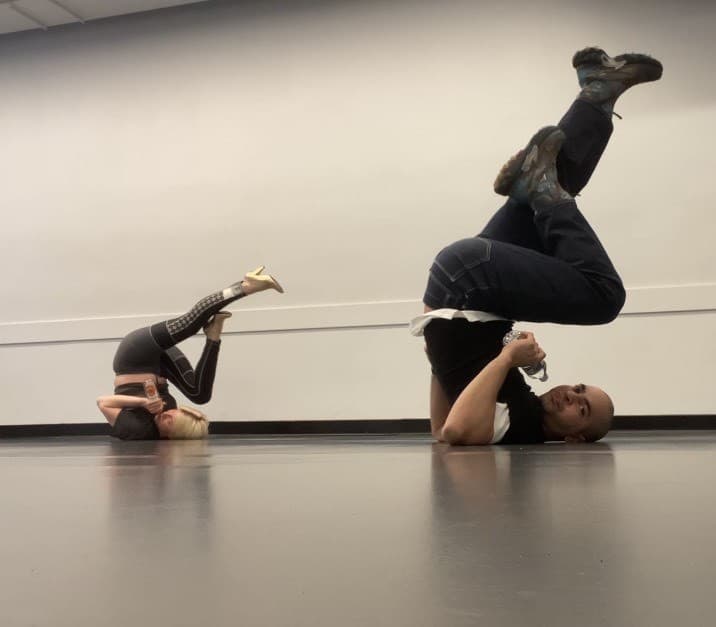
"I moved to New York 15 years ago and I started posting dancing videos on Instagram. I was always using the foundations, basics, and tools that I got from dance, but transforming it and going beyond what I was taught. I used to call what I do 'bodytelling.' I started thinking about how I can bring what I do to fashion and collaborate to make images and videos better, and make models feel better. A producer named Jenny Friedberg found me on social media, said she loved what I produced, and started asking questions about me. One day, I got a call rom her asking me to help on a Disney and Tommy Hilfiger collaboration shoot. It featured model Stella Maxwell, Lucien Laviscount from 'Emily In Paris,' and more. I started observing the dynamic between models and photographers and felt like I had something to bring to the table. I felt like I could help make it even more special. That was the beginning of everything. From there, people started to see me, producers starting to follow me, and would approach me for editorial and ad campaign work."
How would you describe your approach to your work?
"I approach my work like cooking: put a little bit of salt, add a little pepper, put in more ingredients, stir the sauce. That's how my creative mind works, like we're cooking a dish. I focus on how I can get the talent, sometimes a supermodel that is working five days a week with different brands, to have a moment with me. Then, we figure out a way to deliver the emotion needed in a way that's different from other shoots or brands."
 Jorge Dorsinville
 Jorge Dorsinville
How do you begin deciding what movement is necessary for a particular shoot?
"Part of my job is to bring people back to themselves and remind them who they are and ask them how they can be themselves on camera. When I work mentally like this with my clients, consequentially, the movement will come. On some projects, they tell me the story and the concept and my job is figure out how to bring it through the body and have the talent totally engaged, all in the most organic and original way. For other products, they request a whole choreography and I arrive on set with a story with a beginning, middle, and end.
On an editorial shoot, what's your relationship like with the talent?
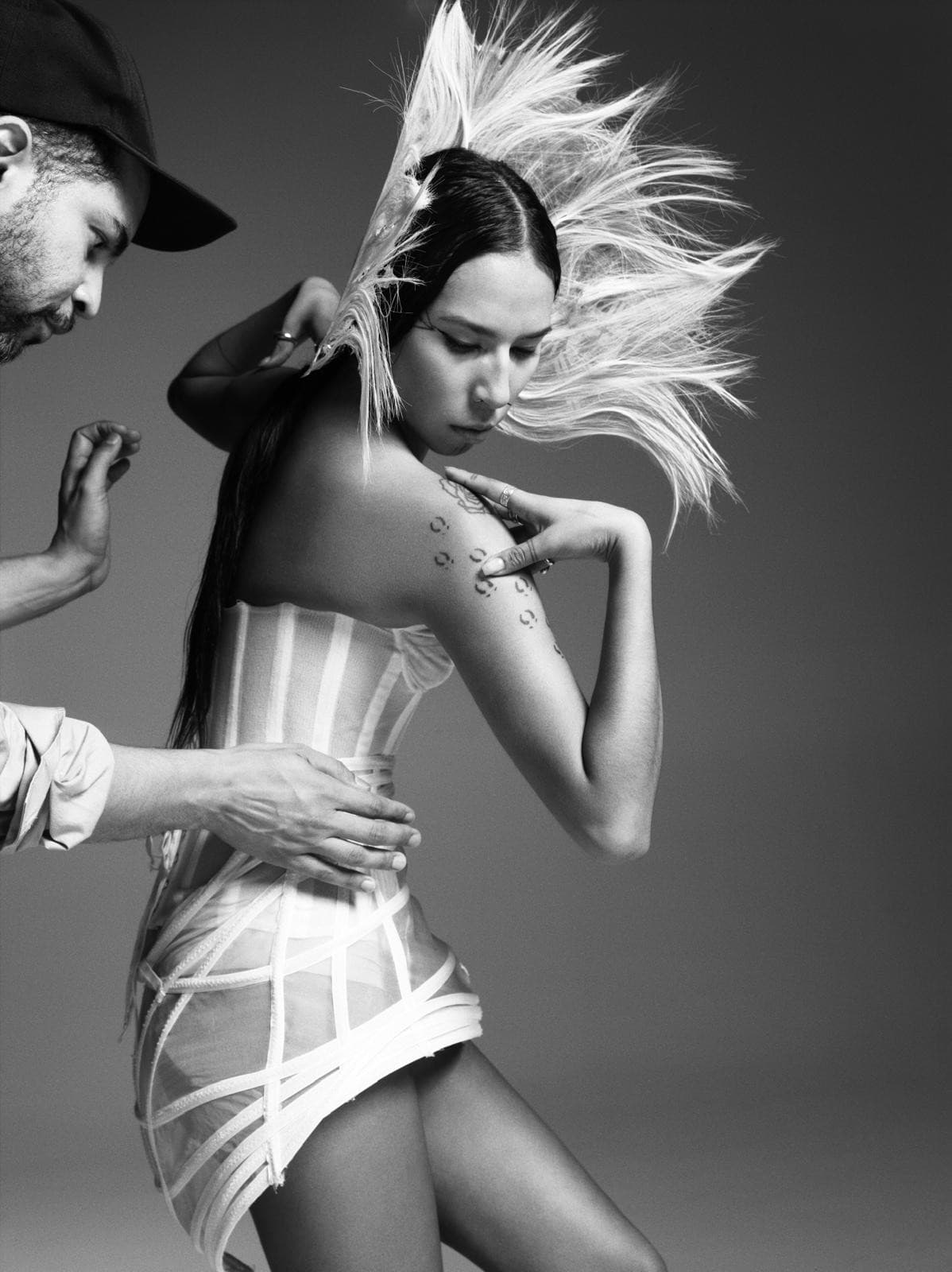
"I'm so connected with my talent. With any campaign, project, or editorial shoot, there are a lot of conversations before—we get a concept and have to understand the references, the collection, the designer, and the project. I'm the instrument between the talent, the makeup artist, the hairstylist, the photographer, the publication, and the brand. I am the person that will translate to the talent what everyone has in mind, all the desires, all the dreams. I come to set with the lens of humanity first—I always start by understanding who the person is and where they come from. I arrive on set early and with an understand of every element of the project—that's my homework. Then, I'm literally directing models during the whole shoot. Sometimes, I find my own location or corner, sometimes, photographers tell me where to stand. As I mentioned, I start thinking of it as cooking: seeing, tasting, observing, smelling."
 Jorge Dorsinville
 Jorge Dorsinville
Can you give an example of a direction you would give a model?
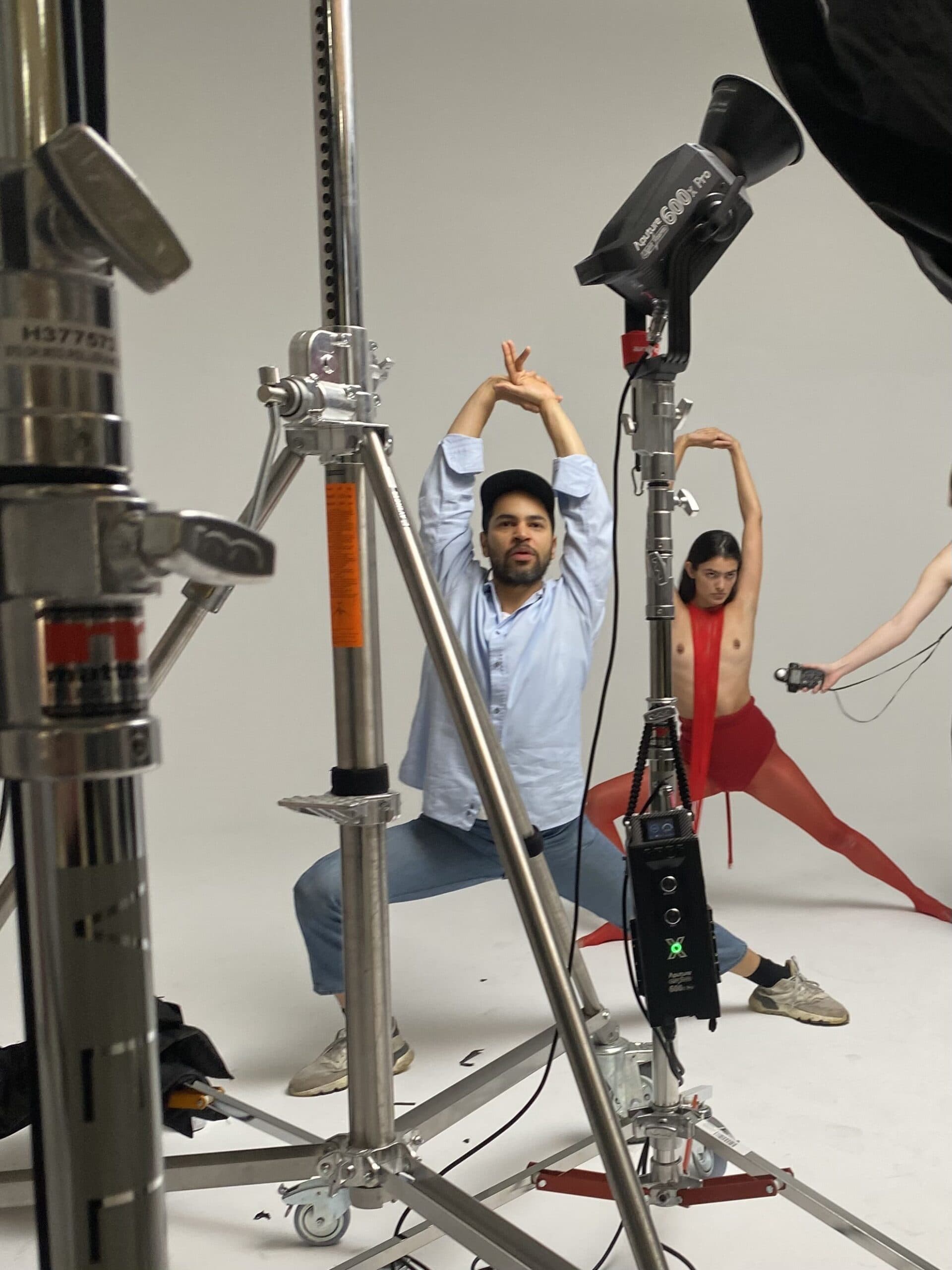
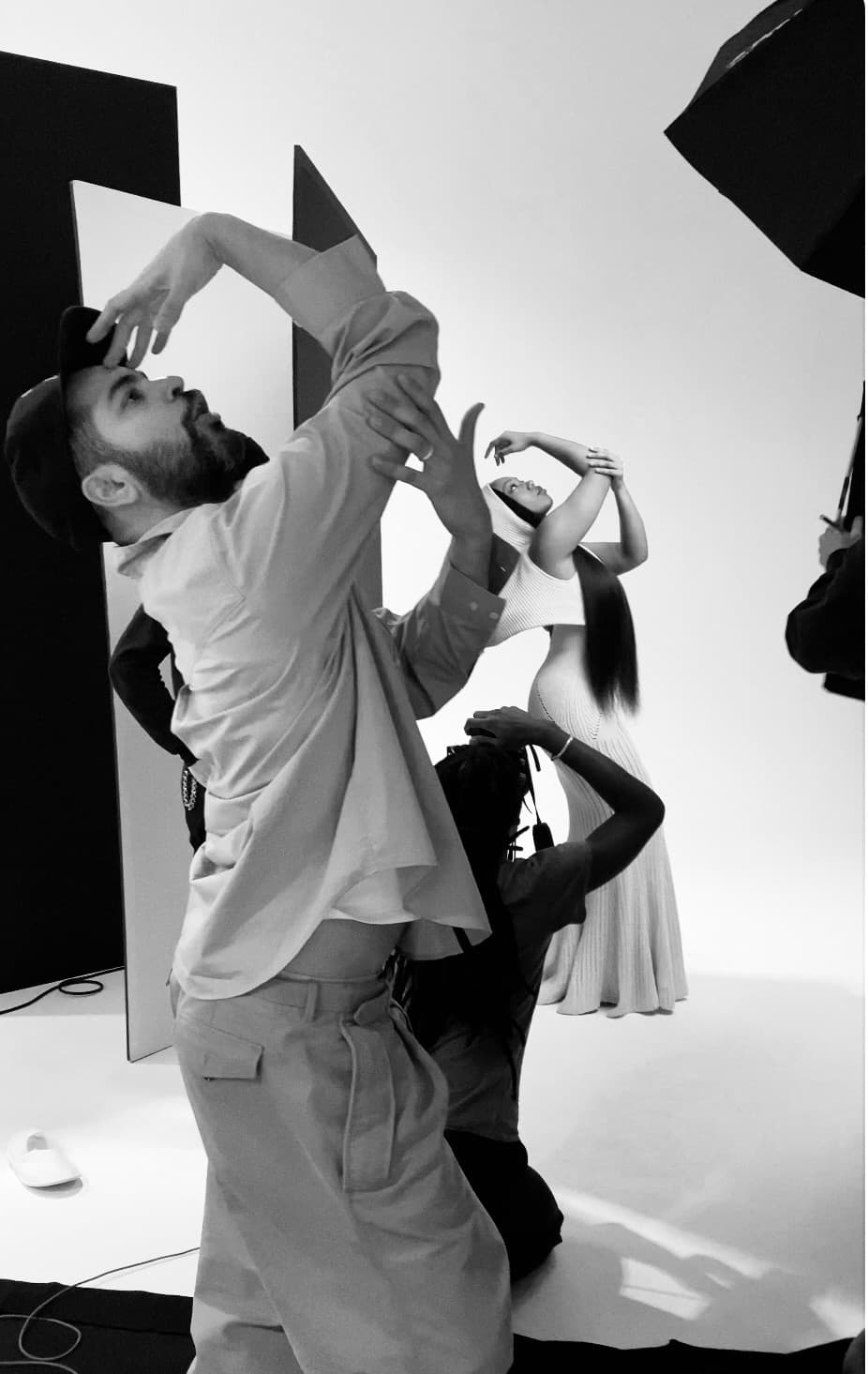
"Sometimes, I need to give only one phrase to my talent to unlock everything I need from them related to emotion, to energy, to vibe, even to body. For example, I might say, 'give me expensive shoulders.' I can translate a movement I need from them through a culinary vocabulary. If I feel the models are not really relaxing their legs, I'll say, 'Think about butter. When you put the bottle on top of something hot, it's going to melt.' Automatically, you visualize this in your brain, feel it in your nervous system. I remember when I was working with the stylist Alex White on my first editorial for a magazine and the model was so tense. I could feel that. I said, 'Honey, listen, we've gone five months without eating amazing pasta. Think about that. Tomato sauce, fresh, basil, olive oil, Parmesan cheese, garlic.' And then her whole body changed. There are also moments on set where I move my body and show articulation, shapes, angles, and forms, and the models copy."
 Jorge Dorsinville
What do you want people to feel when they see your work?
"My goal is always to make that moment on set unforgettable, not only for who's going to see the campaign or the magazine after, but for the people that are doing it. It's also to find a new texture, a new nuance, a new vibration, a new light, a new color."
What's the most exiting project you've worked on recently?
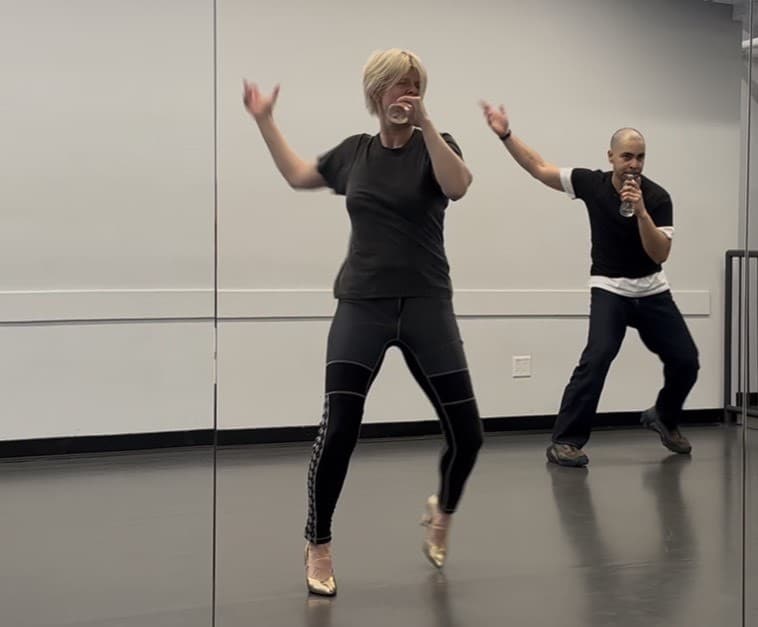
"I just recently worked with Robyn for her performance on 'The Late Show with Stephen Colbert' of her new single 'Sexistential' as her personal coach. She was wearing Versace, the last collection from Dario, and the internet's going crazy about it. It was challenging because she came to me and told me [the lyrics were] a real story. I had to figure out movement to translate the emotion of lyrics and the feeling she had while writing the song. There is no separation between the body and what you're wearing—it should all feel like one thing. So, I had the red leather Dario pants in mind, the Celine shoes in mind, and the whole look. It's getting crazy feedback on social media, but we are very happy with the results."
Tell me more about the process of translating the lyrics to choreography.
"From the first listen of 'Sexistential,' the lyrics felt uncompromising, raw, funny, visceral, and deeply philosophical. They speak about the body as truth, about autonomy, pressure, desire, creation, fear, and choice. My work was not to decorate the song, but to translate its existential weight into the body. The choreography was built around contradiction: control and surrender, strength and vulnerability, stillness and push. When the lyrics say 'wear something nice and push,' we treated that line not as irony, but as reality—how women are asked to maintain composure while carrying something monumental inside them. The body becomes both container and resistance. The movement lives in that tension. In the room, the process was about listening to the words, to breath, to impulse. Letting the body respond before the mind explains. Trusting that physical architecture can hold complexity without smoothing it out or making it polite. I was interested in what happens when posture fractures, when alignment fails, when effort becomes visible."
What would you say to people who still don't think they need a creative movement director?
"I'd say absolutely try. Be open. Art is freedom and freedom is absolutely connected the idea of being open. Creative movement directors don't come to erase anything or to disrupt. We come to collaborate, we come to contribute."
What would you say to people who still don't think they need a creative movement director?
"I'd say absolutely try. Be open. Art is freedom and freedom is absolutely connected the idea of being open. Creative movement directors don't come to erase anything or to disrupt. We come to collaborate, we come to contribute."