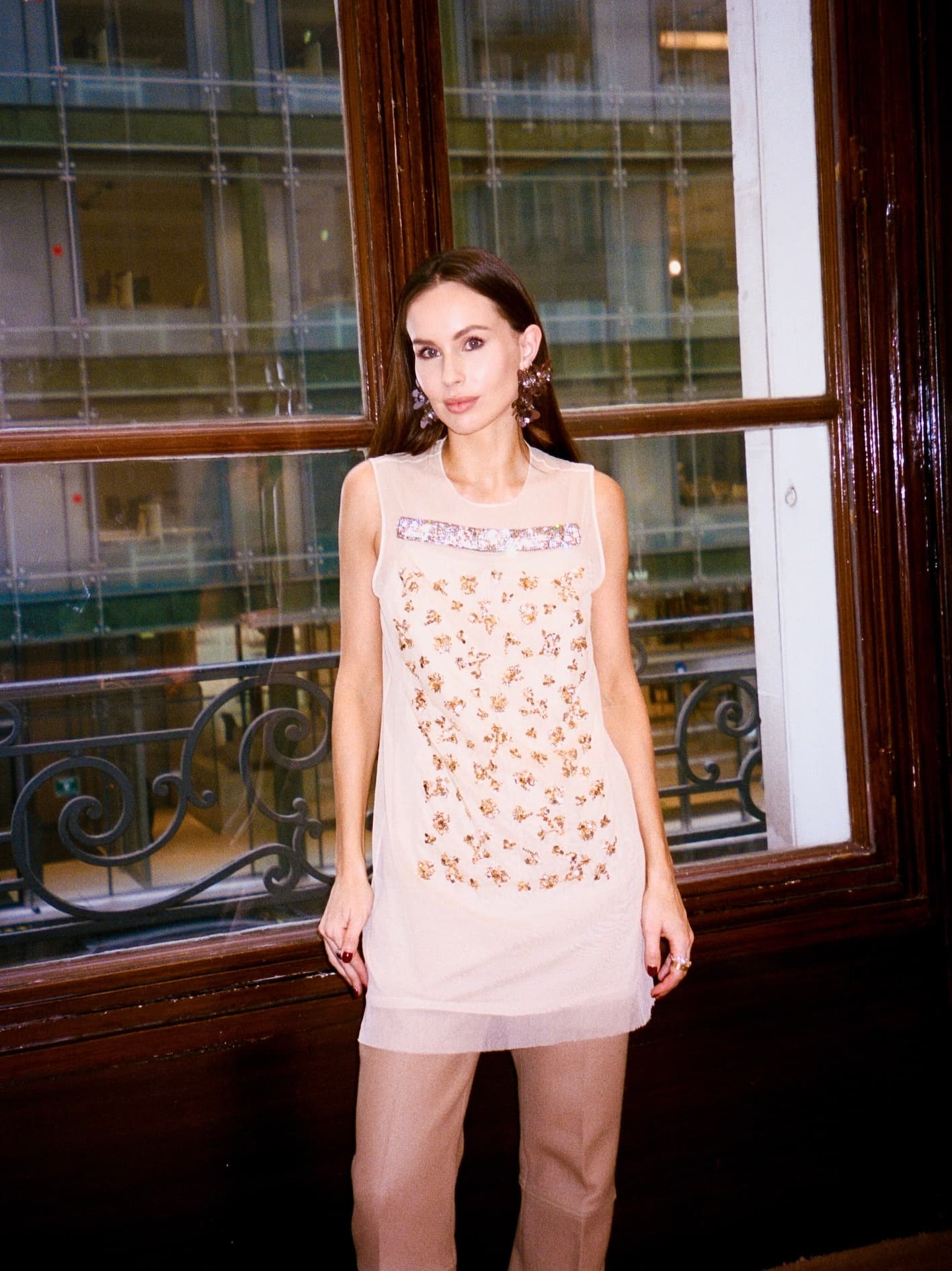
Isabel Bazzani is a luxury stylist and personal shopper based in Paris, known for sourcing exclusive pieces for her high‑net‑worth clients. Ahead, she reveals the hidden process behind securing the most-covetable runway looks.
For the past decade I’ve worked closely with clients from all over the world as a personal shopper. These are the kind of women whose wardrobes are mapped out and locked in months before the season even begins, and who don't blink at the price tag of a custom couture gown. That process starts at Fashion Week. Tucked away inside private showrooms scattered across Paris, the collections are displayed immediately after the show. The same looks you’ve just seen walking the runway are suddenly within reach for close-up inspection, though only for a select few.
Some of these looks are one-of-a-kind and won’t make it to production; others will simply never be seen again outside these rooms. That’s part of what makes this process feel so unique, especially when you know that what you’re looking at won’t exist like this for long. Inside each appointment, each piece begins to find a home. While the rest of the world won’t discover these collections for another six months, my clients are already making decisions selecting, securing, and shaping their wardrobes in real time. Ahead, I'm giving you a glimpse behind the curtain into how it all works.
How a Runway Looks Becomes a Private Wardrobe
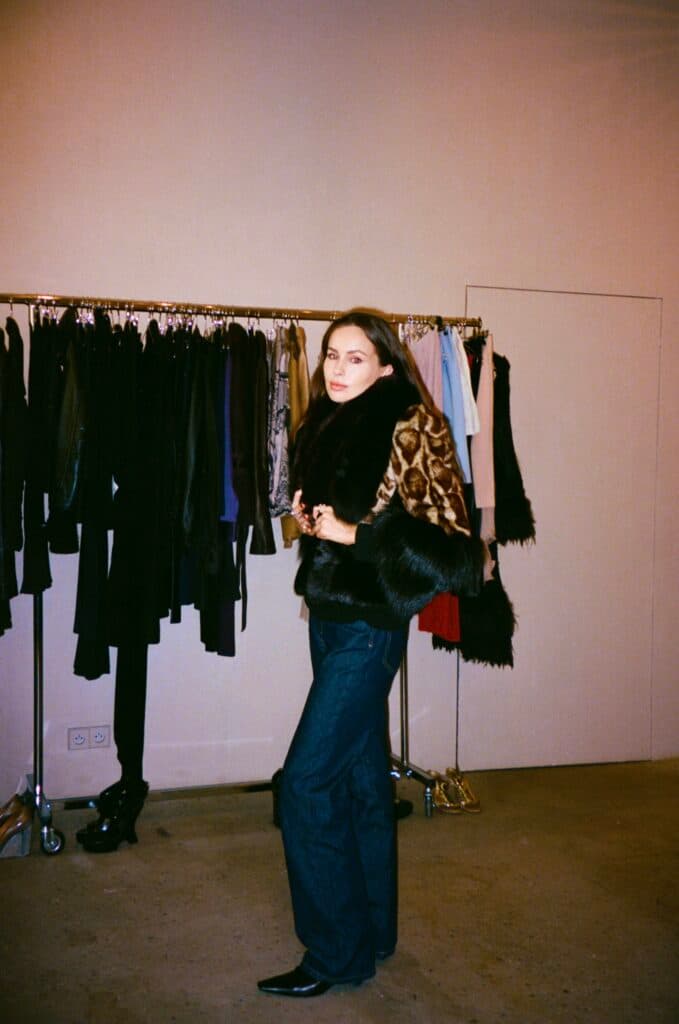
In the days following the shows, buyers from the world’s top department stores and boutiques cycle through these appointment-only spaces, studying every look before placing their seasonal orders, building out what will eventually be sold in stores. But there is another layer to these appointments that most people don’t see.
These meetings are also reserved for a different kind of customer, often referred to as the VIC (Very Important Customer), whose purchasing history with a brand gives them early access to what the rest of the world will discover months later. They don’t wait to see what’s in stores—instead they choose directly from the source. That’s where I come in.
As a personal shopper working with clients across different time zones, I’m inside these showrooms photographing and filming everything in detail. The way the fabric falls, the exact tone of color, the finish of a button and the way a garment sits on the body. Within minutes, every look is sent out. A WhatsApp message, a voice note, a quick upload of content to my lookbook platform, and clients review each piece almost instantly, asking questions and confirming decisions within hours. It’s surprisingly seamless, as if they were right there in the room with me. And from there, things move fast.
At houses like Dior, pre-orders typically need to be confirmed within 24 to 48 hours of the show. Miss that window and the piece may be gone. Other brands allow a little more time, maybe a week or occasionally two, but the pace is always the same: immediate. A 50 percent deposit secures the item and sets production in motion. Then, months later once it’s ready, the balance is paid and the piece is delivered, usually ahead of store delivery so the client can enjoy it before anyone else. Other houses like Chanel work slightly differently, often allocating through a VIC pre-request system, producing only those items specifically ordered by clients. The principle remains the same across all brands and its access is reserved for a very small circle.
The final result is always so exciting to watch unfold, with wardrobes fully imagined and confirmed months in advance. Without fittings or even seeing the pieces in person, clients are building entire looks for future vacations, galas and moments that haven’t happened yet. By the time the collections arrive in-store, they have already moved onto planning the next season before this current one has landed.
The Pieces the Public Never Sees
One of the biggest misconceptions about Fashion Week is that everything presented on the runway will eventually be available to buy. This is far from true. Some pieces are produced in such limited quantities that they effectively only exist for flagship stores or to those who commit early. Others sit at price points so high that production doesn’t even begin unless a client has secured it early with pre-order. Then, there are pieces that are simply too complex for commercial consumption. Sometimes it might also come down to the materials used, like an intricately hand-pleated skirt or a jacket requiring hundreds of hours of artisanal handwork. These aren’t pieces that can be easily scaled or reproduced.
Other times it’s about wearability. A silhouette might be too exaggerated, too sheer, too sculptural to translate into everyday life. So by the time the runway version reaches retail, it has been softened, adjusted and reworked into something more casual. Yet inside the showroom, you have the opportunity to secure that original version, allowing that fashion moment to live on exclusively through one's wardrobe. For many, this is part of the whole appeal: owning something quite literally no one else will.
A perfect example of this kind of ultra-exclusivity was the Chanel Celestial Globe Minaudière from Matthieu Blazy’s debut collection, which became one of the most iconic accessories of the season.Priced at €25,000 and never intended for wide release, it was only available through pre-order almost immediately after the show and only by invitation. By the time the collection launched in-store, they were essentially gone. Now the demand for them is stronger than ever, yet all that remains are extensive waitlists and the quiet satisfaction of those who secured them early.
The Season's Most-Requested Looks
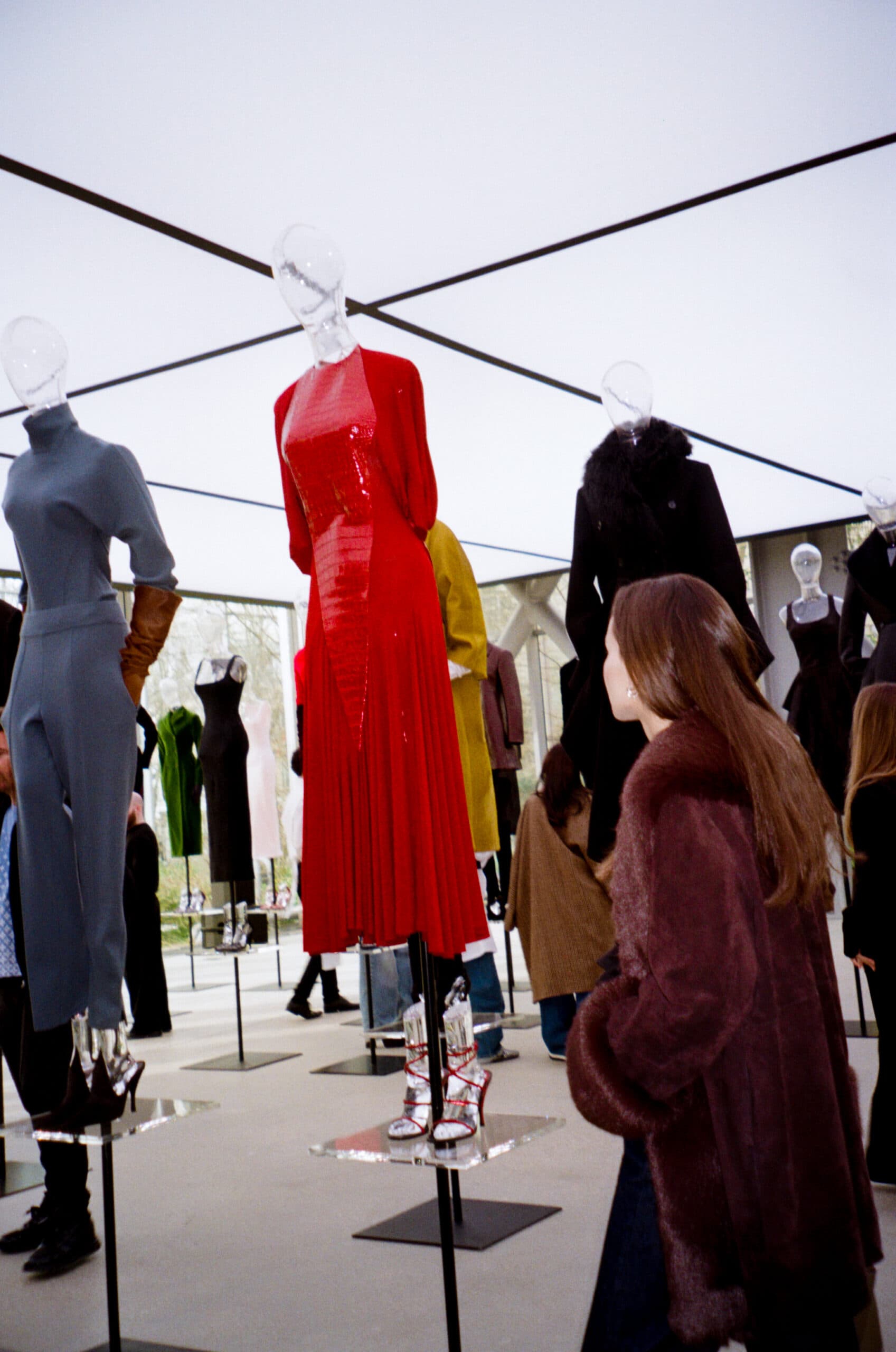
Every season has its standouts, the pieces that privately circulate between clients and the ones that everyone is asking about as soon as the show. This season included the red Alaïa crocodile dress priced at €50,000, alongside the beautifully pleated skirts crafted from 30 meters of fabric—pieces that felt more like objects of art than clothing.
 Isabel Bazzani
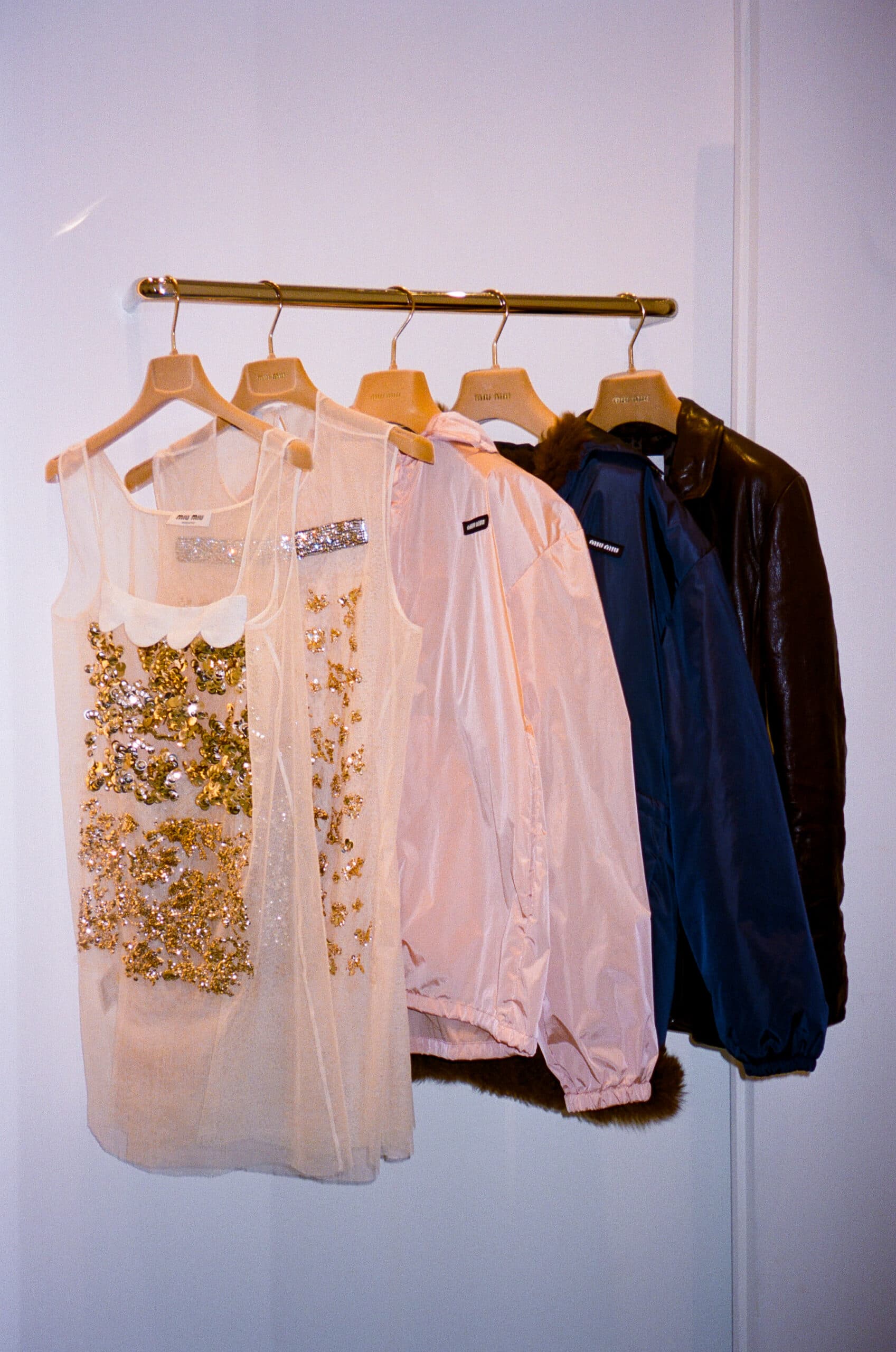
At Rabanne, there were intricately constructed chain pieces and eccentric furs reaching upwards of €60,000. Over at Miu Miu, a handful of looks were pulled in the final moments before the show by Miuccia Prada and were later reserved exclusively for clients as true one-of-ones.
 Isabel Bazzani
 Isabel Bazzani
Victoria Beckham’s sheer green, black, and orange gowns may remain confined to the runway entirely (only time will tell); same with Magda Butrym’s feathered dresses and skirts with a price point well beyond the brand’s usual territory.
 Isabel Bazzani
And then there were the closing embroidered gowns at Balenciaga, plus the embellished bags and feathered outwearwear. These pieces realistically will not reach retail—maybe one for Avenue Montaigne—otherwise, it’s straight to the archives.
 Isabel Bazzani
 Isabel Bazzani
That’s often how it happens: pieces simply vanish after their runway debut.
The Customization Element
Beyond exclusivity, there’s another layer that makes pieces more personable with the ability for VICs to co-create. Designers like Thom Browne invite clients to reinterpret their favorite looks by adjusting the fabrications, colors, proportions and often reworking the narrative behind a look entirely. One coat this season had hand-painted scenes of Browne and Andrew Bolton in the snow with their dog and personal rituals. This became a blueprint for clients wanting to translate that same level of storytelling into something uniquely their own.
 Isabel Bazzani
That same energy also extends into jewelry with brands like Tabayer, where clients are commissioning pieces that sit somewhere between fashion and high jewelry to make it personal.
When Past & Future Collide
At the same tim,e there’s been a noticeable shift towards vintage. Alongside the forward-looking energy of the runway, there’s now a parallel world unfolding across Fashion Weeks as private vintage showrooms are presented, curated by some of the most respected dealers globally.
I recently visited a shared space that brought together sourcers from around the world, each specializing in a different era or aesthetic, each with their own slice of fashion history: Catatlanta, Lidow archives, Bethielle archive, Majco.zip, West Archive, Arch Angels, Akhralova, Pomchili & 100Percerti.
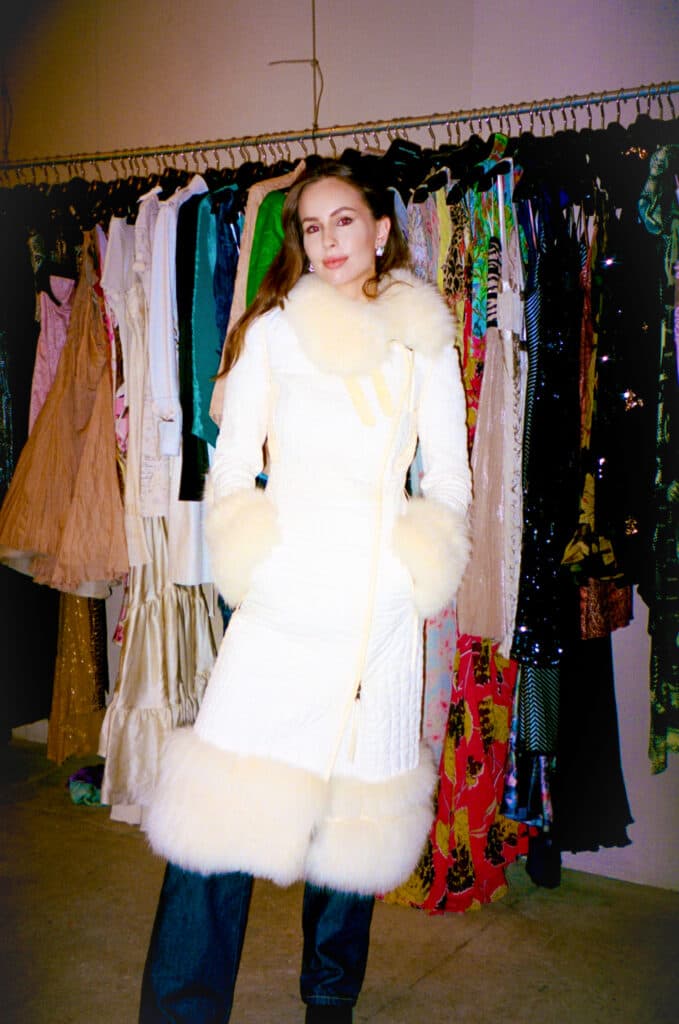
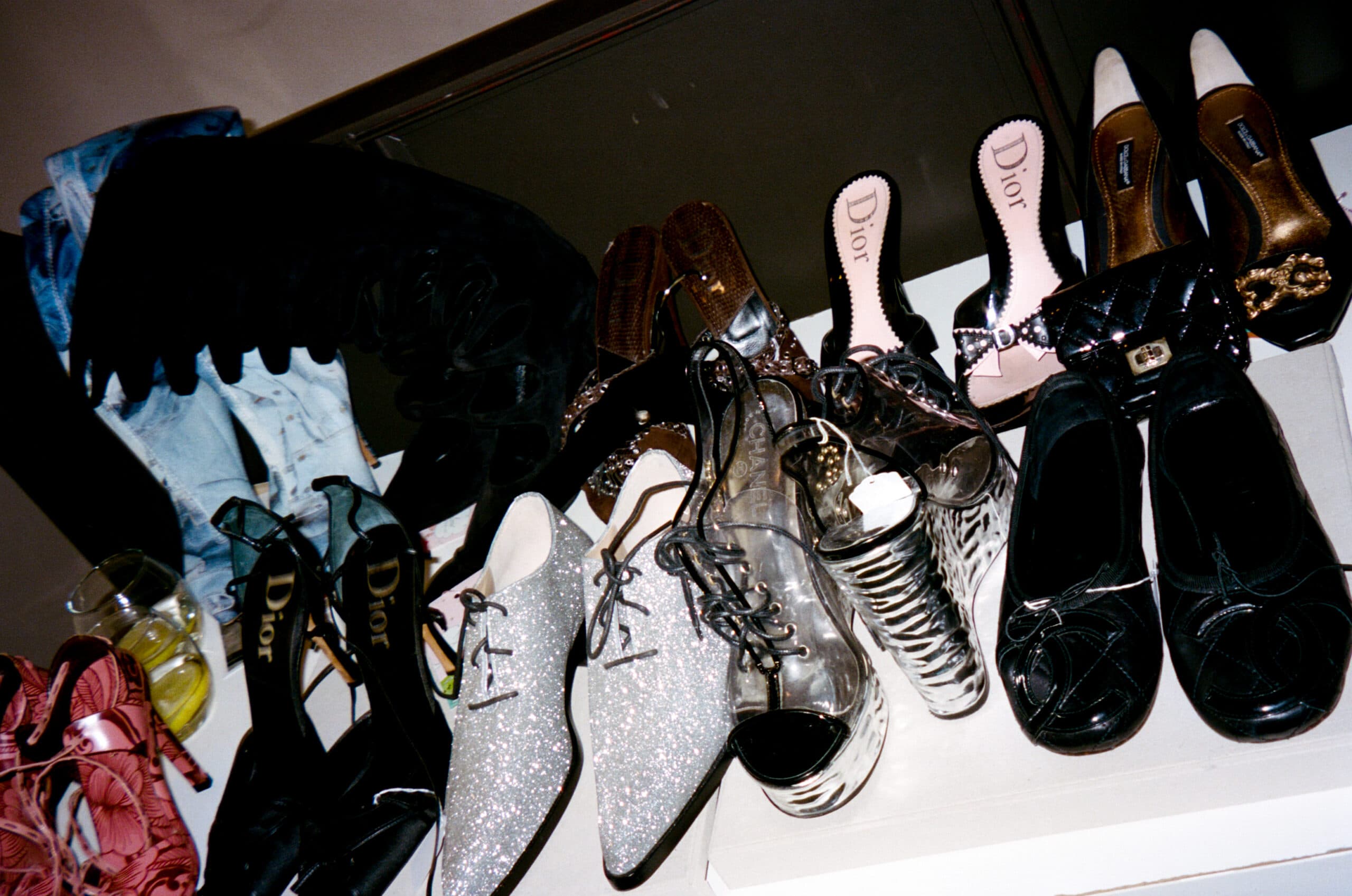
Each has their own niche, like 100Percerto’s focus on early Prada, or Bethielle who traces the creative years of Galliano, Gaultier, Cavalli, and MajcoxJovem who hunts the vibrant energy of the 2000s.
 Isabel Bazzani
For some clients, this is where things become even more interesting. Because while pre-orders offer access to the future, vintage offers something else entirely: a piece of the past waiting for a new chapter.
The Key To Access
After years of working across these showrooms, the process becomes instinctive. You learn how to move through a collection quickly, how to recognize what matters, what will resonate, and what is truly worth the investment. Sifting through each collection, I focus on the pieces that feel right for each client and what will integrate seamlessly into their lives, while still feeling exciting and entirely their own.
This is ultimately the goal. It’s not just about acquiring something rare, but to build a wardrobe that is truly unique to each individual. And while the rest of the world catches up to the new season, that process for me and my clients is already complete.