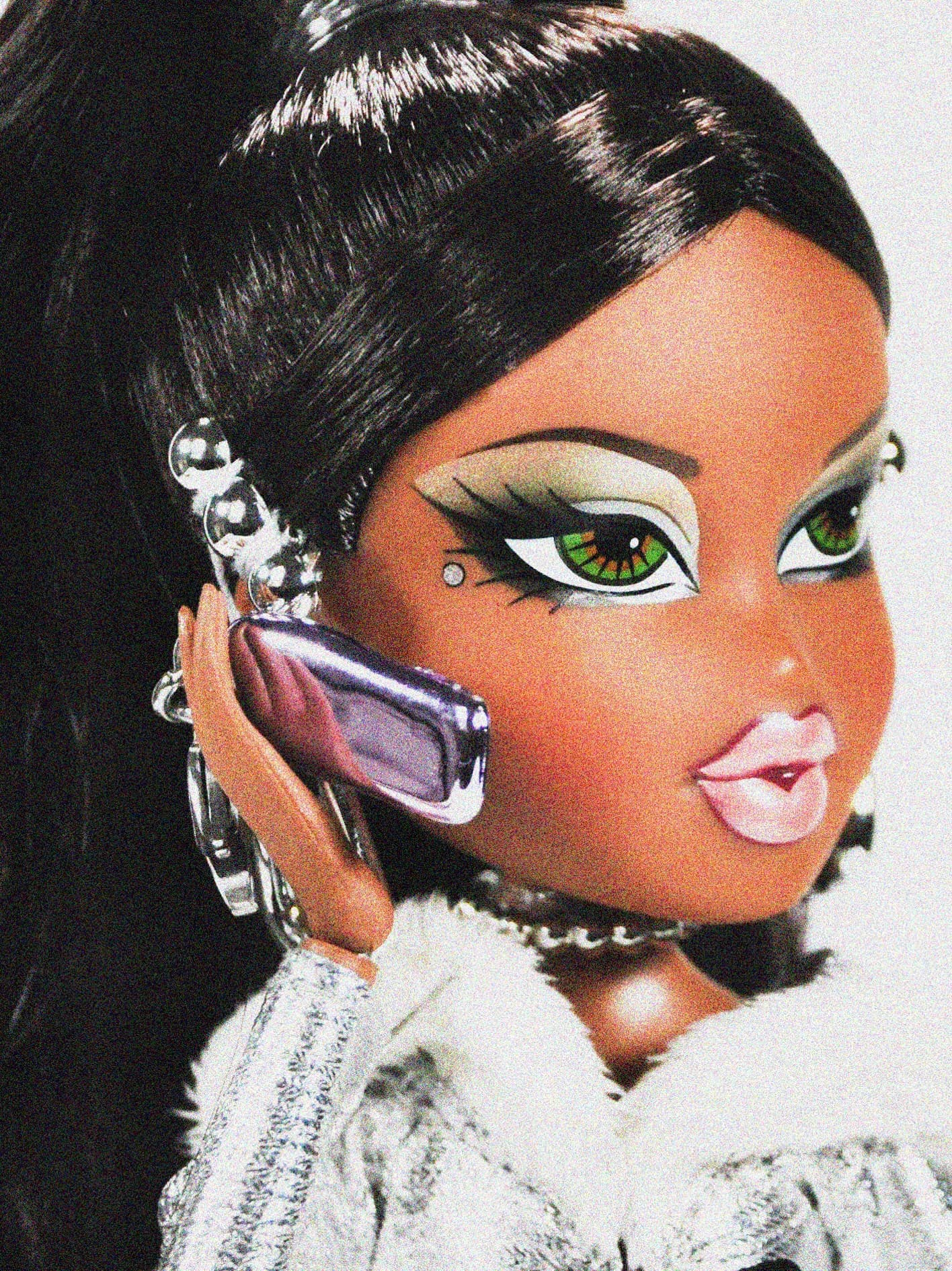
In 2001, Bratz dolls landed in the toy market. Making a controversial splash onto the scene, these dolls were the original baddies with their overlined lips, feline makeup, Y2K style and non-white features. Over 25 years ago, Barbie got the boot and suddenly, everyone wanted a Bratz doll.
It was an optimistic time for most, third-wave feminism, which was heavily influenced by pop culture, was in full effect, and intersectionality was finally being considered as a real thing with impact. It was the era of theY2K aesthetic, still with some late '90s elements and influences. Socially, you were bound to find endless groups of teen girls unaffected by social media spending late afternoons in shopping malls wearing low-rise jeans and halter tops.
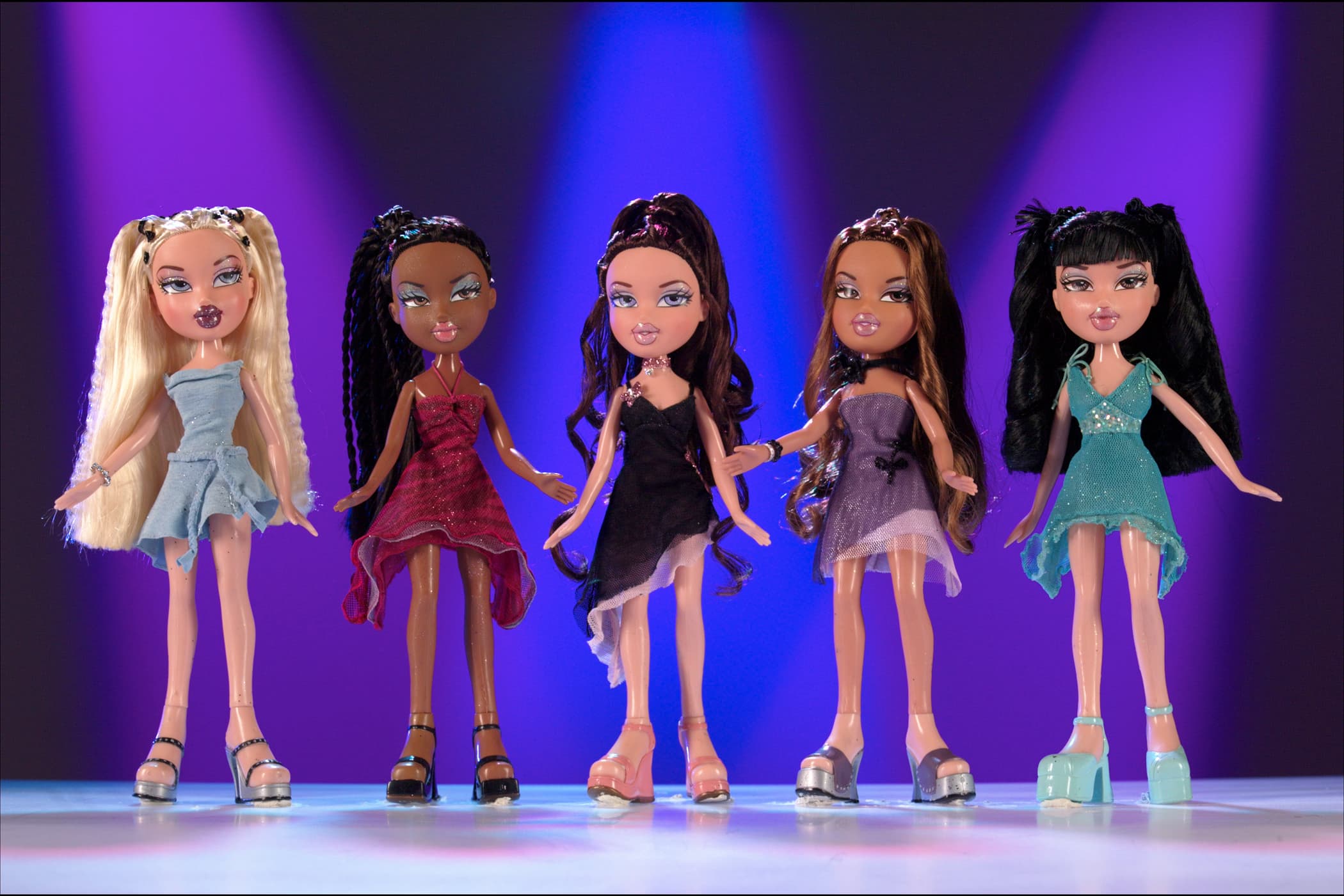
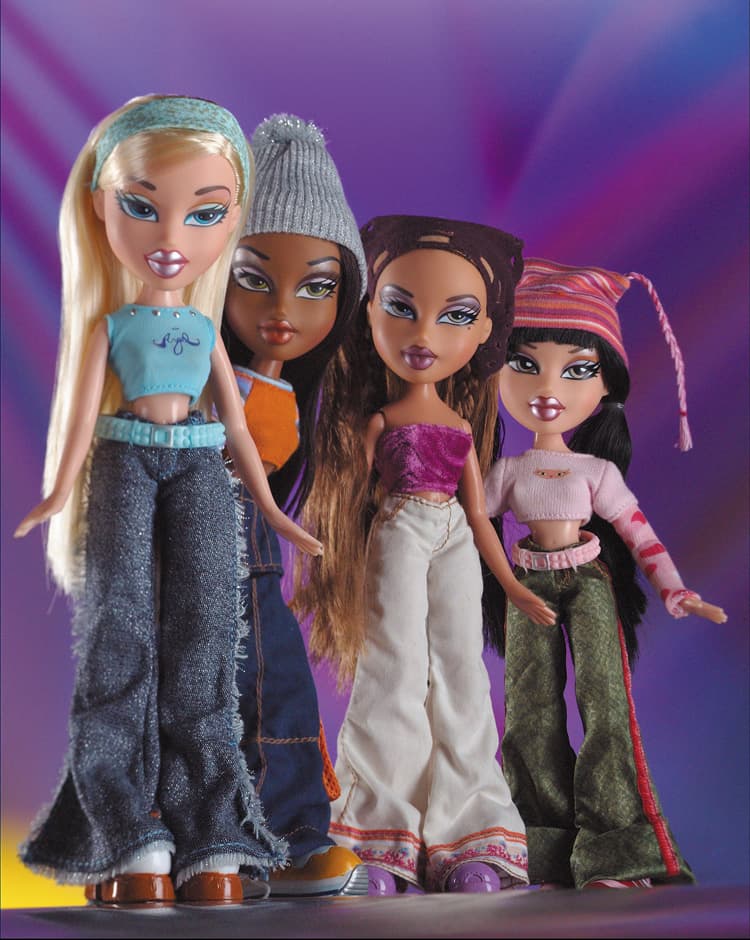
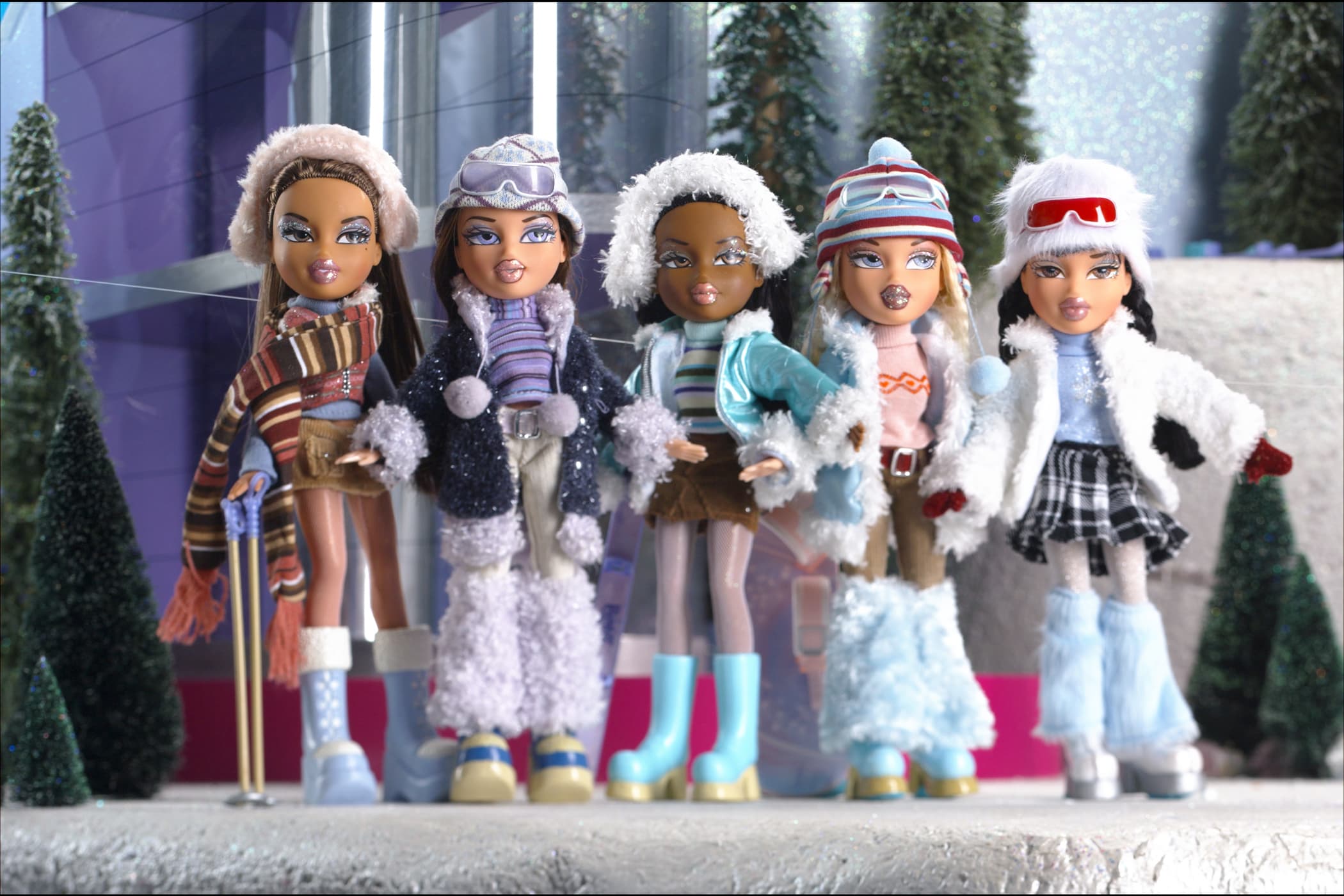
On May 21, 2001, the Bratz girls landed, and we were introduced to Cloe (an energetic and sporty blonde with the nickname Angel), Jade (the fashion-forward trendsetter with the nickname Kool Kat), Sasha (the confident, hip-hop loving girl with the nickname Bunny Boo), and Yasmin (the quiet, slightly-introverted girl with a boho aesthetic and the nickname Pretty Princess). At first, they had a bit of a slow start—but momentum would pick up come the holiday season that year.
 Courtesy of MGA
The Bratz Dolls were originally designed by Carter Bryant, who had previously worked as a fashion designer for Mattel, in 1998. After years of development and perfecting their aesthetic, they were officially launched by Isaac Larian, founder and CEO of MGA Entertainment in May, 2001. Now, Jasmin Larian Hekmat—Larian’s daughter and the CEO of fashion brand Cult Gaia—serves as Bratz’s creative director and president. Now at the helm of the girl doll legacy, Hekmat has one clear intention with all of the work she does: to shake things up, with both fashion and dolls. "I don't think Barbie is very bold or badass. I think it's fitting a mold. Barbie says that you can be anything. Bratz encourages you to be yourself,” Hekmat says. “Bratz are badass, bold, risk-tasking, and just fucking rad," she says.
While concerned parents initially took issue with the crop-top wearing dolls in full faces of makeup, they resonated with younger folks because of the exact ethos that Hekmat describes: with more individual style, diversity, and being presented as a pack. Bratz felt authentic and more widely relatable in comparison to the career-minded Barbie that served as a bit of a blank canvas. From their first iteration, diversity was important.The team was adamant about selling them in a pack of 4, a "Bratz Pack," if you will. "Even when retailers just asked for Cloe, we told them they were a pack," Hekmat says. When the Bratz pack was ethnically diverse, there was some bias towards the Black and Brown dolls. Bratz glam is heavily inspired by Black and Brown cultures—and, in turn, Bratz dolls were marked with stereotypes typically associated with Black and Brown women in a negative way. Bratz dolls were sassy, and carried around an innate attitude that white consumers didn’t favor.
 Courtesy of MGA
With nostalgia at the forefront of many fashion trends today, Y2K trends are resurging. Pattern clashing and mixing and matching is at the forefront of Bratz fashion—things, patterns, and vibes that you wouldn't expect to pair well together but make for something special and entirely wearable, all things popular in fashion in 2026.
The same sentiment goes for beauty trends. "It changed the game for beauty, especially this pouty and expressive look. So many makeup artists grew up playing with the dolls and even Kim [Kardashian] told me that she references Bratz makeup a lot for her looks," Hekmat says. "And I've heard that from a lot of different people in pop culture and how much it's affected the way they want to see themselves. That's really been the coolest thing: seeing how this brand and the aesthetic has moved through time and is still so, so relevant."
 Courtesy of MGA
 Courtesy of MGA
Bratz glam is now reflected throughout 2026 makeup trends. “[Bratz inspired] the ‘Undereye Blush Draping’ trend and the ‘Icy Eyelids’ trend,” Steve Kassajikian, Head of Global Artistry for Urban Decay, says. “The Bratz dolls brought an edgy, urban, high glamour aesthetic to the mainstream, pushing away from classic clean-cut beauty trends. It influenced the rise of the overdrawn lip and bold eye makeup, modernizing the nostalgia from the late 90’s/early 00’s.”
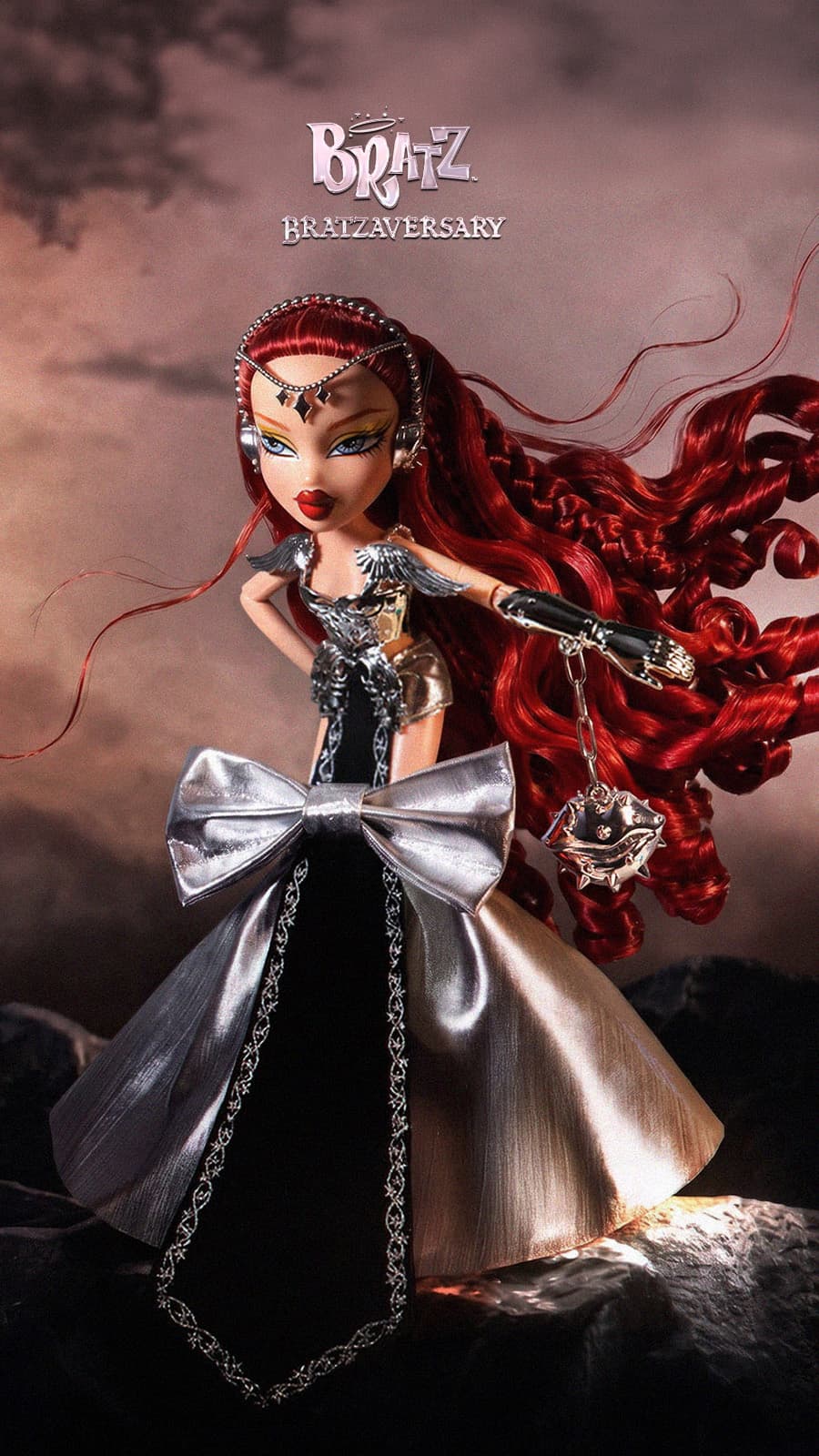
And so the Bratz dolls became a legacy brand —and, like the fashion and beauty aesthetics that they represented and general baddie mindset they encouraged, the Bratz aesthetic is going nowhere. In 2026, the Bratz Dolls are resurging in popularity amongst nostalgic Millennials, Gen Z collectors, and young parents keeping the legacy alive for their children. With music racking up millions of streams, a live-action movie in the works, a podcast coming soon, and collaborations with brands like Cult Gaia, Dr. Martens, Gentle Monster, Jean Paul Gaultier, and more, the brand is poised for continuous growth. “The brand is alive,” Hekmat says. “We were always ahead of the times.”
 Courtesy of MGA
I was personally never a Barbie girl—but, I did beg my mom to buy me Bratz dolls as a kid. It was one of my first experiences feeling reflected through pop culture. As someone who grew up loving fashion and beauty, they served as some of my first influences—and they continue to serve as such to a new generation. They represent individualism, boldness, confidence, and personal style in the truest sense of the word—the literal definition of a baddie. “A baddie is someone who's unapologetically bold and authentic,” Hekmat says. “The core of the Bratz brand is individuality and authenticity and being really unapologetic and bold. You're really not trying to please anyone but yourself.”
 Courtesy of MGA
So, when you find yourself crediting Kylie Jenner for the overlining your lips hack you’ve picked up along the way, think again: Bratz dolls raised a generation of baddies and made Black and Brown girls feel seen—those girls are forever the blueprint.