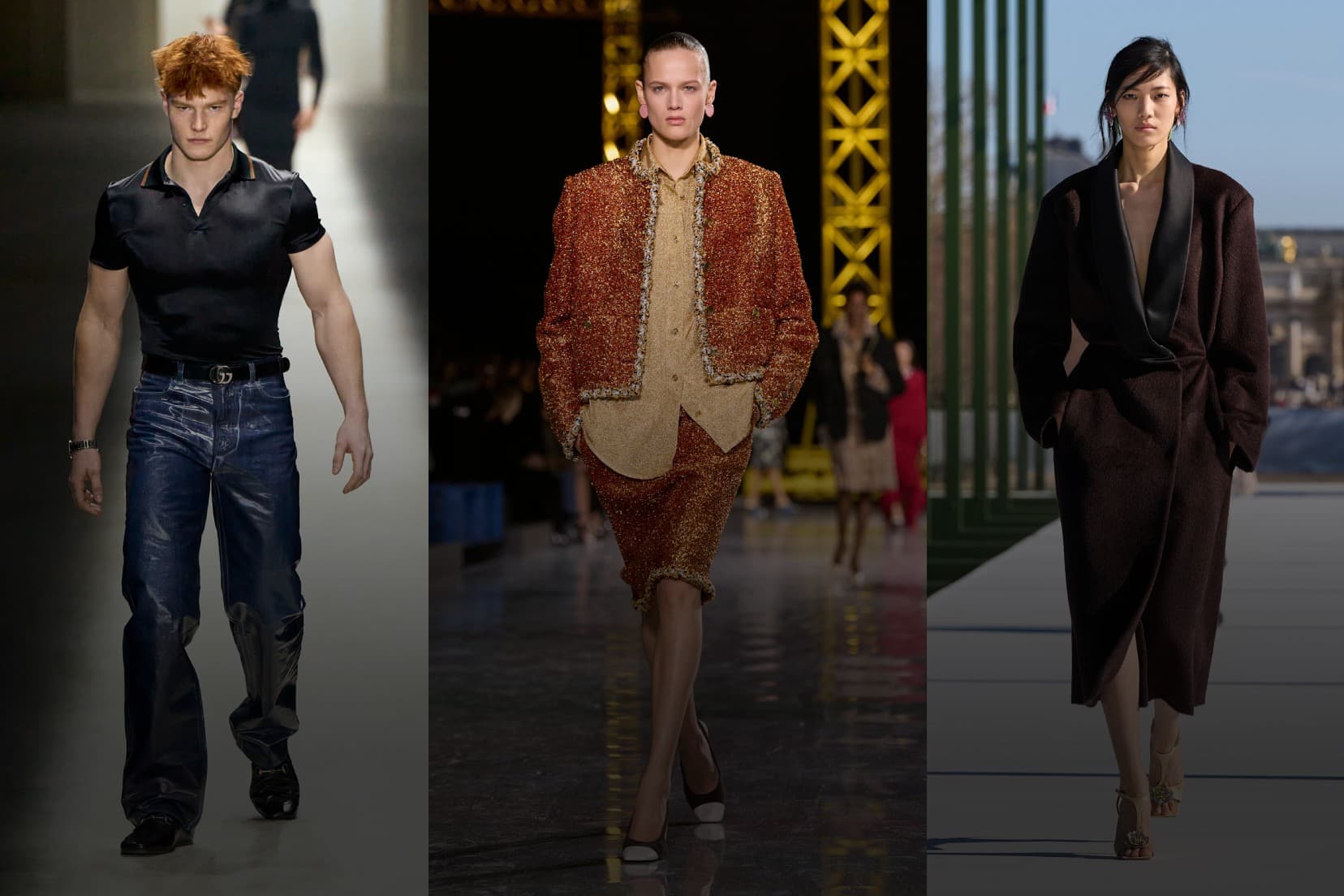
Fall/Winter 2026 delivered some of the strongest collections we’ve seen in a complete season in a while. We had debut shows, sophomore collections, rage bait, final bows, and designers truly putting out some of their best work, exploring how design and art collides with late-stage capitalism. It was a standout season for many, myself included. But elsewhere, the dialogue around the shows felt misguided.
Demna’s Gucci show can be pinpointed as a catalyst for this discussion. In Milan, the Georgian designer debuted his first runway show (and third collection) for Gucci. There was an all-star cast of supermodels and influencers, many serving as a reference to Tom Ford’s beloved era, and a series of ultra-glam looks that played into the Gucci “Archetype” theme that Demna has been flirting with since his appointment last year. The criticism of the show spanned far—we were arguing over taste, debating whether it too closely referenced Ford, whether it wasn’t as good as Ford’s Gucci (one of the most canonized creative directorships in fashion history), did the clothes look too cheap? Too obvious? Why wasn’t it as maximal as Michele? Where was the fantasy? Where is the Gucci? In the week on the heels of the show, a glut of feedback came spewing out of the mouths of the armchair critics that occupy all corners of the internet, all asking questions that no one seemed to be able to answer.
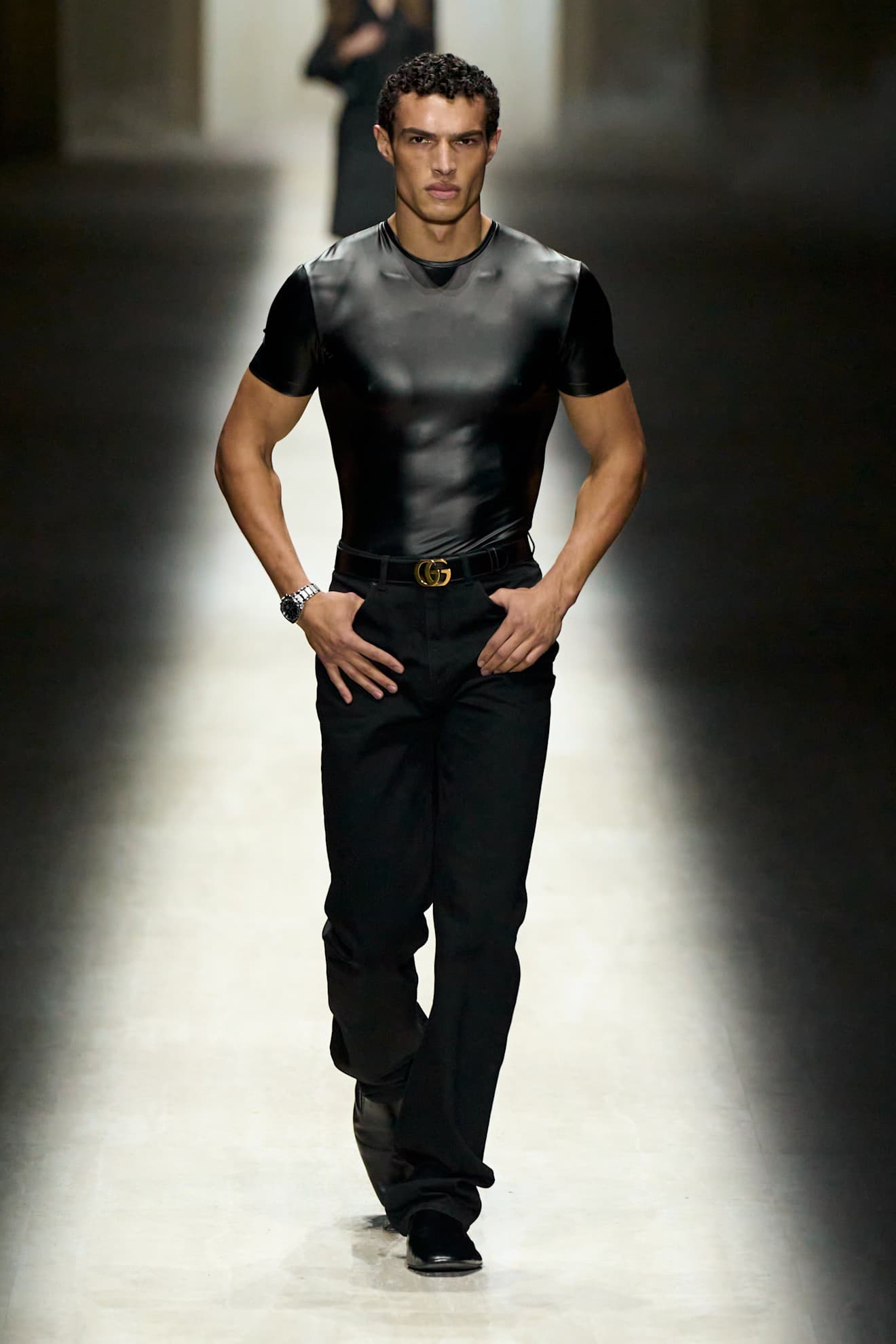 Gucci FW26 Launchmetrics
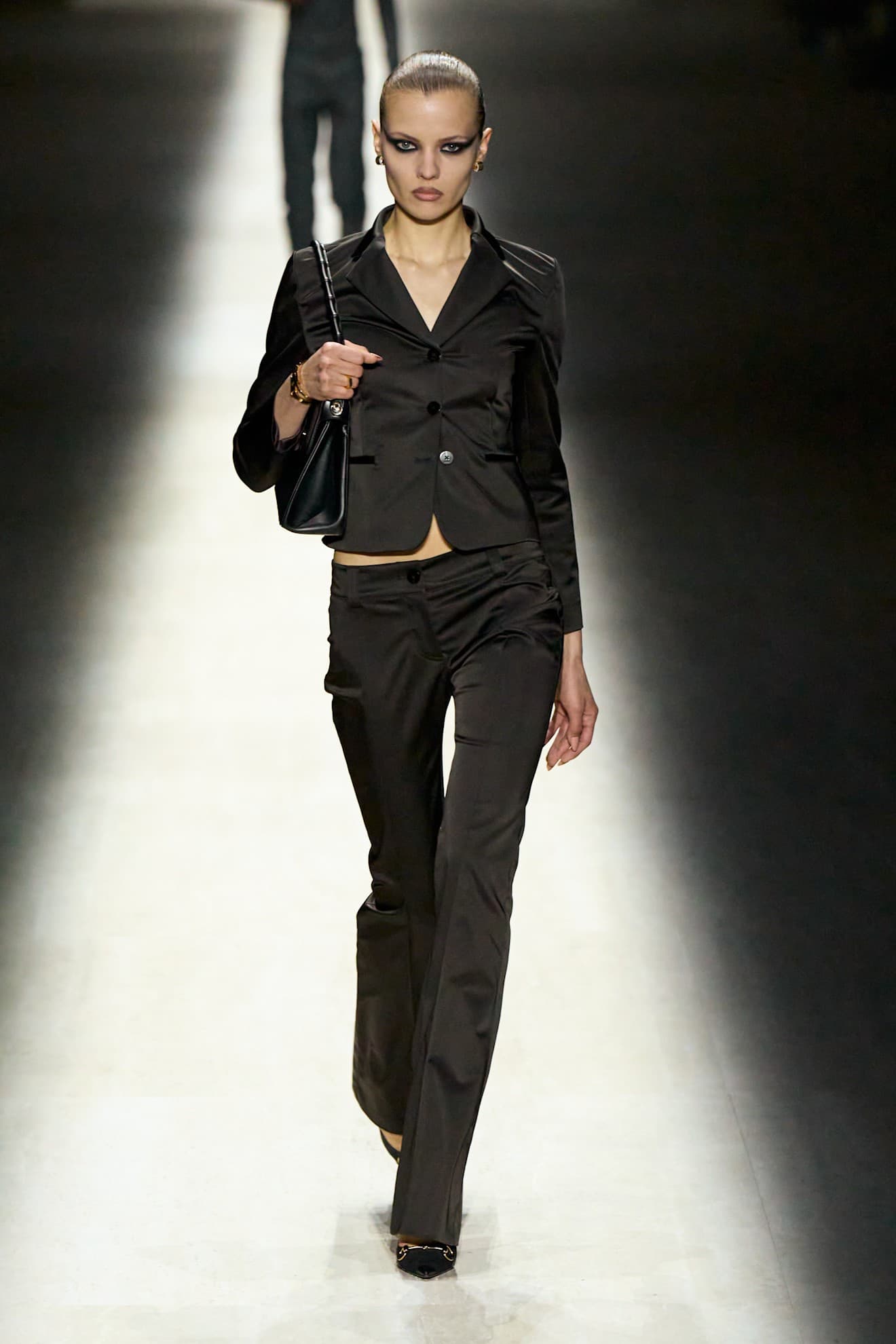 Gucci FW26 Launchmetrics
The role of the creative director at a fashion house has always been to honor the legacy of the codes while offering a degree of newness to steer the brand towards commercial success. We are all plenty aware of the ways in which capitalism demands a quick turnover in order to thrive, but what if this has begun to cloud our judgement on what actually makes a good collection, and in turn, a good designer?
Demna’s Gucci was only the thin end of the wedge conversationally. The criticism that he didn’t do “enough” feels like a disproportionate expectation here, especially for a house like Gucci, which historically doesn’t have a storied connection to savoir-faire or couture. It does, however, force us to raise a larger question: what do we actually expect from designers right now?
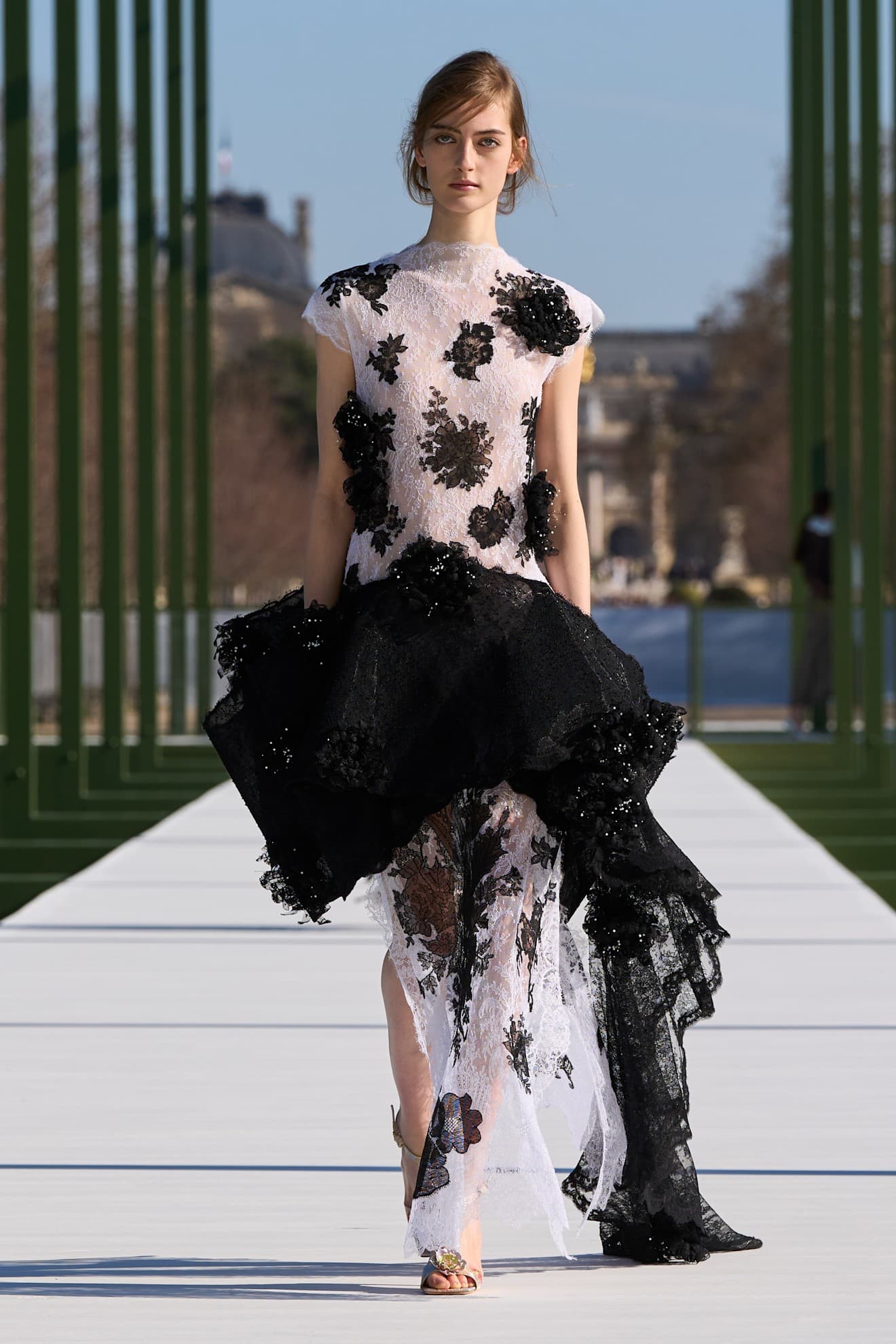 Dior FW26 Launchmetrics
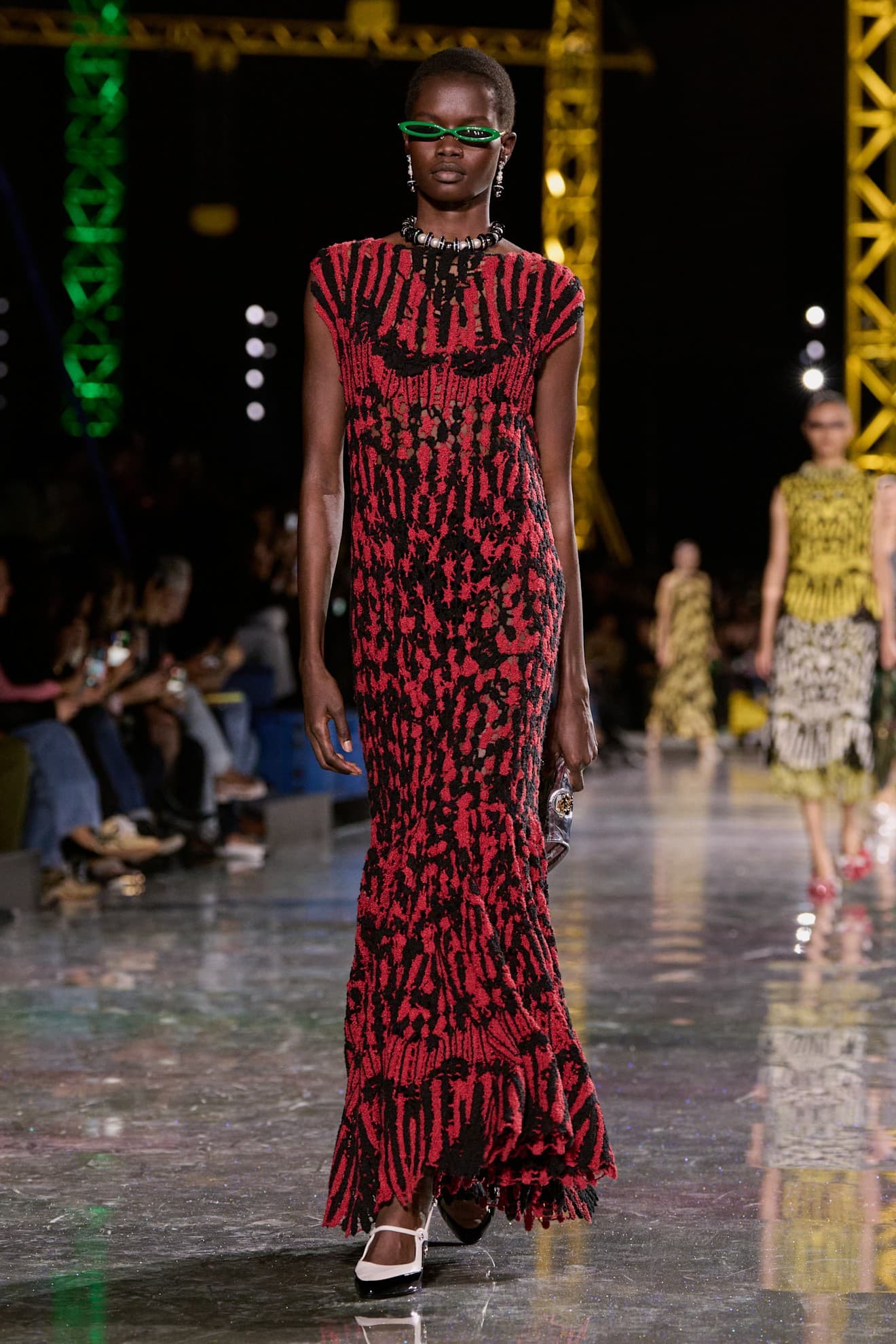 Chanel FW26 Launchmetrics
We have long surpassed the opportunity for things to feel truly transgressive today. What was once shocking—Gabrielle Chanel’s women in pants and Christian Dior’s post-war “New Look”—now just serves as a historical milestone. The dawn of the highly digitized era we are currently living in has certainly not been any help. When everything is shocking, is anything shocking anymore? Most of us just want to be moved, but it begs the question, who gets to decide what moves you? Is the job up to the designers? The critics? The influencers? The internet trolls?
We're existing in a moment in late-stage capitalism where designers simply do not have time to settle into their posts anymore. Take Sabato De Sarno, for example, who after only a year and a half of showing collections that were entirely different from Alessandro Michele’s Gucci (which was initially what it seemed consumers wanted, despite high brand-loyalty towards the Italian designer), was out as the industry struggled to adjust. The changes at Gucci in recent years is hardly the only example of swift designer turnover. Dario Vitale only got one season at Versace last September before being ousted following Prada Group’s acquisition of the brand; Peter Do was at Helmut Lang for a brief 1.5 years before exiting in 2024; and who could forget Ludovic De Saint Sernin’s single season at Ann Demeulemeester before his abrupt departure, or Raf Simons’ 28 months at Calvin Klein?
Immediate success—both commercially and in the wider conversation— is now expected from designers who have barely had enough time to thoroughly comb the archives of the legacy brands they land at, let alone design a hit debut collection (honorable mention to Jonathan Anderson and Matthieu Blazy, who did just that at Dior and Chanel respectively this season). As context slips further and further away via diluted “hot takes” and a new wave of internet armchair critics whose view counts are bolstered by negativity and flash-reactions instead of thoughtful critique and research, so does our collective ability to understand the intention, effort, and meaning behind a designer’s creative vision.
I felt moved by Demna’s Gucci. Not because the jersey mini dresses on the runway reached inside of me and unearthed a dormant emotion that only a truly masterful collection can, but because it was such good fun. Everything was ultra hot, ultra bright, ultra famous. I am not looking to Gucci to discover anything profound about fashion. I do believe it is the job of designers to elicit some kind of emotional response, but does it always have to go further than fun?
When creative directors are tasked with up to twelve collections per year, the idea that we need to constantly be offered up newness in order to feel something about fashion is not only unrealistic, but unnecessary. If we demand to be stunned by each and every show, we will surely reach the point of fatigue that we are beginning to witness in our current situation—one where rage bait and spectacle via publicity stunts are beginning to increase in frequency and our attention is drawn from craft to clout.