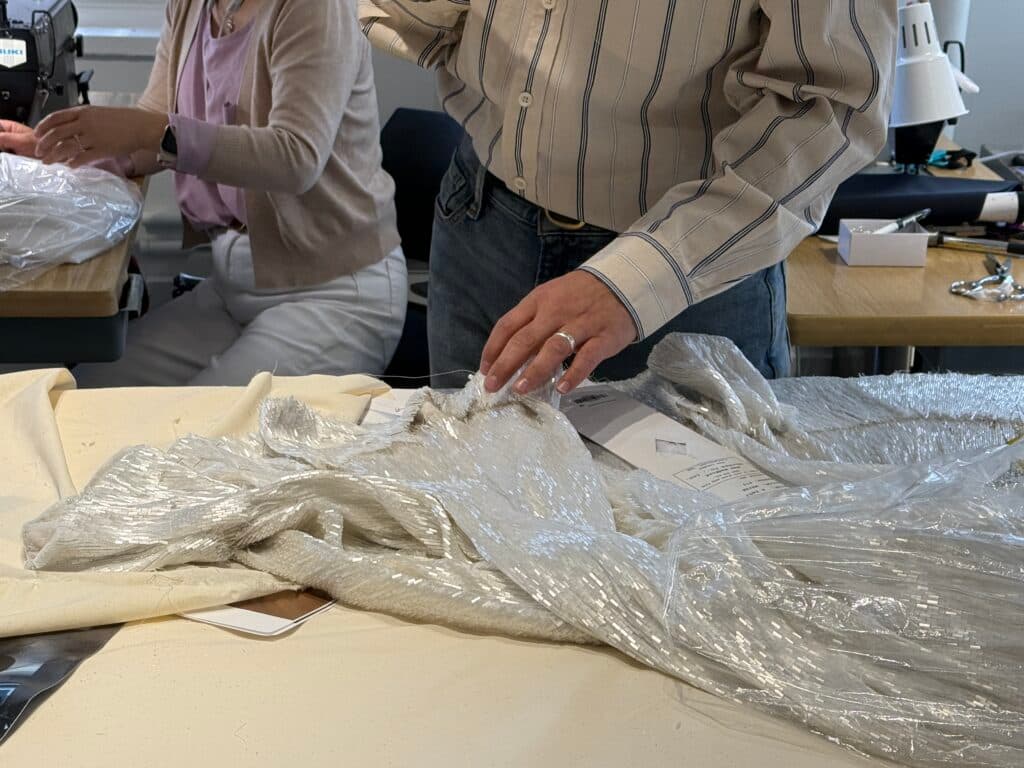
Back in January, Claire Danes emerged on the red carpet wearing a custom white beaded dress by GapStudio. The gown, iridescent and statuesque, was an adaptation of Gap's iconic pocket tee—the t-shirt silhouette that is most synonymous with the Gap brand, having been introduced in the '80s and starring in countless iconic campaigns.
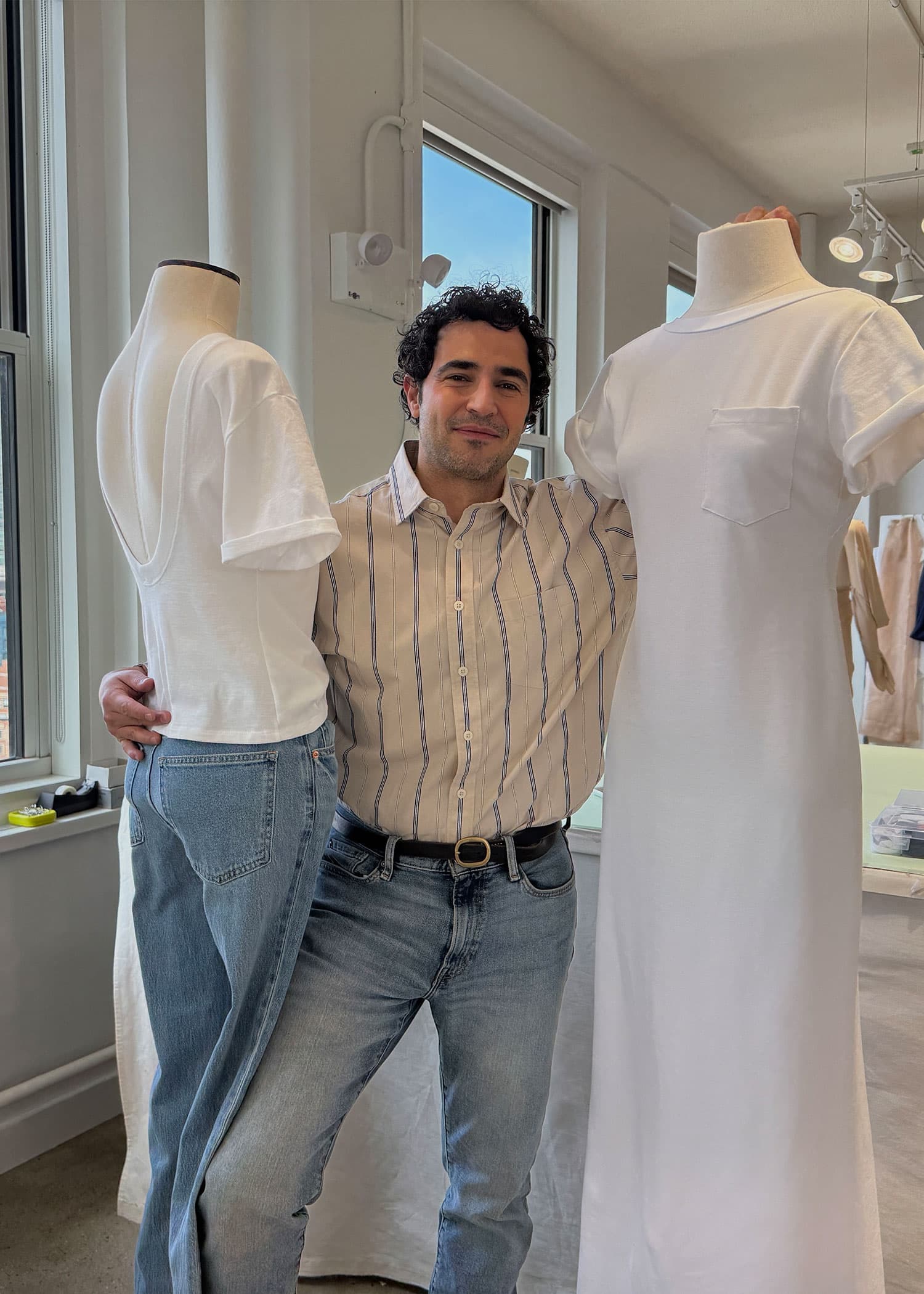
On Danes, the t-shirt shape maintained its core integrity: rolled sleeves, a pocket at the bust, and a rounded boatneck, only this time, the shirt extended into a gown, sporting a scooped low back and nipped waist, complete with a full embellishment of hand-stitched white semi-matte bugle beading to finish the look. It garnered so much attention, that Zac Posen, creative director and vice president of GapInc, decided to create a run of the dress (and a t-shirt), sans beading, in ponte jersey for customers to purchase for a summer barbecue or even a wedding for the ultra-casual bride.
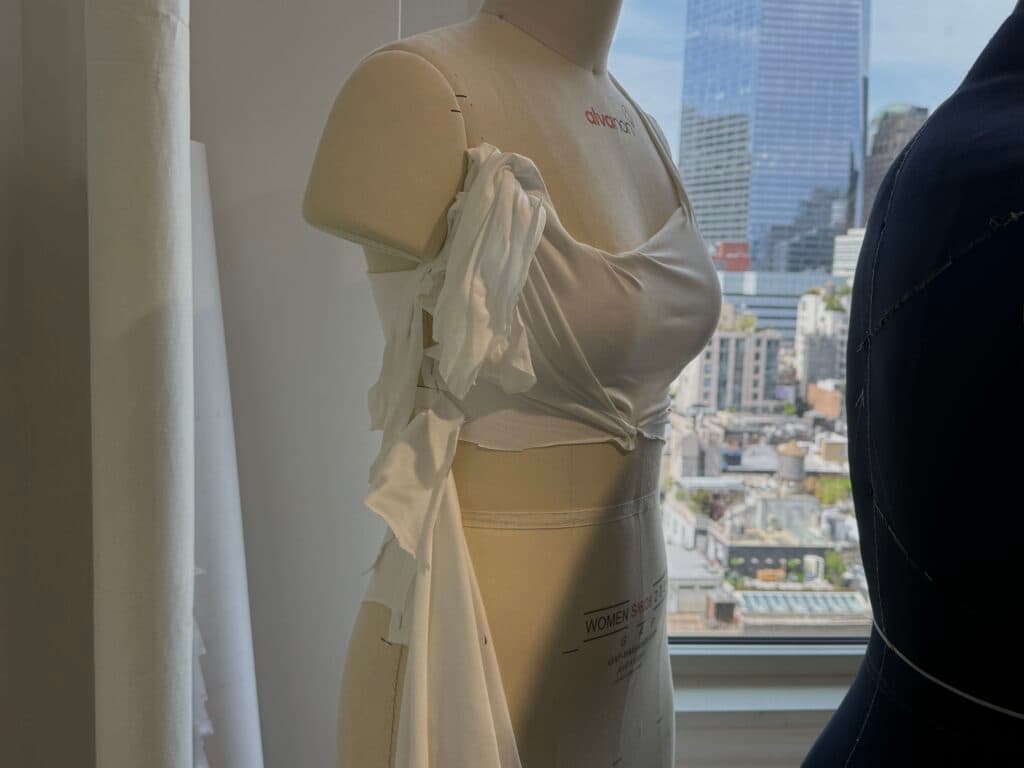
Posen has had a successful run on red carpets of late, as is in his design DNA. After Danes' Globes moment came the Oscars, where Barbie Ferreira wore a custom royal blue corseted gown, and then the Met Gala, where Kendall Jenner arrived in a twisted cotton GapStudio gown, made from a similar ethos with Danes' t-shirt dress, this time inspired by the Winged Victory of Samothrace to feel on theme.
As Posen reworks the Gap identity from all-American jeans and a t-shirt to custom red carpet looks, we caught up with the designer to see how he is evolving the brand in his role, now that he is two years in.
Tell us about the Claire Danes dress first. How did you decide to pair the classic t-shirt silhouette with Danes and this moment?
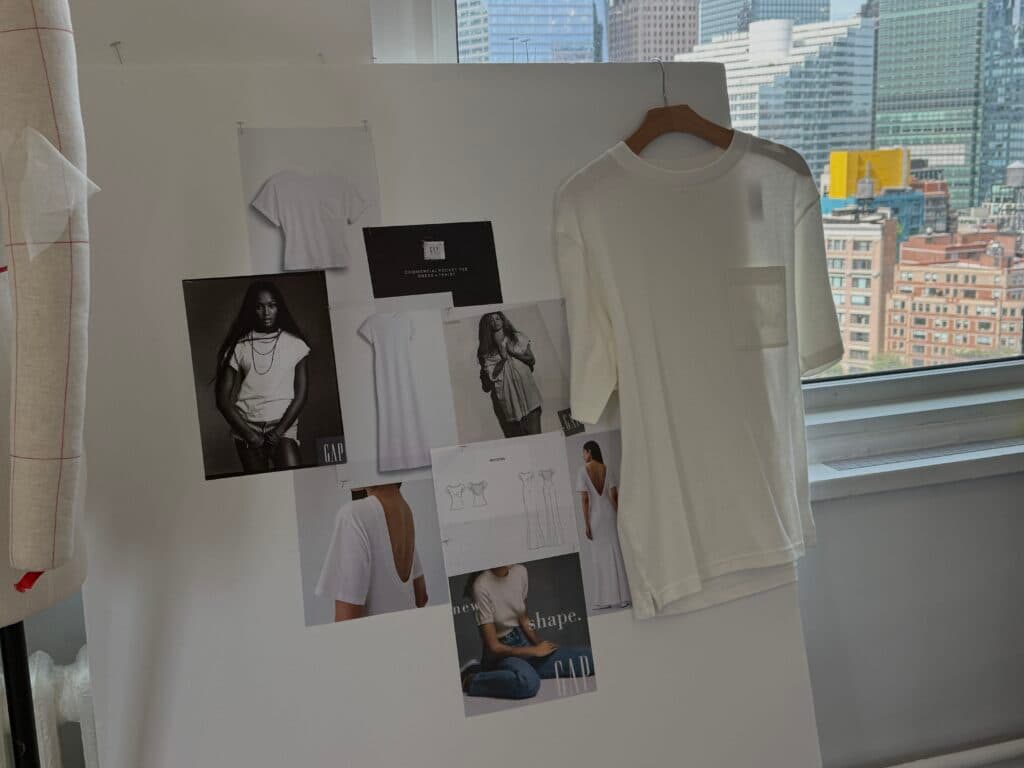
“When I was working on creating a piece for Claire Danes for the Golden Globes, I wanted to start with a Gap icon, something that helped to define our brand. And I went back to our original Gap pocket tee. It’s iconic. It was a symbol of the company and it went perfectly with a pair of jeans so I wanted to take that cleanness, something that represented utilitarianism, Americana, optimism, movement, and just elongate it into the simplicity and cleanness and bring a slight ease and glamor for Claire, who obviously originally is such a '90s queen and grew in the same time that Gap grew into its prominence and relevance and importance to so many customers.”
What encouraged the rework to offer it to consumers?
“So once the awards happened, people were so connected to the kind of the cleanness, the shape, the kind of glass of milk quality of it. And when an idea hits like that, I like the idea that fashion has a democratization to it. I've worked in so many different parts of this industry and of the art of fashion and those culture moments that people get connected to. It's so cool and exciting to be able to take inspiration from that and make it accessible. I had this idea to take that cut of that dress and the clean-ness of our pocket tea with the shoulders rolled and just bring it into a top with a beautiful open back and kind of that high rounded boatneck, and into a long dress in this heavyweight ponte jersey that just holds you and is comfortable and perfect for the summer. Something that you can wear on the street casually, just even with sneakers and flats to give that kind of everyday feel or even put a veil with it and wear it for your shotgun wedding.”
Do you plan on expanding into bridal for the future?
“The idea of Gap in bridal was not what I was thinking of when I created Claire’s dress, but when we put it in the t-shirt form, I was like, ‘This is like the casual cool girl wedding.’ I just was like, how about that with a pair of sneakers or a flat and a little veil and she's holding a beautiful bouquet of like white roses?
I never say never. I don't know if that's where that story will go. I mean, I like the idea. I've now been at Gap Inc as creative director for about two and a half years so we've definitely as a collective been able to move the brand into ways where we never thought it could go so you never know. But for everybody's big day, I like people to be able to express their personality and Gap is a brand that is a canvas for your creativity and your expression. So whether that's getting married in a pair of jeans and a t-shirt, or in our iconic Gap tee that's been evolved into a long dress, whatever works for you.”
Many of your red carpet looks for GapStudio have included these ideas of the core codes of the house: cottons and basics, and evolving them into formal moments which you are well known for. How do you approach this format of design opposed to full collections?
“When working on an individual piece that consider codes of a house—actually sometimes those can be more challenging than building out a whole collection where you have kind of multiple notes within a score to build a whole story or a whole music piece, or if you're lucky a symphony, which I think happens hopefully in somebody's fashion career as a designer a few times. With one piece it kind of has to be that one beautiful magical one note and it has to encapsulate an element and attitude while evolving, challenging, enticing, and then obviously pushing the boundaries forward of what Gap could mean and where it can live. We start with our core materials. We are jeans. We started with jeans and music and so working with all the washes of denim, and then adding shirting to it, and poplin, and our iconic white shirt, and then our great t-shirting, and then obviously the evolution of what that meant in terms of our shopper becoming part of our DNA codes. It's always about our customer.”
How are you evolving the overall vision at GapStudio?
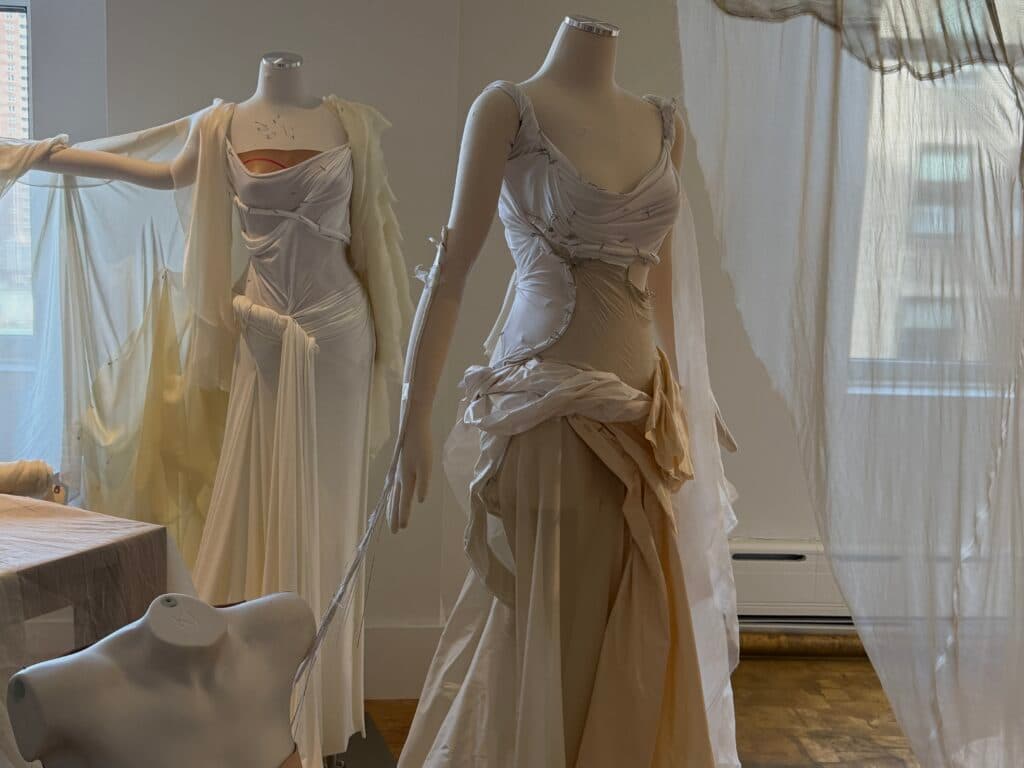
“The vision of Gap Studio is continuously evolving in surprising ways. What it means to have these capsule collections, these limited edition groups that kind of come into the market, surprise the market, have storytelling behind them, that take inspiration for different moments of what's happening in culture, what I think might be happening in a few years out there, because we like to be sometimes futurists and then also nostalgic. People that look back at different moments in our brand and kind of highlight and pick that up, but really being at the highest level of expression of the Gap brand and what that means in culture. Being at the highest form of creative expression can also mean not putting a collection together. It can mean a one of a kind piece that is about the purpose of creation in itself and inspiration. It can also mean a performance piece. This is a creative incubator hub of craft here, and it also is a place where we can explore or invite people to explore ways of expressing our brand.”
You’re overseeing all of the brands at Gap Inc. How is it going and what are some of the challenges of creatively leading so many brands?
“It's a huge responsibility. It has been a creative role for me here and it has been an incredible two and a half year experience of refining and defining my role, getting to work with incredible teams, and representing the creative community. This role has the ability to evolve and change as needed and we've seen that of jumping into Banana Republic and launching our flagship store, working on brand codes, getting to work with the teams on talent, marketing, sometimes color stories, sometimes fitting across the whole corporation, working on technology. We are San Francisco founded and based in the center of technology, so we’re really helping represent and lead with handholding the creative community to adopt the latest and greatest tech so that we can be the best, while protecting and maintaining our humanity and our craft and our artistry. And then at Old Navy, really taking this incredible brand that we have and moving it into the future, making it part of culture, introducing it to new audiences and really highlighting the incredible, incredible product at the best value that's out there on the market.