
My grandmother introduced me to Japanese beauty products when I was a teenager. Growing up in San Francisco, with its prominent Japantown, our frequent visits are some of my most cherished and fondest memories. My Korean grandmother, who spent time in Japan during her teens, spoke fluent Japanese and navigated through Japantown with ease, always shopping at local vendors. Whenever we hit the Japanese cosmetic stores, she applied a few pumps of sunscreen samples from the counter, gently dabbing them onto my cheeks while saying, "Mochi-hada!"—a sweet term that means 'rice cake skin.' She emphasized the importance of wearing sunscreen for maintaining plump skin and asserted that Japanese sunscreen was the best.
While K-beauty has taken center stage in the beauty world for years, J-beauty is making its mark thanks to its minimalist and gentle approach to skincare.
Meet The Experts:
What Is J-Beauty?
J-beauty, or Japanese beauty, is deeply grounded in cultural heritage and time-honored traditions. J-beauty emphasizes mindful skincare rituals rooted in ancient wisdom, practice, and holistic care. Vicky Tsai, founder and creator of Tatcha Beauty, a skincare line focused on Japanese rituals, explains that the biggest difference in the Eastern approach to well-being and beauty is the heavy emphasis on holistic care. “The Japanese phrase 'hinou dokon' means skin-mind, same root. In Japan, caring for the skin is caring for the mind, and that belief has shaped their approach to skincare,” she says.
J-beauty heavily emphasizes sun protection, dating back to almost 500 years ago. Even though they didn’t have advanced SPF 50+ gel sunscreens back then, the importance of taking care of your skin meant being mindful of sun exposure and incorporating nutrient-dense ingredients like rice bran, green tea, and seaweed into your diet and skincare routine. Many Japanese beauty brands infuse innovative and powerful ingredients into their skincare products, and these efficacious formulations cater to a diverse range of skin needs and concerns.
Tatcha’s proprietary complex, Hadasei-3, is the heart of their skincare formulas. “It’s made from double-fermented rice, green tea, and algae that goes deeper than water to channel nutrients into the skin, boosting the efficacy of your skincare ritual while replenishing the skin’s moisture barrier for a plump, supple complexion. It was inspired by Japan’s nutrient-dense diet, known to boost longevity,” explains Tsai.
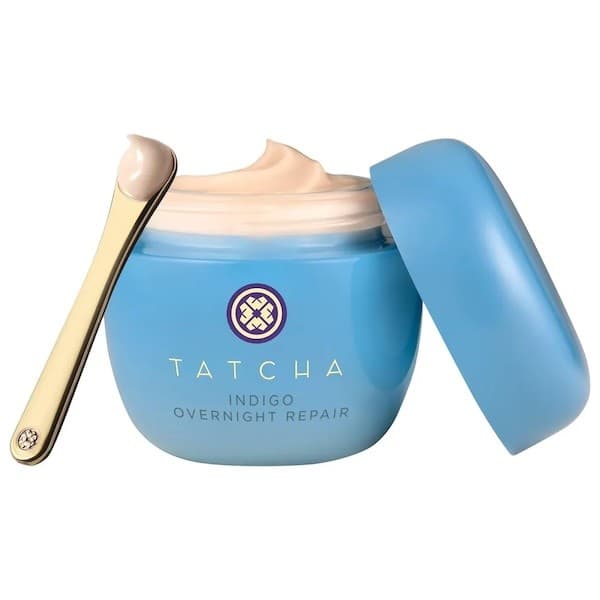
Indigo Overnight Repair
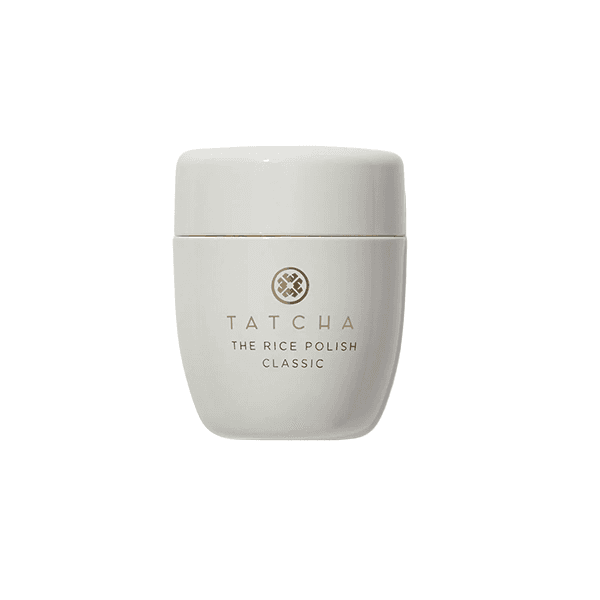
The Rice Polish Foaming Enzyme Powder
What Are The Key Ingredients In J-Beauty?
According to Kazuko Tatsumoto, the brand manager at J-beauty brand Albion, Kojic Acid is a standout ingredient in Japanese beauty. "It is naturally derived from the fermentation of rice or soybeans, a process that produces Koji, a long-used ingredient in Japan for sake, soy sauce, and miso. It was discovered in Japan in 1907. Research on its ability to improve the appearance of uneven skin tone began in the 1970s, and nearly 60 years of subsequent data support its use in skincare," Tatsumoto says. "Thus, reliable safety and efficacy are notable features of the Kojic Acid compared to other newly found ingredients with limited studies. It is also smaller in molecular size than other well-known brightening agents such as Vitamin C, Arbutin, and Tranexamic Acid. Kojic Acid allows for more efficient absorption, helping it reach the skin where it can make a visible difference.
Other popular ingredients in J-Beauty include green and matcha for anti-aging and environmental protection, licorice root extract for soothing and evening out skin tone, and hyaluronic acid for the sake of achieving the "mochi-hada" that we all strive for.
What Does A J-Beauty Skincare Routine Look Like?
A J-beauty skincare routine takes a more simplified and gentler approach. Kyoko Getz, an esthetician for Shikō Beauty Collective, explains that “J-beauty always seeks balance and tends to focus on ingredients and product formulations that support and honor the skin's natural rhythms.
For these reasons, J-beauty is often a great approach for sensitive, reactive, or dry skin,” Getz adds. For the ultimate J-beauty skincare routine, she recommends using a gentle cleanser, exfoliating one to two times a week, applying a hydrating toner or essence, and layering on a nourishing serum before finishing things off with a moisturizer and sun protection. “Hydrating toners, lotions, and essences are designed to add water to the skin and soften the skin and to increase the penetration of active ingredients in serums or moisturizers that follow,” she says.
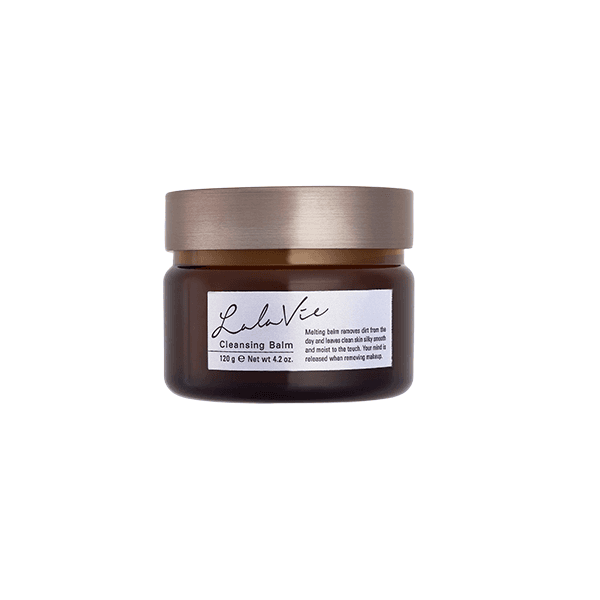
Shikō Beauty Cleansing Balm
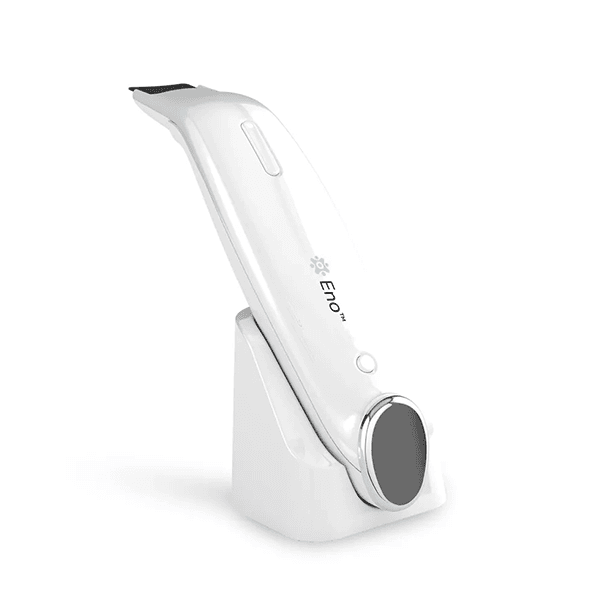
Eno Ultrasound Exfoliating Device
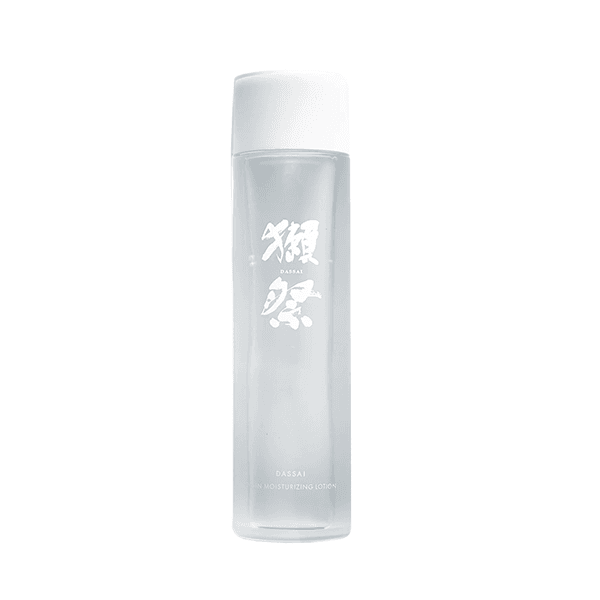
Dassai Oil in Moisturizing Lotion
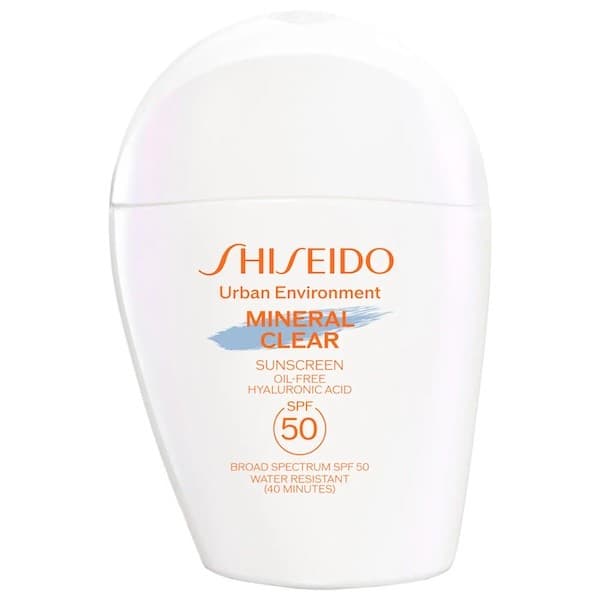
Urban Environment Oil-Free Mineral Sunscreen
Incorporating J-Beauty Into Your Routine
Founded on the idea that less is more, "each step of the classical Japanese beauty ritual is beloved and essential,” says Tsai.
If you are overwhelmed with too many products in your current routine, simplifying things with an essence could be a good start. Essences are a hybrid of a serum and toner and can help hydrate your skin quickly after you cleanse. J-beauty also focuses on less abrasive ways to cleanse the skin. Gentle cleansers or cleansing balms clean the skin while preserving your skin barrier. J-beauty skincare rituals also encourage taking your time when cleaning and prepping your skin.
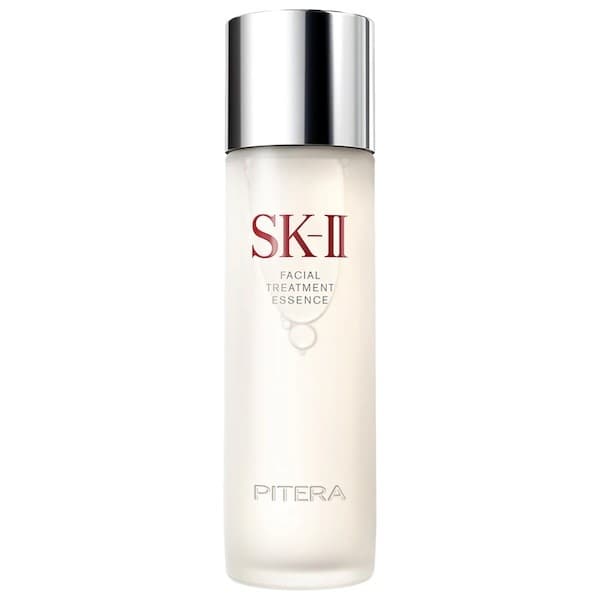
SK-II Essence
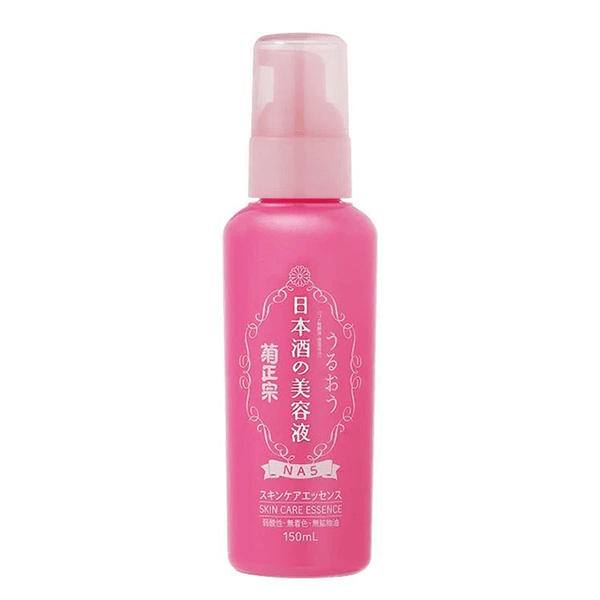
Sake Skin Care Essence
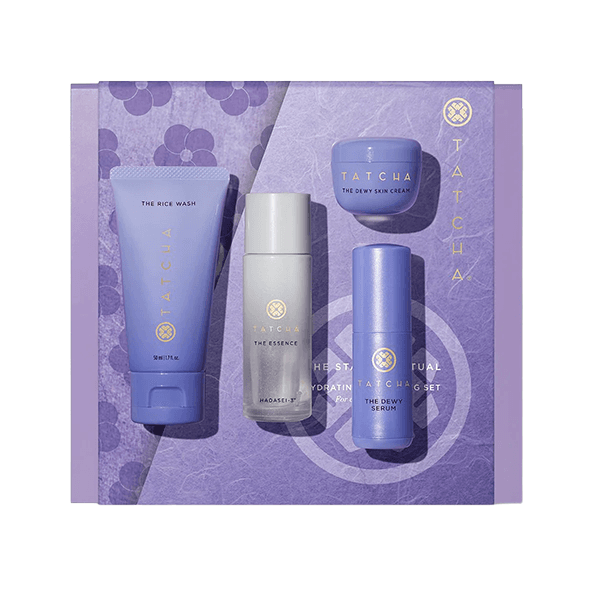
Tatcha The Starter Ritual
Exploring the beauty aisles of local Japanese or Asian supermarkets offers a tangible glimpse into the world of J-beauty. However, for an even more extensive selection and access to authentic products not commonly found in mainstream retailers, online curated marketplaces like Shikō Beauty Collective and J-Beauty Collection are invaluable resources for finding unique, high-performance skincare products. In the vast landscape of J-beauty, whether you're perusing physical aisles or virtual marketplaces, both experiences offer a practical blend of tradition, innovation, and the chance to find skincare treasures tailored to your needs.
What Are The Most Popular J-Beauty Products?
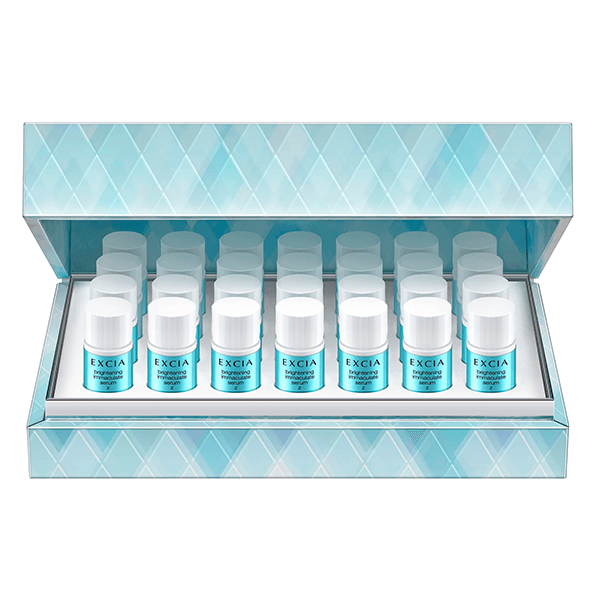
Albion Garden EXICA Brightening Immaculate Serum Z
"What sets our product apart from other Kojic Acid products is that we formulated it with additional ingredients, such as Prunus persica (peach) kernel extract, to enhance Kojic Acid's efficacy," Tatsumoto says. "It also has a pH-based delivery system, Smart Liposome Capsule, which allows these ingredients to reach the skin where they are most beneficial."
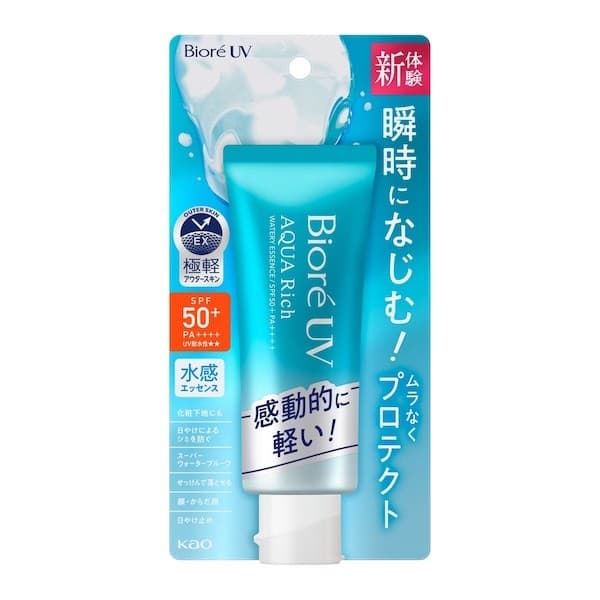
Bioré UV Aqua Rich Water Essence
This Biore formula is packed with advanced UV filters as well as skin-loving ingredients. According to J-beauty expert Hinako Sugioka, this product has a "game-changing" light finish and a barely-there texture.
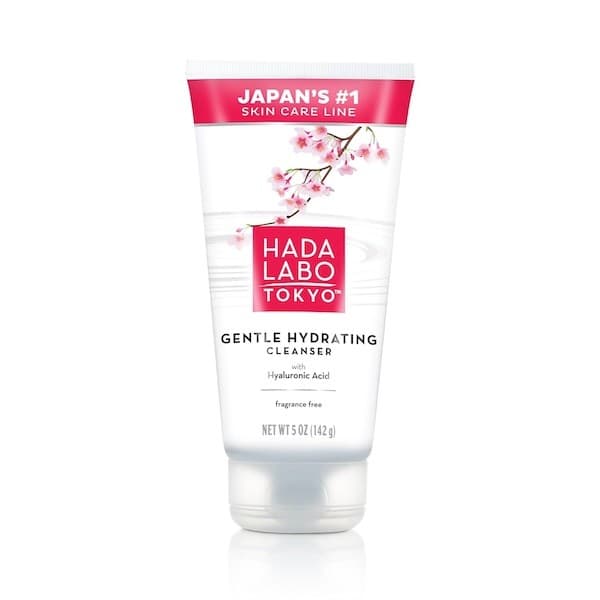
Hada Labo Gentle Hydrating Foaming Cleanser
This Hada Labo cleanser will quickly become a staple in the routine of anyone with dry or sensitive skin. Formulated with hyaluronic acid and hyaloveil-p, it cleanses without stripping the skin.
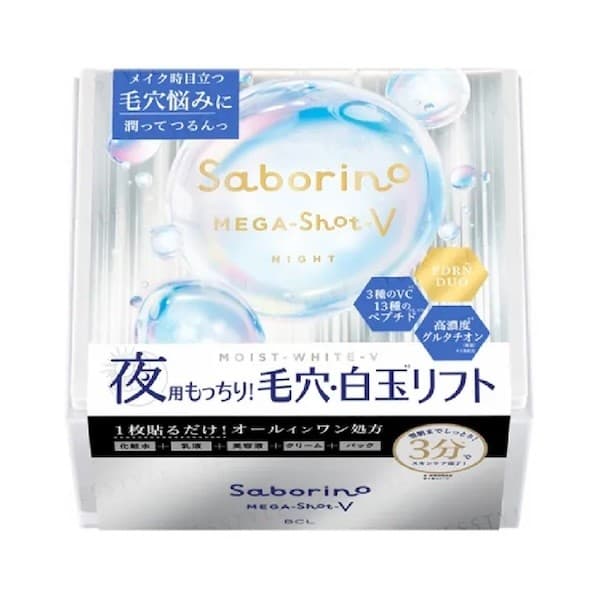
SABORINO Mega Shot Nighttime Shiratama Tightening Mask
J-beauty expert Hinako Sugioka describes SABORINO's mask like so: "an all-in-one product that replaces toner, emulsion, serum, cream, and more."
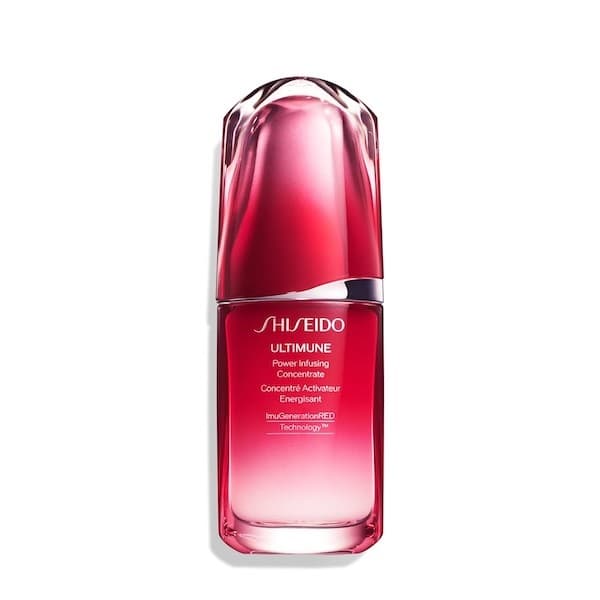
Shiseido Ultimune Power Infusing Concentrate Serum
Reviews for J-beauty brand Shisheido's serum rave about the radiance it restores to mature skin, the power it has to fade dark spots, and the smooth texture of the product.
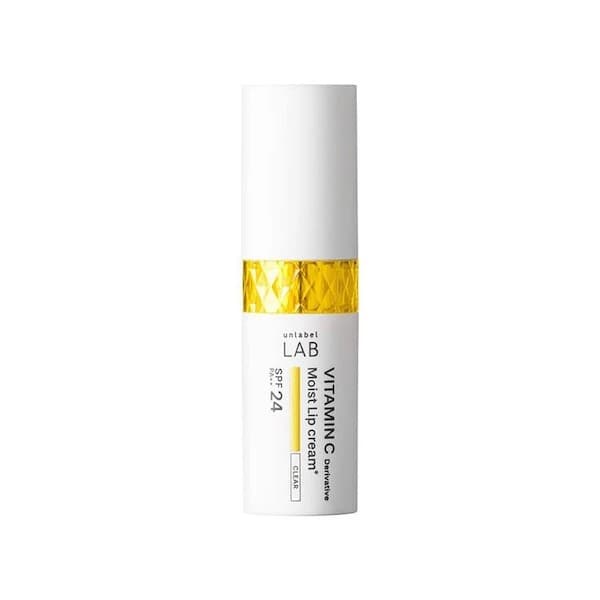
Unlabel Lab Vitamin C Moist UV Lip Cream
This Vitamin C lip product has recently won awards for "Best Buy" and "Best Cosmetic of the Year" from Japan's top beauty magazine. Consumers love this product for the moisturizing, brightening, and sun-blocking benefits.
The Bottom Line On Japanese Beauty:
J-beauty emphasizes mindful skincare rituals rooted in ancient wisdom, practice, and holistic care. Products tend to prioritize sun protection, anti-aging, and general hydration—all while being sensitive skin friendly and relatively minimal formulas.