There comes a time in everyone’s life when the person they’re infatuated with starts eliciting a collective groan from the friend group. “I thought we were done with them,” “Please, you have to let this go,” or “This is bad for you” are just a few of the things that come out of my friends’ mouths, to which I promptly plug my ears and go “la la la la” as they say their piece.
The thing is, no one, especially not myself, ever wants to be in this situation. Infatuation, lust, limerence, a crush that has completely taken over your mind—it isn’t something anyone willingly signs up for. And while letting go has practically become its own genre of internet advice, the actual suggestions are surprisingly limited. Make a pros and cons list (and overemphasize the cons), spend more time with the person until the fantasy wears off, or subscribe to the idea that a crush is simply a lack of information. But what happens when you’ve tried everything and still can’t seem to get over someone?
For some, the answer is cord-cutting, a spiritual ritual intended to sever the energetic ties between two people and help someone move on from a relationship or attachment they can’t seem to shake. The practice might sound a little woo-woo, but when you’ve tried just about everything else and still can’t seem to let go, you might find yourself booking an appointment at New York’s Hotel Chelsea, as I did, in the hope of finally freeing yourself from the attachment.
 Photo: Iman Balagam
What Does It Actually Mean to Cut a Cord?
“Cord-cutting is a spiritual ritual. It’s intended to release energetic attachments between you and another person, a situation, or an experience,” explains The Hotel Chelsea’s resident psychic, Pax Alexander. These connections, she says, can form through emotional exchanges, intimate experiences, meaningful relationships, past trauma, resentment, or unfinished business. Not every connection is necessarily negative, but some become harder to maintain than others, particularly when a relationship has run its course.
Lua Fabbri, a healer at The Hotel Chelsea, thinks of these connections as existing between three entities: you, the other person, and the relationship itself. “When we start engaging with someone, we strengthen that connection and develop these ties, these strings of attachment, from both sides,” she explains. Over time, that shared energy can become something of its own. When a relationship begins to do more harm than good, cord-cutting is one way to start pulling that energy back.
It isn’t necessarily just for someone trying to get over an ex, either. Fabbri says it can be helpful for anyone who recognizes they’re stuck in a situation and wants to move forward but feels like they can’t. That could mean a friendship, a toxic workplace, a family dynamic, an addiction, or even a habit you can’t seem to break. “I feel like people already know in their mind that they want to move on, but then there’s spirit, something holding them back,” she explains. “So it’s about getting your spirit to align with your brain, your mind, with what you know logically is the right thing to do, when something is holding you back emotionally.”
What Does a Cord Cutting Ritual Look Like?
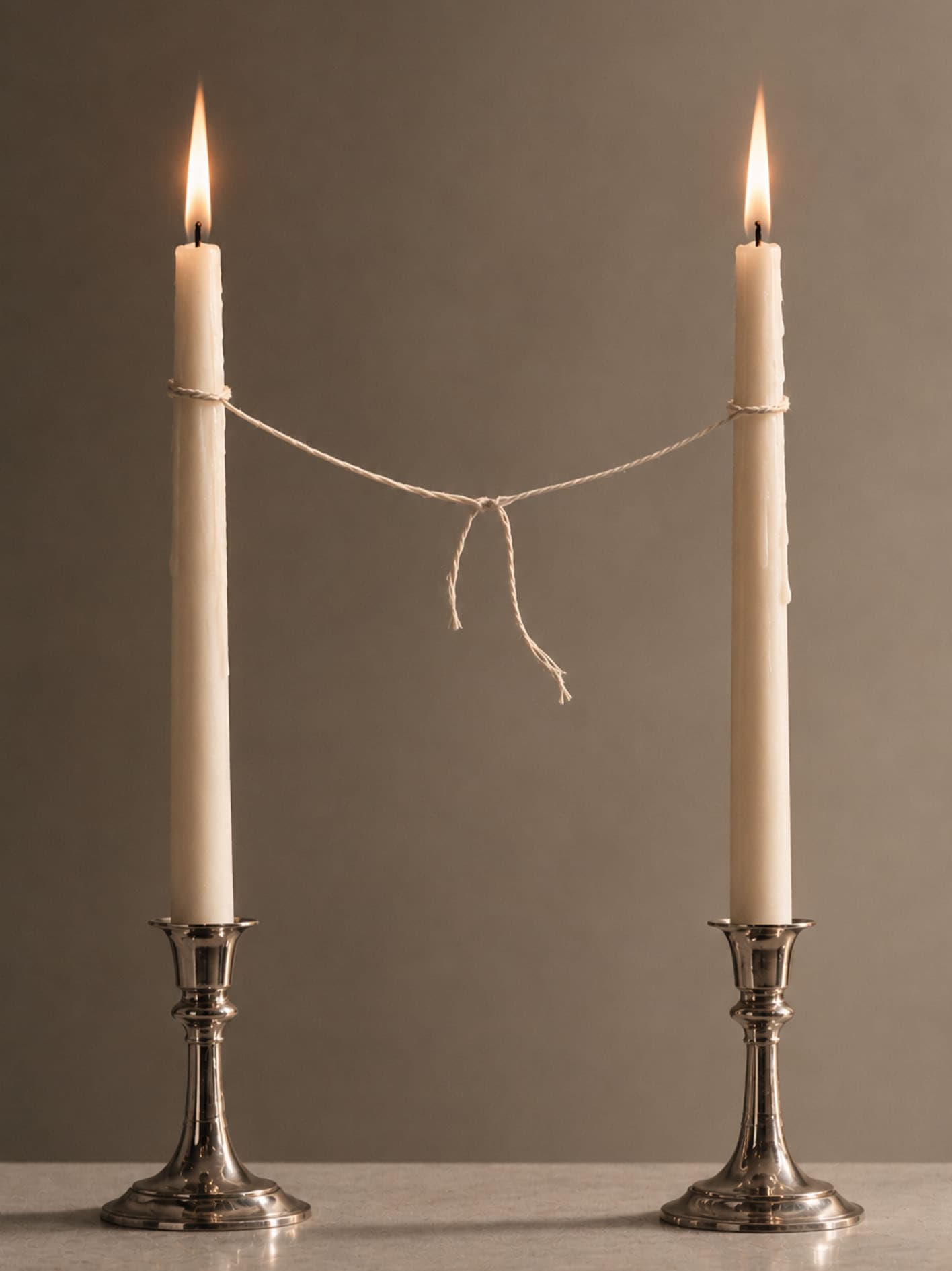
The ritual itself can look different depending on the practitioner, the relationship, and the intention behind it. A traditional cord-cutting might involve two candles, each representing one person, joined by a piece of string. As the string burns, it symbolizes the release of the attachment. Other rituals might incorporate scissors, herbs, salt, smoke, oils, prayer, or water. There isn’t one universal formula. For Alexander, the intention is more important than the materials. “You can have all the tools in the world, but you have to understand what you want, really want it, be willing to release it, and ask yourself why you need to return this power back to self.”
Despite what the name suggests, cutting a cord doesn’t necessarily mean you have to remove someone from your life entirely. Alexander says the practice can be adapted to release a particular dynamic within a relationship, rather than the person themselves. You might want to let go of resentment toward a family member, for example, or stop feeling obligated to show up for someone at the expense of your own well-being. “Attachment and disconnection are not necessarily the same thing,” she says. “You can still be connected to someone and have this boundary of detachment.”
My Own Attempt
 Photo: Iman Balagam
I arrived at my appointment feeling a little apprehensive. The person I was hoping to detach from is still an active part of my life, and I wasn’t entirely sure what I wanted the outcome of a cord-cutting ceremony to be. As I spoke with Fabbri, she explained that a full cord-cutting ceremony probably wouldn’t work as well for me because I wasn’t ready to stop talking to this person. For the ritual to be most effective, I needed to genuinely want to release the connection. The truth is, I still don’t want to cut this person off entirely. What I wanted was to lessen what Fabbri called the “enchantment” around the connection. I wanted to stop giving it so much of my energy, get out of my head, and feel a little more like myself again.
So instead of a full cord-cutting ceremony, we focused on bringing my energy back to me. We did some Reiki, and Fabbri guided me through visualizing the cords between us being cut, almost as if I were using a knife or a lightsaber to release the attachment. We pulled a tarot card, too, but much of our time was spent talking through the relationship and what I was holding on to.
At one point, I cried. It’s hard to let go, even when you know you need to. Sometimes, no matter how many times you tell yourself it’s time to move on, you need someone to sit with you, remind you of your worth, and remind you that you deserve more. That the sea is vast, as Fabbri put it, and that there are still so many possibilities ahead.
I left feeling noticeably lighter. My mind, which is almost always racing, felt unusually quiet. I felt more in my body than in my head, and for the first time in a while, I wasn’t replaying every interaction or trying to figure out what might happen next. I wouldn’t say I had suddenly detached from this person, but the world felt a little bigger again. (And I muted them on Instagram. Baby steps!)
The Psychology of Letting Go
Of course, there’s a reason getting over someone can feel like such a monumental task, even when you know the connection isn’t necessarily good for you. Dr. Ayanna Abrams, a licensed clinical psychologist, explains that the end of a relationship can bring up much more than the loss of another person. “People can internalize this as meaning something negative about them and their worthiness or likeability; it can feel like a rejection of their love or like a failure to them,” she says.
Licensed clinical psychologist Dr. Rachel Rengifo points to the emotional investment we make in those imagined futures. “Sometimes, what makes letting go so difficult is that we are not only grieving the loss of another person, but also the loss of the future we imagined having with them.” That can make it particularly difficult to step back and see the relationship for what it actually is.
So can a symbolic ritual like cord-cutting help, even if you don’t subscribe to the idea that energetic cords literally exist? According to Dr. Abrams, symbolic expressions can give people a sense of control over an experience that might otherwise feel difficult to resolve, particularly when direct contact with the other person isn’t possible or helpful. Visualizing detachment can help someone feel more confident in their decision to move forward.
Dr. Rengifo similarly sees value in giving an internal emotional experience a tangible form. “While there is no scientific evidence supporting the existence of energetic cords, symbolic rituals can still have psychological meaning,” she explains. Taking a physical action to represent an emotional decision can help people feel more empowered to move forward.
There are also parallels between cord-cutting and techniques used in therapy. Dr. Abrams points to visualization, mindfulness, and the “empty chair” technique, in which someone imagines a conversation with a person who isn’t present. Writing an unsent letter or putting unresolved feelings into words can serve a similar purpose. The common thread is finding a way to process something internally, rather than waiting for another person to provide closure.
That doesn’t mean a ritual is a substitute for therapy or the more difficult work of changing your relationship patterns. Dr. Abrams notes that any initial shift in how someone feels needs to be supported over time through practice, boundaries, and healthier relationships. In other words, a ceremony might give you a moment of clarity, but what you do with that clarity matters.
It’s Not a Magic Wand
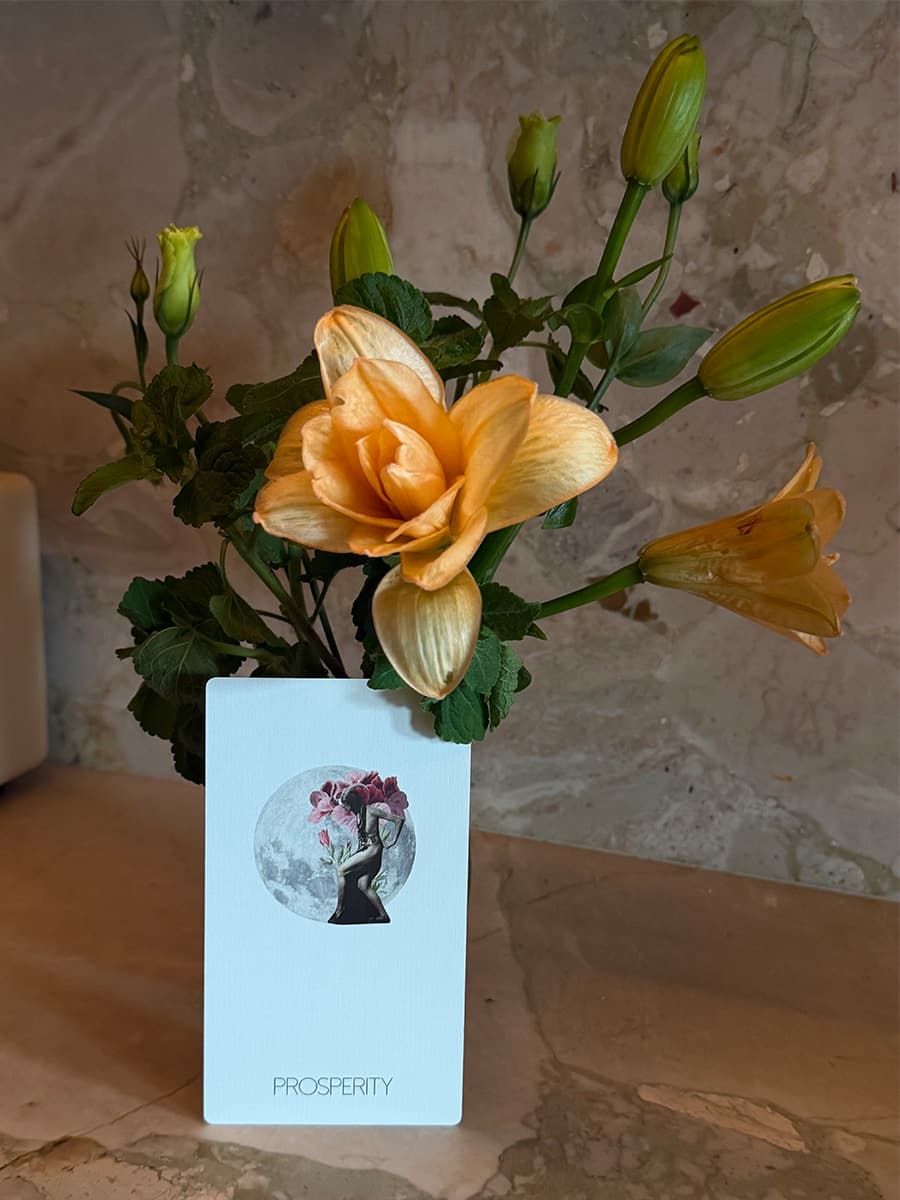 Photo: Iman Balagam
Both practitioners are clear that cord-cutting isn’t a quick fix for every complicated relationship. Alexander cautions against treating it as a way to avoid communication, forgiveness, or the work of establishing healthy boundaries. If someone is dealing with an abusive relationship or a safety concern, spiritual work should never replace professional support.
Even when someone is ready to let go, the process isn’t necessarily immediate. Alexander says some people experience a sense of release right away, while others find that the ritual is simply the beginning of a longer process. Missing someone, thinking about them, or having an unexpected memory doesn’t mean you’ve failed. Grief is part of letting go.
Fabbri also emphasizes that the work doesn’t end when the ceremony does. If you continue to give the attachment your attention, you may find yourself reinforcing the very connection you’re trying to release. The goal is to start investing that energy back into yourself.
As for me, I’m still figuring out what that looks like. Maybe I’m still not ready to let go entirely, but for the first time in a while, I’m open to the idea that I don’t have to keep fighting for something that feels one-sided, and that my energy is probably better spent on myself. Though, if I’m being honest, I’ll probably need to book another appointment once I’ve finally accepted that it’s time to let go.