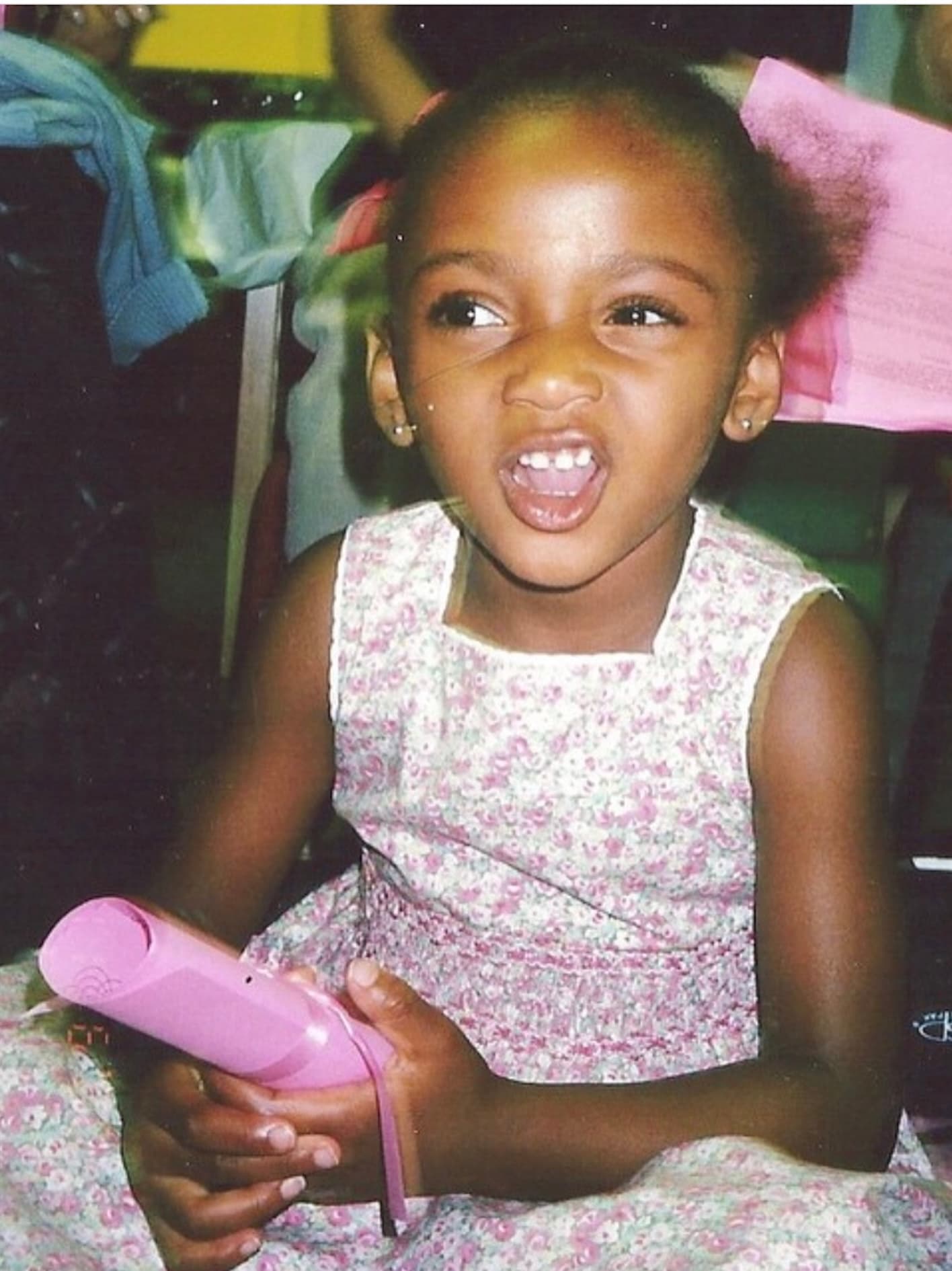
In West African culture, gap teeth are considered a sign of beauty, luck, and future wealth. Despite that, my Ghanian father sat with me at dinner about six months after my college graduation and told me: "you need to fix your teeth." I had a front tooth gap, medically known as a diastema, throughout the majority of my childhood. In middle school—an era of awkward growth and uncertainty that feels uncomfortable to look back on—I got braces. I came out the other side with perfectly straight teeth just in time for high school. A year after I got my braces off, I stopped wearing my retainer. About 8 years later, my perfectly straight teeth reverted to their original state: misaligned, scattered with gaps of varying sizes, and, by Western standards, conventionally unattractive.
At my New York City private school, braces were the norm for those with families that could afford them. It was the natural path for any child with even slightly misaligned teeth to take because in a world centered around appearance, perfection was the expectation. When you're a kid, you don't really have a say in whether or not you want your teeth "fixed," even when it's not medically necessary.
My father, at the time of that dinner, was very much Americanized. After growing up in Ghana, he moved to the United States in the '80s to attend an Ivy League university, went to business school, and moved to New York City to pursue a career in finance. I only mention this to paint this picture: as a Black immigrant in the '80s, fitting in was to not only crucial in achieving success, but getting by day-to-day. This mindset translated over into my childhood, too. After living in Battery Park, my family moved to an affluent mostly white neighborhood in Bergen County, New Jersey. Even when we didn't have money, it was important to keep up appearances that we did so that it seemed like we belonged there. I didn't get braces just because my teeth needed fixing, but because it was important for people to know that my dad had the means to provide that for me.
When he said "you need to fix your teeth," I could decipher these undertones as:you're entering the workforce, you need to look a certain way to convince people that you belong. And I believed him—I still might to this day. He stood so firmly in this belief that he offered to pay for Invisalign, which, as an insecure recent college graduate terrified about what the future held, I accepted. Then, insecure about how the Invisalign looked, I made it only about halfway through the process before committing to being a gap toothed girl forever. In 2026, beauty trends have embrace gaps and imperfections when it comes to teeth and, according to data published by John Patterson D.M.D., there's a 47% shift to minimally invasive dental care. This means that people would prefer to avoid dental procedures or treatments unless they're completely necessary.
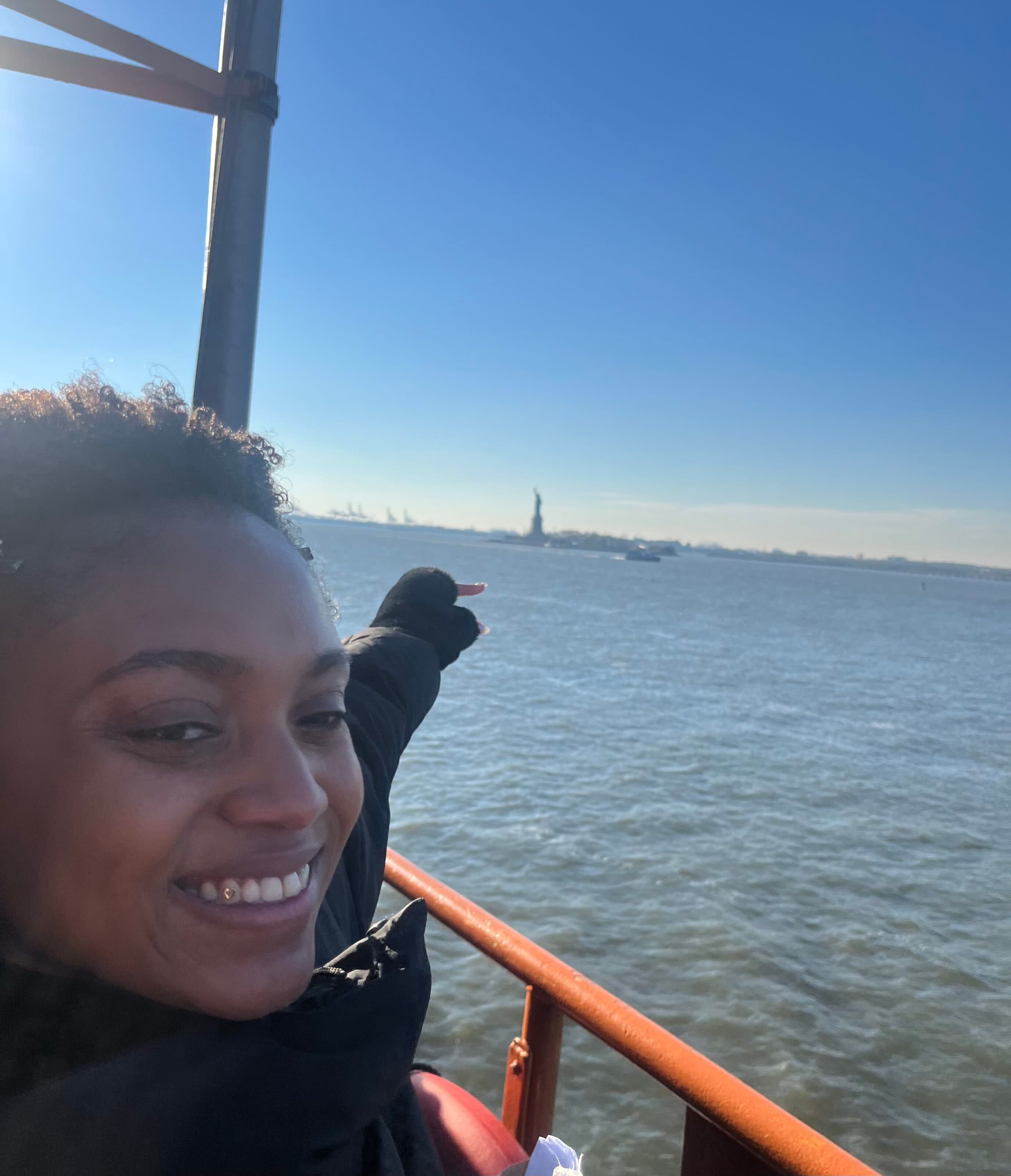
I would be lying if I claimed to be steadfast and entirely confident in this commitment the whole way through. I have, at times, looked into the cost of Invisalign and other treatments, realized that it's exorbitant, and told myself that I have no choice but to expect my god-given teeth. For me, the most comfort comes in the form a picture of myself at my preschool graduation, diploma made of pink construction paper in hand, with my face as expressive as ever and my front gap on full display. When ever feelings of insecurity trickle in, I open up that photo and, sometimes, look in a mirror with my childhood self next to my adult self. As someone who is constantly told that I have a very expressive face, I try to recreate my expression with my gap on display—and, in those moments, I feel so grateful to look like myself.