Wellness in the U.S. is deeply unwell—and that’s not exactly a secret. For better or worse I’m a part of the “self care” generation, and my choices over the last decade wholly reflect that. Like many of my fellow Millennials, I was fed the idea that elaborate skincare routines, fancy smoothies, and trendy workout classes were peak wellness.
I thought I should center my life in order to look good and feel good, and for a while it worked. But after a few months I slowly realized the 10-step routine broke me out, I dreaded HIIT classes, and the overpriced smoothie didn’t magically cure my bloat.
“One of the biggest issues with trend-forward wellness in the U.S. is that it often turns health into a performance,” says Krysha Mallari, board-certified nurse practitioner and functional health expert at Body+Beauty Lab. “Wellness becomes about what you buy, where you work out, or what routine is trending instead of how someone actually feels day to day. A lot of these trends look healthy on the surface, but they are not built to be sustained long term.”
The trial and error (most errors) of my wellness “journey” had me abandoning the IG-worthy pursuits, but like the nine out of 10 people who practice self-care or at least try to, I remained committed to finding a wellness routine that worked best for me. Yet, America’s wellness culture does little to support a sustainable concept of wellness. On a trip to Switzerland last year, the failed idea of “American wellness” became even more obvious.
The global health and wellness industry is currently worth $5.6 trillion and is projected to grow to $8.5 trillion by 2027. This growth makes it clear that people are continuously seeking out solutions to their daily stress, burnout, and anxiety. While I’ve found somewhat of a balance that truly works for me, it’s purely individual. Seeing how an entirely different culture functions in the beauty and wellness space put a spotlight on how my dysfunctional approach to wellness was impacted by my environment.
In comparison to the United States, the Swiss take on wellness is truly ingrained in the culture. According to Mallari, “One of the biggest differences when looking at places like Switzerland is that wellness is built into daily life. Walkable environments, access to nature, and respect for rest make healthy behaviors feel normal instead of like another task to manage.”
CEO of luxury Swiss brand, Valmont, Sophie Vann Guillon agrees. “Wellness is a tradition in Switzerland,” she explains. “ It has been part of the culture for a very long time, starting with the wellness clinics on the shores of Lake Geneva, such as Valmont, and the tradition of sanatoriums. It is also part of a broader cultural heritage shared across Switzerland, Austria, and Germany, where wellness has been practiced for generations.”
The country is home to some of the best luxury spas and wellness traditions, with its emphasis on the benefits of a dip in a glacier-fed alpine pool, an invigorating mountain hike, or spending the afternoon experiencing a spa treatment. It’s slow, intentional, and naturally built into society. Blink and you might miss it.
While each person’s approach to wellness will undoubtedly be unique to them, there are a few overarching concepts I took back home with me that I try to incorporate into my daily life.
The theme? Cut out the noise, and go back to the basics.
Organic Movement
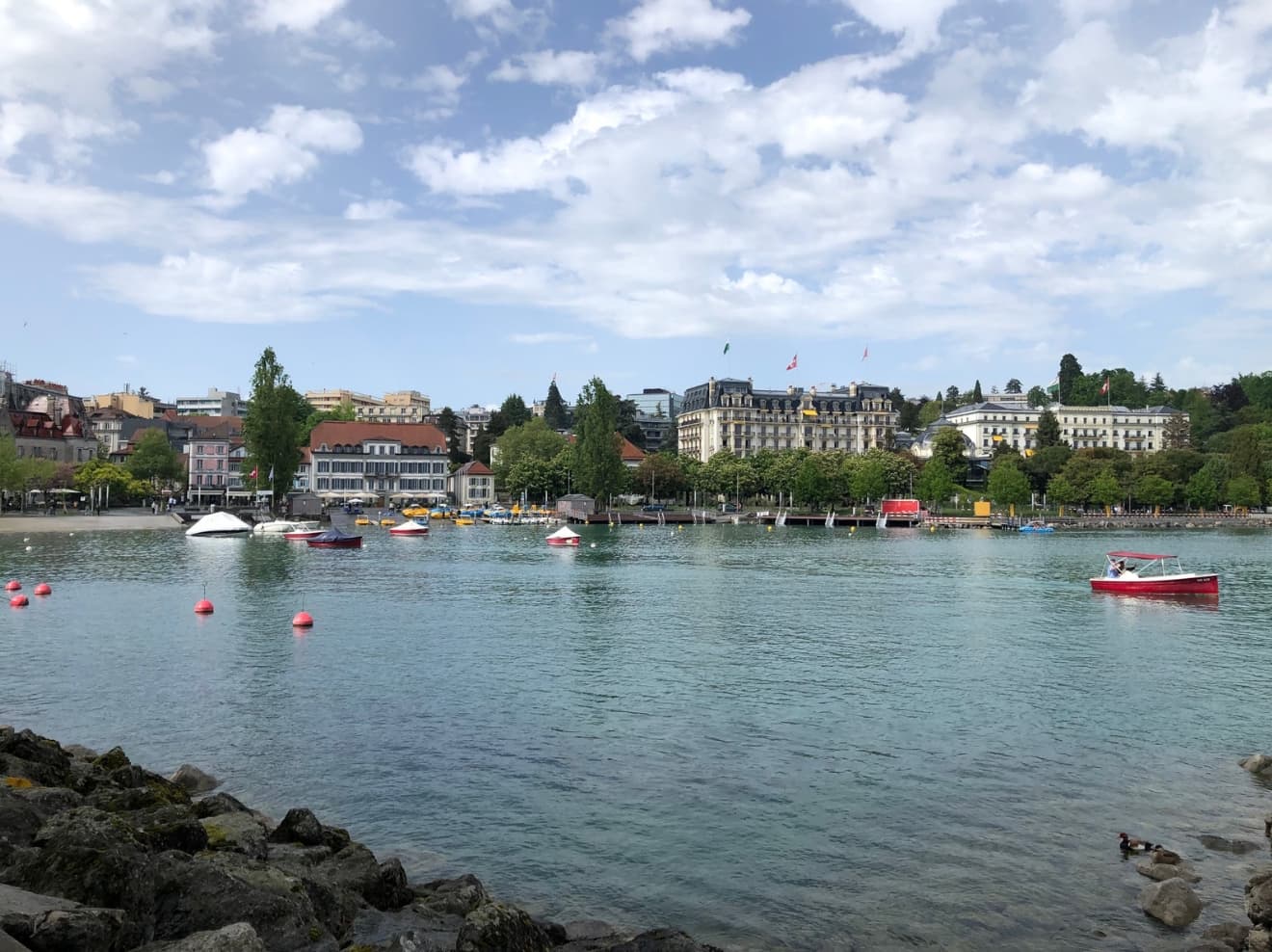 Photo: Jamie Wilson
Walking around a European city? Groundbreaking. But that’s where we’re going to start on our Swiss wellness journey. I love pilates, yoga, and barre, but my trip to Lausanne, Switzerland taught me that wellness doesn’t have to be tied to fancy fitness classes. Remember all of those “hot girl walks” that started up during COVID? It turns out there was something to that.
“Movement should support the body, not punish it,” says Mallari. “Walking, strength training, mobility work, and regular movement done consistently are far more effective than constantly chasing intense workouts. When movement feels supportive, people actually stick with it.”
While staying at the Royal Savoy Hôtel & Spa Lausanne, close to Lake Geneva, I saw hordes of people outside walking along the lake and nearby. I joined in, walking with two of my friends along the perimeter of the lake until we lost track of time and casually ended up in a different town. Not only did that movement feel good after a long flight, it actually helped me get a better night’s sleep.
“Walking outside, sitting in natural light, or spending time near trees or water supports regulation in a way that does not feel like another task to optimize,” says Mallari.
Good Eats
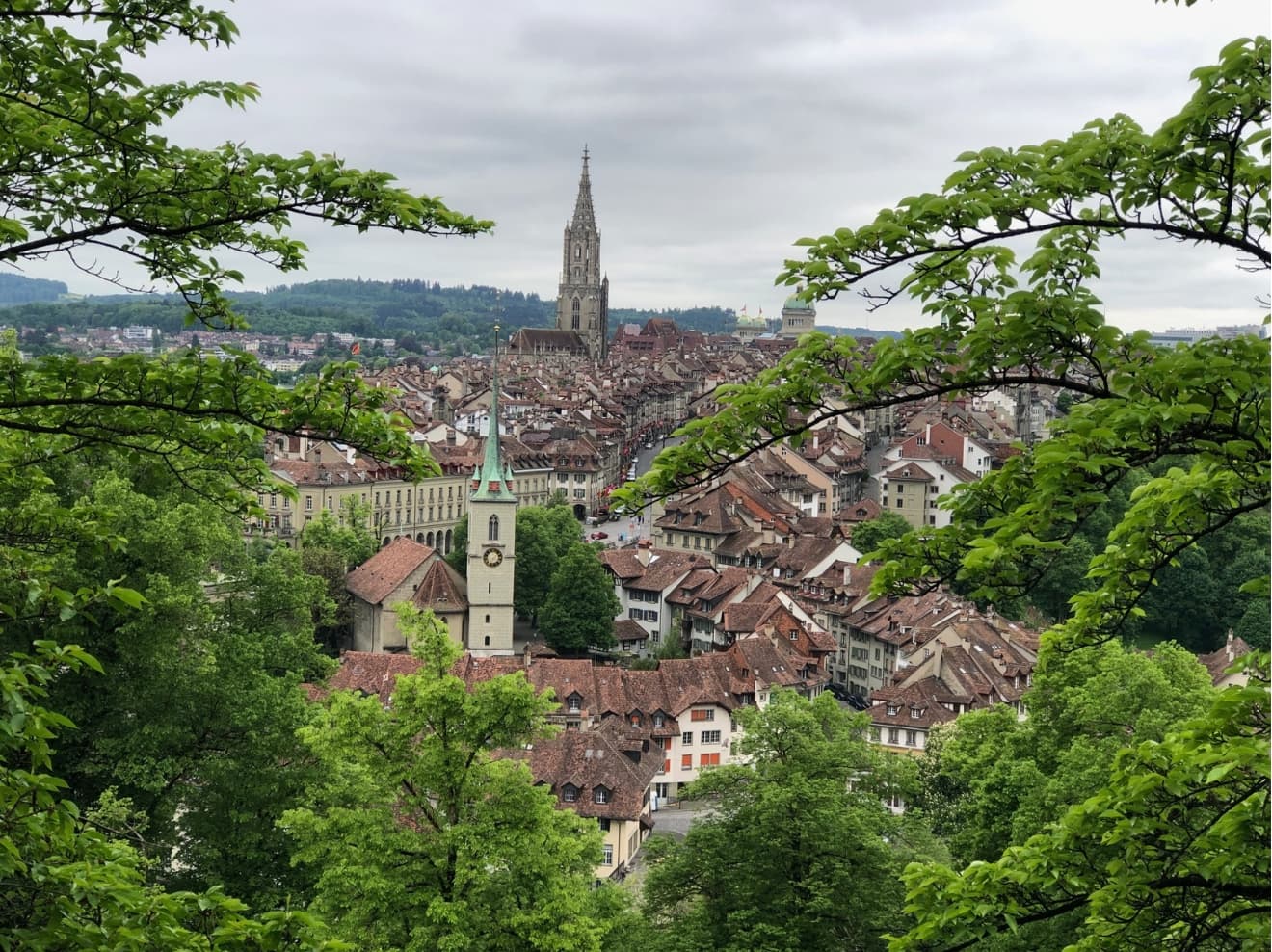 Photo: Jamie Wilson
While Bern is best known as the place where Einstein developed the Theory of Relativity and Switzerland’s beer capital, it’s also home to some amazing culinary experiences where locally sourced produce is the star of the show. In the center of Old Town of Bern, nestled between the train station and the city, I stopped by the Hotel Schweizerhof Bern to check out Jack’s Brasserie. The iconic institution boasts 14 Gault Millau points (a restaurant rating of 1-20, primarily focused on food quality). It offers French-style dining, with a classic menu of seasonal and market-fresh ingredients that are sourced locally. I arrived in time for peak white asparagus season—a Swiss seasonal delicacy—and it was all over the menu.
Local produce quickly became a theme of my time in Switzerland. The Bürgenstock Hotels & Resort in Lucerne also took a hyper-local approach. Food at the resort is primarily sourced from nearby farms. A local farmer even grows the resort's berries in their greenhouse, while cheese is sourced from cows that can be seen grazing and lounging on the meadows just 500 meters from the property. They even produce their own Bürgenstock Cheese with a local cheesemaker.
Making the most of seasonal, locally sourced foods makes a huge difference when it comes to feeling great. Yes, I understand it isn’t easy for many people in the U.S. because of how our food systems operate, but making an occasional trip to your local farmer’s market or trying to shop more seasonally at the grocery store is a practice worth integrating into a routine.
Immerse Yourself in Nature
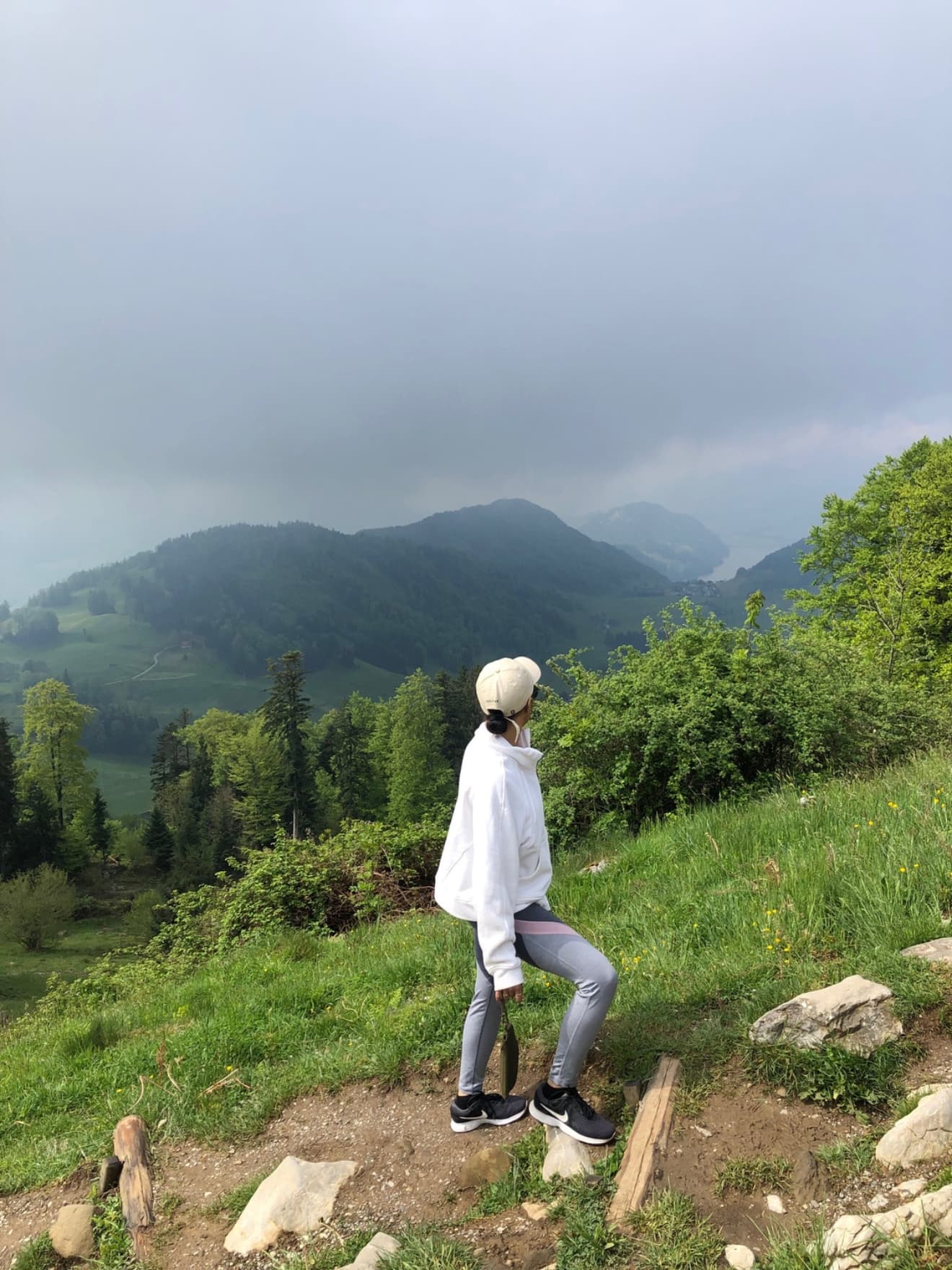 Photo: Jamie Wilson
If Bern taught me to find slices of nature within a city, my time at the Bürgenstock hotel taught me to absolutely lose myself in it.
“Swiss wellness is deeply connected to the country's exceptional natural environment. We benefit from pure air with almost no pollution, pure water, the mountains, and a constant proximity to nature," says Vann Guillon. “Because of this, Swiss wellness programs are often focused on the lungs, breathing, oxygenation, mindfulness, and a form of spirituality that comes from being close to nature.”
She emphasized that the Swiss philosophy is really about building inner health first with the attitude that it will reflect on the outside too. This ethos was the basis of her latest initiative, The Art of Longevity, a series of wellness programs from Valmont.
To get to the resort, you must first cross a lake by boat before heading up a mountain on the Bürgenstock Funicular (Switzerland’s first electric cable car). Spotting cows and mountain goats on the property is a regular occurrence. Within a few minutes, I instantly saw what made this location special to stars like Audrey Hepburn and Sophia Loren, who once called it home.
The Bürgenstock boasts incredible views of Lake Lucerne as well as the Bürgenstock mountain. This view was most striking during a hike along The Cliff Walk followed by a trip on the Hammetschwand Lift, where guests travel 1,132 meters to the peak of the mountain before a leisurely hike back down to the resort.
“Time in green space has been linked to lower stress hormones, improved mood, and better overall mental well-being,” explains Mallari. “Nature naturally slows the body down without effort. You do not need to track it or perfect it.”
Something as simple as a mountain hike that many people near the resort partake in regularly was a much-needed reminder to unplug, switch to “do not disturb,” and just enjoy the outdoors in all of its glory.
Supreme Spa Culture
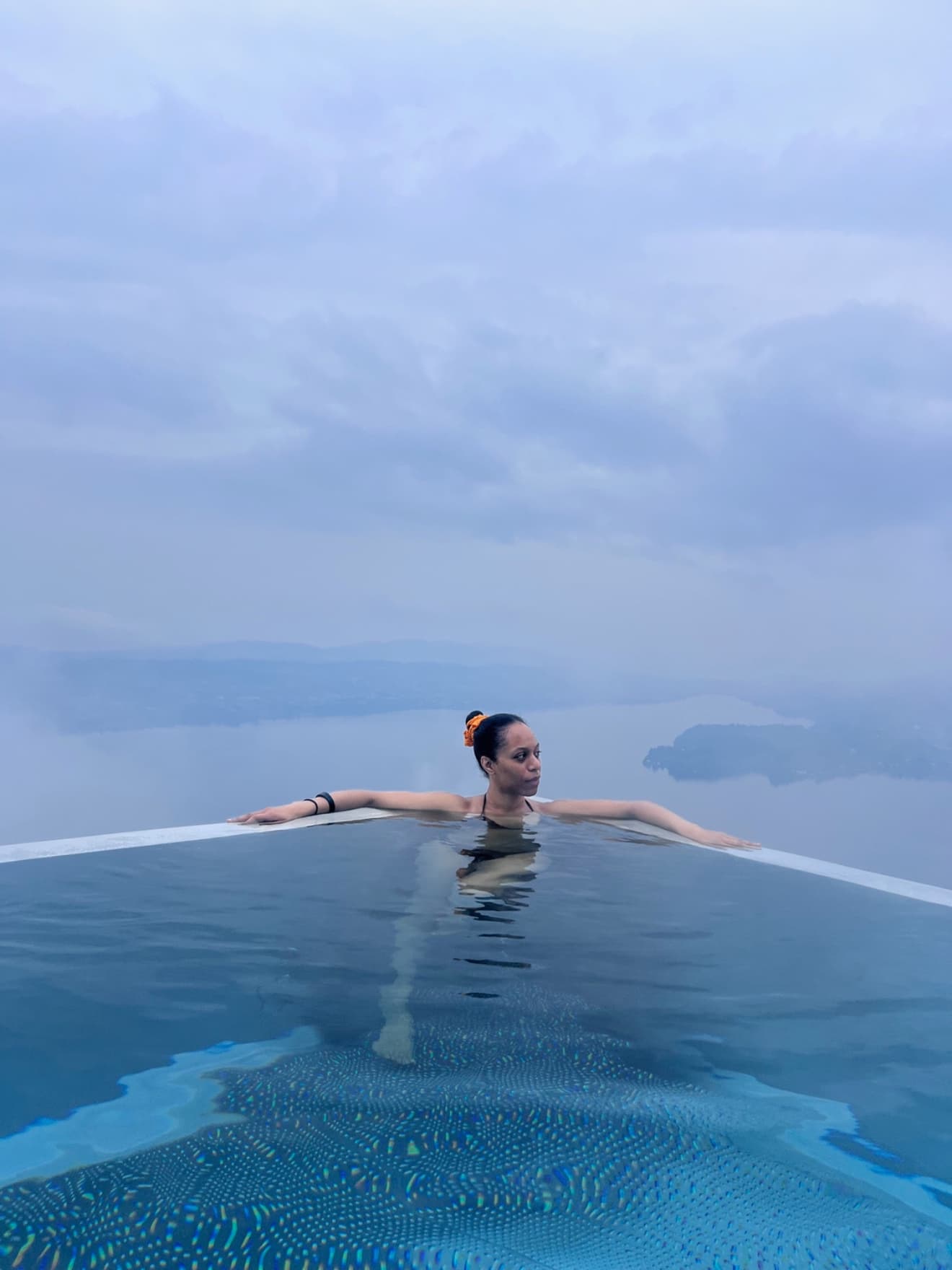 Photo: Jamie Wilson
In the U.S., visiting a spa is seen as an indulgence, as opposed to a necessary part of wellbeing. However, at each location I visited in Switzerland, spa culture was put front and center, with a robust list of offerings that ensure everyone can find a way to unwind.
“There are many Swiss people who regularly attend these wellness and longevity programs, but there are also a great number of international visitors who come specifically because of Switzerland's exceptional reputation, the quality of its care and service, and the proven effectiveness of its programs,” says Vann Guillon.
She mentions that clinics such as Chenot and Buchinger (German but on the other side of Constance Lake) and led by the Swiss Toledo family, are “exceptional” and are prime examples of Switzerland's long tradition and expertise in longevity and wellness.
At the Royal Savoy Hôtel & Spa Lausanne, the spa is dedicated to wellbeing for hotel patrons and locals alike. There’s both an indoor and outdoor swimming pool along with a vitality pool, sauna and steam rooms, eight treatment rooms, and two spas just for private use among other amenities. In Bern, the Hotel Schweizerhof offers day passes so that anyone can experience their expert-backed wellness treatments, including hydrothermal journeys.
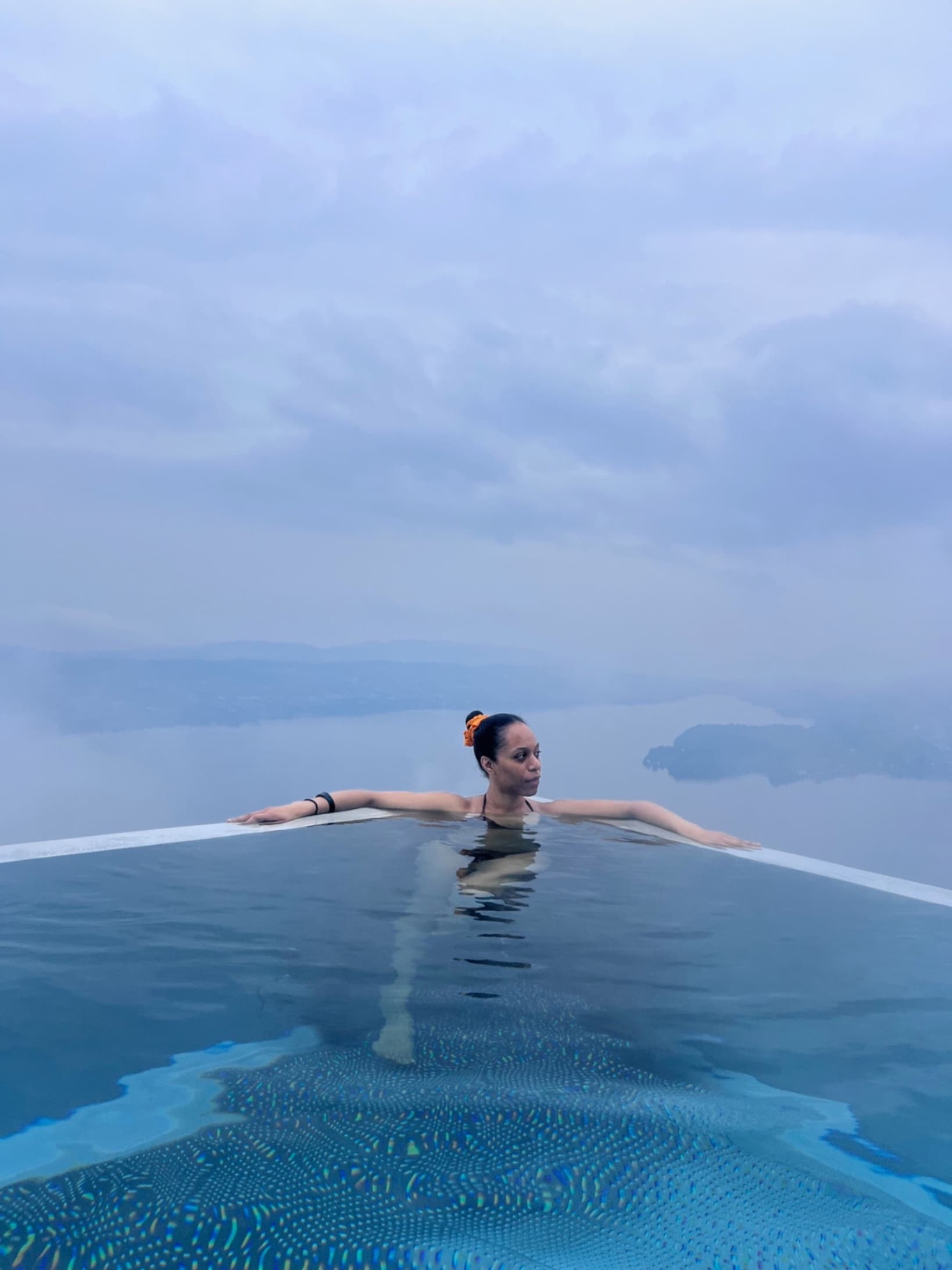
The Bürgenstock Alpine Spa at Bürgenstock Resort Lake Lucerne was the most robust and is Switzerland’s largest hotel spa. Its pools are filled with glacier-fed alpine lake water, and facilities include 13 treatment rooms, three private spa suites, wet areas with hammam, sauna, whirlpools and hydrotherapy, among others. The pièce de résistance was the outdoor infinity pool that wraps around two sides of the spa building and offers the most stunning views of Lake Lucerne. These hotels, and their emphasis on taking time for yourself, seem not only to be more accessible but also to be a more top-of-mind activity for the Swiss.
All in all, my time in Switzerland was a reminder that wellness does not need to be extreme, expensive, or performative to work; as Mallari put it, wellness comes with understanding what your body needs and making “small, intentional adjustments that actually fit your life” is key. It’s a sentiment that I wholly agree with and felt deeply after this experience. While these “wellness secrets” might not seem like the juiciest, they’re about reinforcing a balance. Wellness isn’t a race; it’s about baby steps.
Touch Grass (Or Water)
Living in a city, especially one like New York, can automatically siphon any semblance of wellbeing from your body the minute you step outside. The energy is unmatched, but so is the hustle, constant chaos, and overstimulation. “Creating boundaries, taking breaks, and allowing time to slow down during the day is essential for long-term resilience,” says Mallari.
While in Bern, I saw how living in a city doesn’t necessarily mean giving up on nature. The two cities—Bern and New York City— are vastly different places, the former providing inspiration for how to balance nature with city living. Mallari also points out that “spending time in nature is one of the most underrated wellness tools we have, especially when it comes to nervous system health and sleep.”
Bern is surrounded by the Aare River on three sides and is fed by the Oberaar Glacier, which originates high in the Bernese Alps. With the river running right through the city center, the Bernese often jump right in and literally go with the flow, using the river’s current to commute home from work. While you won’t catch me doing the same in the East or Hudson Rivers anytime soon, the tradition reminded me to seek out communal green spaces daily or even weekly. Time by the water shouldn’t be reserved for special weekend getaways.