My skincare routine is involved. But lately, the high-maintenance part is sun protection. What used to be a swipe-and-go step is now peptide patches, ingestible “sun support,” and a rotating cast of creams that treat UV like a personal nemesis.
UV radiation triggers a cascade of cellular damage: DNA strand breaks, free radical generation, collagen-degrading enzymes, and the slow erosion of the structural proteins keeping skin looking youthful.
"We used to think of sun protection as one product, one step," says Dr. Solomiya Grushchak, a double board-certified dermatologist and Moh’s cancer surgeon in La Jolla, California. "Now we understand it's a multi-layered system—blocking UV, neutralizing the oxidative damage, and actively repairing DNA. With the right layers, you’ll get better long-term protection and preservation of your skin health.”
So which upgrades are actually worth the shelf space? Keep scrolling to find out.
1. The First New Filter in a Generation
SPF sunscreen remains essential, and we’ve got more options now. In June 2026, the FDA approved bemotrizinol, the first new sunscreen active ingredient cleared in the U.S. in 25 years. Sold as PARSOL® Shield, it delivers broad-spectrum UVA and UVB coverage and will start hitting shelves in September. "The FDA's approval of bemotrizinol is a major step forward in sun protection," says Dr. Sue Zhang, double board-certified in internal medicine and pediatrics. "This next-generation filter allows for more cosmetically elegant formulations."
The molecule isn't new. It's been standard in European and Asian formulations for years. Zhang ties that history to compliance: "This ingredient is already used in several fan-favorite Korean and French sunscreens. Lighter, more comfortable sunscreen gets used more consistently."
2. The Antioxidant Non-Negotiable
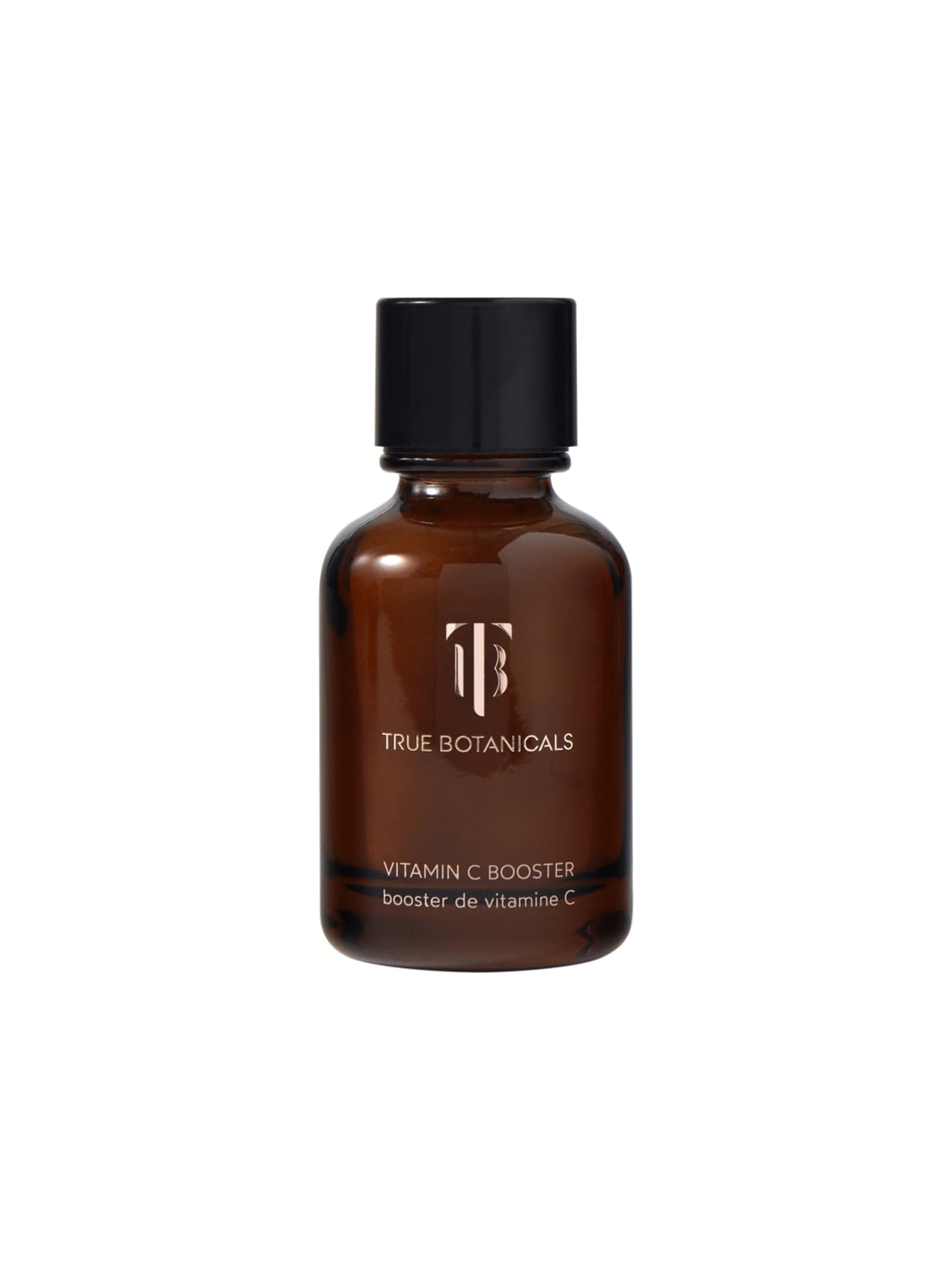
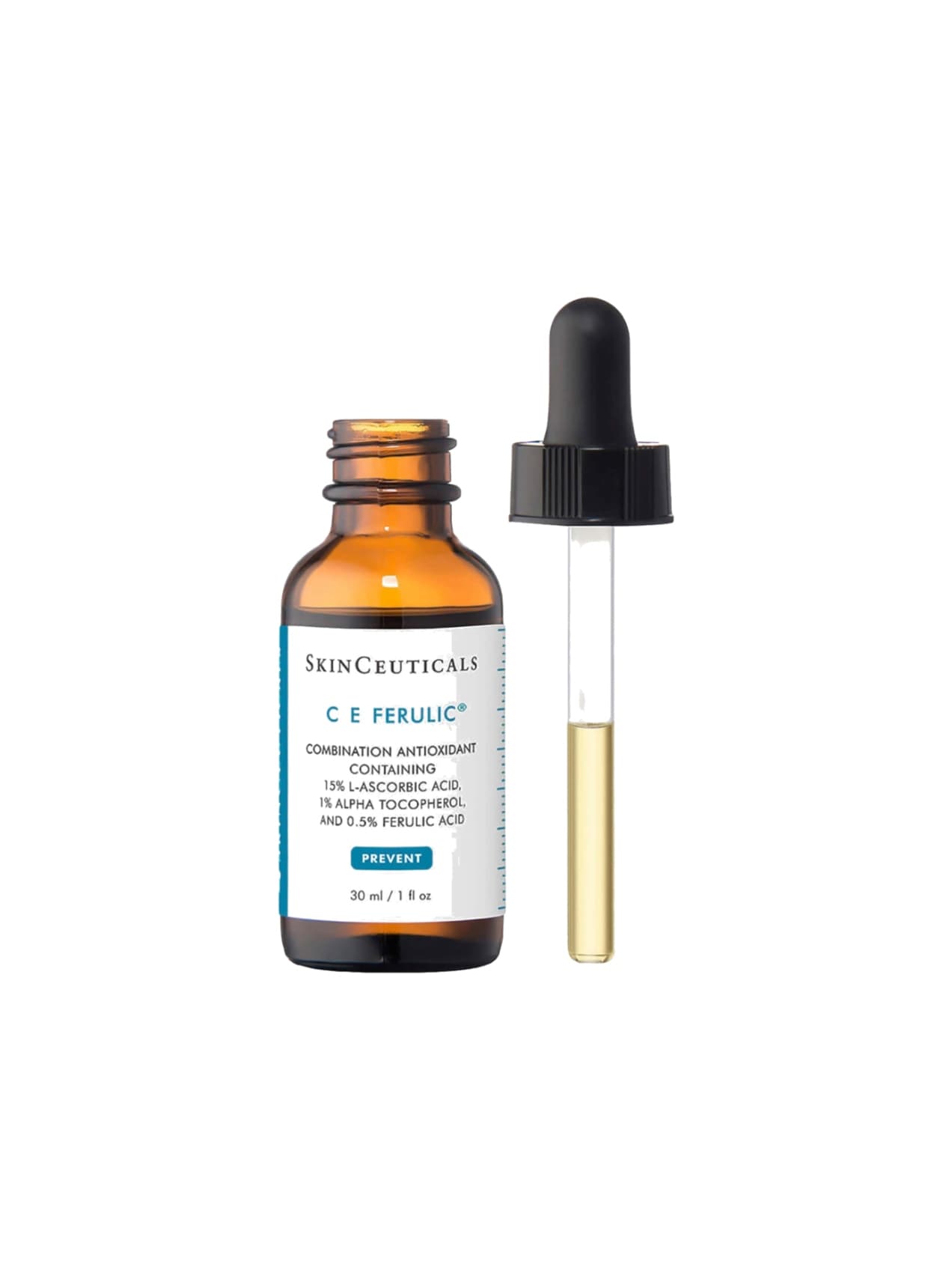
Before anything else: vitamin C, vitamin E, and ferulic acid, applied every morning before SPF. This trio neutralizes free radicals, which are the reactive oxygen species UV generates even after your sunscreen has done its job. Research has shown that combining all three significantly amplifies the photoprotective power of each. SkinCeuticals C E Ferulic still sets the bar, and True Botanicals makes a powder version that actually holds up over time. At this point, it should be part of the routine.
3. The Ingestible With Actual Evidence
The concept of "oral SPF" gets a fair amount of eye-rolling because no supplement replaces topical sunscreen, full stop. But Polypodium leucotomos, a fern extract taken orally, is supported by real evidence. Randomized controlled trials show it reduces UV-induced redness, oxidative stress markers in the skin, and DNA damage from sun exposure. Grushchak explains it even decreases the tendency to burn.
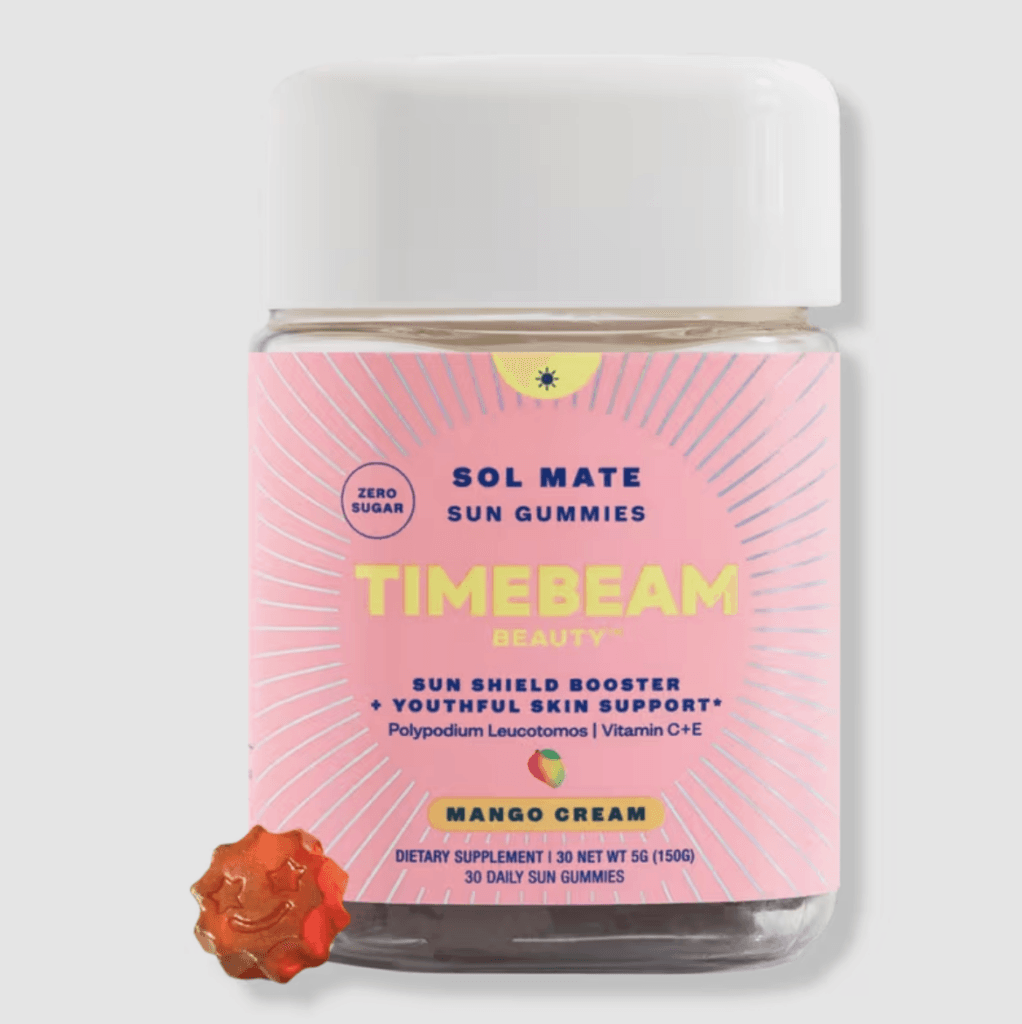
Dr. Jessie Cheung, board-certified dermatologist and founder of Cheung Aesthetics & Wellness in Chicago and New York City, warns that polypodium does not block UV the way sunscreen does. “But it can be used as an adjunct, especially for patients who are outdoors often or have a history of skin cancer, because it buffers the skin’s response to UV damage," she says. Timebeam turns it into a gummy you'll actually want to take, and Sun Powder dissolves into your morning smoothie without a second thought.
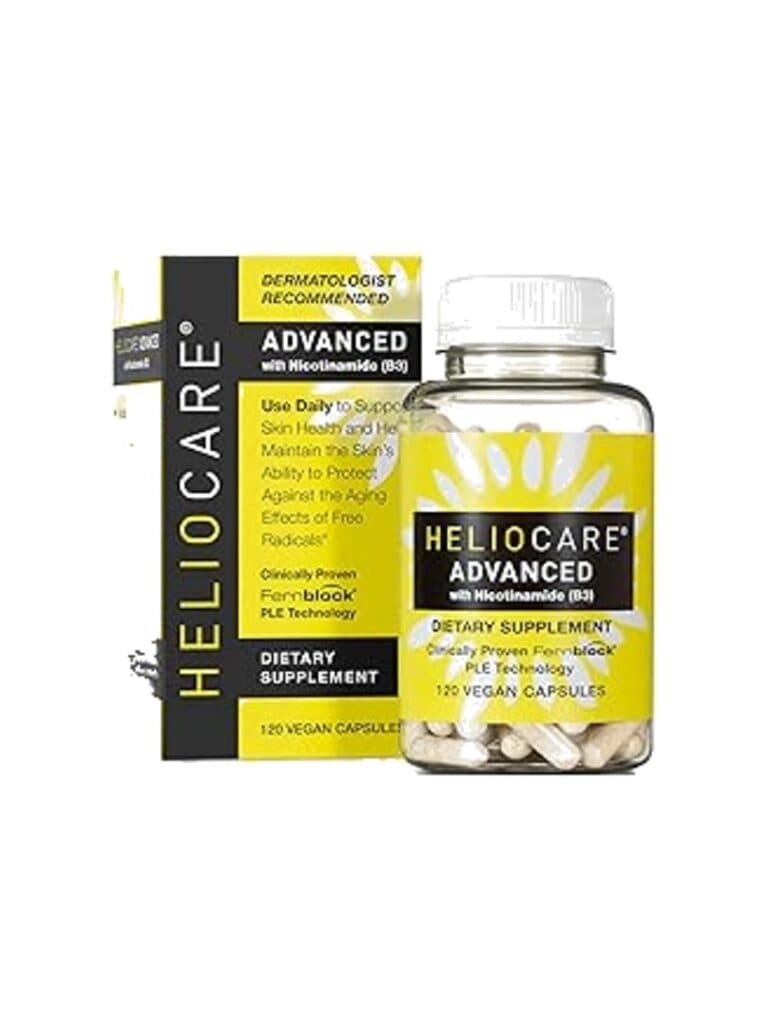
Niacinamide (vitamin B3) also deserves a mention, both topically and orally. Grushchak explains that B3 “replenishes NAD+, a coenzyme critical for DNA repair that UV depletes, while also reinforcing the skin barrier and reducing post-inflammatory hyperpigmentation.” Heliocare has a version that includes both polypodium and niacinamide for the win. Cheung recommends Thorne's Niacinamide for its quality control and third-party testing.
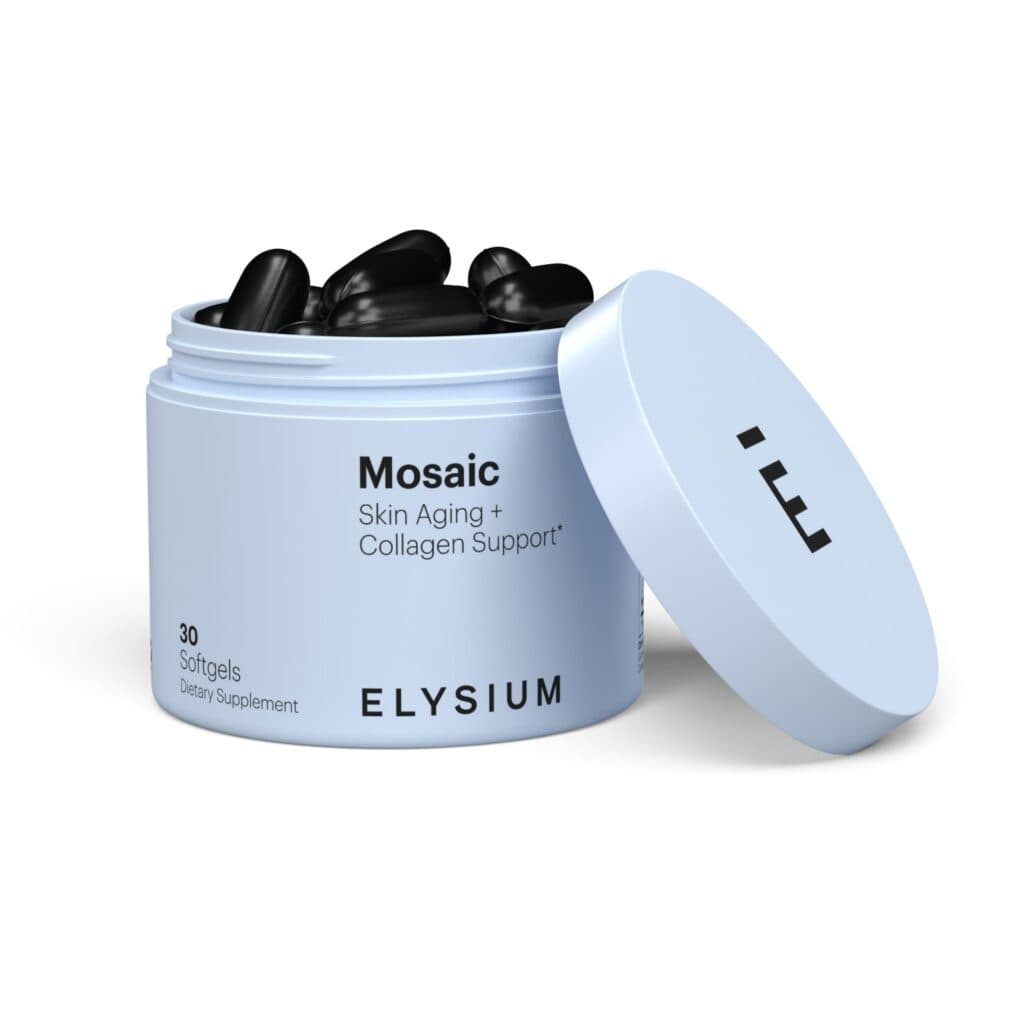
Beyond niacinamide, a newer crop of skin-focused supplements is emphasizing carotenoids and other antioxidants that help neutralize UV-induced free radicals rather than block UV itself. Elysium Health's Mosaic, for example, combines a carotenoid complex with hyaluronic acid to support skin resilience from within.
4. Peptide Sunshield Patches: The Most Interesting Thing Happening Right Now
A new category of UV-protective wearable patches is going where no sun care has gone before. The most compelling versions use bioactive peptides that interact with the skin's own signaling pathways to upregulate natural defense mechanisms, delivered via slow-release, occlusive patches. "The occlusive environment and sustained release mean you're getting much better absorption of actives than you would from a serum," says Grushchak. "For well-formulated peptide patches, the science supports enhanced efficacy."
Franz Skincare's Naked SunShield Peptide is leading the category... if you can apply it right. And they're not cheap ($60 to $150 for a month's supply) but for long days on the beach or a boat, they can be worth it, especially for the spots people tend to miss.
5. The Fashion Upgrade SPF Needs
Sun-protective clothing has always had a reputation problem. It works, but it rarely looks like anything you’d actually choose to wear. A newer workaround skips that compromise altogether. UV-blocking laundry additives are exactly what they sound like and somehow more useful than they have any right to be. No wardrobe overhaul required, no compromises on what you actually want to wear. Just protection built into the clothes you were already reaching for. SunClad adds UPF 30+ and lasts for up to three washes.
6. The One Thing You're Definitely Forgetting
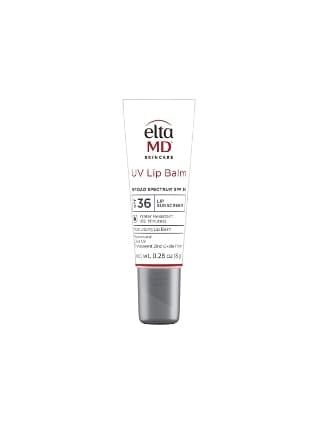
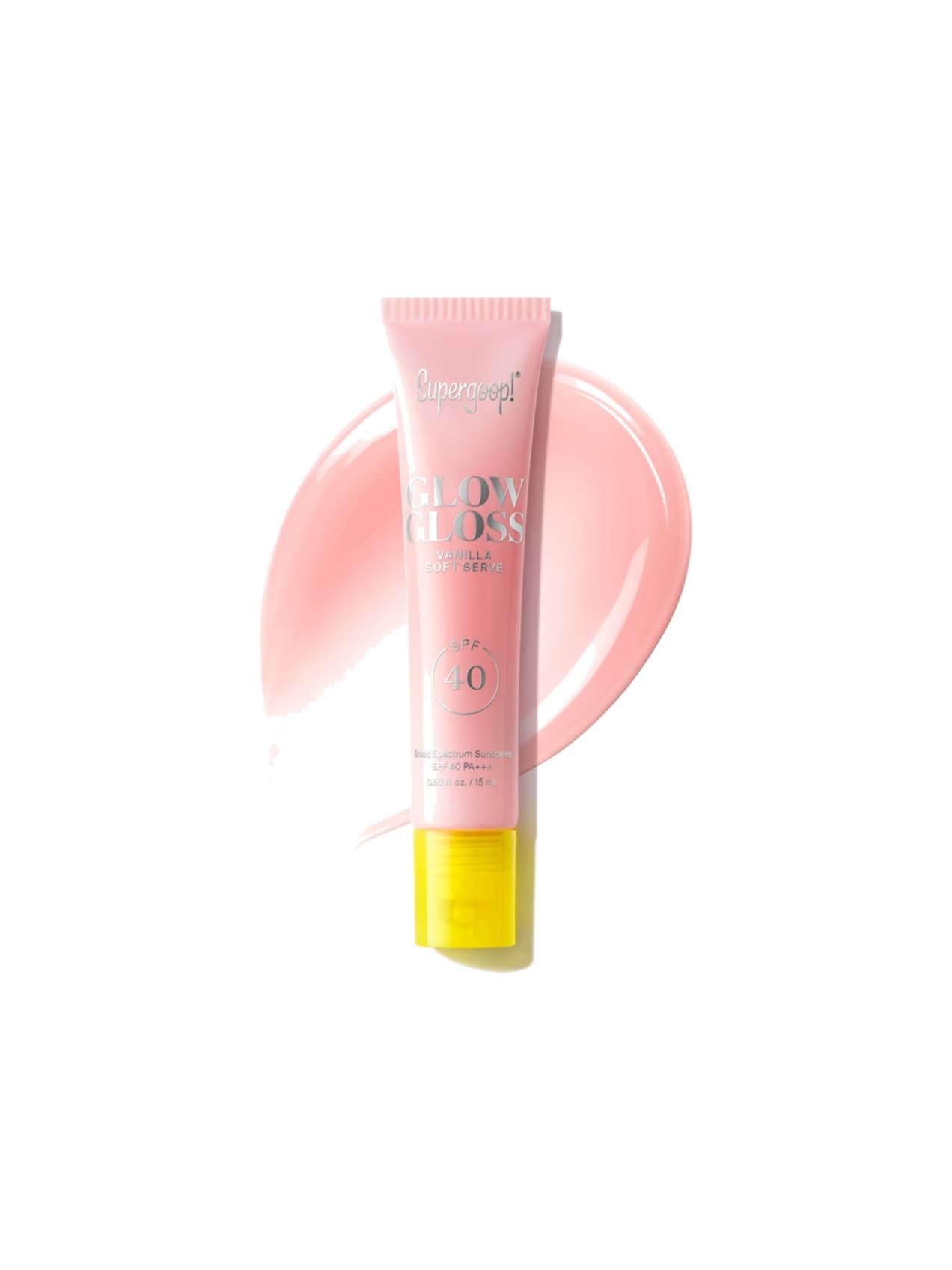
Your lips have zero melanin and are one of the highest-risk sites for UV damage, including squamous cell carcinoma, which presents disproportionately on the lower lip. Keep an SPF lip treatment everywhere in your purse and reapply generously. Elta MD UV Lip Balm SPF 36 and Supergoop's Glow Gloss SPF 40 are the workhorses.
The honest takeaway? You don't need to start overcrowding your vanity. Start with a vitamin C serum (the antioxidant data is ironclad) and oral Polypodium leucotomos if you're outdoors regularly. Then layer from there. "The goal is to reduce cumulative UV damage over a lifetime," says Cheung. "A multi-modal approach does that better than any single product ever could."
Your sunscreen is still essential. It just, finally, isn't alone.