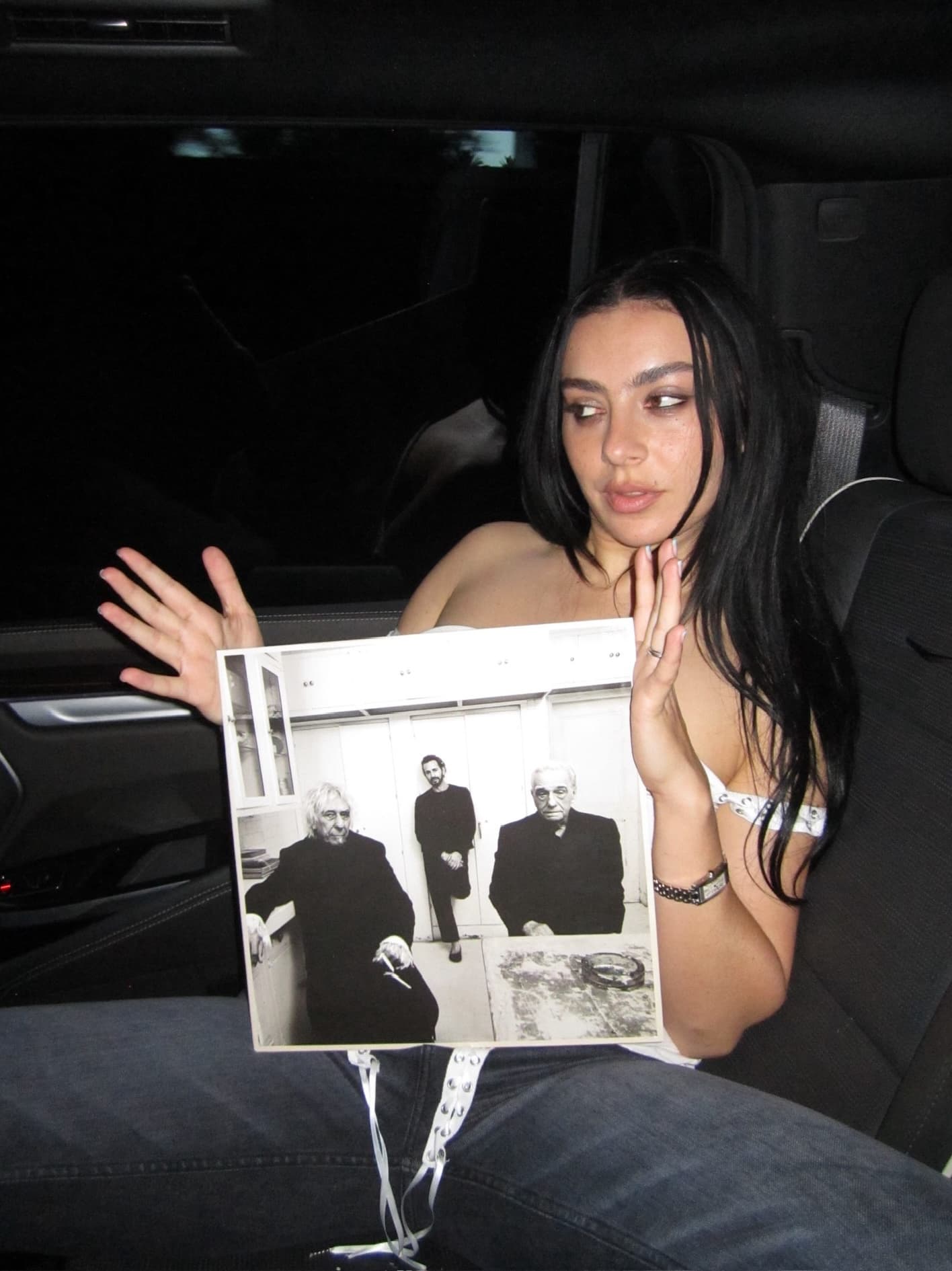
Back in July, when Charli XCX announced listening parties ahead of her Music Fashion Film album release, fans flocked to the internet. In an age where scalpers scoop up all concert tickets in record time and resell them for exorbitant prices equivalent to a month of rent for a lot of us, young people are doing what young people do best: come up with a cost-efficient solution. The solution in question? The listening party. It's not live music, but it still allows fans to enjoy music in a group setting and build community—which, nowadays, is an opportunity that is few and far between. With fans of artists like Gracie Abrams and Phoebe Bridgers putting together album listening parties of their own, it's safe to say that this format of experiencing music is coming for the live concert.
For the sake of experiencing this sense of community myself, I attended Willow Smith's The Thread album listening party at Public Records in Brooklyn in July. In collaboration with Free People, fashion and music collided, and attendees decked to the nines in Free People's latest collection sipped themed cocktails as they listened to Smith's latest work. The listening was not 100 percent focused and intentional. Instead, the music was a soundtrack to a social gathering, the backdrop to the chats, and guided us as we went about our evening. "There's is so much more socializing at a listening party in comparison to a concert," Kerane Marcellus, a NYC-based writer who has attended two listening parties this year, says. "Plus, depending on the event, the artist is sometimes hanging out with the crowd rather than putting on a performance." This was the case at Smith's listening party, which furthered the sense of community and blurred the traditional boundary between artist and fan. Instead of a clear power divide, it just felt like a room full of people who love music, Smith included.
Kristen Maldonado, a NYC-based entertainment journalist and Tori Kelley superfan (who has attended both her concerts and listening parties), notes the unmistakable intimacy of a listening party. "The energy at Tori's NYC listening party was electric. We got to sit with her and fellow fans to listen to the album for the first time before it came out. Everyone was jamming together, and [Kelley] shared behind-the-scenes facts about what it was like crafting this album," Maldonado says. "Her listening party was extra special and felt more personal. Listening parties make you feel more connected with the artists you love on a deeper level and reinforce the community that’s built around the music."
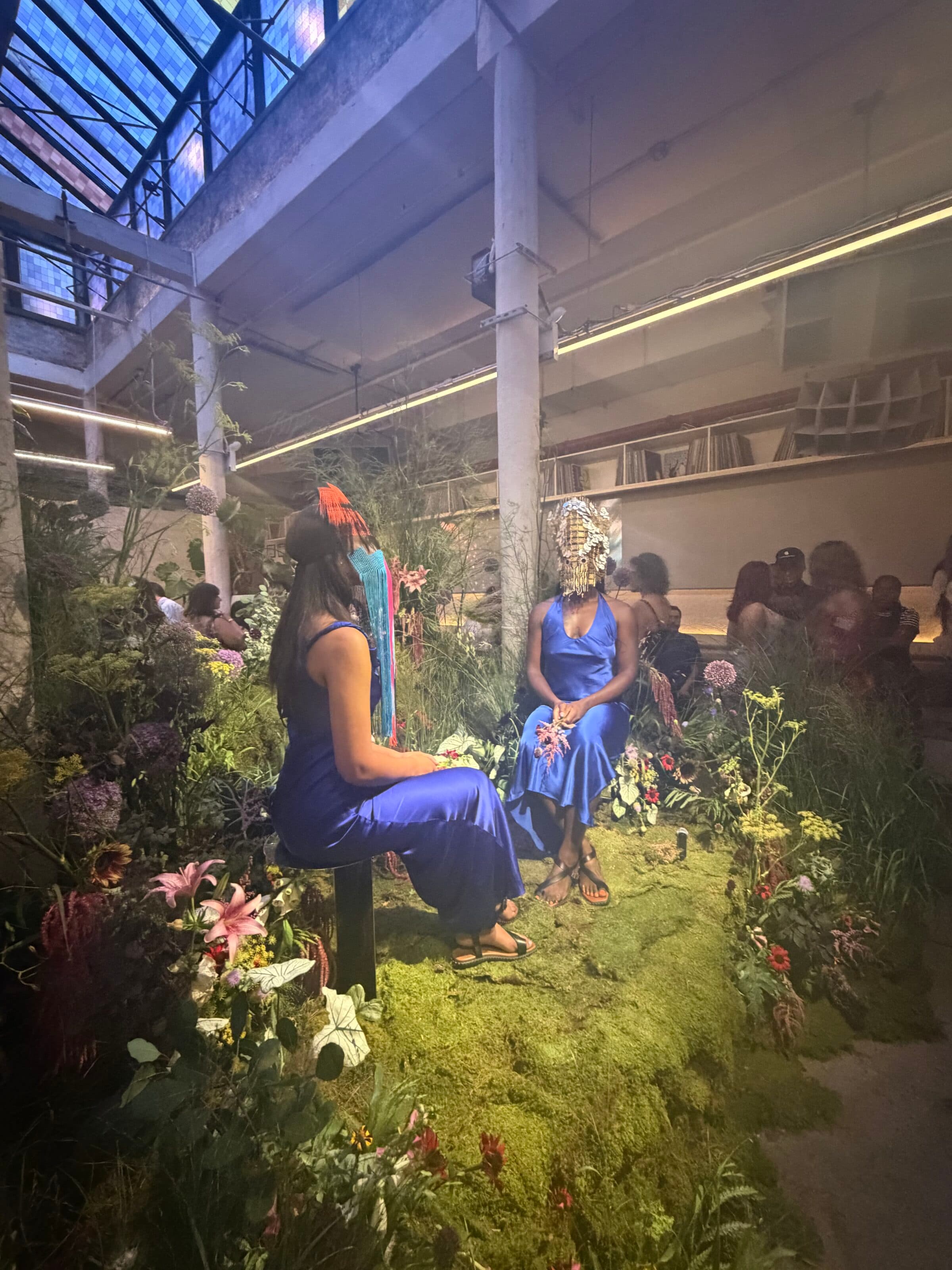 Photo: Bianca Asare
"This year, these kinds of events have become more popular because we are living in an era where sharing and listening more deeply is becoming harder," Loly Roots, co-host of Listening Party NYC says. "This is partly because of the technology around us, which many times makes us more isolated, and partly because when we want to go out and discover and listen to music, we often end up in clubs or bars that have been offering the same experience for many years." In turn, listening parties offer a unique, intimate musical experience—a musical refuge, if you will. "They're a safe space where there is no pressure to dance, talk, or do anything other than being present and listening," Roots adds.
What's interesting about this format, though, is that there is still a level of exclusivity involved. The WILLOW listening party was invite-only and consisted mostly of fashion, influencer, and media industry folks. Charli XCX's listening parties had capacity limits that were filled almost immediately.
At the end of the day, in 2026, even building community costs time or money or requires an invite or connection. S0 while yes, the listening party is coming for the live concert in 2026, how far can it go? And how long until those spaces are also no longer accessible?