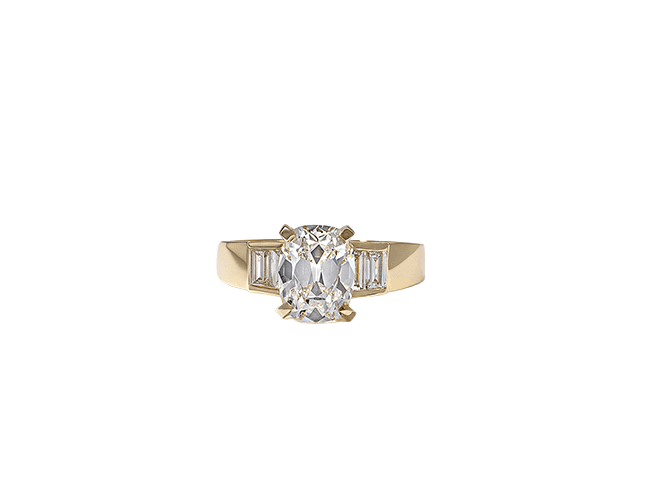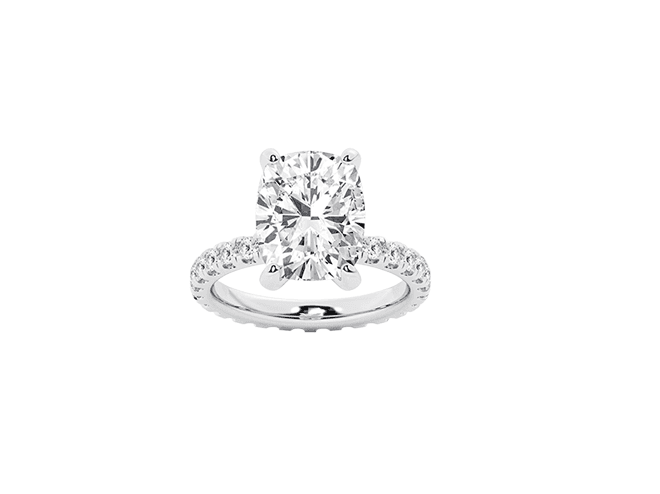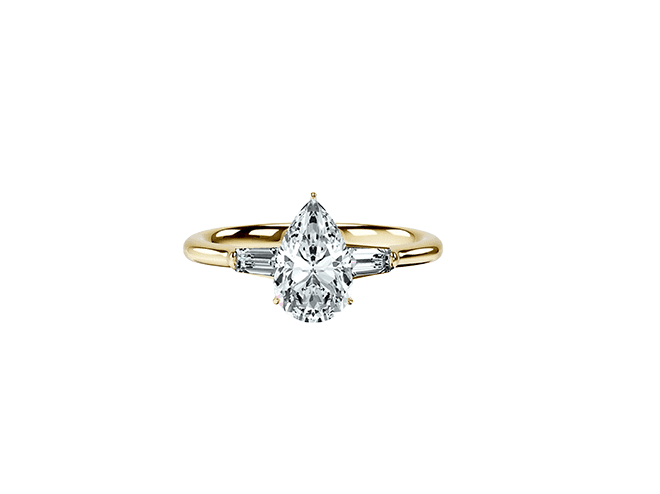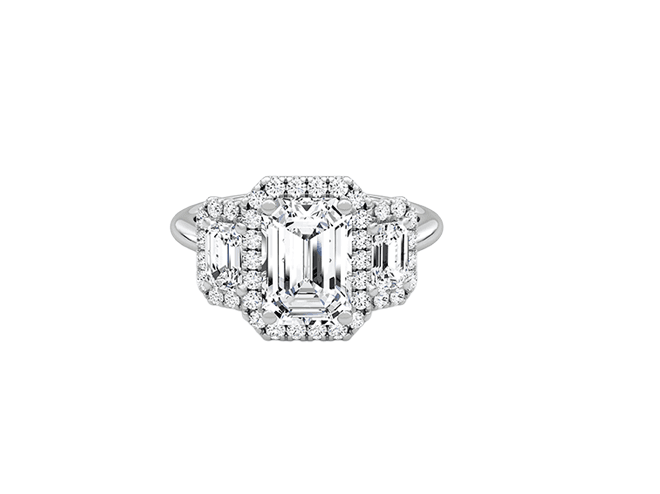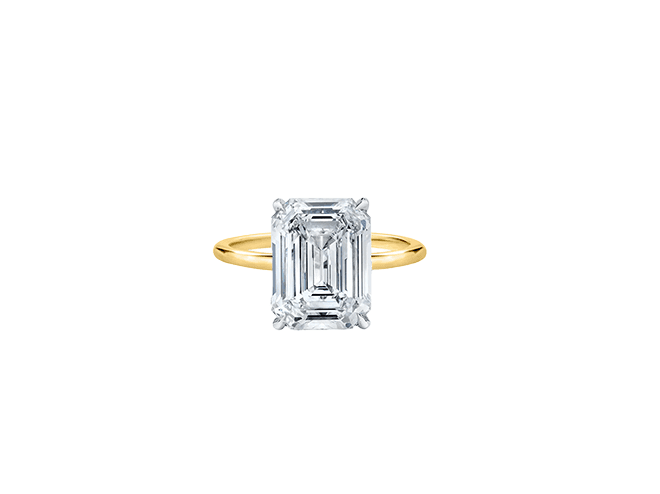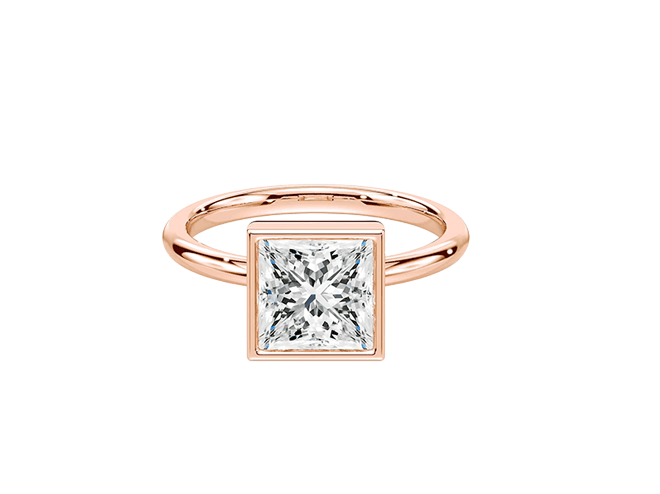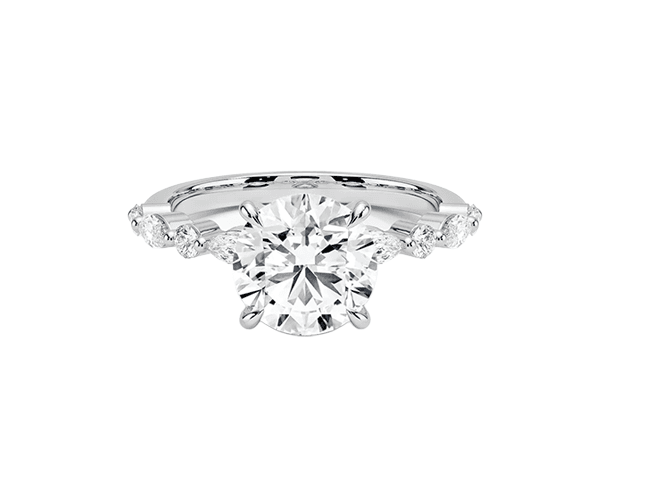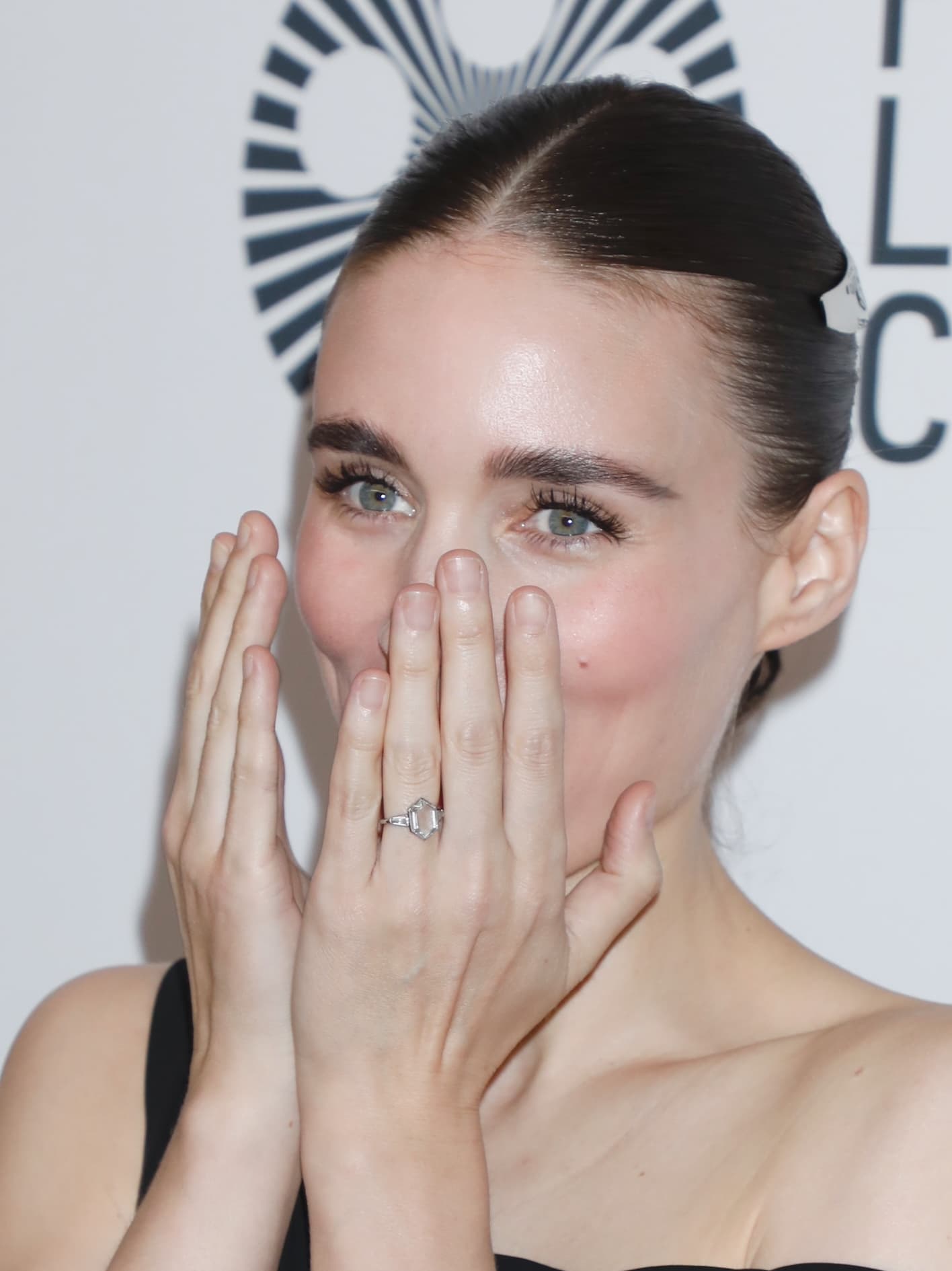
At Coveteur, we continue to be fascinated by the ever-changing engagement rings trends, especially when they lean non-traditional. And as someone who tends to spend more time than I should considering what style ring I would want for my hypothetical engagement to my hypothetical partner, I have been fascinated by lab-grown diamonds now more than ever. Perhaps it's an endorsement by Leonardo DiCaprio the environmentalist, the fact that celebrities and fashion girls alike (Rooney Mara, Nikki Reed, Chloë Sevigny, Paris Jackson, and Mandy Moore, for example) are embracing them, or the fact that the price-point is just indisputably more accessible—it's likely a culmination of all of these factors. Lab-grown diamonds, especially in the form of engagement rings, haven’t always been so widely accepted, though. "I think a lot of the conversation comes from old ideas around what a diamond ‘should’ cost or what carat size someone is ‘supposed’ to wear based on their lifestyle,” Bhumi Khimavat, founder of Miraki, says.
While in the past, the size and cost of an engagement ring seemed to be top of mind for those being proposed to and those doing the proposing alike, personality and styles that feel reflective of the relationship are being more widely prioritized over price-tag or trends. “People want to feel good about what they’re buying, and lab grown gives them that flexibility whether that means going bigger, customizing their ring, or investing in a piece that feels uniquely theirs,” Akshie Jhaveri, founder of Grown Brilliance, says. “Overall, priorities are shifting from what is ‘supposed to be’ to ‘what’s right for me’.”
 Dave Allocca/StarPix / Shutterstock
There seems to be notably less stigma surrounding lab-grown diamonds with younger generations—and this is reflective of how trends will evolve and progress. With jewelry in general, people want to dabble in different styles and aesthetics, stack rings and necklaces to achieve truly personal looks, build rotations that they love, and do all of this without spending exorbitant amounts of money that most young people don’t have in this day and age. “Gone is the idea of just having one diamond and it being your engagement ring,” Jenny Chung Seeger, founder of Eliette, says. “Diamonds are for every single damn day.”
What Is A Lab-Grown Diamond?
While traditional diamonds are grown deep in the earth, lab-grown diamonds are molecularly identical with the same physical, chemical, and optical properties, but are grown in a lab. "A small, rectangular shred of diamond, called a 'seed,' is placed in a chamber and then subjected to molten-hot heat and intense pressure, roughly equivalent to the pressure exerted by a commercial jet airplane if balanced on the tip of a person’s finger," Seeger says. "The heat and pressure force the carbon molecules to join together and grow into diamond crystals." And, just like that, you have a lab-grown diamond.
Are Natural Diamonds Better Than Lab-Grown Diamonds?
Long story short: no. But lab-grown diamonds have gotten a bit of a bad rap in the past. "A lot of it comes down to outdated perceptions. For years, the industry positioned mined diamonds as the only “real” option, so anything outside of that can feel unfamiliar," Jhaveri shares. "There’s also this idea tied to tradition or resale value, which doesn’t always reflect how people actually shop today." With modern engagement ring trends in general, it has become more about what feels right for the individual couple and less about tradition. Over the past few years, people have come to accept that lab-grown diamonds are indeed real diamonds—the only difference is are their origin.
 Courtesy of Eliette
What To Look Out For When Considering Lab-Grown Diamonds:
When shopping lab-grown diamonds, be sure to seek out trusted retailers with experienced scientists and jewelers backing them up. It's true that all lab-grown diamonds share the same chemical compound as natural diamonds, but they don't all necessarily all look the same. The quality and brilliance of the diamond is heavily dependent on the growth method used, how precisely the diamond was cut and, put simply, the skill and expertise of the scientist and jeweler—so, choose wisely!
What Are The Pros Of Lab-Grown Diamonds?
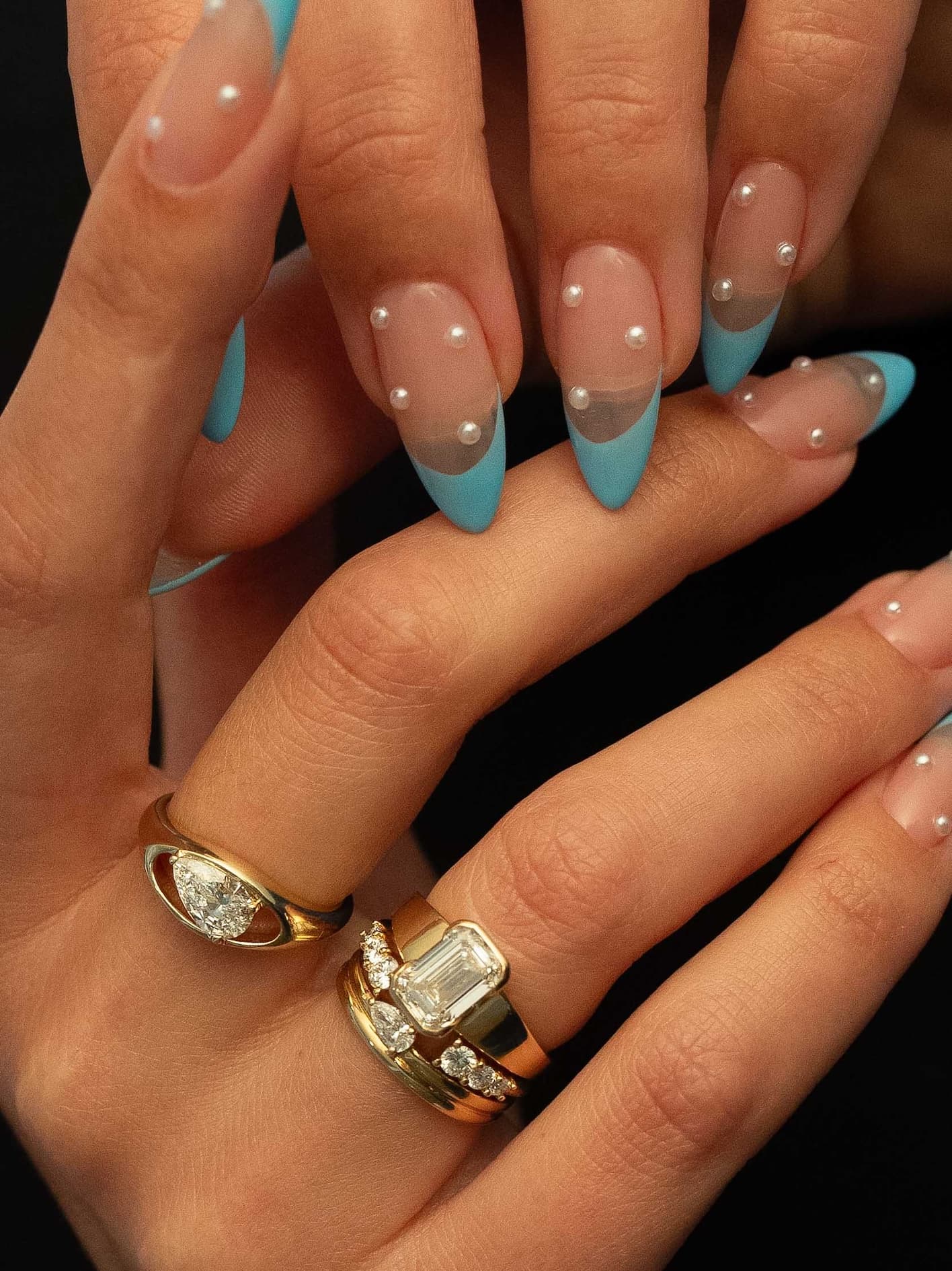
Lab-grown diamonds offer the beauty and composition of natural diamonds while offering flexibility around cost, size, and customization due to them being created in very controlled environments. "Two years ago, we had a customer come in asking for a specific carat Dutch marquise. At the time, we weren’t cutting that shape because it was so unique," Jhaveri says. "We sourced a lab grown rough, cut it to their exact specifications, and created a truly tustom engagement ring for them. To me, that really shows the potential of lab grown diamonds."
Through the creation process and without natural limitations and roadblocks like weather and time in play, jewelers have far more control over size, shape, color, clarity, and more. Clients, too, are able to play with scale and design in a way that wasn't quite possible before without completely breaking the bank. "Side by side, two identical looking diamonds could be $20,000 and $5,000: which would you pick? If you’re budget conscious, go lab-grown," Seegers ays. "The fact that the sky—and not your wallet—is the limit makes lab-grown diamonds so popular."
"You can prioritize size, quality, or shape without compromising as heavily on budget. Whether you love a marquise, old mine cut, princess, oval, or something more unconventional, lab grown diamonds give people the freedom to experiment and create pieces that feel personal," Khimavat says. "Consumers today also care more about value, transparency, and versatility, and lab grown diamonds fit naturally into that shift."
Plus, there is the environmentally friendly component. "There’s a growing awareness around sustainability and ethical sourcing, and many consumers appreciate knowing more about how their jewelry is made," Khimavat adds. Lab-grown diamonds are essentially a win win (win) situation.
Shop The Trend: