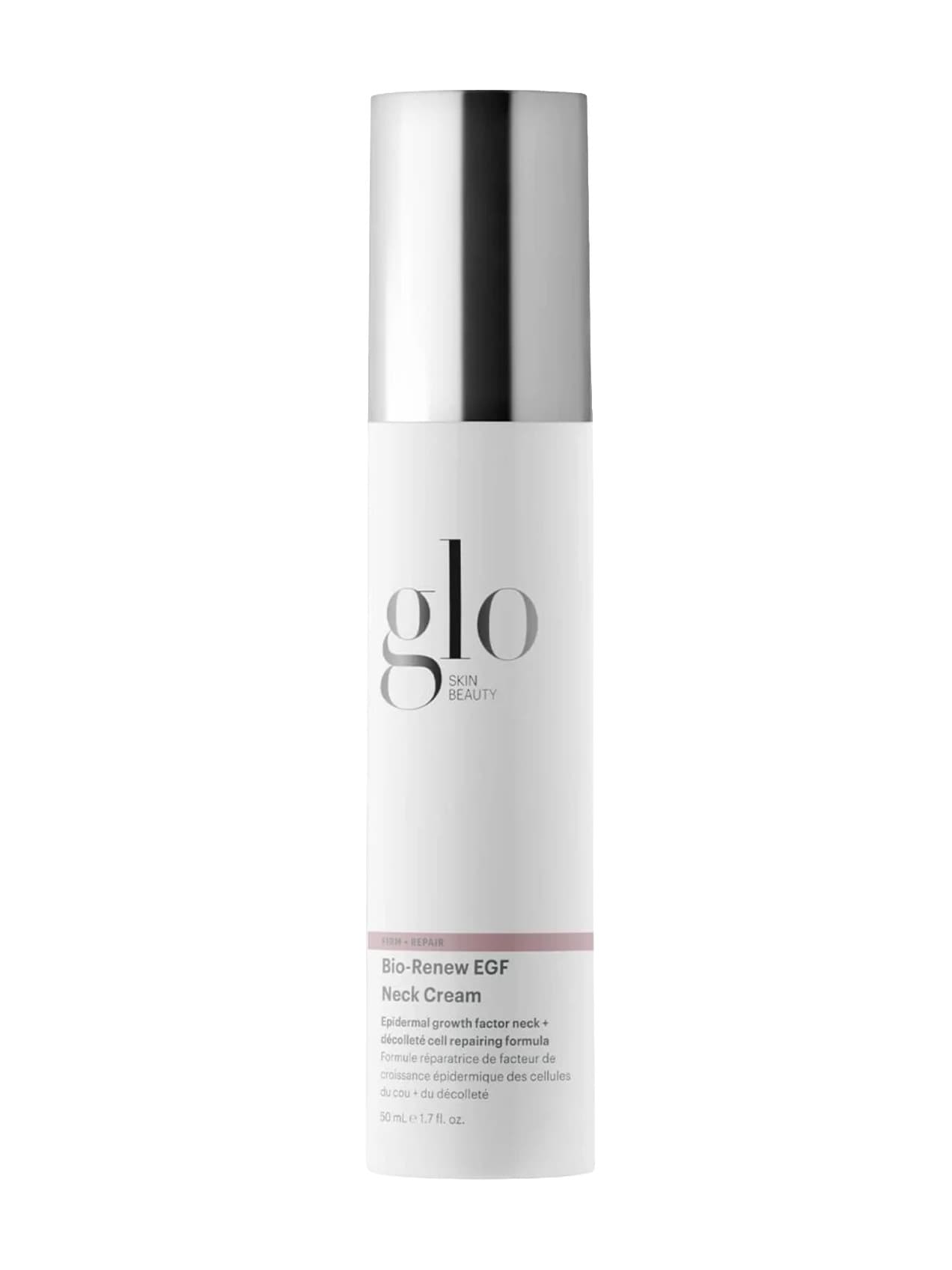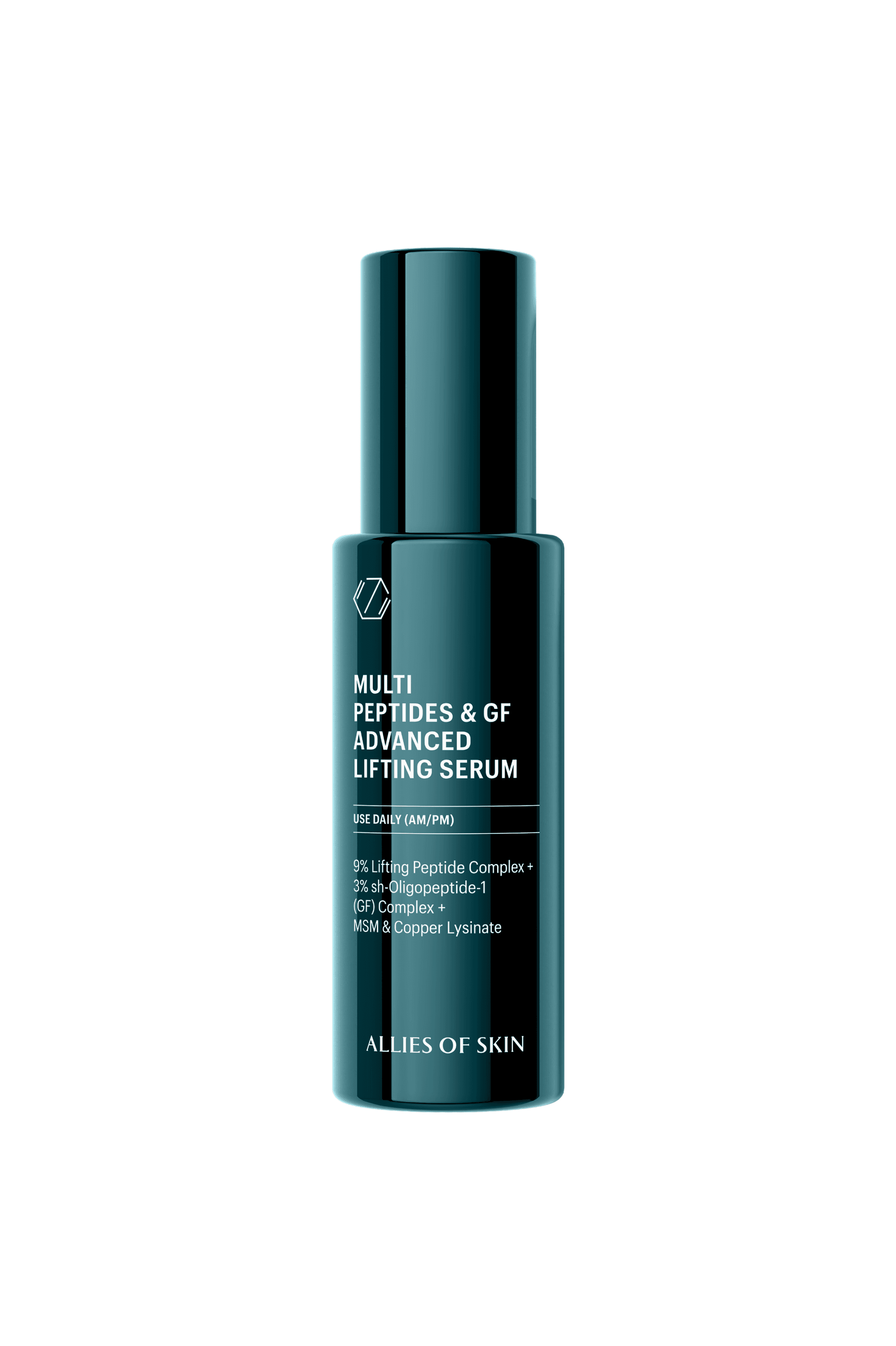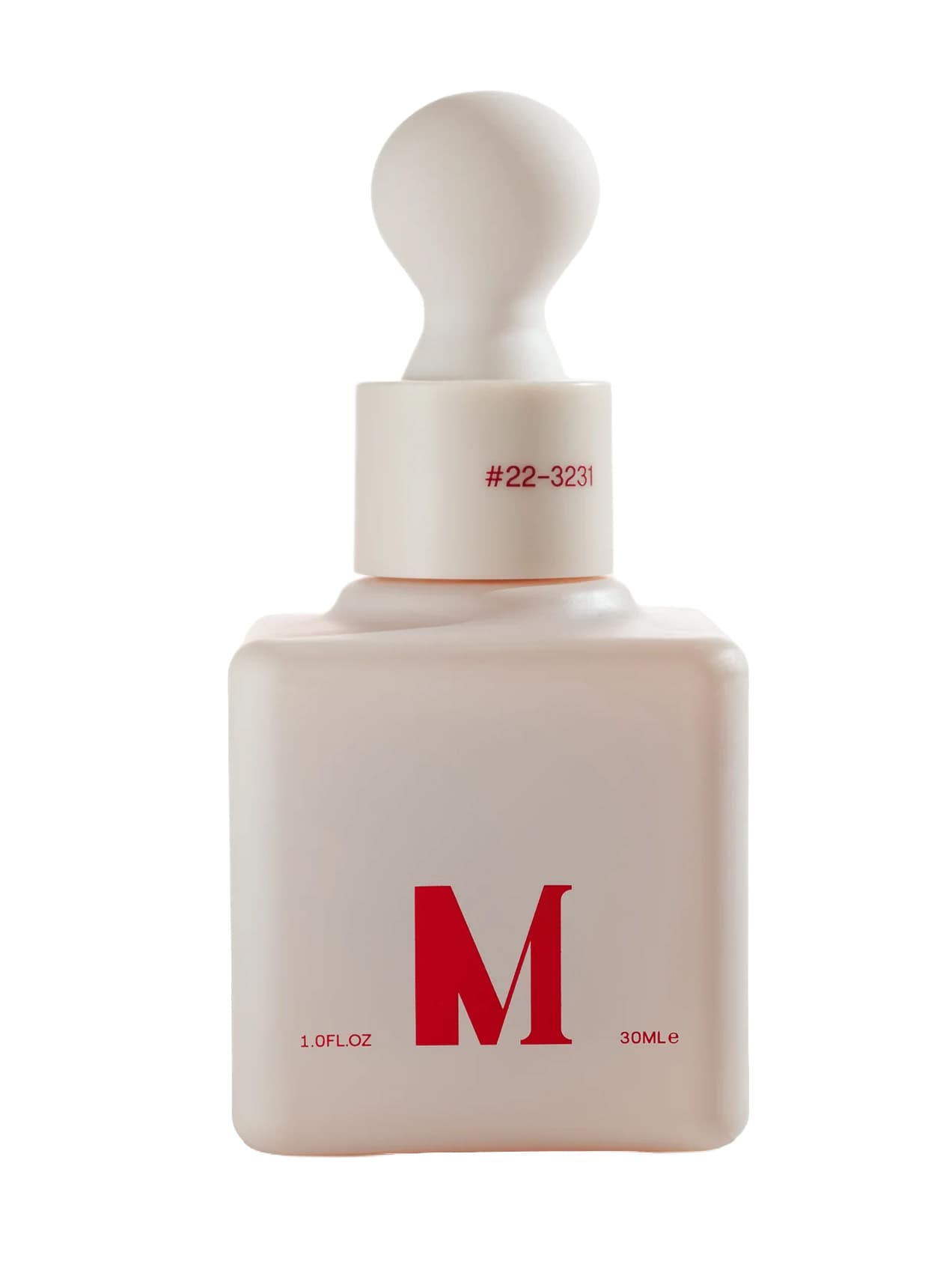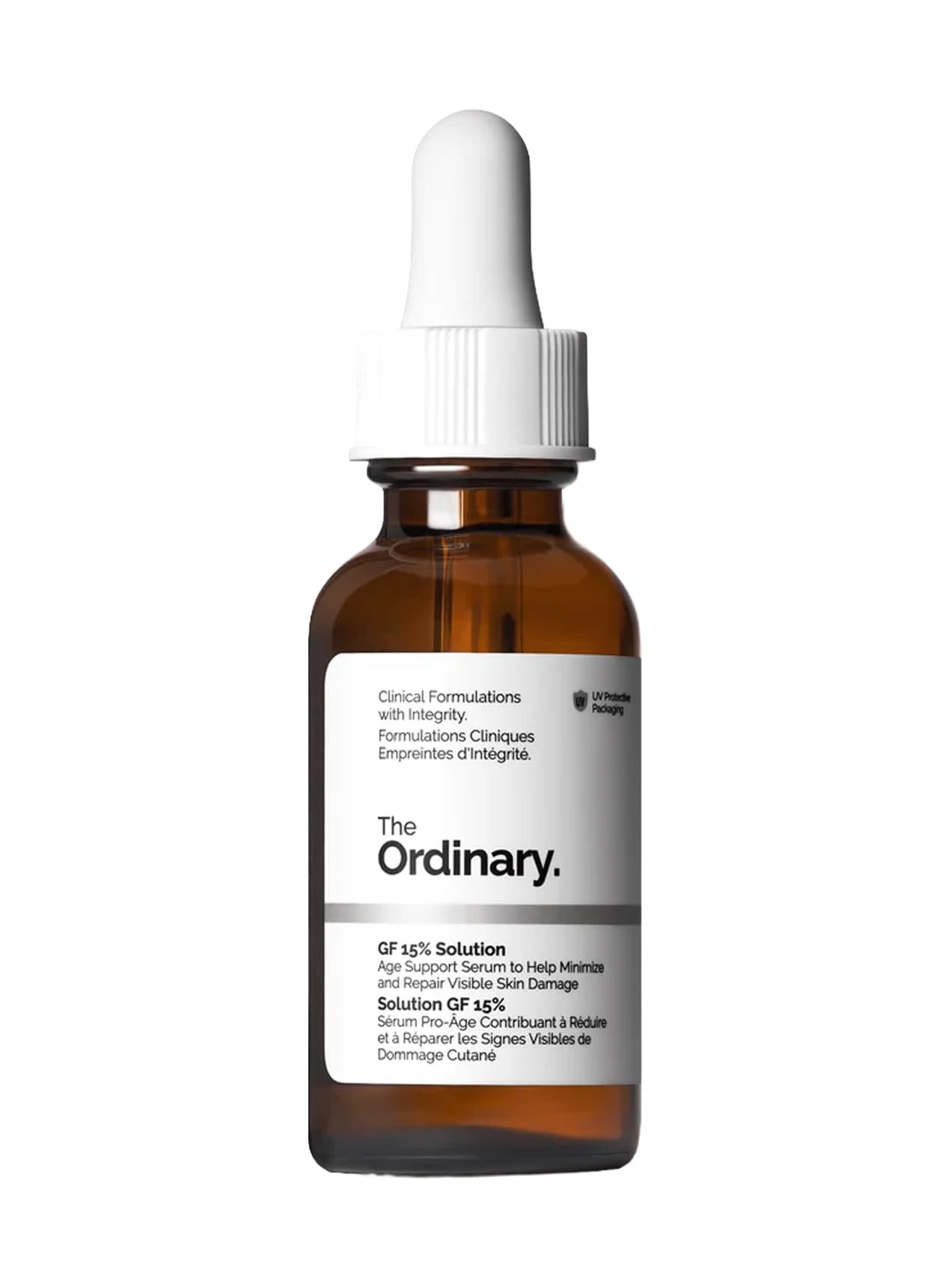
Every week there seems to be a new skincare ingredient, advancement, or trend vying for our attention. And while peptides, looksmaxxing, and the very questionable grey market are currently center stage, growth factors have started quietly taking over the shelves, like Allies of Skin Multi Peptides and Growth Factor Advanced Lifting Serum, Dr. Diamond’s Metacine Instafacial Plasma, and The Ordinary's budget-friendly $15 growth factor serum. Without any needles or downtime, many growth factors promise to smooth the appearance of coarse wrinkles, fine lines, uneven texture, and even correct the appearance of sagging skin.
What was once an ingredient isolated to medical-grade skincare available at dermatologist offices has now started popping up on shelves at Sephora and Ulta. And there’s a reason why growth factors have started trickling into trusted brands’ products. "Today's beauty shopper is educated and intentional,” explains Anna Mayo, Vice President for NielsenIQ's Beauty Vertical. “They are knowledgeable about the ingredients that they want in their skin care products and are increasingly shopping ingredient-first.”
Younger people are also more worried about aging. “Millennials and younger are reporting much greater concern about getting older, and more willingness to invest in preventing aging,” Mayo adds. After all, 60% of Americans agree that they are concerned about growing old. The same number said they already purchase specialized products that help them with their health or appearance as they get older.
As an ingredient, growth factors seem to offer the fountain of youth, but are they worth the hype? With so many promises, it feels like growth factors could be the fountain of youth. But how do they even work?
What Are Growth Factors?
“In a nutshell, growth factors are signaling proteins that tell your skin cells what to do,” explains cosmetic chemist Gloria Lu. “So they're associated with helpful skin functions such as cell proliferation, healing, and collagen production.”
It might sound like some buzzy biotech marketing, but the science goes all the way back to the ‘60s. Growth factors, sometimes referred to as EGFs (epidermal growth factors), were first identified by biochemist Stanley Cohen in 1962, who later won the Nobel Prize in Physiology or Medicine for this discovery.
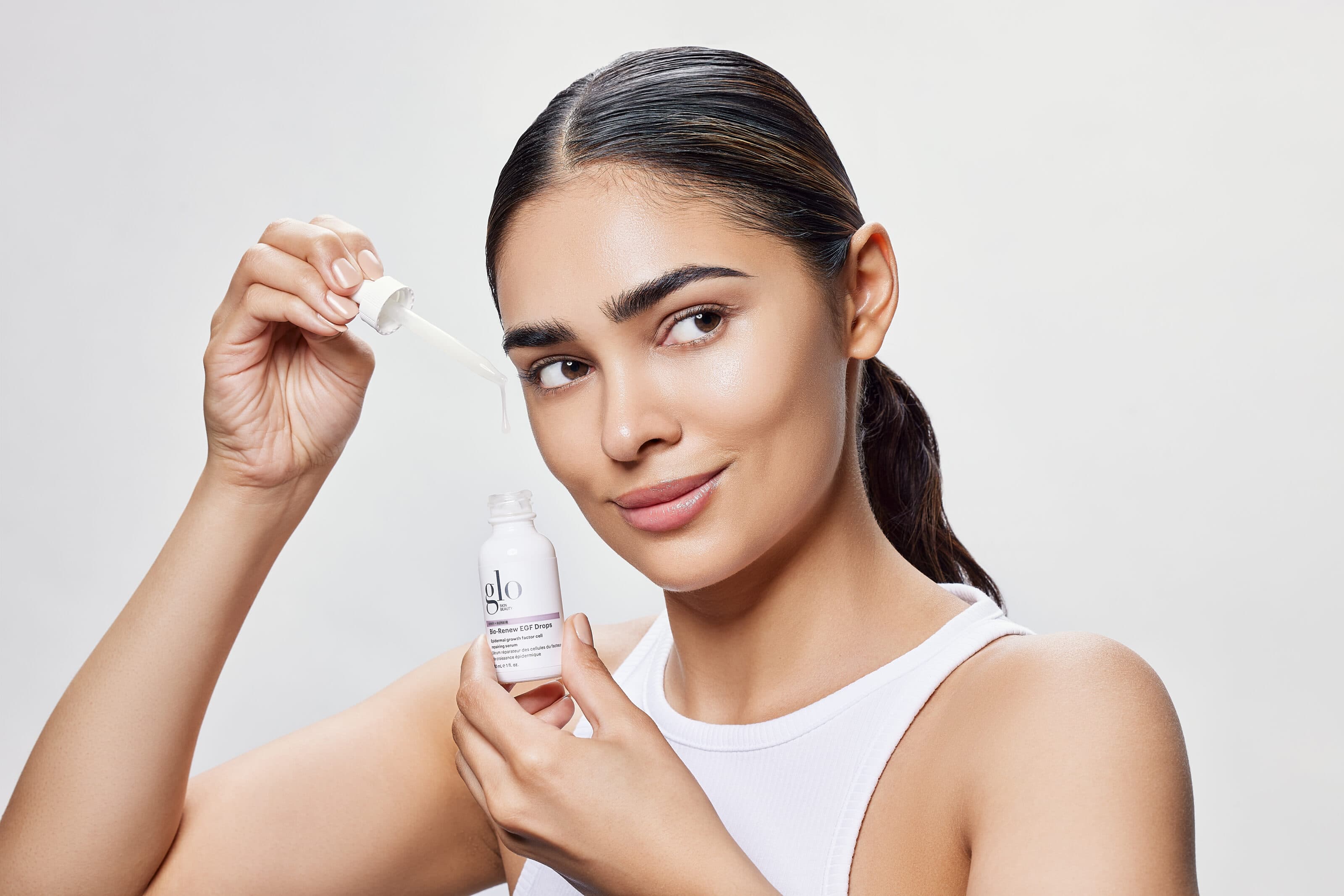
“Of course, skincare is very different from treating a wound,” explains Anna De La Cruz, VP of Product Development and Global Education at Glo Skin Beauty. “But if we take a step back, our skin is constantly responding to everyday stressors, from UV exposure and pollution to free radicals, along with the natural changes that occur over time.”
While growth factors have no issue penetrating wounds or openings in the skin from trauma, whether that be from an accident or a chemical peel, it has a harder time making an impression on healthy epidermis. So in order for them to work as an anti-aging product on healthy skin, brands have to get creative.
“The limitation is penetration,” says Dr. Lauren Moy, a double board-certified dermatologist. “Growth factors are relatively large proteins, and intact skin is good at keeping large molecules out. Some formulations try to improve delivery with liposomes, exosomes, microneedling, or use them after procedures when the barrier is temporarily impaired. In those settings, bioavailability may be higher.”
Lu adds: “There are also encapsulation delivery system technologies that help growth factors get to where they need to go.”
 Photo: Glo Skin Beauty
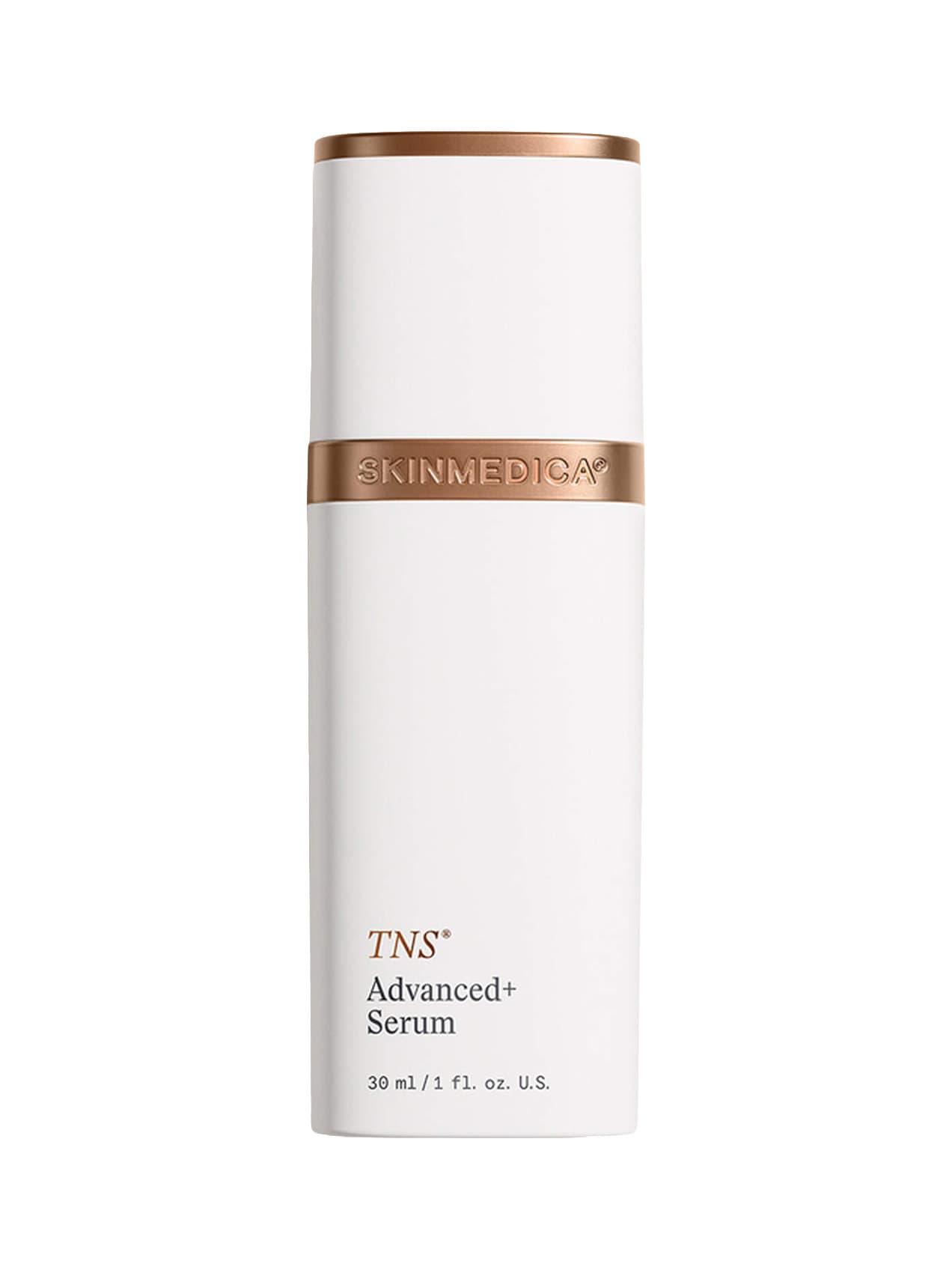
When growth factors effectively penetrate that stubborn layer of skin, it promises some pretty impressive results. Glo Skin’s EGF neck cream promises results in 30 days, with pretty impressive before-and-afters showing reduction in sagging and crepey skin—all backed up by independent testing, while SkinMedica’s TNS® Advanced+ Serum boasts smoother visible coarse wrinkles and fine lines in as early as 2 weeks.
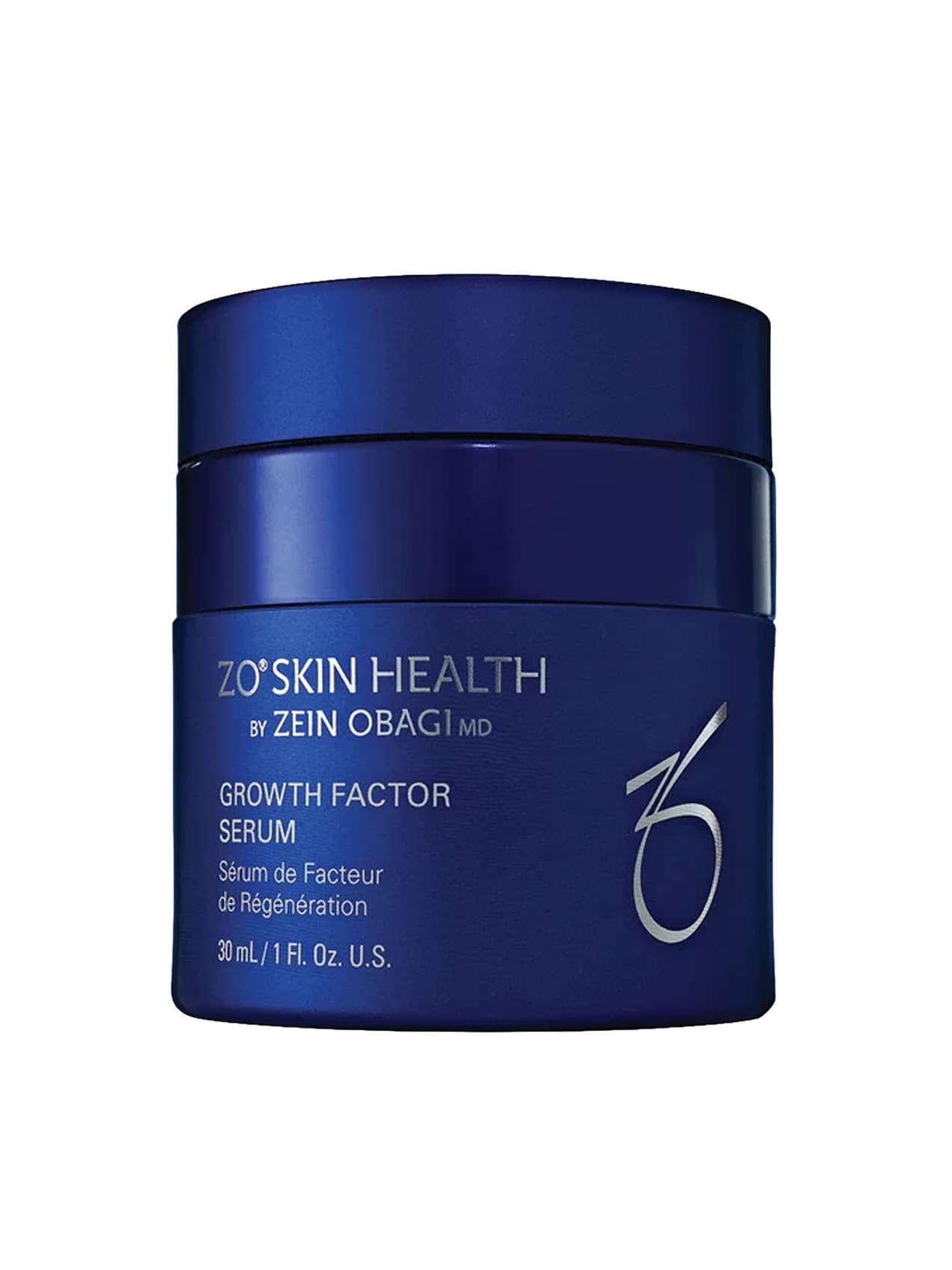
Though, for some, growth factors can seem a little daunting, especially since their application in skincare feels relatively new. But brands like SkinMedica—which released one of the first growth factor serums on the market in 2001—have over 25 years of research behind them, while ZO Skin Health has formulated growth factors in their offerings for over 18 years.
Which Growth Factors Are Worth Trying?
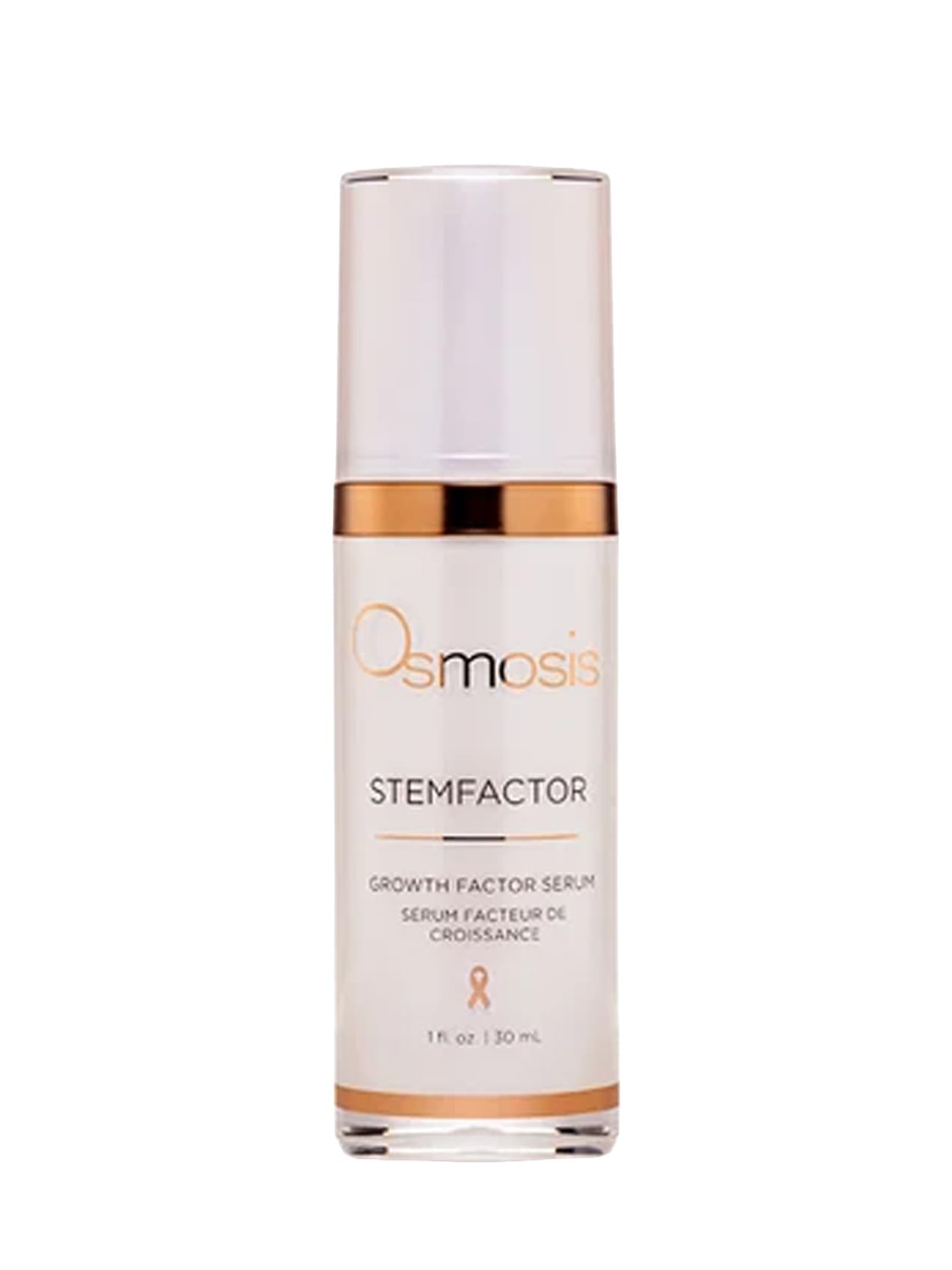
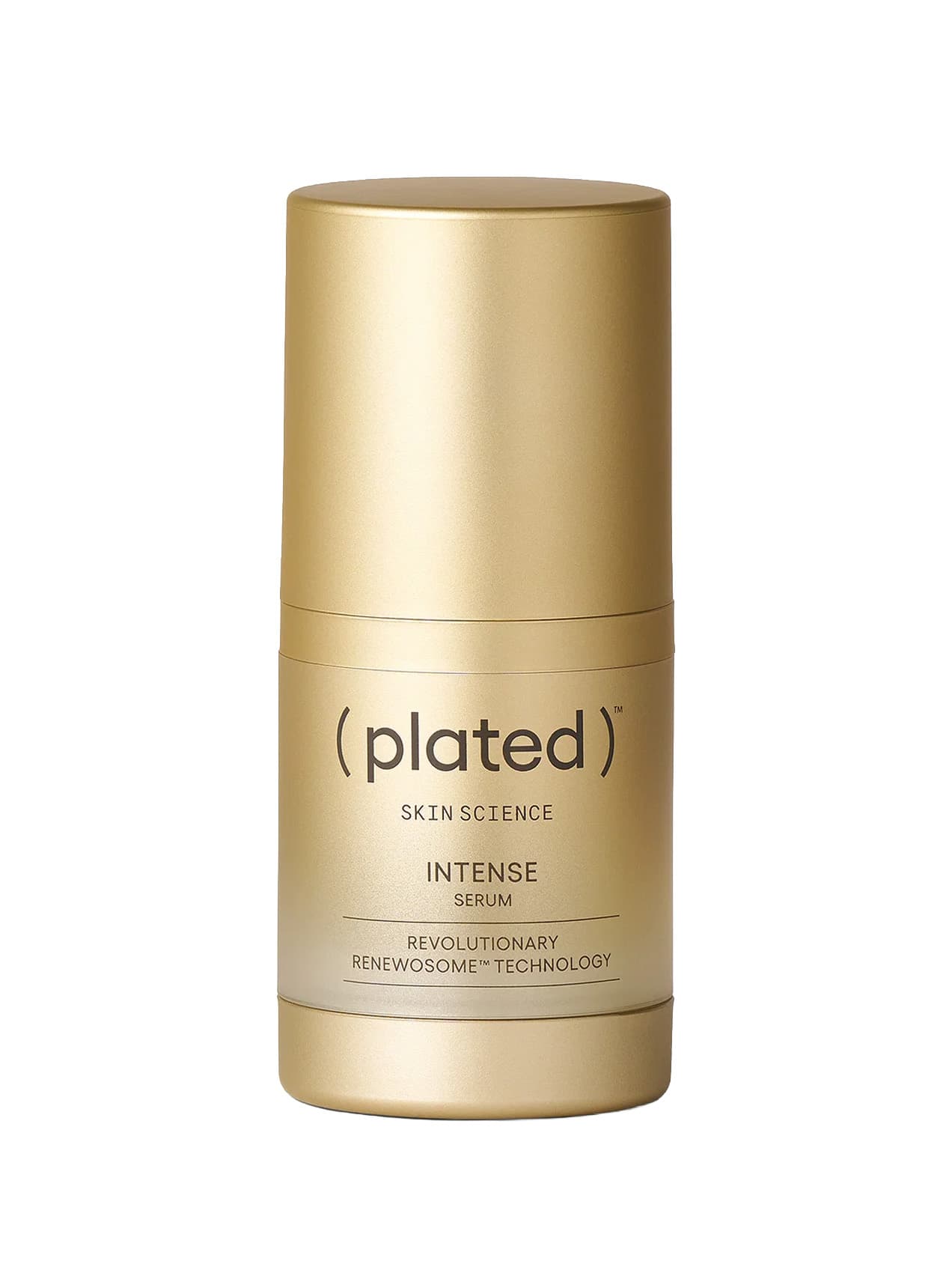
Not all growth factors are made equally. Many brands offer products formulated with human growth factors. SkinMedica and Osmosis use human stem cells or fibroblasts, while other brands, like Plated Skincare, use human platelet extract. And while it may seem that way, you aren’t exactly rubbing remnants of foreskin on your face. “It is important to understand that there is no human tissue in the skincare itself,” says Dr. Ben Johnson, founder of Osmosis.
 Photo: Plated
How They’re Created
Human tissue donations are used in a lab to isolate fibroblasts—cells found in the skin's connective tissue that produce collagen. Those cells are then grown in a lab, where they release growth factors into the surrounding liquid. That liquid, known as conditioned media, is what's used in a skincare formula.
If you’ve ever felt weird about the use of human cells, you’re in luck. Thanks to recent advancements in biotechnology, labs can now produce skin-identical proteins that boost collagen and repair tissue without relying on human cell extraction at all. “There’s greater consistency, scalability, purity control, and ethical sourcing, while reducing concerns associated with biologic variability or donor-derived material,” assures Dr. Jason B. Diamond, a renowned Beverly Hills plastic surgeon whose clientele boasts Kim Kardashian, Kris Jenner, Chrissy Teigen, and Katy Perry.
His brand, Dr. Diamond’s Metacine, uses bio-identical growth factors, while ZO Skin Health “replicates the growth factors found in the human placenta," says Raffi Balian, the brand's Senior VP of Research & Development. Glo Skin Beauty takes a similar approach with what it calls a vegan epidermal growth factor.
"It has the same amino acid sequence as human growth factors, but is produced without using human or animal-derived sources," adds De La Cruz.
But not every brand has moved to synthetic growth factors to quell ethical concerns. Singaporean brand Calecim uses red deer umbilical cord lining collected from free-ranging farms in New Zealand. “Red deer provide a non-human, ethically obtainable source of mammalian signals that human skin cells can recognize,” explains Dr. Ivor Lim, Chief Medical Officer of CellResearch Corporation, Calecim’s parent company. Calecim is also one of the few biological growth factor products available across the European Union.
The Ethics Behind It All
While the US allows the use of human growth factors in skincare products, the EU prohibits human-derived cells, tissues, and growth factors in cosmetics. It’s a regulatory gap that doesn’t just cause a sales issue but also puts a spotlight on ethical concerns: where exactly does human-derived material come from? And does anyone actually consent to it ending up in a $200 luxury lotion?
“The way the process usually works is, you donate your body, or you donate your tissue to an organization, and then they can make a determination on how to distribute those resources,” Ryan Pferdehirt, Vice President of Ethics Services at the Center for Practical Bioethics, tells Coveteur. “I highly doubt that individuals are told about the skincare or the cosmetic nature of where these donations may be going towards.”
As a bioethicist, he believes in the greater good, and making people feel better about how they look surprisingly comes into that too. “If [using cosmetics] is able to make you feel better, more confident, and able to kind of engage in a healthy lifestyle through that, I think that the benefits of that strongly outweigh the negatives of it. There are harms that come with it, but those harms are one informed and understood harms.”
The real ethical concerns come into play with those not consenting. “Now, if you have patients who are being human trafficked, having their skin and tissue procured against their will, I would say the harms that are coming from this industry would outweigh the benefits of a person feeling better.”
 Photo: Plated
While Pferdehirt urges customers to do their research and find how companies are sourcing their growth factors, most are quite opaque about their procurement processes. Even so, he thinks as consumers, we have the power to change that.
“I don't think that it's unethical to not show [the process], but I think it's a higher ethical standard to show it,” he continues. “That comes down to the consumers. People should demand to know more, create that obligation, and then we can use policy or public health officials and just really bring that attention out there. Until the public demands to know that happens, there probably won't be any meaningful change towards it.”
In the meantime, synthetic, vegan, and bio-identical growth factors do reduce ethical dilemmas around this ingredient dramatically. Which means, almost anyone can use it. Well, if you’re an ideal candidate.
The Impact of Growth Factors
Last year, Dr. Memee Ahmad, a medically trained aesthetics doctor, was trying out a popular biological growth factor serum when her skin “erupted.” “Before starting this serum, my skin didn’t have many concerns,” she admits on TikTok. “I have not had cystic acne breakouts since my teenage years, and all of a sudden I had it all over my face and forehead.”It was unexpected, considering she’s constantly testing products on her skin. “There's so much innovation in this space, but also a lot of confusing marketing,” she insists. “So I think it's important to test, question, and educate around what is actually backed by evidence.”
It seems there’s no particular age recommended to start growth factors. It can be used as a preventative measure against fine lines and wrinkles, as well as after treatments like microneedling, peels, and procedures. But the one line Dr. Memee draws are for those who have a history with skin cancer. “Some growth factors, EGF in particular, act through the EGFR signalling pathway, which also has a role in some cancer biology. There's no direct evidence that topical growth factor use causes skin cancer, to be clear, but a number of trial protocols exclude this group as a precaution, and that's a caution I'm happy to carry into my own practice rather than dismiss.”
It’s a scary thought. We come to skincare ingredients—I’m looking at you SPF—that promise to prevent issues, not create them. Using one that’s spoken in the same breath as cancer in the pursuit of eternal youth, may feel like a risk. But cosmetic chemist, Lu assures me that this is an active area of medical discussion. “There are theories and in vitro (petri dish) studies showing that EGF can promote cell growth in pre-existing tumor cells. However, note that EGF acts as a cell proliferator, not a mutagen that causes cancer on its own.”
And if you’re already months deep into using growth factors, you don’t need to throw them out. “These safety concerns primarily center around high-concentration, deep-tissue prescription treatments, think injections, rather than standard cosmetic topicals.”
Ethical concerns, price, risk, efficacy; growth factors ask a lot of questions before they answer any of them. So before you add one more serum to your routine, it's worth asking some questions too.