“What are you wearing tonight?” I’ll usually ask my husband this question (or vice versa) a few hours before our date. And I’m not just talking about clothes. The intent is to step out looking—and smelling—like one hot, cohesive pair. It’s not uncommon for couples to coordinate color palettes and outfits when stepping out (to avoid the Hailey and Justin Bieber effect, where one sometimes looks like they’re going to an award show but the other looks like they just came from the gym). But not many duos give the same consideration to their fragrances—though, according to experts, there’s a strong case for doing so.
“Fragrance is volatile, so when you wear it, it creates this invisible aura around you,” says Walter Johnsen, the vice president of product development and fragrance designer at Interparfums. “If two people are sitting or standing close together, those auras are going to overlap, and you will smell both fragrances in the same space,” he adds.
Johnsen explains that two people’s individual scents don’t suddenly become one when they’re in close proximity. But much like what happens as a love connection evolves, one person’s fragrance is developing on them while the other is separately doing the same—and somewhere in between, the two scents meet. While this all sounds very romantic, this same principle can also lead to a clash of scents that undoes the effect you’d hoped that expensive new bottle of perfume would achieve on date night.
Of course, my husband isn’t the only person whose scent may mingle with mine on any given occasion. The guy sitting behind me at dinner, the lady crammed beside me on the subway, or the waitress who takes our order will all be in close proximity at some point and interact with my scent bubble—but crossing olfactory paths with a stranger is a lot different than spending an entire evening beside someone. You and your partner will ride in the same car, walk into the restaurant together, and hopefully leave arm-in-arm. Your scents, then, will repeatedly interact in a way that’s much more significant.
While “fragrance-coordinating” with your partner isn't any more necessary than matching outfits, for fragrance enthusiasts (even budding ones), simply discussing what scent you’ll each be wearing before leaving the house could make the experience feel a little more intentional (and dare I say romantic). Ahead, perfumers share how to choose scents that complement your partner’s, which notes pair well together (and which don’t), and why your only option isn’t merely a his-and-hers set.
You Don’t Have To Smell The Same
It may seem the obvious solution to making sure you and your partner don’t wear incompatible scents is to wear the same fragrance—or, at the very least, fragrances with the same note. But that’s also the boring answer. You may love dark, woody, and sensual scents, while your partner favors bright floral notes, and you don’t need to concede to uniformity to strike a balance. “People can get too caught up in trying to find that common note,” says Johnsen.
Patricia Choux, senior perfumer at Mane and a perfumer for Anecdotes by Artists, likens it to mixing fabrics or colors when putting together an outfit—leather against wool or espresso paired with sky blue can create beautiful contrasts despite being distinctly different.
Finding a common note in your fragrances can be helpful for creating a unified blend, but it’s not completely necessary either. For Johnsen, the key is to let each fragrance “evolve together rather than trying to make one behave like the other.” To practically achieve that, the perfumers recommend focusing on balance and application.
Look For Notes That Play Well Together
Fragrance-coordinating feels a lot like making a good latte, in my experience. In the same way that brown sugar and cinnamon always taste delightful together, there are obvious scent pairings that make for a beautiful blend between you and your partner.
Rich, indulgent gourmand elements like boozy rum and vanilla can pair beautifully with woody notes. Choux points to a fragrance she created using those gourmand notes alongside white aged oakwood for depth. “That juxtaposition between aromatic freshness and warm gourmand sweetness is the exact kind of tension that keeps a scent from feeling one-dimensional,” she says.
Other naturally compatible fragrance pairings to consider are bright blooms and syrupy gourmands (like rose and honey); tropical citrus notes paired with sugary scents (like coconut or vanilla); sharp, peppery notes next to fresh botanicals (like pink pepper and magnolia); and salty aquatics and sunlit florals (like sea salt and jasmine).
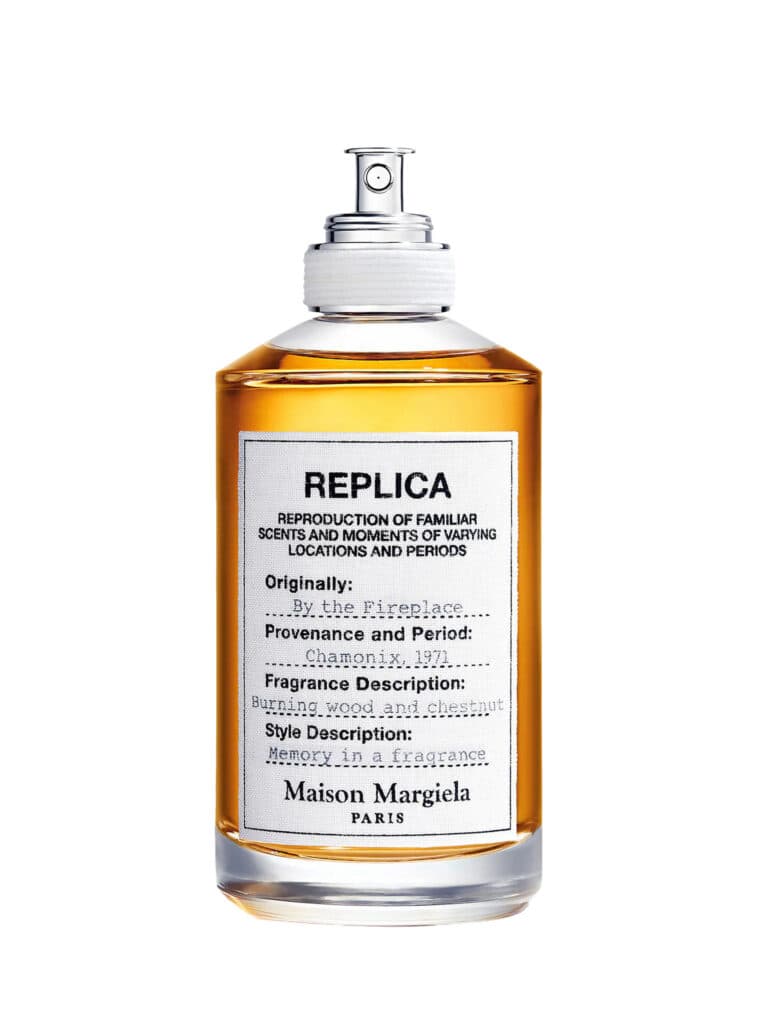
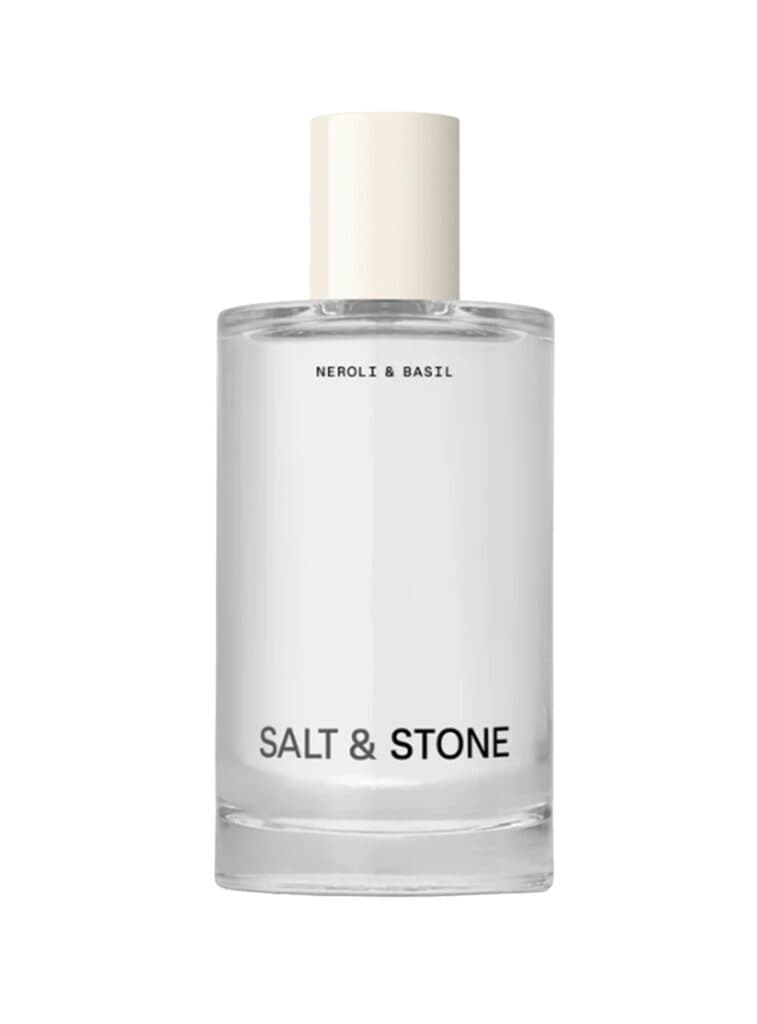
Don’t always play it safe, though. Non-obvious pairings can make for an unexpected yet powerful scent experience—if you’ve ever had a blueberry latte, you get it. I’m a spicy gourmand girl through and through, and most of my scents naturally pair well with my husband’s woody colognes. So I was surprised when my bright, citrusy Salt & Stone Neroli and Basil smelled just as harmonious alongside his warm, earthy Jo Malone Vanilla and Vetiver.
Best Date Night Fragrance Pairings
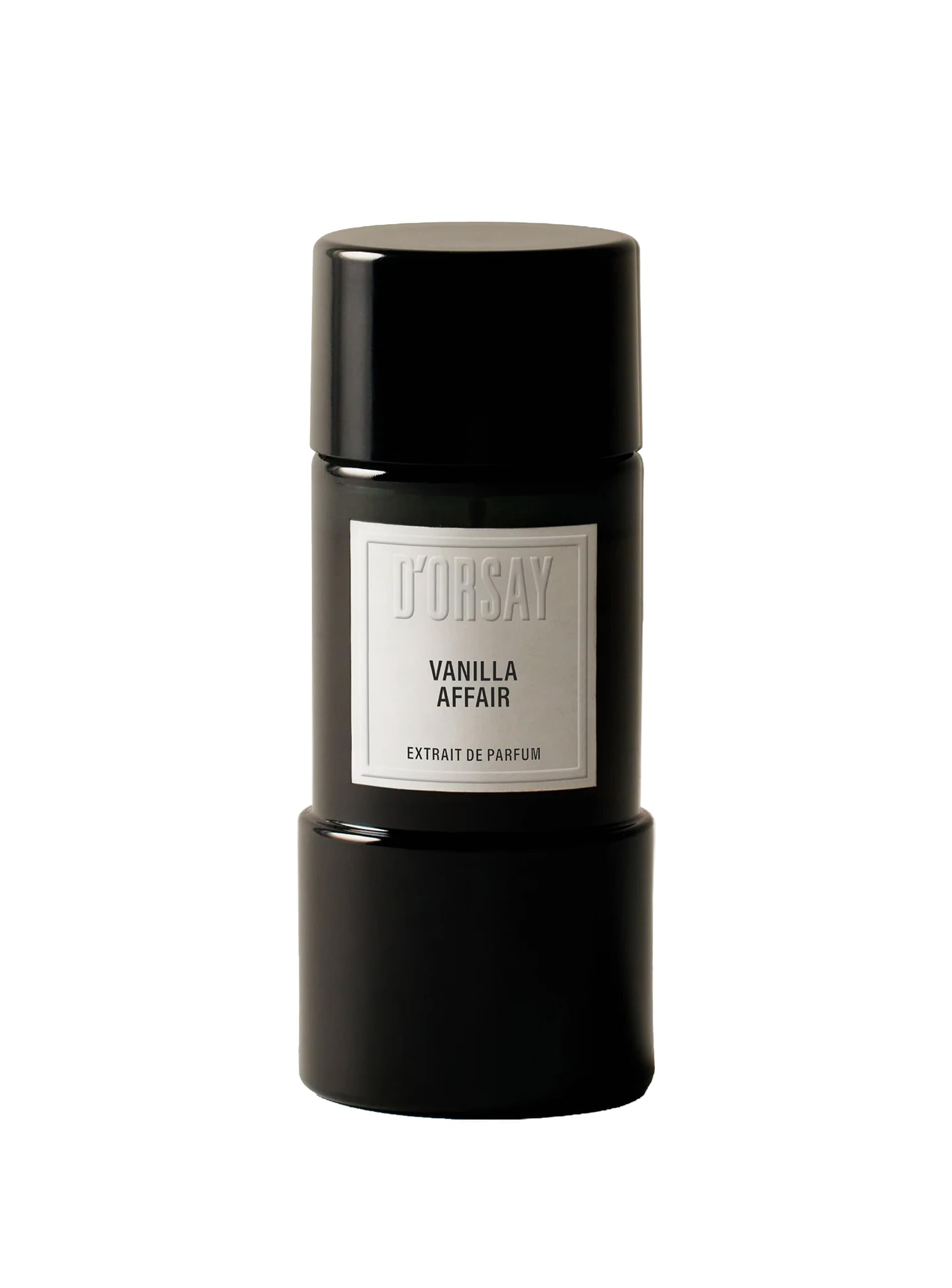
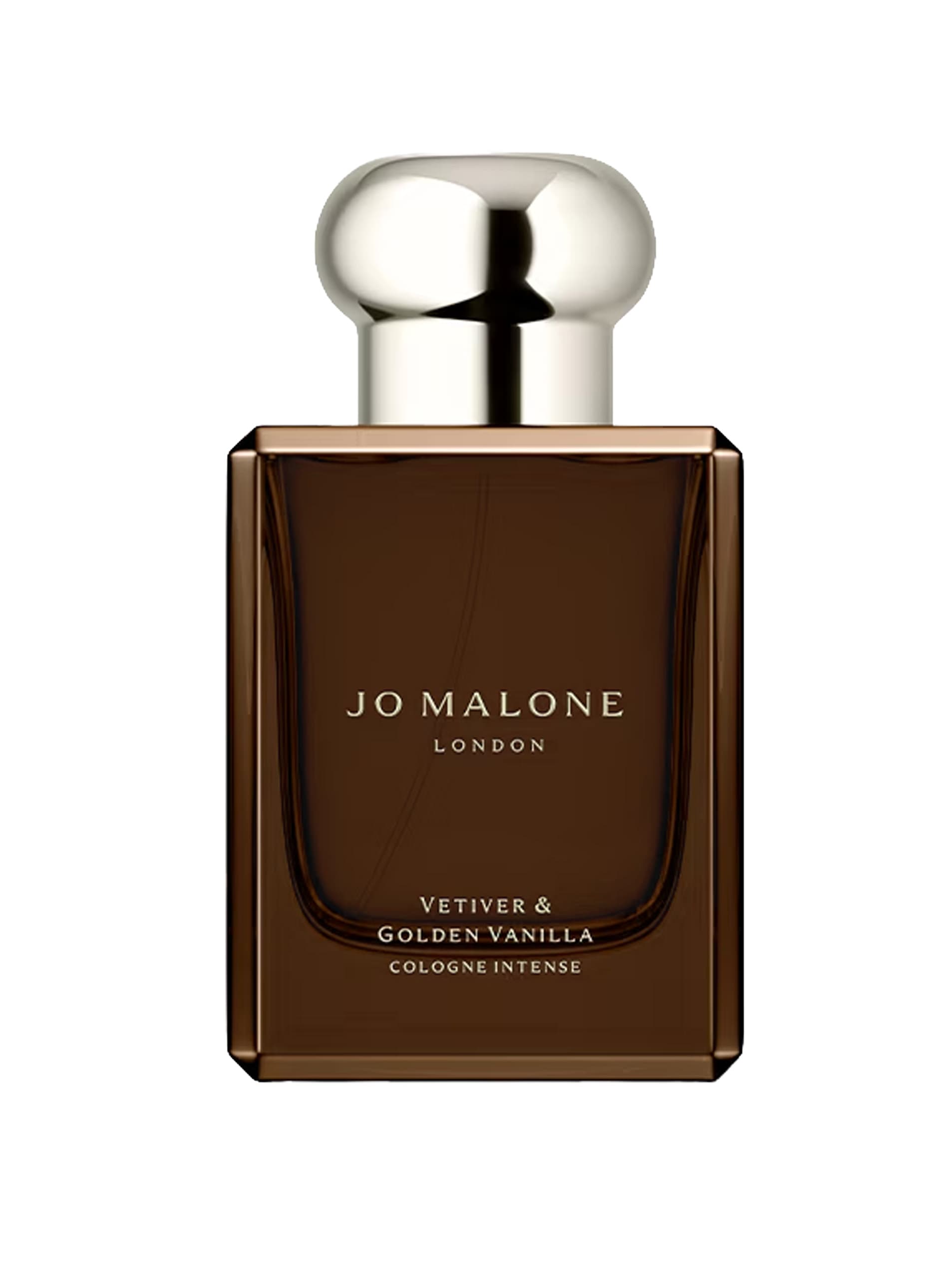
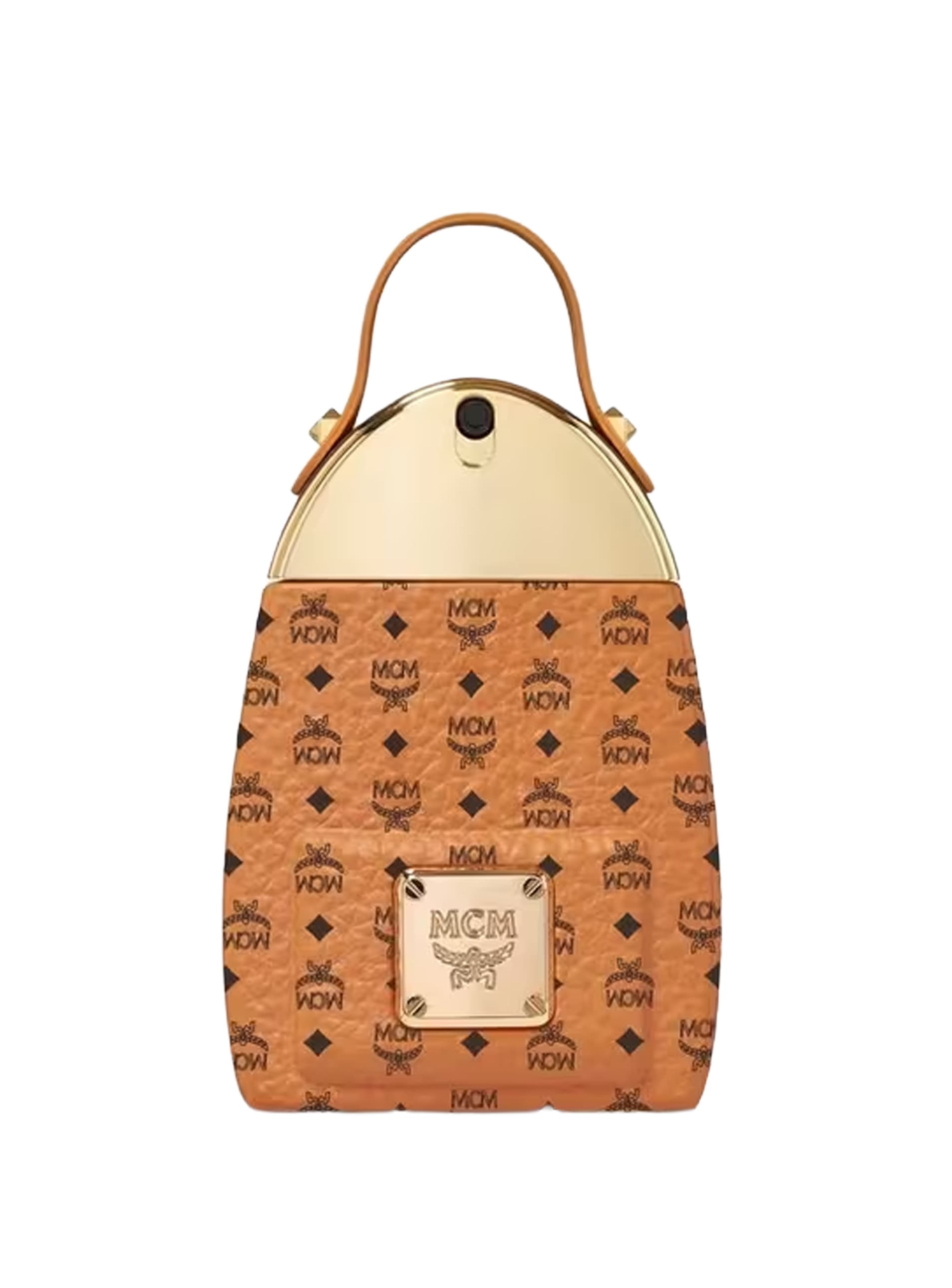
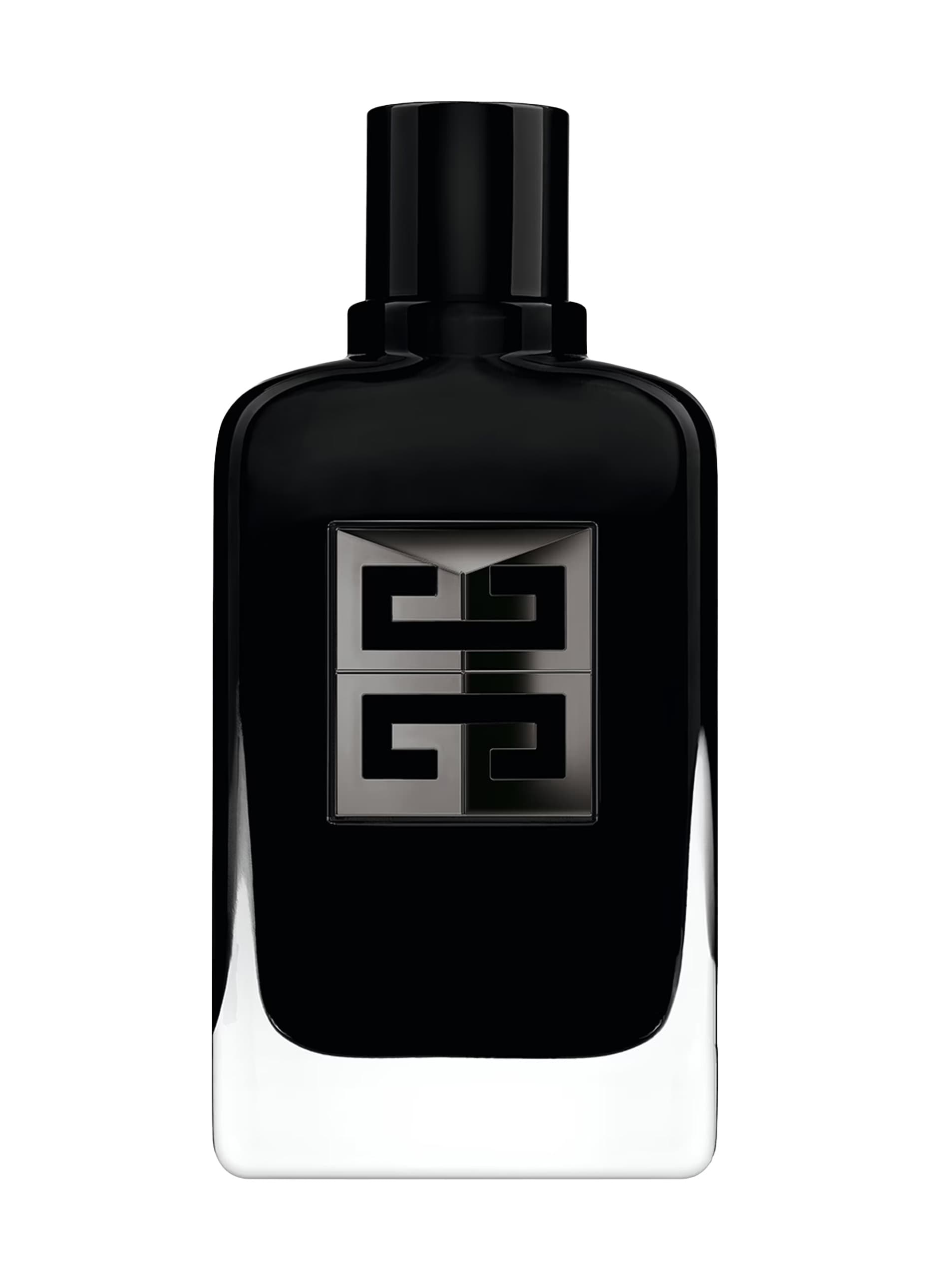
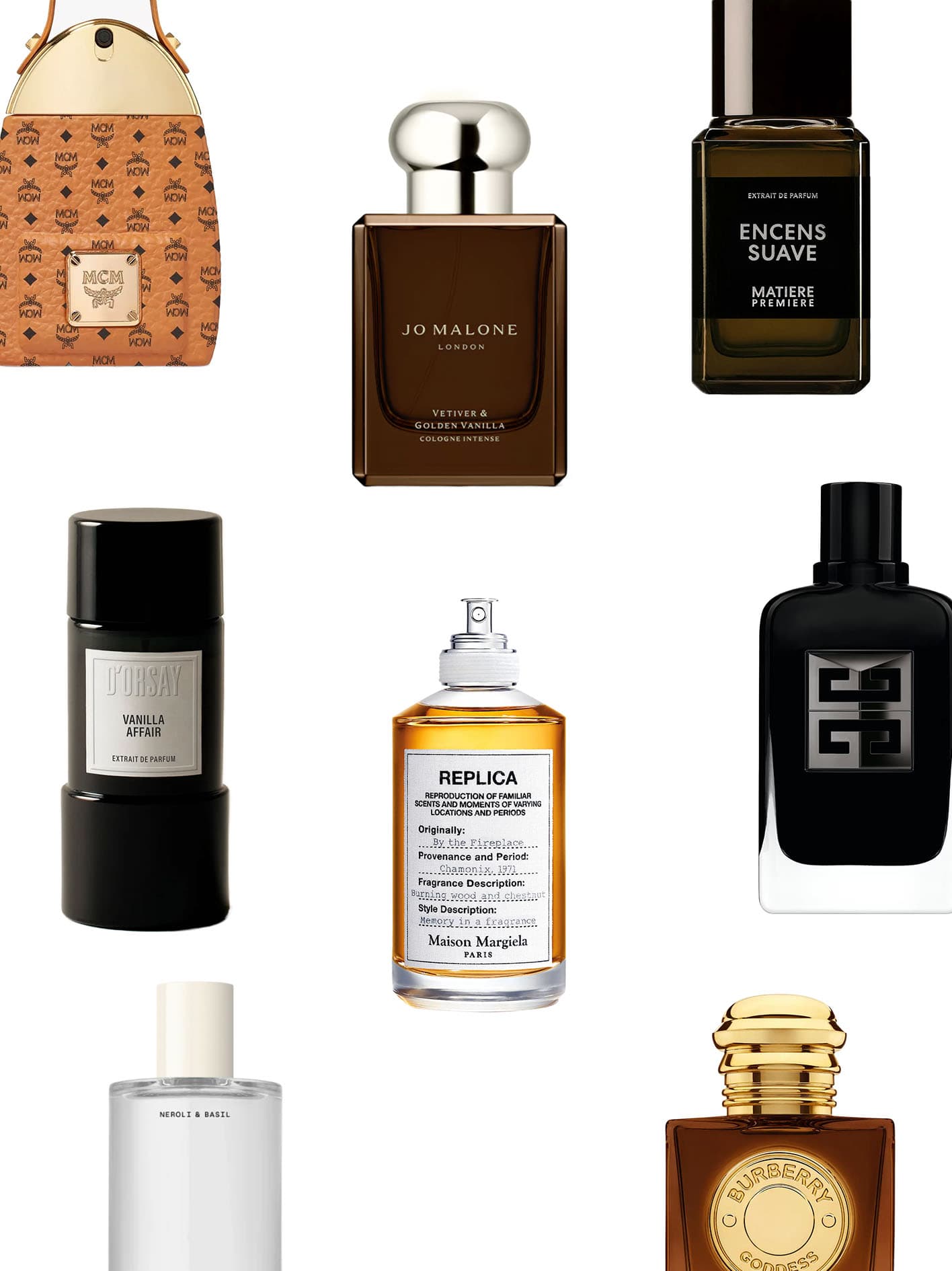
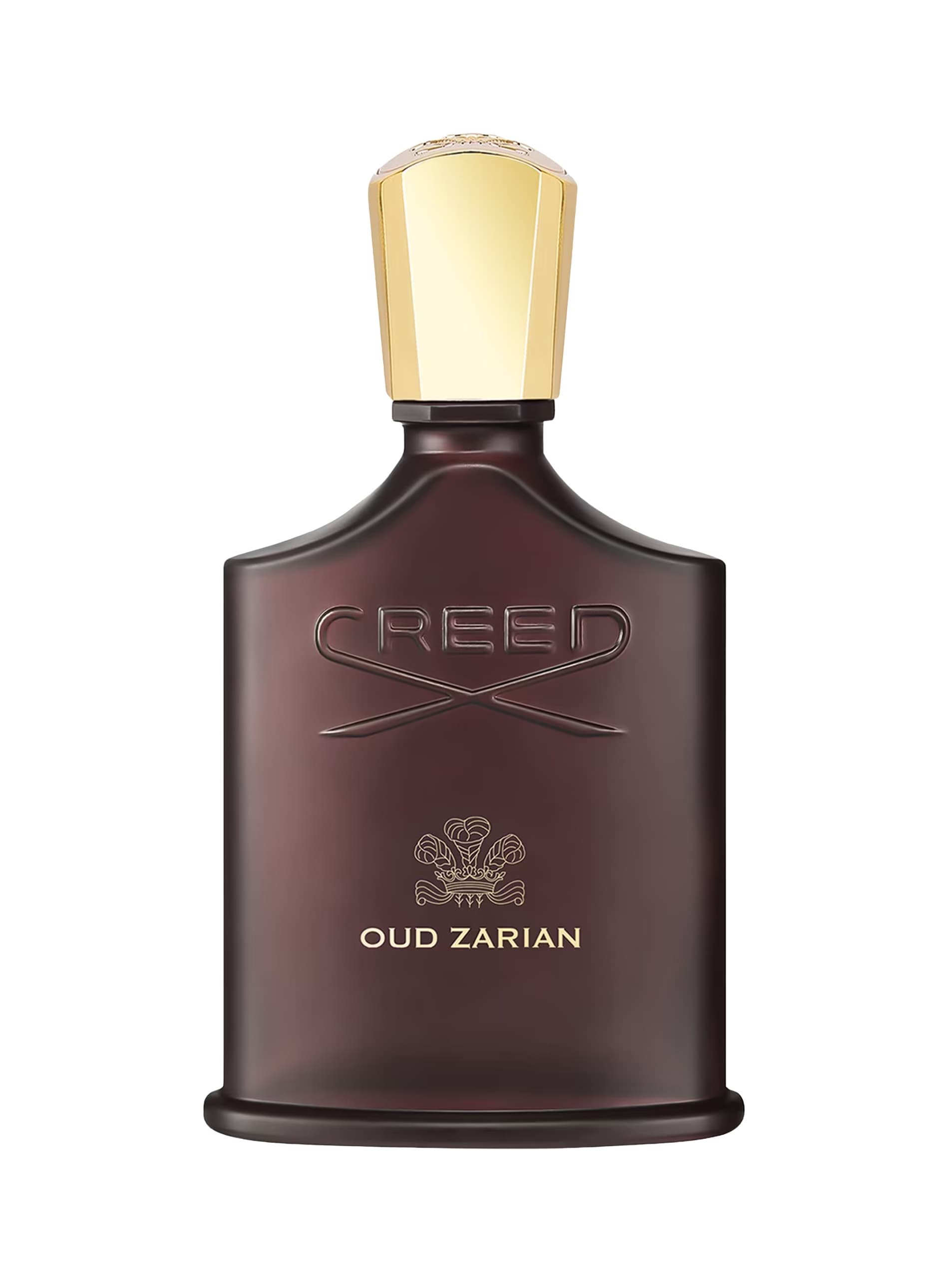
Spicy Gourmand + Smoky Oud
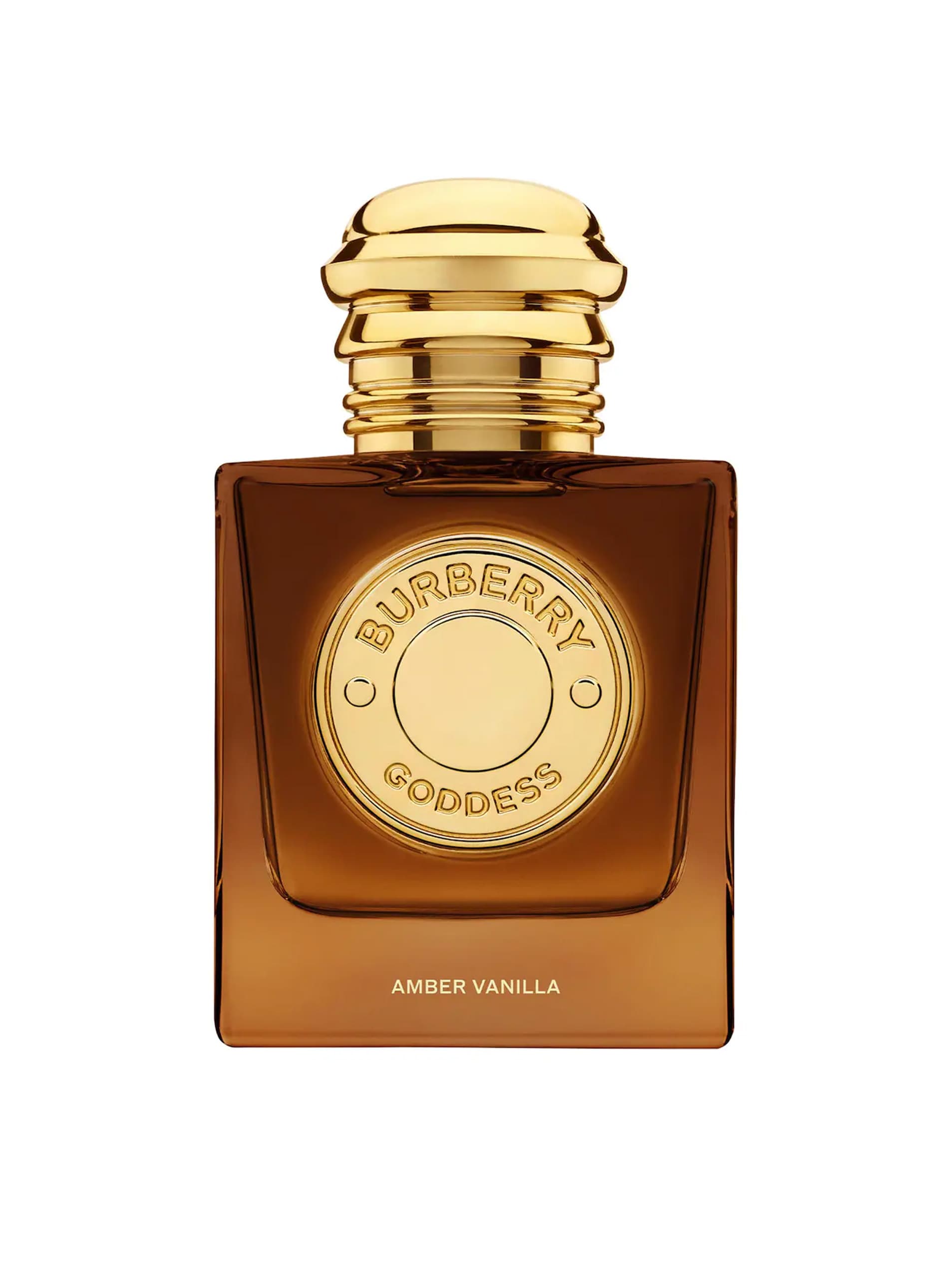
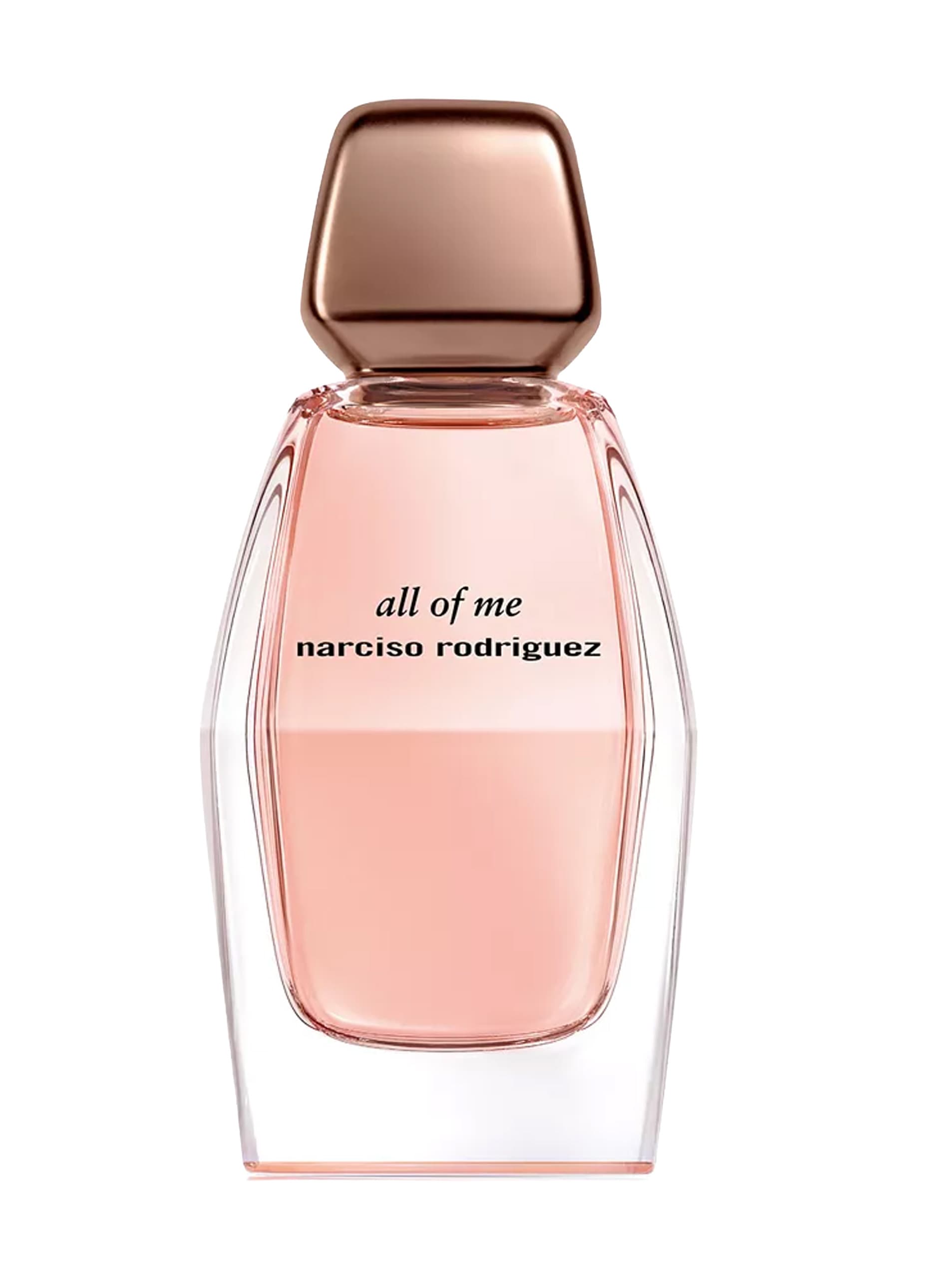
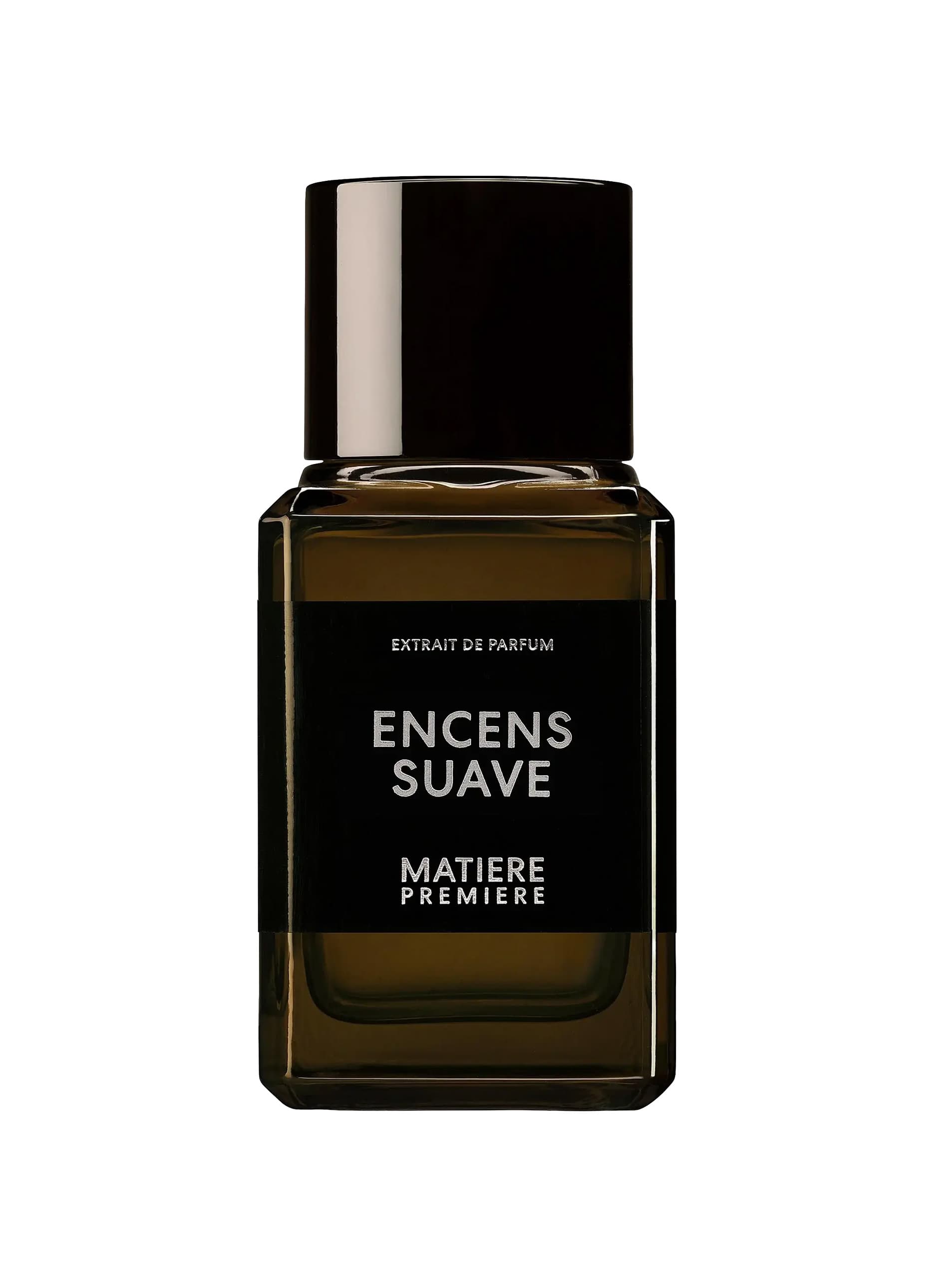
Powdery Floral + Smoky Amber
Consider How Much You’re Spraying
How much you spray is arguably more important than the actual notes in your fragrances. “You could take two totally different fragrances and they could coexist beautifully,” says Johnsen. “Then you could take two fragrances that should theoretically complement each other and destroy the whole thing because both people have sprayed far too much.” Johnsen says this is when the two scents begin to compete.
What makes things even trickier is that over time, your nose becomes accustomed to scents you wear often. “You do not necessarily smell it with the same intensity that everyone around you does,” says Johnsen, who adds that this can make you prone to spraying more than necessary because the scent doesn’t register as strongly to your nose, while “everyone else can smell you perfectly well.”
Johnsen says two fragrances with opposing notes won’t automatically result in an unappealing blend, but when two people are doused in copious amounts of perfume, the result can be headache-inducing projection—no matter what the notes are.
Do A Scent Check Before The Date
There’s a whole host of terminology and things you can consider when fragrance-coordinating or scent-syncing with your partner, but the most practical way to go about it is simply to do a check before stepping out. For my husband and me, this usually begins with a conversation about where we’re going: the vibe and purpose of the occasion and even what we’re wearing. This informs the kinds of notes we’ll consider. Then Johnsen recommends spraying each of your fragrances onto a blotter and holding them side by side. “You will get a pretty quick idea of whether something feels harmonious or if the fragrances are immediately fighting each other,” says Johnsen. Of course, blotters will only give you a sense of what your fragrances will smell like together—the scents will naturally smell different on skin. Johnsen says to spray your individual perfumes and wait 30 minutes before evaluating.
When you first spray a fragrance, the top notes come through in the initial smell, but as the fragrance dries down, the middle and base notes settle onto the skin—so the drydown is key when determining if two fragrances will complement each other.
Of course, there’s no need to turn the hours before each date night into a science project, but this simple scent check could even act as a fun way to create more anticipation for the date. It’s also worth doing for bigger occasions when you have some time leading up to the event to coordinate your scents. In the weeks leading up to our wedding, my now-husband and I ran this exact experiment on a handful of perfumes and colognes—testing out different combinations before landing on our perfect match: Narciso Rodriguez All of You (a woody floral) for me and Matiere Premiere Encens Suave (a smoky amber) for him.
Ultimately, the art of fragrance-coordinating is not about policing the scents you and your partner wear—it’s about sharing the joy of scent and further investing in how you present yourselves as a pair.